Table of Contents >> Show >> Hide
- Why These Epic Hiking Trails Stand Out
- 1. Appalachian Trail: The Classic American Footpath
- 2. Pacific Crest Trail: Desert, Sierra, and Cascades in One Giant Adventure
- 3. John Muir Trail: The Crown Jewel of the Sierra Nevada
- 4. Grand Canyon Rim-to-Rim: A Journey Through Deep Time
- 5. Half Dome Trail: Yosemite’s Granite Giant
- 6. Angels Landing: Zion’s High-Drama Classic
- 7. Kalalau Trail: Kauai’s Wild Coastline
- 8. Wonderland Trail: Around Mount Rainier
- 9. Teton Crest Trail: Big Mountain Beauty in Wyoming
- 10. The Enchantments: Alpine Lakes With a Savage Little Smile
- How to Choose the Right Epic Trail for Your Skill Level
- Essential Planning Tips for Bucket-List Hikes
- Trail-Tested Experiences: What These Epic Hikes Really Teach You
- Conclusion: Start With One Trail, Then Let the List Grow
- SEO Tags
If hiking had a greatest-hits album, these trails would be the tracks everyone keeps replaying. They cross deserts, climb granite domes, follow knife-edge ridges, circle volcanoes, wander through alpine lakes, and politely remind your calves that gravity has a wicked sense of humor. Whether you are a weekend walker, a serious backpacker, or someone who owns more wool socks than formal shoes, this list of epic hiking trails deserves a spot on your outdoor bucket list.
The best hiking trails are not just long or difficult. They are memorable. They change the way you understand distance, weather, silence, snacks, and your own stubborn little heart. Some of the trails below are multi-month legends. Others are one-day challenges that feel like a whole adventure novel compressed into a single sunrise-to-sunset push. All of them offer something rare: a landscape that makes you stop talking, even if you are usually the person narrating every switchback.
Why These Epic Hiking Trails Stand Out
To build this list, the focus is on real, iconic routes with strong reputations among hikers, official land-management information, and unforgettable scenery. These are trails with personality. Some require permits. Some require serious fitness. A few require a healthy respect for exposure, heat, altitude, or sudden mountain weather. In other words, they are not casual strolls to a coffee shopunless your coffee shop is located at 10,000 feet and guarded by marmots.
Before planning any hike, check current trail conditions, weather, permit rules, closures, water availability, wildfire updates, and transportation logistics. A trail may be legendary, but legends can still have washed-out bridges, snowfields, heat advisories, and parking lots that fill before breakfast.
1. Appalachian Trail: The Classic American Footpath
Best for: Long-distance dreams, section hikes, and forest lovers
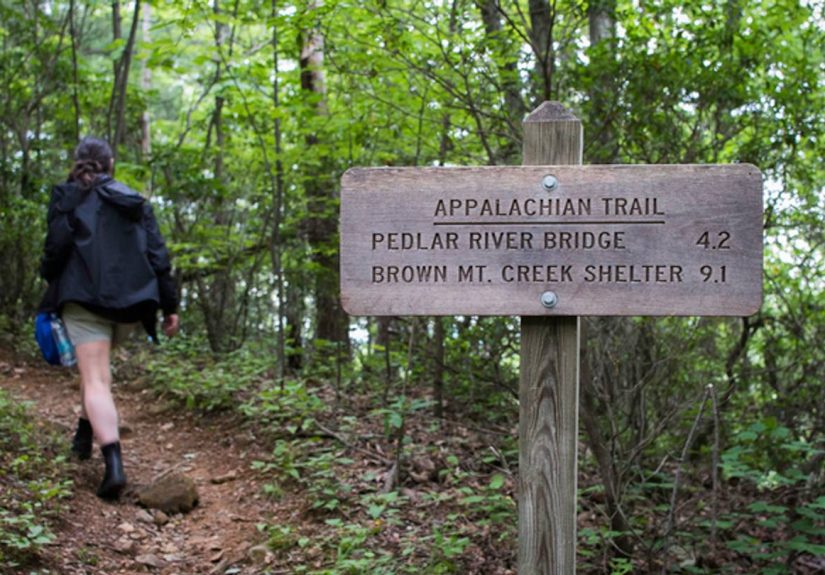
The Appalachian Trail, often called the A.T., is one of the most famous hiking trails in the world. Stretching roughly 2,198 miles from Springer Mountain in Georgia to Katahdin in Maine, it passes through 14 states and delivers a full sampler platter of Eastern U.S. landscapes: misty ridges, hardwood forests, rocky summits, pastoral valleys, and small trail towns that understand the spiritual importance of pancakes.
Most hikers do not need to thru-hike the entire A.T. to appreciate it. In fact, section hiking may be the smartest way to enjoy the trail without quitting your job, explaining a six-month absence to your family, or developing intense opinions about instant mashed potatoes. Popular sections include the Great Smoky Mountains, Virginia’s Grayson Highlands, New Hampshire’s White Mountains, and Maine’s rugged final miles.
The Appalachian Trail is epic because it is both accessible and enormous. You can hike it for one afternoon or spend years completing it in sections. Its white blazes are a symbol of persistence, community, and the simple pleasure of putting one foot in front of the other until your brain finally stops checking email.
2. Pacific Crest Trail: Desert, Sierra, and Cascades in One Giant Adventure
Best for: Big scenery, long-distance backpacking, and Western wilderness
The Pacific Crest Trail, or PCT, runs about 2,650 miles from the Mexican border through California, Oregon, and Washington to the Canadian border. It links desert landscapes, the high Sierra Nevada, volcanic peaks, deep forests, and the dramatic Cascade Range. If the Appalachian Trail is a green tunnel with character, the PCT is a wide-screen adventure film with snowfields, sunburn, and a suspicious number of uphill miles.
For thru-hikers, the PCT is a major commitment requiring months of planning, gear testing, resupply strategy, and endurance. For everyday hikers, it is also a treasure chest of shorter trips. You can sample the PCT in places like Southern California’s desert ranges, the John Muir Trail corridor, Oregon’s volcanic country, or Washington’s alpine passes.
The magic of the PCT is its variety. One week can feel like a sun-baked survival test; another can feel like walking through a postcard with better snacks. This trail belongs on every serious hiker’s bucket list because it captures the grand scale of the American West.
3. John Muir Trail: The Crown Jewel of the Sierra Nevada
Best for: Alpine lakes, granite peaks, and high-elevation backpacking
The John Muir Trail is a 211-mile masterpiece running from Yosemite Valley to Mount Whitney, the highest point in the contiguous United States. It overlaps the Pacific Crest Trail for much of its route and travels through some of California’s most spectacular mountain country, including Yosemite, Kings Canyon, and Sequoia landscapes.
This is not a trail to underestimate. The John Muir Trail involves high passes, remote terrain, wilderness permits, careful food storage, altitude challenges, and long stretches where the scenery is so dramatic it may cause hikers to use words like “transcendent” without irony. Expect granite basins, clear lakes, wildflower meadows, and views that make your phone camera feel underqualified.
Many hikers take two to three weeks to complete the JMT, though shorter sections can be just as rewarding. The trail is especially popular in summer and early fall, when snow conditions are more manageable. For hikers who want a true backpacking rite of passage, the John Muir Trail is hard to beat.
4. Grand Canyon Rim-to-Rim: A Journey Through Deep Time
Best for: Desert endurance, geology, and dramatic elevation change
Hiking the Grand Canyon rim-to-rim is one of the most unforgettable trail experiences in the United States. A common route travels from the North Kaibab Trail on the North Rim to the Bright Angel Trail on the South Rim, covering about 24 miles one way. On paper, that sounds manageable to strong hikers. In reality, the canyon has a talent for humbling people who confuse “downhill first” with “easy.”
This hike drops thousands of feet into the canyon, crosses the Colorado River corridor, and climbs back out through layers of rock that record millions of years of Earth history. Temperatures can vary dramatically between rim and river. Summer heat can be dangerous, and water availability must be checked before starting.
Rim-to-rim is epic because it is not just a hike across space; it feels like a hike through time. The walls change color as the sun moves. The air gets warmer as you descend. The climb out tests your patience, pacing, hydration, and relationship with stairs. For experienced hikers who prepare carefully, it is a truly legendary route.
5. Half Dome Trail: Yosemite’s Granite Giant
Best for: Iconic views, big effort, and a famous cable climb
Half Dome in Yosemite National Park is one of America’s most recognizable hiking objectives. The day hike is commonly listed as 14 to 16 miles round trip, with about 4,800 feet of elevation gain. Along the way, hikers pass unforgettable Yosemite scenery, including views near Vernal Fall and Nevada Fall, before reaching the famous cable route on Half Dome’s steep shoulder.
This is a strenuous hike that requires preparation, an early start, and a permit when the cables are up. The cable section is exposed and should never be attempted during storms, lightning, wet conditions, or when a hiker feels unsure. Confidence is useful; overconfidence is how granite teaches manners.
Half Dome earns its place on this list because it combines natural beauty, physical challenge, and a summit view that feels almost unreal. It is not the right hike for everyone, but for fit, prepared hikers who respect the conditions, it is one of the most memorable day hikes in the country.
6. Angels Landing: Zion’s High-Drama Classic
Best for: Exposure, desert cliffs, and unforgettable canyon views
Angels Landing in Zion National Park is short compared with many trails on this list, but it delivers intensity by the spoonful. The route climbs from Zion Canyon to Scout Lookout and then continues along a narrow, exposed ridge to the final viewpoint. The last section is famous for steep drop-offs, chain-assisted passages, and the kind of view that makes even chatty hikers become very focused on their shoelaces.
A permit is required to hike beyond Scout Lookout to Angels Landing. The permit system helps manage crowds on a trail where congestion can create serious safety concerns. Hikers should wear grippy footwear, carry water, start early when possible, and skip the final ridge if conditions are icy, stormy, windy, or personally uncomfortable.
Angels Landing is epic because it packs a huge emotional experience into a compact route. It is not about mileage. It is about exposure, focus, and the reward of looking down Zion Canyon from one of the most dramatic perches in the national park system.
7. Kalalau Trail: Kauai’s Wild Coastline
Best for: Ocean cliffs, tropical valleys, and rugged backpacking
The Kalalau Trail on Kauai follows the Nāpali Coast, one of Hawaii’s most striking landscapes. The trail runs 11 miles one way to Kalalau Beach, creating a 22-mile round trip for permitted backpackers. The route includes steep cliffs, muddy sections, stream crossings, humid conditions, and remote terrain where help may not be close at hand.
This is not a casual beach walk. Hikers continuing beyond Hanakāpīʻai need the proper permit, and the full trail is recommended for experienced, well-prepared hikers. Weather matters here. Rain can make the trail slippery and streams dangerous. Heat and humidity can also make the effort feel much harder than the mileage suggests.
The reward is a coastline that looks almost prehistoric: green ridges plunging into blue water, remote valleys, and sea cliffs that seem designed by someone with an unlimited special-effects budget. Kalalau is epic because it feels wild, beautiful, and serious all at once.
8. Wonderland Trail: Around Mount Rainier
Best for: Volcano views, serious backpacking, and changing ecosystems
The Wonderland Trail circles Mount Rainier for about 93 miles, climbing and descending roughly 27,000 feet along the way. That means it is not simply a loop around a mountain; it is a repeated negotiation with valleys, ridges, rivers, forests, alpine meadows, and your quadriceps.
Most hikers complete the Wonderland Trail as a multi-day backpacking trip, and overnight camping requires a wilderness permit. The trail is usually most approachable in the mid-summer to early fall window, though snow, river crossings, bridge conditions, and weather can shift the plan quickly. Hikers should be realistic about daily mileage because the constant elevation gain and loss can make even moderate distances feel spicy.
The Wonderland Trail is one of the best backpacking trails in the United States because it offers a complete mountain experience. Rainier appears from different angles each day, sometimes glowing at sunrise, sometimes hiding behind clouds like a shy celebrity. The variety keeps the trail exciting from start to finish.
9. Teton Crest Trail: Big Mountain Beauty in Wyoming
Best for: Alpine passes, wildlife country, and dramatic ridgelines
The Teton Crest Trail is a point-to-point route of about 39 to 40 miles, often starting near Phillips Pass and ending near String Lake, with route variations depending on trailhead choices. It travels through high country near Grand Teton National Park, offering views of jagged peaks, alpine basins, wildflower meadows, and some of the most photogenic mountain terrain in the Rockies.
This is a backpacking route that rewards strong preparation. Hikers need to consider permits, camping zones, bear safety, afternoon storms, snow lingering on high passes, and transportation between trailheads. The best season is typically late summer into early fall, but conditions can vary dramatically.
The Teton Crest Trail feels epic because the mountains are so bold. The skyline has teeth. Lakes appear like blue mirrors under granite walls. Every pass seems to open into a new chapter. For hikers who love alpine routes but cannot spend months on a thru-hike, the Teton Crest Trail offers a concentrated dose of wilderness drama.
10. The Enchantments: Alpine Lakes With a Savage Little Smile
Best for: Larch season, granite basins, and ambitious day hikers
The Enchantments in Washington’s Alpine Lakes Wilderness are famous for sparkling lakes, pale granite, mountain goats, golden larches in fall, and a level of difficulty that keeps hikers honest. Many people experience the area as a long thru-hike between the Stuart Lake and Snow Lakes trailheads, while others backpack with an overnight permit.
Do not let the dreamy name fool you. The Enchantments can be demanding. Routes into the upper basin involve major elevation gain, rugged terrain, and long mileage. Overnight permits are highly competitive, and day hikers still need to be prepared for a very long, strenuous outing. This is the kind of trail where “just one more lake” can turn into “why are my legs filing a formal complaint?”
The Enchantments belong on every hiker’s bucket list because the scenery is almost absurdly beautiful. Blue lakes sit beneath granite walls, mountain light changes by the minute, and fall larches can make the whole basin glow. It is a hard-earned kind of magicand that is exactly why hikers love it.
How to Choose the Right Epic Trail for Your Skill Level
Not every epic trail has to be completed end to end. The smartest hikers match the route to their current fitness, experience, gear, and risk tolerance. If you are new to hiking, start with shorter sections of famous trails like the Appalachian Trail or Pacific Crest Trail. If you have strong day-hiking experience, consider Half Dome, Angels Landing, or a shorter Grand Canyon corridor hike after careful planning. If you are ready for multi-day backpacking, the John Muir Trail, Teton Crest Trail, Wonderland Trail, Kalalau Trail, and the Enchantments may become realistic goals.
Difficulty is not just about distance. Elevation gain, altitude, exposure, heat, snow, route-finding, water access, permit logistics, and remoteness all matter. A 10-mile trail in humid tropical terrain can feel harder than a 15-mile walk in mild weather. A downhill canyon start can become a brutal uphill finish. A beautiful alpine pass can become dangerous in lightning. The trail does not care what your fitness watch predicted.
Essential Planning Tips for Bucket-List Hikes
Check permits early
Many iconic trails require permits for day use, overnight camping, cable access, or restricted sections. Half Dome, Angels Landing, the Enchantments, Kalalau, the John Muir Trail, and the Wonderland Trail all involve permit planning in some form. Put permit dates on your calendar before you put vacation days on your boss’s calendar.
Train for the exact challenge
If your hike includes steep descents, train downhill. If it involves altitude, build in acclimatization. If it requires carrying a backpack, train with weight. Your body is very literal. It will not accept “but I watched three trail videos” as conditioning.
Pack the essentials
Navigation, headlamp, sun protection, insulation, first aid, fire starter, repair kit, extra food, water treatment, and emergency shelter are standard hiking essentials for a reason. Even on day hikes, unexpected delays happen. A tiny headlamp can be the difference between a safe late return and an accidental audition for a wilderness survival show.
Respect weather and turnaround times
Epic trails often become dangerous when hikers ignore changing conditions. Set a turnaround time before you start. Watch clouds, wind, heat, river crossings, snow, and your own energy. Turning back is not failure. It is advanced-level wisdom wearing trail shoes.
Trail-Tested Experiences: What These Epic Hikes Really Teach You
Experiencing epic trails is about far more than collecting scenic photos. These hikes teach patience in a way normal life rarely does. On a long climb, you cannot skip ahead. There is no shortcut button, no delivery app for the summit, and no polite way to ask a mountain to lower itself slightly. You learn to move at a sustainable pace, breathe through frustration, and celebrate tiny victories: a shady switchback, a cold stream, a breeze that arrives exactly when morale is about to resign.
One of the biggest lessons from bucket-list hiking trails is that preparation creates freedom. The hiker who studies the map, checks conditions, carries layers, filters water, and starts early has more room to enjoy the trail. The unprepared hiker spends the day negotiating with discomfort. On routes like the Grand Canyon Rim-to-Rim or Half Dome, good planning is not boring paperwork; it is the invisible safety net that lets the adventure feel exciting instead of chaotic.
These trails also teach humility. A person can be fit, experienced, and enthusiastic, and still get slowed by heat, altitude, slick rock, sore knees, or a backpack that suddenly feels packed with library books. That is part of the experience. The mountain does not insult you; it simply tells the truth. Some days you are strong. Some days you need extra breaks, more water, and a snack with emotional support properties.
Another unforgettable part of epic hiking is the community. On famous trails, strangers often become temporary teammates. Someone shares beta about a water source. Someone offers a quiet “you’ve got this” on a hard climb. Someone at camp laughs about the exact same blister drama you thought was unique to your foot. Long-distance routes like the Appalachian Trail and Pacific Crest Trail are especially known for these human moments. The scenery may bring hikers to the trail, but the people often become part of the memory.
Then there is the emotional reset. After hours or days outside, the mind gets quieter. Problems that felt enormous under fluorescent lights shrink under a sky full of stars. A sunrise over Mount Rainier, a blue lake in the Enchantments, or the first glimpse down Zion Canyon can make ordinary worries feel less permanent. Hiking does not magically solve life, but it does remind you that you are capable of doing hard things one step at a time.
The best experience advice is simple: do not rush the trail into becoming a checklist. Take the photo, yes, but also take the pause. Notice the smell of pine after rain, the sound of trekking poles on granite, the way canyon walls change color in the afternoon. Eat the snack before you become a cranky raccoon in technical fabric. Say thank you to your feet, even if they are being dramatic. Epic trails are not just places to conquer. They are places to pay attention.
Conclusion: Start With One Trail, Then Let the List Grow
The world of hiking is wonderfully unfair: the more trails you complete, the longer your wish list becomes. The Appalachian Trail may inspire you to try the Pacific Crest Trail. A Half Dome summit may lead to the John Muir Trail. A single alpine lake in the Enchantments may cause a lifelong obsession with granite basins and lightweight gear. This is normal. There is no known cure, though good socks help.
These 10 epic trails that every hiker should try represent different versions of adventure. Some are long-distance pilgrimages. Some are intense day hikes. Some are remote backpacking routes where every mile feels earned. Together, they prove that the best hiking trails are not only about views. They are about preparation, endurance, humility, joy, and the strange satisfaction of being tired for an excellent reason.
Note: Trail distances, permit requirements, seasonal access, water availability, and safety conditions can change. Always verify current information with the official park, forest, state, or trail-management source before planning your hike.