Table of Contents >> Show >> Hide
- Why Do We Have Nose Hair?
- Should You Remove Nose Hair?
- The Safest Way to Get Rid of Visible Nose Hair
- Methods to Avoid or Use With Caution
- Can Removing Nose Hair Cause Infection?
- How Often Should You Trim Nose Hair?
- Step-by-Step: How to Trim Nose Hair Safely
- Common Myths About Nose Hair
- Best Nose Hair Removal Options Compared
- Who Should Be Extra Careful?
- How to Choose a Good Nose Hair Trimmer
- Real-Life Experiences and Practical Lessons About Nose Hair Grooming
- Conclusion: Keep the Filter, Lose the Flyaways
- SEO Tags
Nose hair is one of those tiny body details that gets absolutely no applause until it makes a surprise appearance during a video call, a date, or a bathroom mirror inspection under lighting bright enough to guide aircraft. But before you declare war on every hair inside your nostrils, here is the truth: nose hair is not a design flaw. It is part of your body’s built-in air filter, security system, and humidity control crew.
Still, visible nose hair can feel annoying, distracting, or simply not part of the look you are going for. The good news is that you can manage it safely. The not-so-good news is that some popular methods, especially yanking, plucking, or deep waxing, can irritate the delicate skin inside the nose and raise the risk of ingrown hairs or infection. In other words, your nostrils deserve grooming, not a demolition project.
Why Do We Have Nose Hair?
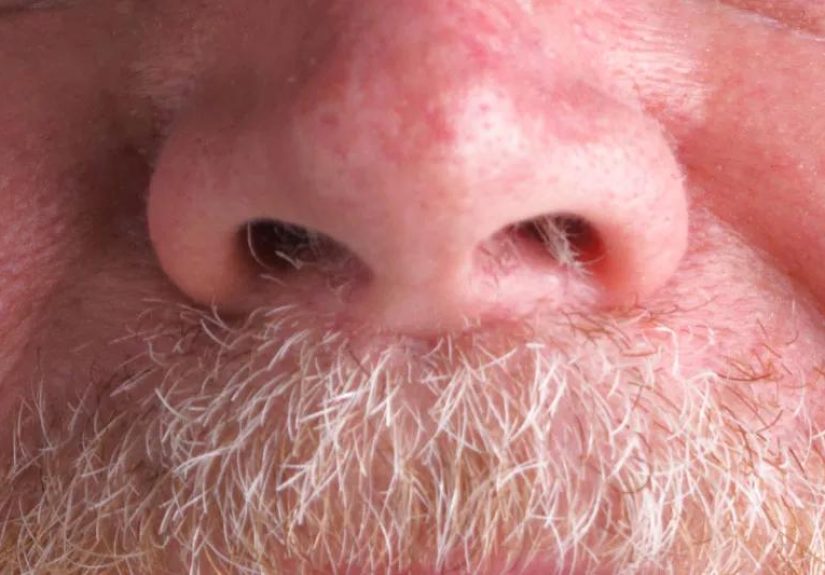
Nose hair, medically known as nasal vibrissae, has a simple but important job: it helps protect your respiratory system. Every time you breathe in, air carries more than oxygen. It may also bring dust, pollen, pollution, pet dander, smoke particles, tiny debris, and microorganisms. Nose hairs help trap some of these unwanted passengers before they travel deeper into the nasal passages and lungs.
Think of nose hair as the doorman at a very exclusive club called “Your Airway.” Oxygen gets in. Dust gets questioned. Pollen gets side-eyed. Large particles are more likely to be caught near the entrance instead of strolling confidently toward your throat and lungs.
Nose Hair Works With Mucus
Nose hair does not work alone. It teams up with mucus, the sticky lining inside your nose that helps capture particles and keeps nasal tissues moist. Together, nasal hair and mucus help filter, warm, and humidify the air you breathe. This matters because dry, cold, or dirty air can irritate the nasal passages.
It May Become More Noticeable With Age
Many people notice longer or thicker nose hairs as they get older. Hormonal changes, genetics, and natural hair-growth patterns can all play a role. Some people are simply born with more active follicles in and around the nostrils. Others may notice that hair becomes coarser over time. It is normal, common, and not a sign that your nose has started a secret garden.
Should You Remove Nose Hair?
The goal should not be to remove every nose hair. Complete removal can reduce the nose’s filtering function and may irritate the skin inside the nostrils. A better goal is to trim only the hairs that are visibly sticking out or causing discomfort.
If a few hairs are peeking out and waving hello to the world, trimming them is usually enough. You do not need to clear-cut the entire nasal forest. A little hair inside the nose is useful, healthy, and normal.
When Nose Hair Grooming Makes Sense
Nose hair grooming may be helpful if hairs are visible outside the nostrils, tickle the inside of the nose, collect debris, interfere with your comfort, or make you feel self-conscious. For people who appear on camera often, work in public-facing roles, or simply prefer a neater grooming routine, regular trimming can be a small but confidence-boosting habit.
The Safest Way to Get Rid of Visible Nose Hair
The safest method for most people is trimming. Trimming shortens the hair without pulling it from the root or damaging the follicle. That means less irritation, less risk of ingrown hairs, and less chance of creating tiny openings where bacteria can enter.
1. Use an Electric Nose Hair Trimmer
Electric nose hair trimmers are designed for the nostrils. Many have rounded guards that help keep blades away from delicate skin. Choose a trimmer made specifically for nose and ear hair, clean it before and after use, and follow the manufacturer’s directions.
Use it only near the entrance of the nostril where hairs are visible. Do not push it deep into the nose. If you need a flashlight, a map, and emotional support to find the hair, it is probably too deep to trim.
2. Use Rounded-Tip Grooming Scissors
Small rounded-tip scissors can also work well for visible hairs. The rounded tip is important because sharp pointed scissors can nick the sensitive inner lining of the nose. Stand in good lighting, lift the tip of the nose slightly if needed, and carefully trim only the hairs that extend beyond the nostril.
3. Clean Your Tools
Clean grooming tools are not optional. The inside of the nose naturally contains bacteria, and dirty tools can increase irritation or infection risk. Wipe scissors or trimmer heads according to product instructions. Avoid sharing nose hair tools with others. Sharing may be caring in some situations, but this is not one of them.
Methods to Avoid or Use With Caution
Plucking Nose Hair
Plucking may seem quick, especially when one stubborn hair looks like it has developed main-character energy. But pulling a hair out by the root can irritate the follicle, cause pain, and lead to ingrown hairs. It can also create a tiny break in the skin, giving bacteria an easier path into the tissue.
Occasional plucking of one outer-edge hair may not cause a problem for everyone, but it is not the best routine method. If you are choosing between trimming and plucking, trimming wins by a landslide.
Waxing Nose Hair
Nose waxing has become popular online, partly because dramatic before-and-after videos are strangely hard to look away from. However, waxing can remove multiple hairs at once and may damage the delicate lining near the nostril opening. It may also cause redness, soreness, ingrown hairs, or infection.
Some salons offer waxing that targets only the rim of the nostril rather than deep inside the nose. Even then, it should be approached carefully. People with sensitive skin, frequent nasal infections, diabetes, weakened immune systems, or a history of skin infections should be especially cautious and may want to avoid waxing entirely unless cleared by a clinician.
Depilatory Creams
Hair-removal creams are not a good choice for inside the nose. These products contain chemicals that dissolve hair and can irritate or burn sensitive mucous membranes. They can also produce fumes that are unpleasant to inhale. Keep depilatory creams away from the nostrils unless a product specifically says it is safe for that area, which most do not.
Deep Shaving
Razors are made for flat or gently curved skin, not the inside of a nostril. Trying to shave inside the nose can cause cuts and irritation. For nasal grooming, specialized trimmers or rounded scissors are much safer choices.
Can Removing Nose Hair Cause Infection?
Yes, it can. The risk is not something to panic about, but it is real enough to take seriously. The skin inside the nostrils is delicate, and the nose naturally hosts bacteria. When hair is pulled out, waxed, or aggressively trimmed, small injuries can occur. These tiny breaks may allow bacteria to enter the follicle or surrounding tissue.
One possible issue is folliculitis, which is inflammation or infection of a hair follicle. Another is nasal vestibulitis, an infection near the opening of the nostril that can cause tenderness, redness, crusting, bumps, or soreness. Most cases are treatable, but worsening symptoms should not be ignored.
Signs You Should Not Ignore
Contact a healthcare professional if you develop increasing pain, swelling, spreading redness, pus, fever, repeated bleeding, crusting that does not improve, or a painful bump inside the nostril. Also seek care if you have a weakened immune system or a medical condition that makes infections more serious.
How Often Should You Trim Nose Hair?
Most people do not need a strict schedule. Trimming every one to four weeks is enough for many adults, depending on hair growth and personal preference. Some people may need a quick touch-up before important events, photos, meetings, or dates. Others can forget about it for a month and still look perfectly polished.
A simple routine works best: check in good lighting, trim only what is visible, clean your tool, and move on with your life. Nose hair maintenance should take less time than choosing a streaming show.
Step-by-Step: How to Trim Nose Hair Safely
- Wash your hands. Clean hands reduce the chance of introducing bacteria.
- Clean the tool. Wipe the trimmer or scissors before use.
- Use bright lighting. A clear mirror helps prevent accidental nicks.
- Trim only visible hairs. Do not remove hair deep inside the nostrils.
- Move slowly. Quick, careless trimming can irritate the skin.
- Clean again afterward. Remove hair clippings and sanitize the tool as directed.
- Skip grooming if your nose is irritated. Wait if you have sores, swelling, active infection, or recent bleeding.
Common Myths About Nose Hair
Myth 1: Trimming Makes Nose Hair Grow Back Thicker
Trimming does not change the structure of the hair follicle. Hair may feel blunt when it grows back because the end was cut straight across, but trimming does not make it biologically thicker, darker, or more powerful. Your nose hair is not leveling up like a video game character.
Myth 2: All Nose Hair Is Bad
Nose hair is protective. The problem is not that it exists; the problem is only when it becomes visible or uncomfortable. A neat trim preserves function while improving appearance.
Myth 3: Waxing Is Better Because It Lasts Longer
Waxing may last longer because it pulls hair from the root, but longer-lasting does not always mean better. In a sensitive area like the nostrils, lower-risk grooming is usually the smarter choice.
Best Nose Hair Removal Options Compared
| Method | Safety Level | Best For | Main Concern |
|---|---|---|---|
| Electric nose trimmer | High | Routine visible hair trimming | Must be cleaned and used gently |
| Rounded-tip scissors | High when used carefully | Small touch-ups | Risk of nicks if used carelessly |
| Plucking | Low to moderate | Not recommended for routine use | Ingrown hairs, irritation, infection |
| Waxing | Use caution | Outer nostril edge only, preferably professional | Skin damage, soreness, infection risk |
| Depilatory cream | Low | Not recommended inside nostrils | Chemical irritation or burns |
Who Should Be Extra Careful?
Some people should be more cautious with nose hair removal. This includes people with diabetes, immune system conditions, frequent nasal infections, chronic skin conditions, blood-clotting issues, or regular use of medications that affect healing. Anyone with sores, scabs, crusting, swelling, or unexplained nose pain should avoid grooming until the area heals or a clinician checks it.
Children and teens should avoid aggressive nose hair removal. If grooming is needed, a parent or caregiver can help with a safe, gentle approach. The same rule applies to everyone: trim what is visible and leave the deeper hairs alone.
How to Choose a Good Nose Hair Trimmer
A good nose hair trimmer should be easy to clean, comfortable to hold, and designed with protective guards. Waterproof or washable models are convenient, especially if you like grooming at the sink. Battery-powered options are simple and affordable, while rechargeable models may be better for frequent use.
Look for rounded blades, a compact head, and clear cleaning instructions. Fancy extras like lights or vacuum systems can be helpful, but they are not essential. The best trimmer is the one you will use safely and clean regularly.
Real-Life Experiences and Practical Lessons About Nose Hair Grooming
Most people do not think about nose hair until it becomes a tiny public relations crisis. Maybe you catch your reflection in the car mirror and suddenly notice one long hair curving out like it is trying to escape. Maybe a friend politely looks away mid-conversation. Maybe your phone camera switches to front-facing mode at the worst possible angle. Nose hair has a talent for appearing right when confidence is clocking in for work.
The first practical lesson is this: good lighting is both a blessing and a menace. Bathroom lighting can hide things, while daylight reveals everything. Many people discover that a weekly mirror check near natural light prevents surprises. It does not have to become a dramatic inspection. A quick look before shaving, applying moisturizer, or brushing your teeth is enough.
The second lesson is that tools matter. People who start with tweezers often learn quickly that plucking nose hair hurts in a very specific, eye-watering way. It is not heroic. It is not efficient. It is just your nervous system sending a strongly worded email. Switching to a small electric nose trimmer usually makes the routine faster, easier, and far less dramatic.
Another common experience is overdoing it. Someone buys a trimmer, feels unstoppable, and trims too much. Later, the nose feels dry, tickly, or irritated. That is a reminder that nose hair has a purpose. The goal is not to make the inside of your nostrils look like a freshly mowed golf course. The goal is simply to remove visible strays while leaving the helpful inner hairs alone.
Hygiene is another lesson people sometimes learn late. A trimmer tossed into a drawer with nail clippers, loose coins, and mysterious crumbs is not exactly a spa-level instrument. Cleaning the tool after each use keeps the routine safer and more pleasant. If a trimmer has removable heads, rinsing or brushing away hair clippings according to the instructions can prevent buildup.
Travel also teaches nose hair humility. Hotel mirrors, airplane bathrooms, and passport photos can reveal grooming gaps with comic timing. Keeping a small rounded-tip scissor or travel-safe trimmer in a grooming kit can be useful. Just remember that trimming should still be done slowly and in proper lighting, not in a moving car, airport bathroom panic, or any situation where your hand-eye coordination is negotiating with chaos.
Finally, confidence is the real point. Grooming nose hair is not about chasing perfection. It is about feeling neat, comfortable, and prepared. Everyone has nose hair. Celebrities have it. CEOs have it. People in shampoo commercials have it, even if their lighting budget says otherwise. Managing it safely is a small act of personal care, not a reason for embarrassment.
Conclusion: Keep the Filter, Lose the Flyaways
Nose hair may not be glamorous, but it is useful. It helps filter particles, protects the nasal passages, and supports healthier breathing. The smartest approach is not total removal; it is careful trimming. Use an electric nose hair trimmer or rounded-tip scissors, clean your tools, and focus only on hairs that are visible outside the nostrils.
Avoid deep plucking, aggressive waxing, shaving inside the nose, or using chemical hair-removal creams in the nostrils. These methods can irritate delicate tissue and increase the risk of ingrown hairs or infection. If you notice pain, swelling, crusting, pus, repeated bleeding, or worsening redness, stop grooming and seek medical advice.
In short, your nose hair is not the enemy. It is more like a slightly overenthusiastic security guard. Give it a trim when it steps outside the building, but do not fire the whole team.