Table of Contents >> Show >> Hide
- The on-air moment that said everything: blood, friendship, and a perfectly timed joke
- Rewinding to late 2022: when a health scare became a fight for survival
- “I almost died”: the part Roker didn’t sugarcoat
- How Craig Melvin helpedand why it matters beyond one newsroom
- The caregiver angle: Deborah Roberts’ lesson in advocacy
- Why the story resonated: it turns a scary headline into something actionable
- Conclusion: a forecast of gratitudeand a nudge to act
- Experiences related to Roker’s story: what survivors, caregivers, and donors often describe
- SEO Tags
Morning TV runs on caffeine, breaking news, and the occasional surprise hug in Studio 1A. But every so often, the “Today” show reminds viewers that behind the bright lights and perfectly timed tosses to commercial are real peoplepeople who get sick, get scared, and lean hard on the folks standing next to them at the anchor desk.
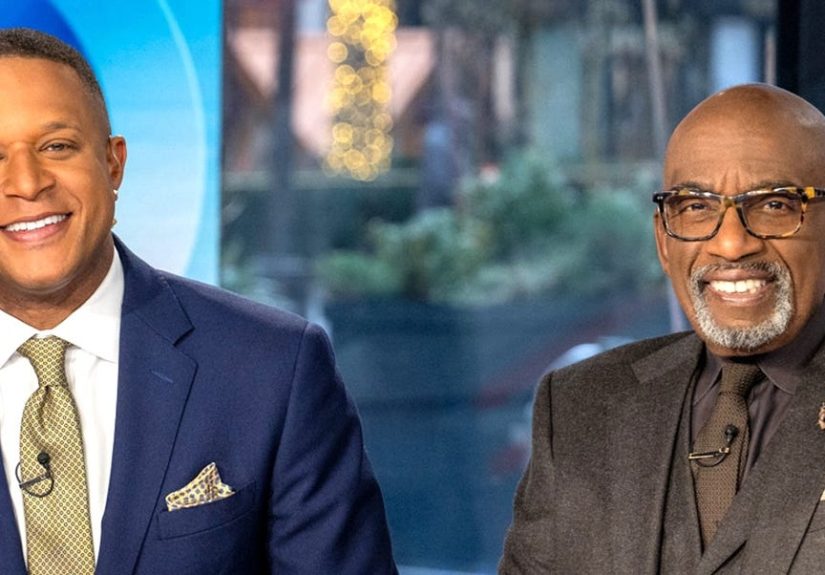
That’s exactly what happened when Al Roker shared how fellow “Today” star Craig Melvin helped save his life. The headline sounds dramatic because, well, it was. And somehowbecause it’s Al Rokerit was also funny, warm, and weirdly inspiring in the same breath.
The on-air moment that said everything: blood, friendship, and a perfectly timed joke
In late July 2025, Craig Melvin donated blood live on “Today” to encourage people to do the same. It was the kind of segment morning shows do well: practical, feel-good, and just earnest enough to make you consider doing something responsible after you finish your second breakfast.
Then the story took a turn from “public service announcement” to “waitwhat?” Melvin revealed he had previously donated blood specifically intended for Roker during Roker’s major health crisis. Melvin framed it plainlyno theatrics, no grandstandingjust one colleague quietly stepping in when another needed help.
Roker acknowledged the gravity of it and the bigger point: blood donations aren’t abstract. They’re not statistics or slogans. They’re the literal reason some people get to come home. And then, because Al Roker cannot survive more than 15 seconds without cracking wise, he tossed in a line that made the segment feel human instead of scripted:
After I got Craig’s blood, I started talking slower and I started drinking more bourbon. So, bonus!
That little joke did what humor often does in scary situations: it let the truth land without crushing everyone under it. Because underneath the laugh was the point Roker was makingCraig didn’t just show support. He showed up in a way that can’t be faked. In the kind of crisis where minutes matter and margins shrink, a blood donation isn’t a Hallmark gesture. It’s a lifeline.
Rewinding to late 2022: when a health scare became a fight for survival
To understand why Roker has framed Craig Melvin’s help as life-saving, you have to rewind to the storm that hit in late 2022. Roker was hospitalized after doctors found blood clots in his leg that sent clots into his lungsan emergency that can become life-threatening fast. His absence from the show was noticeable, including missing the Macy’s Thanksgiving Day Parade, a tradition he’d been part of for decades.
But the crisis didn’t stop at clots. Roker later described a brutal one-two punch: blood clots on one side, and internal bleeding on the other. That combination is especially frightening because it can complicate what doctors can safely do next. Treating clots often involves blood thinners; internal bleeding is the nightmare scenario where thinning the blood can make the bleeding worse. It’s the medical version of trying to put out a fire while someone keeps turning on the gas.
Roker ultimately underwent major surgery after losing a huge amount of blood. In interviews after returning to the show, he described losing “half” his blood and needing intensive procedures that included addressing bleeding ulcers and additional surgical repairs. The details are sobering not because they are graphic, but because they are relatable in the scariest way: the kind of medical “whack-a-mole” where one problem is discovered, then another, then anotheruntil your family is living by hospital updates.
Why blood clots are taken so seriously
Blood clots are not automatically a death sentencebut they can become one if a clot travels to the lungs (a pulmonary embolism) or affects blood flow to vital organs. Symptoms can be subtle or confusing: swelling or pain in a leg, sudden shortness of breath, chest pain, rapid heart rate, or feeling faint. Some people brush them off as “I slept wrong” or “I’m just out of shape,” which is why stories like Roker’s cut through the noise.
Add internal bleeding to the mix and the stakes jump again. Internal bleeding can be difficult to spot quickly and can progress before it’s obvious what’s happening. When Roker talked about losing enormous amounts of blood and the need for emergency surgical intervention, it wasn’t just an anecdote. It was a reminder that bodies can fail fast, even for people who seem strong, active, and “fine” on TV.
“I almost died”: the part Roker didn’t sugarcoat
The reason this story keeps resurfacingyears after the initial crisisis that Roker has been unusually candid about the emotional reality behind the recovery. In a later interview about the ordeal, he said he “almost died,” and he connected that fact to what it changed in him: missing major family moments, rethinking what matters, and feeling a deeper gratitude that doesn’t fade when the camera turns off.
That kind of honesty hits harder than any dramatic montage. It also clarifies why the “Craig Melvin helped save my life” framing isn’t hyperbole. When someone is losing massive amounts of blood and needs transfusions, the blood supply isn’t a nice-to-have. It’s a requirement for survival. A friend who donates doesn’t cure the underlying problembut they can help keep the person alive long enough for doctors to fix it.
How Craig Melvin helpedand why it matters beyond one newsroom
Craig Melvin’s donation is the headline, but the meaning is bigger than “colleague does kind thing.” It’s about the type of support that doesn’t ask for applause. Directed blood donationmaking sure your donation is earmarked for a specific personcan feel intensely personal. It turns a general act of generosity into a direct “I’ve got you” in a moment when control has vanished.
It’s also a reminder of something we don’t talk about enough: the strength of workplace relationships that become real-life relationships. These aren’t just people who share a green room. In crisis, coworkers often become logistical support, emotional support, and the bridge between “normal life” and the exhausting weirdness of hospital life.
Directed donations: powerful, but not the whole solution
Directed donations can be meaningful, but most hospitals and blood centers still rely on the general supply to meet constant needs. The larger takeaway from the Roker-Melvin story is not that everyone should wait to donate until they know someone in trouble. The takeaway is the opposite: donate before the emergency hits, because the emergency always hits someone.
The caregiver angle: Deborah Roberts’ lesson in advocacy
Another layer in this story comes from Deborah Roberts, Roker’s wife and a journalist herself. In discussing the crisis, she has emphasized how frightening it was and how important it is for caregivers to advocateasking questions, asserting themselves, and staying engaged when the situation is moving faster than anyone can process.
That kind of advocacy is not about being difficult. It’s about being present. When someone you love is in a critical state, the system is filled with brilliant professionals, but it’s also filled with handoffs, shift changes, and complex information. Caregivers help keep the story straightsymptoms, timelines, meds, what changed overnightso doctors can make better decisions faster.
- Ask questions until the plan makes sense in plain English.
- Speak up if something feels off or if symptoms change.
- Track details (meds, procedures, timing) to reduce confusion across shifts.
- Lean on support because caregiving burns through energy like a treadmill on max incline.
Why the story resonated: it turns a scary headline into something actionable
Celebrity health stories can sometimes feel like “wow, that’s wild” content you scroll past. This one lands differently because it points to something regular people can actually do: donate blood, take symptoms seriously, and show up for your people in tangible ways.
Blood donation, in particular, is one of the few public-health actions that is both simple and immediately useful. You don’t need a platform, a million followers, or an inspiring speech. You need a little time, a decent snack afterward, and the willingness to be mildly inconvenienced for someone you’ll probably never meet.
Roker’s story puts a face on the anonymous side of transfusions. One day, you’re the person giving. Another day, you might be the person quietly praying that enough strangers gave.
Conclusion: a forecast of gratitudeand a nudge to act
The headline is about Al Roker and Craig Melvin, but the lasting message is about how survival often comes from a chain of people doing the next right thing: doctors and nurses doing expert work, caregivers advocating and enduring, colleagues stepping in, and donors giving something they can spare so someone else can keep living.
Craig Melvin’s blood donation didn’t make the surgeries easy. It didn’t erase the fear or the uncertainty. But it was part of what helped keep Al Roker hereback on air, back with his family, and back to making jokes that are half warmth, half weather-related chaos.
If you take one practical lesson from this: don’t wait until it’s personal. Make it personal nowby giving, by checking in, and by treating your health like it matters as much as your calendar does.
Experiences related to Roker’s story: what survivors, caregivers, and donors often describe
When people come back from a major health crisis, the first thing they often say is some version of, “I didn’t realize how close it was.” That isn’t denialit’s the brain protecting you while you heal. Many patients describe recovery as a strange blend of gratitude and disorientation: you’re thankful to be alive, but you’re also stunned that your life can pivot so quickly from normal to critical.
Survivors frequently talk about the “aftershock” phase. The emergency ends, the monitors stop beeping, and everyone expects you to bounce back because you’re finally home. But home can feel unfamiliar when you’re weaker, easily tired, or suddenly anxious about every new symptom. Ordinary taskswalking up stairs, grocery shopping, even sitting through a long conversationcan feel like training for a marathon you didn’t sign up for. People who return to work after extended hospital stays often describe a second adjustment: figuring out how to be “your old self” while living in a body that’s still negotiating the terms of recovery.
Caregivers describe a different kind of whiplash. During the crisis, adrenaline turns you into a temporary superhero: you track meds, make calls, ask questions, and keep the family functioning. Then, once the patient stabilizes, the caregiver’s body realizes it has been running on fumes. That’s when exhaustion hitssometimes emotional, sometimes physical, often both. Many caregivers say the hardest part is feeling like they must stay strong while also needing someone else to hold them up. The best support networks don’t just ask, “How’s he doing?” They ask, “How are you holding up?”
Workplace support can be unexpectedly powerful in these moments. People often remember the colleague who covered a shift without complaint, the coworker who sent a simple text every few days (“No need to replyjust thinking of you”), or the boss who quietly handled logistics so the family could focus on healing. That’s part of why the Roker-Melvin story resonates: it reflects a real dynamic many people have experiencedrelationships formed at work that become emotionally meaningful when life stops being theoretical.
Then there’s the donor experience, which is its own emotional category. First-time donors often describe nervousness (needles are not everyone’s love language), but also surprise at how normal the process feels. You fill out forms, answer health questions, sit down, and a trained professional guides you through it. Afterward, many donors describe a quiet satisfaction that doesn’t need a social-media post. It’s less “hero moment” and more “I did a useful thing today.” For repeat donors, it can become a ritual: a calendar reminder, a routine snack, and the knowledge that small, consistent acts create a safety net for strangers.
Finally, people who’ve received transfusions often describe a humbling kind of connection to the public. You can’t thank every anonymous donor, but you feel them anywayin the way your doctors speak about the blood supply, in the urgency of a shortage, and in the moment you realize your life depended on a system built from other people’s generosity. Roker’s story adds one more twist: when the donor is someone you know, it can land like a physical reminder that love isn’t only emotional. Sometimes, love is literal.