Table of Contents >> Show >> Hide
- Why Fall Annuals Deserve a Spot in Your Garden
- 1. Pansies
- 2. Violas
- 3. Snapdragons
- 4. Ornamental Kale and Ornamental Cabbage
- 5. Garden Mums
- 6. Calendula
- 7. Sweet Alyssum
- 8. Calibrachoa
- How to Make Fall Annuals Look Gorgeous Together
- Common Mistakes to Avoid With Fall Annuals
- What Growing Fall Annuals Actually Feels Like
- Conclusion
Fall is the season when a lot of gardens start acting like the party is over. Summer petunias get tired, containers look cranky, and porch pots begin to resemble a sad clearance rack. But this is exactly when smart gardeners make their comeback. The secret is simple: swap out heat-loving plants for fall annuals that actually enjoy crisp air, cooler nights, and that golden-hour glow autumn seems to hoard for itself.
If you want a front porch that looks polished, cheerful, and just a tiny bit smug compared to the neighbors’, fall annuals are the move. The best ones do more than survive. They brighten beds, refresh containers, add texture around pumpkins and ornamental grasses, and keep the garden looking intentional well after summer has tapped out. Some bloom through light frosts. Others bring bold foliage that gets better as the weather cools. A few do both, because apparently some plants enjoy showing off.
Below are eight stunning fall annuals that are absolutely worth planting this season. Some are classic favorites, some are underused gems, and all of them can help your garden look alive, layered, and genuinely beautiful when the air turns crisp and the leaves begin to fall.
Why Fall Annuals Deserve a Spot in Your Garden
Fall annuals are not just filler plants you grab because summer things fizzled out. They are the design upgrade that keeps beds, borders, window boxes, and porch containers from looking abandoned by October. Many cool-season annuals perform best when daytime temperatures are mild and nights are chilly. That means they often bloom better, hold their color longer, and need less hand-holding than summer flowers during the same stretch.
They are also excellent for layering. You can pair flowering plants with decorative foliage, combine upright shapes with trailing spillers, or create a whole autumn palette with burgundy, gold, orange, purple, cream, and deep green. In other words, fall annuals let you make a garden that looks curated instead of chaotic, which is a nice achievement for a season that also involves falling leaves, muddy shoes, and at least one decorative gourd you forgot to throw away from last year.
1. Pansies
If fall annuals had a queen bee, it would be the pansy. Pansies are wildly popular for a reason: they bloom in cool weather, come in an enormous range of colors, and instantly make containers and borders look fresh. Their flowers are large, cheerful, and often marked with those dramatic little “faces” that make them look mildly judgmental in the cutest way possible.
Pansies are ideal for porch pots, edging, window boxes, and mass plantings. They shine in rich shades like plum, yellow, burgundy, orange, cream, and near-black, all of which work beautifully with pumpkins, mums, and fall foliage. They also keep blooming when many other flowers are done for the year.
Why they are worth planting
Pansies deliver quick color, tolerate chilly weather well, and give your fall containers a polished look fast. If you want a low-drama seasonal refresh, this is one of the safest bets you can make.
Best design tip
Use pansies in generous clumps rather than as lonely singles. Three or five plants grouped together look lush and intentional, while one tiny pansy in a big pot looks like it lost a bet.
2. Violas
Think of violas as pansies’ smaller, tougher cousins. Their blooms are smaller, but they usually produce more of them, and they often require less deadheading. That makes them excellent for gardeners who want plenty of color without constantly hovering with pruning snips like an anxious stage parent.
Violas are especially good in mixed containers, along borders, or tucked into gaps where your summer annuals checked out early. Their smaller flowers create a softer, more natural look than pansies, which makes them useful when you want something charming instead of flashy.
Why they are worth planting
They flower generously, handle cool weather beautifully, and blend well with nearly every fall palette. Purple, yellow, lavender, white, and bi-color varieties all look right at home in autumn.
Best design tip
Pair violas with ornamental kale or trailing ivy for a container that mixes softness, texture, and structure. It is a classic combo for a reason.
3. Snapdragons
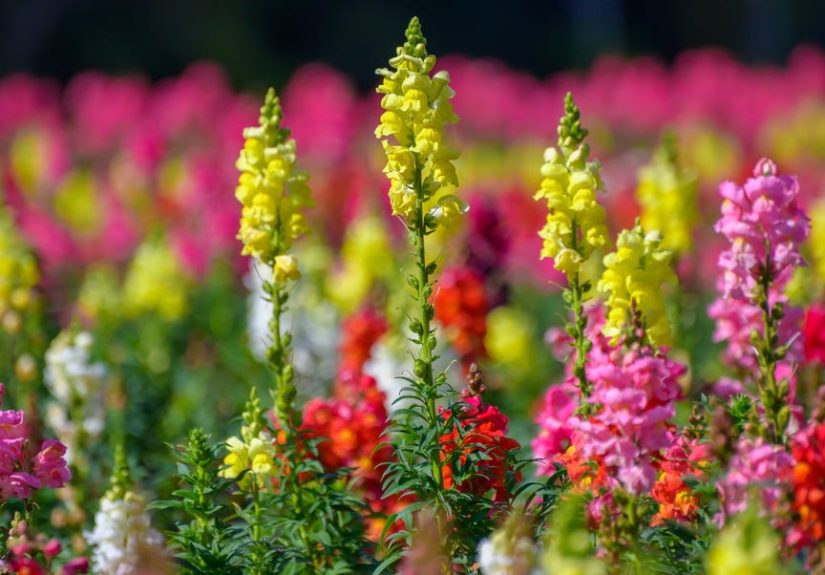
Snapdragons bring height, movement, and a little bit of drama to fall arrangements. Their tall flower spikes make them perfect “thriller” plants in containers, and they also work beautifully in beds where you want vertical interest among lower-growing annuals.
Available in everything from creamy white to coral, rose, burgundy, bronze, and yellow, snapdragons can lean romantic or bold depending on your color choices. In cooler weather, they often look fresher and bloom better than they did during high summer, which feels like a delightful plot twist.
Why they are worth planting
If your fall containers feel flat, snapdragons fix that fast. Their upright habit adds instant architecture, and they combine especially well with pansies, violas, and foliage-heavy plants like ornamental cabbage and kale.
Best design tip
Place snapdragons in the center or back of a container, then surround them with lower flowers and one trailing plant. This gives you that expensive, garden-center-display look without needing a design degree.
4. Ornamental Kale and Ornamental Cabbage
These are the fall annuals for people who want texture, contrast, and a little leaf-based swagger. Ornamental kale and ornamental cabbage are grown for their foliage rather than their flowers, and their color intensifies as the weather gets colder. That means they often look better in late fall than they did the day you bought them, which is more than can be said for most impulse purchases.
Broad-leaved ornamental cabbage gives a smoother, more rounded look, while frilly ornamental kale adds lots of texture and movement. Colors range from silvery green and cream to dusty rose and vivid purple. They work beautifully in containers, borders, and mass plantings.
Why they are worth planting
They hold up impressively in cold weather and add a bold sculptural element to mixed displays. When flowers fade, these plants still look purposeful and striking.
Best design tip
Use one large ornamental kale or cabbage as a focal point in a medium container. Surround it with violas or sweet alyssum for a layered arrangement that feels lush, not crowded.
5. Garden Mums
No list of fall annuals would be complete without mums. Yes, chrysanthemums are technically perennial in many situations, but in real life they are often bought and used as seasonal annuals for instant fall color. And honestly, they understand the assignment.
Garden mums come loaded with buds, bloom in rich autumn shades, and create a full, mounded shape that looks fantastic on porches, steps, and in beds. Bronze, rust, yellow, red, orange, white, and purple all work beautifully in fall designs. They are practically the uniform of autumn decorating, but that does not make them boring. It makes them reliable.
Why they are worth planting
Mums deliver maximum impact fast. If you need your porch, patio, or entryway to look festive immediately, mums are the floral equivalent of turning on the good lighting.
Best design tip
Choose tight buds rather than fully open flowers if you want a longer show. And do not use only mums. Mix them with foliage plants and smaller bloomers so your display looks layered instead of looking like a mum convention.
6. Calendula
Calendula, often called pot marigold, is one of the most underrated cool-season annuals for fall. It has sunny daisy-like flowers in shades of gold, apricot, and orange, and it brings a softer, more cottage-garden feel than standard bedding plants. If pansies are polished and mums are bold, calendula is the charming friend who somehow always looks effortlessly put together.
Calendula works especially well in milder fall regions, in cutting beds, and in informal container designs. It also looks fantastic paired with blue-green foliage, purple violas, or ornamental kale.
Why it is worth planting
It blooms in cheerful warm tones that fit the season perfectly, and it adds a slightly looser, less formal texture to autumn plantings. That can be a welcome break if your containers are starting to look too stiff or predictable.
Best design tip
Use calendula where you want your planting to feel friendly and relaxed. It is especially pretty in cottage-style gardens or rustic porch planters.
7. Sweet Alyssum
Sweet alyssum is the little plant that quietly makes everything else look better. It forms mounds or trails of tiny flowers, usually in white, lavender, pink, or purple, and it has a sweet fragrance that makes containers feel more alive and inviting.
In fall arrangements, alyssum works as the perfect softening plant. It spills over edges, fills awkward gaps, and balances bigger, bolder plants like mums or kale. It is especially useful if your arrangement feels heavy or blocky and needs something airy to tie it together.
Why it is worth planting
Sweet alyssum gives you texture, fragrance, and that finished look designers chase in container gardening. It may not be the loudest plant in the pot, but it often ends up being the one that makes the whole design click.
Best design tip
Use alyssum around the rim of containers as a spiller or soft filler. White alyssum is especially elegant in fall because it brightens deeper tones like burgundy, plum, and orange.
8. Calibrachoa
Calibrachoa is often associated with summer baskets, but it deserves more attention in fall, especially in containers. It has masses of petunia-like blooms on trailing stems and comes in jewel tones, warm sunset shades, and rich purples that feel tailor-made for autumn.
In many gardens, calibrachoa keeps performing into cool weather and looks excellent spilling from porch pots or mixed planters. It is particularly helpful if you want a fall display that feels abundant and slightly dramatic rather than neat and buttoned-up.
Why it is worth planting
It adds cascade, color, and fullness, all while helping your containers avoid that stiff, upright-only look. In mild fall climates, it can continue looking good right up until frost decides to be rude.
Best design tip
Use calibrachoa in taller containers with mums or snapdragons. The upright flowers create height while the calibrachoa softens the edges and adds motion.
How to Make Fall Annuals Look Gorgeous Together
The best fall planters rarely rely on one plant alone. They mix form, color, and texture. A simple formula works beautifully:
- Thriller: something upright, like snapdragons
- Filler: something full, like pansies, violas, or mums
- Spiller: something trailing, like sweet alyssum or calibrachoa
Then add one texture-heavy plant, such as ornamental kale, for visual contrast. This keeps the arrangement from looking too flat or too flowery. Fall gardens look best when they have a little grit, a little softness, and at least one plant that makes you stop and say, “Okay, that’s actually gorgeous.”
Common Mistakes to Avoid With Fall Annuals
- Planting too late: Give roots time to settle in before serious cold arrives.
- Using exhausted potting mix: Fresh mix drains better and gives new plants a cleaner start.
- Overcrowding: A stuffed pot may look lush for one week and chaotic the next.
- Ignoring water: Cool weather does not mean plants never need a drink. Containers still dry out.
- Relying only on mums: Mums are beautiful, but adding foliage and secondary flowers makes the whole display more interesting.
What Growing Fall Annuals Actually Feels Like
One of the best things about planting fall annuals is that the whole experience feels different from spring gardening. Spring has a lot of pressure. You are making plans, buying too many plants, pretending you definitely have room for all of them, and gambling with the weather. Fall gardening feels calmer and a little wiser. You are not chasing the entire season. You are editing it. You are rescuing tired spaces and giving them one more beautiful chapter.
There is also something deeply satisfying about walking outside on a cool morning, coffee in hand, and seeing fresh pansies instead of crispy stems from July. Fall annuals look like effort, but they feel like relief. The weather is friendlier, the light is softer, and even the simple act of planting becomes more enjoyable because you are not sweating through your shirt before you finish the first pot.
From a design standpoint, fall annuals are incredibly forgiving. You can start with one good mum, add a few violas, tuck in some alyssum, and suddenly a plain container looks layered and intentional. Ornamental kale brings that dramatic texture. Snapdragons give height. Calibrachoa spills over the edge and makes everything feel lush. It is one of the few times in gardening when a relatively small effort creates a noticeably polished result.
There is a sensory side to it, too. Fall containers live where people actually experience them: by the front door, on steps, near patios, outside kitchen windows. You notice the details more in autumn. The fragrance of alyssum. The velvety petals of pansies. The almost unreal coloring in ornamental cabbage. The way golden calendula catches late-afternoon light. These plants are not just background landscaping. They become part of the season’s atmosphere.
I also think fall annuals teach a useful gardening lesson: beauty does not have to be loud to be effective. Summer gardens often aim for nonstop abundance. Fall gardens can be quieter and still feel full. A few well-chosen plants in the right colors can say more than twenty random ones shoved into a pot because the garden center was having feelings. Fall rewards restraint. Deep plum, rusty orange, buttery yellow, creamy white, and blue-green foliage can carry an entire display without making it look cluttered.
And then there is the emotional part. Fall is nostalgic by nature. People decorate more. They linger outside in the evenings again. They suddenly care very much about porches. Planting fall annuals taps into that instinct beautifully. It makes your home look welcoming. It gives you a reason to freshen the entryway. It turns a fading garden into something that still feels alive and loved.
Even better, these plantings often hold up through the exact stretch of the year when people are outside the most comfortably. You actually get to enjoy them. You see them when you leave for work, when you come home, when neighbors stop by, when you bring in groceries, when you sit on the porch in a sweater pretending your life is much more organized than it really is.
That, to me, is the real magic of fall annuals. They are not just plants. They are a seasonal reset button. They make your garden look awake again. They make containers feel purposeful. And they prove that the growing season does not end when summer fades. Sometimes it just gets better dressed.
Conclusion
If your garden is looking tired, fall annuals are the easiest way to bring it back to life. Pansies and violas offer long-lasting cool-season bloom. Snapdragons add height. Ornamental kale and cabbage bring bold texture. Mums deliver instant autumn color. Calendula adds warmth, sweet alyssum softens arrangements, and calibrachoa gives containers that rich, trailing finish.
The trick is not to think of fall as the end of the gardening season. Think of it as the season of refinement. With the right annuals, your porch pots, borders, and window boxes can look every bit as exciting in autumn as they did in spring, maybe even better. Cooler weather, richer colors, and fewer struggling plants? That is a pretty strong argument for planting now.