Table of Contents >> Show >> Hide
- Why a Bathroom Looks Dated Faster Than Almost Any Other Room
- Start with a Plan, Not a Panic Purchase
- The Highest-Impact DIY Updates for a Dated Bathroom
- Design Tricks That Make a Small Bathroom Feel Bigger
- Common DIY Bathroom Makeover Mistakes to Avoid
- A Simple DIY Makeover Roadmap
- The Real-Life Experience of a Dated Bathroom Makeover
- Conclusion
Some rooms whisper for an update. A dated bathroom usually shouts it with brass-framed mirrors, tired oak cabinets, builder-grade lighting, and tile that seems determined to remain permanently stuck in 1997. The good news? You do not always need a full gut renovation to make a bathroom feel fresh, stylish, and dramatically more functional. Sometimes the smartest makeover is not the loudest one. It is the one that swaps visual clutter for calm, fixes the little details that make a room feel tired, and gives old features a second chance before the budget starts hyperventilating.
A smart DIY bathroom makeover is really about editing. You keep what still works, improve what looks worn, and replace only what is making the room feel older than it is. That might mean painting the vanity instead of buying a new one, upgrading a light fixture instead of moving wiring, re-caulking the tub instead of pretending not to see the mildew line, or adding open shelving so your countertop stops looking like a pharmacy exploded. In other words, this is not about throwing money at the problem. It is about using taste, patience, and a paintbrush with good intentions.
If your bathroom is functional but deeply unexciting, this guide will walk you through how to transform it DIY-style, without turning your weekends into a reality show meltdown. We will cover what to update first, which changes make the biggest visual difference, how to avoid common mistakes, and why the humble trio of paint, lighting, and hardware deserves a standing ovation.
Why a Bathroom Looks Dated Faster Than Almost Any Other Room
Bathrooms age quickly because they are asked to do two jobs at once: work hard and look clean. The moment finishes start yellowing, grout begins darkening, or old lighting throws shadows that make everyone look vaguely haunted, the whole room feels neglected. Even if nothing is technically broken, the space can still feel off.
The usual suspects
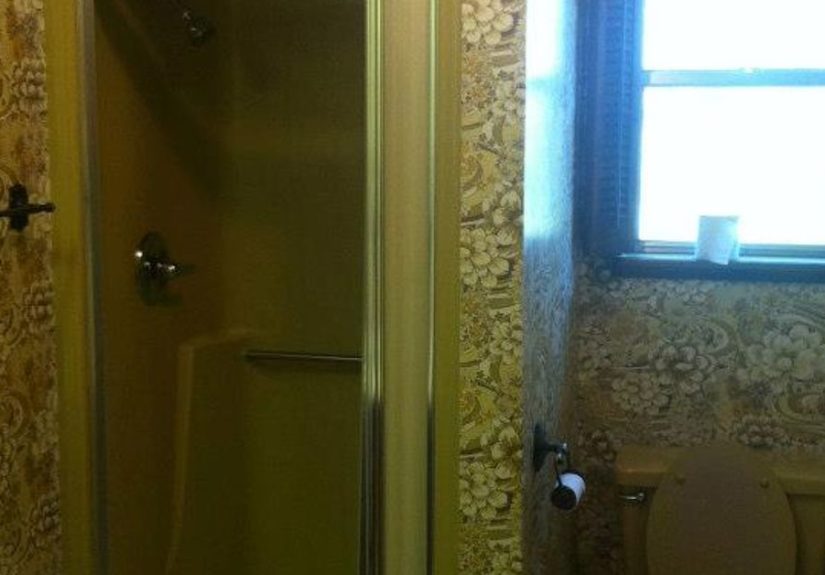
A dated bathroom often includes a few repeat offenders: honey-oak vanities, shiny brass fixtures, giant plate-glass mirrors, worn laminate counters, dingy grout, old medicine cabinets, and overhead lighting that is either too dim or way too dramatic. Add in outdated wall color, tired accessories, and a lack of storage, and the room starts giving “time capsule with plumbing.”
Why cosmetic changes matter so much
Unlike kitchens, bathrooms are compact. That means every finish carries more visual weight. A single outdated vanity can dominate the whole space. The flip side is wonderful: a few strategic updates can completely change the mood of the room. New paint, a better mirror, fresh towels, and cleaner lines can make an old bathroom feel intentional instead of inherited.
Start with a Plan, Not a Panic Purchase
Before you buy a trendy sconce or fall in love with a dramatic wallpaper sample, start with a simple bathroom audit. Ask yourself what is actually wrong with the room. Is it ugly, cluttered, poorly lit, moisture-damaged, awkwardly arranged, or all of the above? The answer matters, because style cannot fix function forever.
Make three lists
- Keep: items that still work well, such as a solid vanity box, sound tile, or a decent toilet.
- Improve: anything structurally fine but visually tired, such as cabinets, grout, caulk, or walls.
- Replace: fixtures that are broken, unsafe, inefficient, or impossible to ignore.
This approach protects your budget and keeps the project focused. If the vanity cabinet is sturdy, for example, painting it and adding new hardware may deliver the same visual impact as replacement for a fraction of the cost. If the mirror is huge but frameless, you may be able to frame it or swap it for something smaller and more stylish. If the tile is dated but clean and intact, let it stay and update everything around it. Not every old feature needs to be evicted.
The Highest-Impact DIY Updates for a Dated Bathroom
1. Paint the walls like you mean it
Fresh paint is the makeover MVP. It covers years of wear, instantly changes the tone of the room, and makes even old fixtures look more intentional. For a dated bathroom, soft whites, warm neutrals, muted greens, dusty blues, charcoal tones, and earthy shades tend to work beautifully. Light colors can make a small bath feel airy, while deeper colors can create a rich, cocooning effect that looks far more expensive than it is.
Use bathroom-appropriate paint and prep carefully. Bathrooms are humid, so this is not the moment for shortcuts. Clean the walls, patch flaws, tape thoroughly, and choose a finish that can handle moisture and regular wiping. A well-painted bathroom looks crisp. A poorly painted bathroom looks like a rushed apology.
2. Give the vanity a second life
If your vanity is solid but ugly, congratulations: you have a classic DIY opportunity. Sand, prime, and paint it in a color that adds contrast and polish. Deep green, navy, soft black, greige, and warm white are all dependable choices. Then swap the hardware. That simple one-two punch can make an old vanity look custom.
You can also upgrade the faucet if the existing one is tarnished or outdated. Matching finishes across faucet, drawer pulls, mirror frame, and lighting help the room feel cohesive. Bathrooms are small, so inconsistency reads louder. Pick a finish family and stick to it.
3. Replace the mirror and lighting
This is where many DIY makeovers suddenly start looking grown-up. A builder-grade mirror and tired vanity light can flatten the whole room. Replacing them with a framed mirror and a cleaner, better-scaled fixture instantly changes the character of the space.
Good bathroom lighting should not feel like interrogation or cave simulation. Layer it. Vanity lighting improves daily tasks, and overhead lighting supports the room overall. If you can add a dimmer, even better. It is a small upgrade with suspiciously luxurious results.
4. Refresh grout, caulk, and the “small gross things”
No glamorous bathroom makeover conversation is complete without talking about the unglamorous details. Old caulk, stained grout, and mildew buildup make a bathroom feel tired, even when the decor is lovely. Re-caulking the tub or sink and cleaning, repairing, or regrouting problem areas can make the room feel dramatically newer.
This is the part of the makeover no one brags about on social media, but it may be the most important. Clean lines signal care. Sharp white caulk around a tub says, “This bathroom has standards.” Cracked caulk says, “We have all been through a lot.”
5. Upgrade hardware, hooks, and accessories
Sometimes a bathroom feels dated because it has never been fully styled. Swapping towel bars, robe hooks, toilet paper holders, and cabinet pulls can unify the room for relatively little money. Choose pieces that match your overall style, whether that is modern farmhouse, classic traditional, warm minimalism, or vintage-inspired charm.
Then finish the room properly. Add a washable rug, nicer towels, a soap dispenser that does not scream “discount aisle,” and maybe one piece of simple art. A bathroom should not feel like a storage closet with a sink.
6. Add storage that earns its keep
A beautiful bathroom still feels dated if clutter wins. Open shelving, a slim cabinet, wall hooks, baskets, and over-toilet storage can make a huge difference in daily life. The trick is choosing storage that also looks intentional. Think wood shelves with clean brackets, woven baskets for extra paper goods, or a tray that keeps counter essentials from drifting into chaos.
In a small bathroom, vertical space is your best friend. Use the wall. Your floor has enough going on already.
Design Tricks That Make a Small Bathroom Feel Bigger
Many dated bathrooms are also small bathrooms, which means your makeover needs to work double duty. The goal is not just to modernize the space, but to make it feel brighter, calmer, and less cramped.
Use contrast wisely
Light walls and reflective surfaces help bounce light around, but do not assume every small bathroom has to be white and timid. A darker vanity can ground the room beautifully, and a moody paint color can create depth if the lighting is good. The secret is balance: pair color with mirrors, cleaner lines, and uncluttered styling.
Choose a vanity that fits the room
Oversized vanities can make a bathroom feel squished. If your current vanity is bulky, replacing it with a slimmer profile, open-base style, or furniture-inspired piece can visually free up the floor. Even if you keep the existing vanity, removing visual heaviness around it with better color and hardware can help.
Let one moment be the star
Not every element needs to shout. Choose one focal point: a painted vanity, a wallpaper accent wall, a sculptural mirror, or a bold light fixture. Too many statement pieces in a tiny bathroom make the room feel busy instead of stylish. One star is charming. Five stars are a parade.
Common DIY Bathroom Makeover Mistakes to Avoid
Ignoring ventilation
A prettier bathroom that still traps moisture is just a nicer-looking problem. If your fan is weak, noisy, or nonexistent, address ventilation. It helps protect paint, grout, trim, and your sanity.
Using the wrong materials
Bathrooms are wet spaces. That means whatever you install must tolerate humidity. Choose paint, caulk, and finishes accordingly. Be careful with trendy shortcuts that look great for six weeks and then start peeling, bubbling, or regretting their life choices.
Overdecorating the countertop
Bathrooms need room to function. A candle, a tray, and a small vase? Lovely. Eleven products, decorative beads, and a leaning frame blocking the outlet? Less lovely. Keep it edited.
Skipping prep work
Prep is the difference between “handmade” and “homemade.” Clean everything. Sand properly. Prime when needed. Measure twice. The glamorous part of DIY is always built on a mildly annoying amount of preparation.
A Simple DIY Makeover Roadmap
- Deep clean the room and remove visual clutter.
- Repair leaks, check ventilation, and deal with mildew or damaged caulk.
- Patch walls, sand problem surfaces, and prep the vanity.
- Paint walls and vanity.
- Replace mirror, light fixture, faucet, and hardware if needed.
- Refresh grout and recaulk edges.
- Add storage, art, textiles, and finishing accessories.
- Stand in the doorway and admire your own excellent judgment.
This order helps keep the project logical and reduces the chance that you will splatter fresh paint on your new mirror or buy accessories before dealing with the mildew near the tub. Beauty first is tempting. Function first is smarter.
The Real-Life Experience of a Dated Bathroom Makeover
Here is the part people do not always mention when they show the stunning before-and-after photos: living through a DIY bathroom makeover is its own tiny emotional journey. At first, there is optimism. You remove the old towel bar and think, “This is easy. I am basically a home improvement icon.” Then you notice the outline the old hardware left behind, the patchy wall texture, the mystery stain behind the vanity, and the fact that your mirror seems to have been installed by someone who believed in permanent commitment.
But that is also what makes a dated bathroom makeover so satisfying. Unlike huge renovations that drag on forever, a bathroom refresh often rewards effort quickly. The first coat of paint changes the entire mood. The new hardware goes on and suddenly the old vanity looks deliberate instead of depressing. You replace the harsh light and realize the room was not small and sad; it was just badly lit and unfairly judged.
Many homeowners discover that the most meaningful part of the makeover is not the dramatic design moment. It is the slow build of small wins. The fresh caulk line around the tub. The drawers that finally open smoothly. The shelf that holds towels instead of forcing them into a closet three rooms away. The mirror that reflects actual light instead of absorbing it like a gloomy cloud. These details change the everyday experience of the room, not just the photograph of it.
There is also a lesson in restraint. A lot of people begin a bathroom makeover convinced they need to replace everything. By the end, they often realize that a room can look completely different when the good bones are respected. Tile that once felt dated may suddenly look charming next to a deeper vanity color and modern sconces. A simple wall color can calm a room more effectively than a dozen trendy accessories. Even old features can become character once the clutter and bad lighting are gone.
Another common experience is learning where DIY is empowering and where it is humbling. Painting a vanity? Very doable. Installing shelves? Usually manageable. Replacing a faucet? Often possible with patience. Discovering a hidden plumbing issue on a Sunday afternoon? That is where confidence may quietly leave the building. A smart DIY makeover teaches you to know the difference between cosmetic courage and expensive overconfidence.
And then there is the emotional payoff. A finished bathroom makeover feels deeply personal because it improves a room you use every single day. It is not just prettier. It works better. The room feels cleaner, calmer, and more like the rest of your home. Mornings become smoother. Guests stop seeing your bathroom as “fine” and start saying things like, “Wait, you did this yourself?” which is one of the best compliments in the entire DIY universe.
Most of all, the experience reminds you that a dated space is not a lost cause. It is simply a room waiting for better choices. Better color. Better light. Better storage. Better attention. And maybe a little less beige. A DIY bathroom makeover will not make every home project easy, but it does prove something useful: style is not always about starting over. Sometimes it is about seeing what is already there, then giving it the edit it deserved all along.
Conclusion
A dated bathroom makeover does not need demolition to be dramatic. With the right DIY strategy, you can transform an old-fashioned bath into a cleaner, brighter, more functional space by focusing on the updates that matter most: paint, lighting, vanity refreshes, grout and caulk repair, smart storage, and a cohesive finish palette. The magic is not in chasing every trend. It is in making the room look intentional, feel easier to use, and finally stop apologizing for its age.
If your bathroom has good bones but tired style, take that as excellent news. You do not need a luxury budget to get a high-impact result. You need a plan, a little patience, and the willingness to spend a weekend fixing the details that have been quietly sabotaging the room for years. The outdated bathroom does not have to win. Not on your watch.