Table of Contents >> Show >> Hide
- Why a Texas Craftsman Is Worth Saving
- From Neglect to Nest: How the Transformation Usually Happens
- What Makes the Final Home Feel Cozy, Not Costume-y
- Texas Realities: Climate, Comfort, and Common Surprises
- The Emotional Payoff of a Restored Craftsman
- Why This Kind of Restoration Matters More Than Ever
- Experience the Feeling: What It Is Like to Live in an Abandoned Texas Craftsman After the Restoration
There is something almost unfairly charming about a Texas Craftsman. Even when the porch sags, the paint peels, and the front walk looks like it has given up on life, these homes still manage to whisper, “I used to be gorgeous, you know.” And the wild part is, they are often right.
An abandoned Texas Craftsman turned cozy home is not just a feel-good makeover story. It is a lesson in how smart restoration can rescue architecture, preserve neighborhood character, and create the kind of warmth that many newer houses spend a small fortune trying to imitate. You can buy brand-new trim, trendy lighting, and a suspicious number of beige throw pillows, but it is hard to fake the soul of a house built when porches were social media and built-ins were simply called “good ideas.”
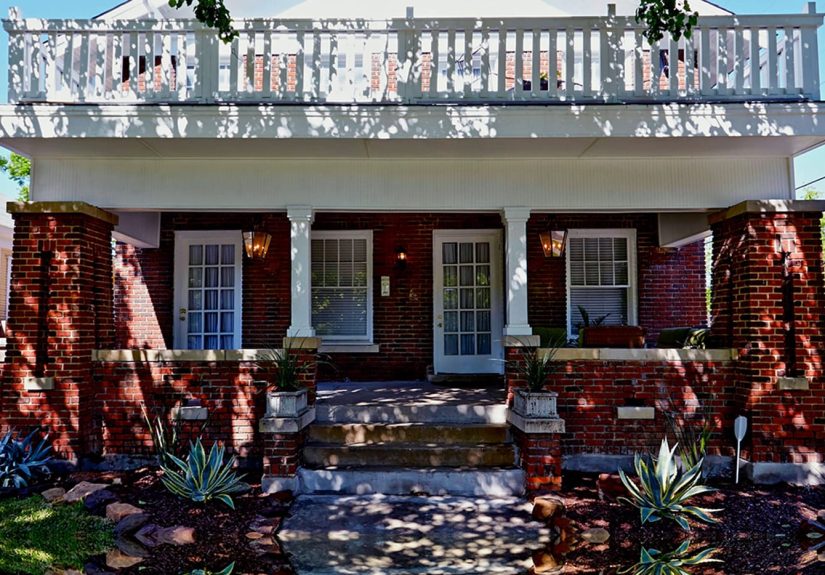
Across Texas, old Craftsman homes still stand in historic districts, small towns, and older city neighborhoods. Many were built in the early 1900s through the 1920s, when bungalow living was practical, stylish, and refreshingly unpretentious. These houses were designed to be useful, comfortable, and connected to the outdoors. They favored honest materials, visible craftsmanship, broad porches, natural wood, and floor plans that made everyday living feel easy rather than theatrical.
So when one of these homes goes abandoned and later gets revived, the transformation can feel dramatic. But the best renovations are not magic tricks. They are careful, layered, and grounded in respect for what made the house special in the first place. A truly successful restoration does not turn a Craftsman into something it was never meant to be. It simply helps the house become itself again, only with fewer raccoons and better wiring.
Why a Texas Craftsman Is Worth Saving
A Craftsman home has strong bones in more ways than one. Architecturally, the style is known for low-pitched roofs, wide eaves, exposed rafter tails, tapered columns, front porches, handcrafted woodwork, and built-in cabinetry. Inside, many have cozy but efficient layouts with living and dining spaces that feel connected without becoming one giant echo chamber. That balance is a big reason the style still feels livable today.
In Texas, the Craftsman look often takes on a regional personality. The porch gets even more important because shade is not a luxury here; it is practically a survival strategy. Windows matter because airflow matters. Materials matter because heat, humidity, storms, and time are not shy. Many Texas examples also feature local masonry, pier-and-beam foundations, practical room arrangements, and exterior details that help a modest house feel welcoming rather than plain.
Saving one of these homes is about more than aesthetics. Restoration protects original craftsmanship that is increasingly expensive to reproduce. Old-growth wood trim, built-in bookcases, solid doors, divided-light windows, and handmade details can add texture and depth that newer construction often lacks. Even better, reusing an existing home is a form of practical sustainability. Keeping a historic structure in use can reduce waste, preserve embodied materials, and keep a neighborhood from losing another piece of its identity.
From Neglect to Nest: How the Transformation Usually Happens
When people imagine restoring an abandoned house, they often picture the glamorous part first: refinished floors, creamy paint, warm brass sconces, maybe a dreamy kitchen where someone eventually makes sourdough and posts about it. But the truth is less cinematic at the beginning. The early phase is usually about triage.
Step One: Stabilize the House Before Styling It
The first job is making the structure safe and sound. That often means addressing the roof, the foundation, drainage, rotten wood, damaged siding, and old mechanical systems. In Texas, moisture and heat can do a number on neglected houses. A broad porch roof may have protected the front entry for decades, but leaking gutters, failed flashing, and deferred maintenance can quietly damage framing, flooring, and window trim over time.
With older homes, the smart move is to start with the envelope of the building: roof, walls, windows, and crawl space or attic conditions. If the house cannot keep out water and manage airflow, a beautiful interior renovation will behave like a very expensive mood board attached to a problem.
Step Two: Keep the Character-Defining Features
This is where good restoration separates itself from a bland flip. Instead of stripping away the personality, a thoughtful renovation protects the details that make a Craftsman feel like a Craftsman. Original wood windows, porch columns, exposed rafters, built-ins, fireplace surrounds, millwork, and room transitions all contribute to the house’s identity.
Windows are a perfect example. In many old-house projects, the temptation is to replace them immediately. But historic wood windows can often be repaired and upgraded with weatherstripping or storm windows rather than removed outright. The same goes for porches. A porch is not decorative fluff on a Craftsman; it is part of the architecture’s whole argument. Once you box it in, shrink it, or replace its columns with something that belongs on a suburban faux-Tuscan villa, the house starts losing its accent.
Step Three: Modernize Without Erasing the Past
Comfort matters. Nobody is required to romanticize knob-and-tube wiring or a kitchen layout designed for one determined person and half a teapot. The goal is not to preserve inconvenience. The goal is to bring the house forward while letting it keep its manners.
That usually means updating plumbing, electrical service, HVAC, insulation, and lighting while keeping original trim, doors, and room proportions whenever possible. In kitchens and baths, the best results often come from mixing old and new: inset cabinetry, simple tile, warm wood tones, practical storage, and fixtures that feel timeless rather than trendy. A restored Craftsman should feel edited, not staged. It is cozy because it is rooted, not because it has twenty-seven knit blankets.
What Makes the Final Home Feel Cozy, Not Costume-y
Here is the secret: coziness is not clutter. A restored Texas Craftsman feels cozy when the renovation respects scale, material, and light. That means preserving the visual warmth already built into the home and then layering modern comfort onto it.
Natural Materials Do the Heavy Lifting
Wood floors with visible grain, painted or stained millwork, brick or stone fireplace details, matte tile, linen curtains, and solid cabinetry all fit naturally in a Craftsman interior. These materials age gracefully and make even updated rooms feel grounded. They also echo the style’s original connection to nature and handcraft.
The Color Palette Should Exhale, Not Shout
Craftsman homes tend to look best in earthy, muted, and historically sympathetic colors. Warm whites, soft greens, clay tones, mushroom browns, deep blue-grays, and dusty ochres all play nicely with woodwork. The point is not to make the house look frozen in 1918. The point is to choose colors that support the architecture instead of starting a loud argument with it.
Built-Ins and Nooks Earn Their Keep
Many old Craftsman homes come with built-in benches, bookcases, sideboards, or window seats. When these features survive, they are gold. They add storage, function, and personality without stealing square footage. When they do not survive, it can still make sense to add cabinetry that nods to the home’s original style. Just keep it believable. A good built-in should feel like it belongs there, not like it arrived after binge-watching home renovation shows all weekend.
Texas Realities: Climate, Comfort, and Common Surprises
Restoring an old house in Texas is part preservation, part detective work, and part weather management. The climate adds extra considerations that directly shape how a former wreck becomes a truly comfortable home.
Air sealing and insulation are essential, but they should be approached thoughtfully. Older homes need to manage moisture properly, and energy upgrades work best when they are part of a whole-house plan. Sealing obvious leaks, improving attic insulation, and tuning the HVAC system can make a Craftsman dramatically more comfortable without gutting its character.
Health and safety also matter. If the home was built before 1978, lead-safe renovation practices should be part of the plan whenever paint will be disturbed. Older materials can also raise asbestos concerns, especially during demolition or major remodeling. This is not the glamorous side of restoration, but it is the side that keeps the project responsible.
Then there are the classic old-house surprises: uneven floors, hidden water damage, patched-over chimneys, mystery wiring, drafty crawl spaces, and doors that only close if you sweet-talk them. None of that means the house is a bad investment. It simply means old homes reveal themselves in layers. A realistic budget and a patient approach are often just as important as good taste.
The Emotional Payoff of a Restored Craftsman
When an abandoned Texas Craftsman is restored well, the result feels different from a standard remodel. It has memory in the walls. The front porch becomes useful again. The living room regains its center. Sunlight hits the wood floors in a way that makes people suddenly care about the exact time of day. The house begins to feel less like a rescued property and more like a place with a pulse.
That emotional payoff matters because homes are not just assets. They are settings for daily life. In a Craftsman, comfort often comes from proportions that feel human, not oversized. Rooms invite conversation. Windows frame the yard. Built-ins quietly do their job. The architecture encourages living with a little more intention and a little less performance.
And maybe that is why these transformations resonate so much. They are not about creating perfection. They are about restoring warmth, utility, and dignity. A house that once looked forgotten becomes welcoming again. A porch that collected dust starts collecting people. An old layout begins to support modern life without losing its old-fashioned grace. That is not just renovation. That is a comeback story with trim work.
Why This Kind of Restoration Matters More Than Ever
In a world full of quick flips and copy-paste interiors, a revived Craftsman offers something rarer: identity. It reflects local history, thoughtful materials, and design choices that do not need to shout for attention. These homes remind us that beauty can be practical, comfort can be architectural, and a smaller house can still feel deeply generous.
For homeowners, designers, and preservation-minded buyers, the lesson is simple. Do not underestimate the ugly-duckling phase of an old Texas bungalow. Beneath the neglect, there may be original millwork, sensible proportions, and a front porch just waiting to become the best seat in the neighborhood. Restored with care, an abandoned Texas Craftsman can become the definition of a cozy home: layered, lived-in, functional, and full of soul.
That is the magic of these houses. They do not need to be turned into mansions to matter. They just need someone to notice that under the dust, the sagging screens, and the deeply questionable wallpaper choices of renovations past, there is still a home worth bringing back to life.
Experience the Feeling: What It Is Like to Live in an Abandoned Texas Craftsman After the Restoration
Once the work is done, the experience of living in a restored Texas Craftsman is hard to explain to anyone who has only known new construction. It is not just that the home looks warm. It behaves warmly. The morning light usually arrives in layers, slipping through divided windows and landing on floors that carry a little history in every board. The rooms are rarely massive, but they tend to feel intentional. You notice where to sit, where to read, where to drop your keys, and where the house seems to invite a conversation without saying a word.
The porch becomes part of daily life in a way that surprises people. In many houses, outdoor space is something you schedule. In a Craftsman, the porch is transitional and constant. Coffee out front feels normal. Watching a summer storm roll in feels almost required. Neighbors are more likely to wave, stop, and chat because the architecture encourages that kind of connection. It is one of the quiet joys of a restored bungalow: the house does not isolate you from the street; it introduces you to it.
Inside, the coziness comes from little things that accumulate into one big feeling. The built-in bookcase keeps the room from needing extra furniture. The dining room glows at night because the trim catches the lamp light. The hallway may be narrow, but it makes the bedrooms feel tucked away and calm. Even the imperfections begin to feel less like flaws and more like fingerprints. A floor that gently slopes, an old door latch with attitude, a fireplace that anchors the room even when it is not lit; these details create a sense of place that is hard to manufacture.
There is also a practical pleasure in realizing that old-house charm and modern comfort do not have to fight each other. A restored Craftsman can have better insulation, updated HVAC, improved air sealing, and safer wiring while still keeping its original personality. That balance changes the experience of the home. You get the softness of old materials and the convenience of modern living. In plain English, you can admire the millwork without sweating through your shirt in August, which in Texas feels like a real love language.
Guests usually notice the same thing first: the house feels welcoming. Not impressive in a cold, museum-ish way. Welcoming. People tend to gather in the living room, drift toward the dining area, and end up lingering longer than they planned. That is part layout and part atmosphere. Craftsman homes often have a natural rhythm. They make everyday routines feel a bit more grounded, and special occasions feel a bit more intimate.
Most of all, living in a restored home like this creates a sense of stewardship. You become aware that you are not just occupying square footage. You are continuing a story. Someone built that porch. Someone shaped that trim. Someone planned those windows to catch light and air. Bringing the house back does not erase time; it honors it. And when an abandoned Texas Craftsman finally turns cozy again, the result is bigger than a renovation. It is relief, beauty, memory, and comfort all living under one well-earned roof.