Table of Contents >> Show >> Hide
- What Is Ablation for Liver Cancer?
- Who Is a Good Candidate for Ablation?
- Types of Ablation Used for Liver Cancer
- How the Procedure Works
- What Recovery Is Usually Like
- Risks and Possible Complications
- Success Rates: What Do They Actually Mean?
- Ablation vs. Surgery, Transplant, and Embolization
- Questions to Ask Your Care Team
- Patient and Family Experiences: What This Journey Often Feels Like
- The Bottom Line
Note: This article is for educational purposes only and is not a substitute for advice from your oncology, hepatology, or interventional radiology team.
Liver cancer treatment can sound like a menu written by people who really enjoy intimidating vocabulary. Resection. Transplant. Embolization. Ablation. But once you translate the jargon into plain English, ablation is actually a pretty straightforward idea: destroy the tumor without removing a chunk of the liver. Think precision strike, not wrecking ball.
For the right patient, ablation can be a highly effective, minimally invasive option. It is commonly used for small liver tumors, especially when surgery is not ideal because of cirrhosis, reduced liver function, other medical problems, or the tumor’s location. It can also serve as a bridge while someone waits for a liver transplant. The catch? Not every tumor is a good target, and “success” can mean several different things depending on whether you are talking about technical success, local tumor control, recurrence, or long-term survival.
This guide breaks down who may qualify for ablation, how the procedure works, what recovery is usually like, and what success rates really mean in the real world.
What Is Ablation for Liver Cancer?
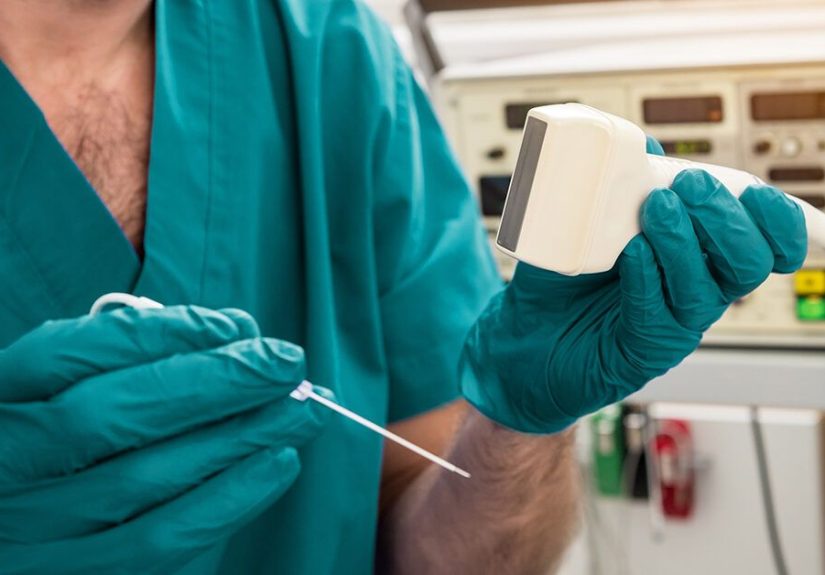
Ablation is a treatment that destroys a liver tumor in place rather than cutting it out. Doctors usually guide a needle-like probe into the tumor using imaging such as ultrasound or CT. Once the probe is in position, they destroy the cancer cells with heat, cold, alcohol, or, in newer approaches, focused sound energy.
Most conversations about liver cancer ablation focus on hepatocellular carcinoma (HCC), the most common primary liver cancer. But ablation may also be used for certain tumors that have spread to the liver from somewhere else in the body. The details depend on tumor type, size, number, location, and how well the liver is still working.
The biggest reason ablation gets so much attention is simple: it can offer tumor control with less trauma than major surgery. No giant incision. Usually a shorter recovery. Often an outpatient or short-stay experience. That said, it is not magic, and it is not automatically better than surgery or transplant. It is better to think of it as one powerful tool in a carefully chosen plan.
Who Is a Good Candidate for Ablation?
In liver cancer, size matters, location matters, and liver function definitely wants a vote.
Patients who are often considered strong candidates
Ablation is usually best for people who have a small number of small tumors. In many treatment pathways, the sweet spot is one to three tumors, often no larger than about 3 centimeters each. For very early-stage HCC, especially a solitary tumor under 2 centimeters, thermal ablation may be considered a first-line treatment. For slightly larger tumors, especially in the 3 to 5 centimeter range, doctors may pair ablation with embolization to improve the odds of complete treatment.
Good candidates may include:
- People with one small HCC who are not ideal surgery candidates
- People with cirrhosis or reduced liver reserve who need a less invasive option
- Patients with a few small tumors being kept under control while awaiting liver transplant
- People whose tumors are technically reachable with image-guided treatment
When ablation may be less suitable
Ablation becomes more complicated when tumors are larger, awkwardly shaped, or sitting in dangerous neighborhoods. If a tumor is close to a major bile duct, a large blood vessel, or the diaphragm, the risk profile changes. Heat can damage nearby structures, and blood flow through large vessels can sometimes cool the treatment zone, making thermal ablation less effective. This is one reason why larger tumors and tricky locations have higher recurrence risks.
Ablation may also be less ideal when:
- There are too many tumors
- The tumors are too large for reliable local control
- There is major vascular invasion or disease outside the liver
- The liver function is too poor to safely tolerate tissue destruction
- The tumor can be removed surgically with a better long-term outcome
Example: a person with a single 1.8 cm HCC and cirrhosis may be an excellent ablation candidate. A person with a 4.5 cm tumor hugging a major vessel may need a different plan, such as surgery, transplant evaluation, radiation, embolization, or a combination approach.
Types of Ablation Used for Liver Cancer
Radiofrequency Ablation (RFA)
RFA uses high-energy radio waves to generate heat inside the tumor. It has been a workhorse treatment for small HCCs for years and remains one of the most established methods. RFA is often effective for smaller lesions, but its performance can be limited near large blood vessels because flowing blood can carry heat away from the target area. Doctors call this the “heat sink” effect, which sounds like a plumbing issue but is unfortunately very real.
Microwave Ablation (MWA)
MWA also kills tumors with heat, but it uses microwave energy rather than radiofrequency current. Many specialists like microwave ablation because it can create a larger and faster ablation zone and may be less affected by nearby blood flow than RFA. That is one reason MWA is increasingly common in major cancer centers.
Cryoablation
Cryoablation freezes the tumor instead of heating it. It is used less often than RFA or MWA for liver tumors, but it can still be valuable in selected cases. Some teams prefer it when they want to better visualize the “ice ball” around the treatment zone during imaging.
Percutaneous Ethanol Injection (PEI)
PEI involves injecting concentrated alcohol directly into the tumor. It is older, simpler, and less commonly used now than thermal techniques, but it still has a role in some hard-to-access lesions or situations where heating is not ideal.
Histotripsy
Histotripsy is the new kid with impressive science fair energy. Instead of using heat or cold, it uses focused ultrasound to mechanically disrupt tumor tissue. The FDA authorized marketing of a histotripsy system for liver tumors in 2023, making it one of the most closely watched emerging options in interventional oncology. It is especially interesting because it is non-thermal and noninvasive, though availability is still limited and long-term data are still growing.
How the Procedure Works
Although the details vary, ablation usually follows a similar rhythm:
- Planning: Your team reviews scans, blood work, liver function, and the exact tumor map.
- Anesthesia or sedation: Many patients receive sedation or general anesthesia so they stay comfortable and still.
- Image guidance: The doctor uses ultrasound, CT, or sometimes MRI to guide the probe into the tumor.
- Tumor destruction: Heat, cold, alcohol, or focused ultrasound is delivered to destroy the cancer and a small margin around it.
- Post-procedure imaging and observation: The team checks for bleeding, pain, or other immediate complications.
- Follow-up scans: Imaging in the following weeks helps determine whether the tumor was completely treated.
Some ablations are done through the skin by an interventional radiologist. Others are done laparoscopically or in the operating room, especially when access is difficult or ablation is being combined with another procedure.
What Recovery Is Usually Like
One major advantage of ablation is recovery time. Many people go home the same day or after a short observation stay. Compared with open liver surgery, that is a much lighter lift.
Common short-term effects may include:
- Soreness where the probe was placed
- Fatigue for a few days
- Mild fever or flu-like symptoms
- Nausea or decreased appetite
- Temporary lab changes related to liver irritation
Most people are back to light daily activities relatively quickly, though recovery is never identical from person to person. A patient with stable liver function and one tiny tumor may bounce back fast. Someone with advanced cirrhosis may need a much more cautious recovery plan.
Risks and Possible Complications
Ablation is less invasive than major liver surgery, but it is still a real medical procedure, not a spa appointment with a very aggressive vibe.
Potential complications include:
- Bleeding
- Infection
- Damage to nearby bile ducts, bowel, diaphragm, or blood vessels
- Fluid collection or liver abscess
- Incomplete tumor destruction
- Local tumor recurrence or new tumors elsewhere in the liver
The risk profile depends heavily on where the tumor sits and how diseased the liver already is. In experienced hands, ablation is generally well tolerated, but experience matters. This is one of those times when “high-volume center” is not just a brochure phrase.
Success Rates: What Do They Actually Mean?
This is where things get interesting, because “success” can mean at least four different things:
- Technical success: the probe was placed correctly and the planned ablation zone was created
- Complete response: follow-up imaging shows no viable tumor in the treated spot
- Local control: the treated tumor stays dead over time
- Long-term outcomes: recurrence-free survival and overall survival
For small, carefully selected tumors, ablation can perform very well. In clinical practice and published literature, technical success is often high for small lesions, and some centers report rates above 90% or even above 95% for selected microwave ablation cases. Early histotripsy studies have also reported high technical success, though long-term data are still maturing.
But here is the fine print that matters: excellent short-term tumor kill does not erase recurrence risk. Liver cancer often develops in a liver that is already damaged by cirrhosis, hepatitis, fatty liver disease, or other chronic injury. So even if the treated tumor is fully destroyed, new tumors can still appear elsewhere in the liver later on.
In general, outcomes are best when:
- The tumor is smaller than 3 cm
- There are only one to three tumors
- The lesion is not near large vessels or bile ducts
- The patient has enough liver reserve
- The procedure is done at an experienced center
Outcomes tend to be worse when tumors are larger than 3 cm, irregularly shaped, or placed in locations that prevent a generous treatment margin. Some studies and reviews have suggested that long-term survival after radiofrequency ablation in selected patients can be meaningful, with 5-year survival often falling into moderate-to-strong ranges, but surgery and transplant still generally offer the best curative outcomes when they are feasible.
So if you ask, “What is the success rate?” the most honest answer is: it depends on what kind of success you mean. A tiny solitary HCC in a patient with limited surgical options may be an ablation home run. A larger tumor near a major vessel is a much tougher game.
Ablation vs. Surgery, Transplant, and Embolization
Ablation vs. surgery
Surgery usually offers the strongest curative potential when the tumor can be safely removed and the liver is healthy enough to tolerate resection. But not everyone can have surgery. Ablation shines when surgery is too risky, too invasive, or not technically practical.
Ablation vs. transplant
Transplant can be the ultimate reset button because it removes both the tumor and the diseased liver that helped create it. For eligible patients, transplant may provide the best protection against future tumors. Ablation is often used as a bridge to keep cancer under control while waiting.
Ablation vs. embolization
Embolization works through the liver’s blood supply, while ablation directly destroys the tumor. When tumors are too large for ablation alone, doctors may combine embolization and ablation to improve local control. That combo can be especially useful in the “not tiny, not gigantic, but definitely annoying” tumor range.
Questions to Ask Your Care Team
- Am I a candidate for ablation, and if so, which type?
- Is the goal cure, local control, or bridging to transplant?
- How many liver tumors do I have, and what sizes are they?
- Is the tumor close to a vessel, bile duct, or other risky structure?
- Would surgery, transplant, radiation, or embolization offer a better long-term result?
- How often do you perform this exact procedure?
- What follow-up scans will I need, and when?
- What are the odds I will need another treatment later?
Patient and Family Experiences: What This Journey Often Feels Like
When people talk about liver cancer ablation afterward, their stories usually do not begin with the probe, the heat, or the imaging guidance. They begin with the shock of hearing the word “cancer,” followed immediately by a second surprise: “Wait, you can treat it without major surgery?” For many patients, ablation feels like a strange combination of terrifying and oddly manageable. Terrifying because, well, it is cancer. Manageable because the procedure itself is often much less dramatic than they feared.
A common experience is emotional whiplash. Patients go from dreading a giant operation to learning that treatment may involve a needle-sized entry point, a short hospital stay, and a quicker recovery than expected. That does not mean the experience is easy. It just means the physical recovery may be faster than the emotional one.
Many patients describe the week before ablation as the most stressful part. They worry whether the tumor is in the right spot, whether their liver function is strong enough, whether follow-up imaging will show a complete response, and whether “minimally invasive” secretly means “surprise, this still hurts a lot.” In reality, many people report that the anticipation is worse than the procedure day itself.
On procedure day, families often spend a lot of time waiting while the clinical team works with quiet, careful precision. Patients may remember being wheeled into a bright procedure suite, talking briefly with anesthesia staff, and then waking up groggy but relieved that the hardest part is over. Some feel sore, some feel tired, and some feel surprisingly normal by the next day. The range is wide.
Another common theme is that the first follow-up scan can feel like the world’s most stressful report card. Even patients who recover well physically may be intensely anxious until imaging confirms that the treated lesion is no longer viable. That “scanxiety” is real. Families often say the treatment itself was easier than the waiting afterward.
Caregivers have their own version of the experience. They may look at a loved one who appears outwardly fine after ablation and assume the emotional storm has passed. Usually, it has not. Many patients feel grateful, cautious, hopeful, and nervous all at once. They are relieved that treatment was less invasive than expected, but they also understand that liver cancer follow-up is a marathon, not a one-time victory lap.
There is also a practical side that people appreciate more than they expected. Less time in the hospital can mean less disruption at home, fewer missed workdays, and an easier path back to routine. That matters. Cancer care is not only about tumor control. It is also about whether someone can sleep in their own bed, eat a decent breakfast, and feel like a person instead of a full-time medical project.
Perhaps the most consistent experience of all is this: people like having a treatment plan that feels tailored. Patients tend to feel more confident when their doctor explains why ablation fits their particular case instead of just reciting options like a robot reading from a menu. A personalized explanation builds trust. And in cancer care, trust is not a bonus feature. It is part of the treatment.
The Bottom Line
Ablation for liver cancer can be an excellent option for the right patient, especially when tumors are few, small, and technically reachable. It is less invasive than major surgery, often has a faster recovery, and can play several roles: definitive treatment, bridge to transplant, or part of a broader multimodal strategy.
Its biggest strengths are precision and convenience. Its biggest limitations are tumor size, tumor location, underlying liver disease, and the persistent risk of recurrence. For small tumors in carefully selected patients, outcomes can be very good. But the best treatment is never decided by one scan or one statistic alone. It comes from matching the tumor, the liver, and the person to the right strategy.
If you or someone you love is considering ablation, the smartest next step is not guessing from the internet at 1:00 a.m. with ten browser tabs open and rising blood pressure. It is asking a liver cancer team how ablation fits into your specific case, what kind of success they expect, and what plan they have if the first treatment is not the last.