Table of Contents >> Show >> Hide
- Who Is Joseph Dirand?
- Why Paris Matters in Joseph Dirand’s Work
- A Paris Tour Through Joseph Dirand’s Signature Projects
- What Makes Dirand’s Paris Style So Influential?
- Lessons Homeowners and Designers Can Take From Joseph Dirand
- The Experience of Visiting Joseph Dirand’s Paris, Extended Reflection
- Conclusion
Paris has never exactly struggled with good looks. The city is basically what happens when architecture, cinema, and very expensive butter decide to collaborate. But even in a place overflowing with visual drama, Joseph Dirand stands out. His interiors do not shout for attention. They do something far more dangerous: they make you stare longer. A doorway becomes an event. A slab of marble becomes a plot twist. A room whispers, and suddenly every other room feels like it is trying too hard.
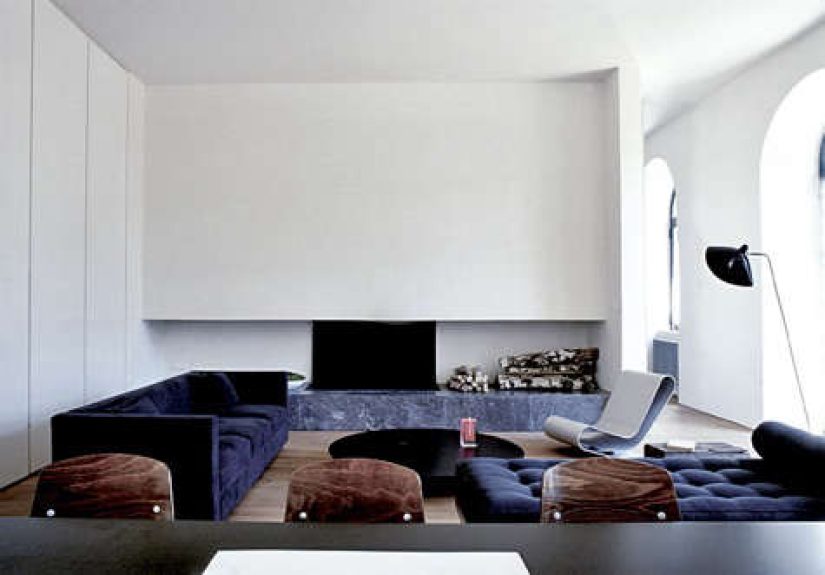
To visit Joseph Dirand in Paris, whether literally through his projects or imaginatively through the worlds he builds, is to enter a version of French design that feels disciplined, seductive, and highly edited. Dirand’s work is often described as minimalist, but that word can undersell the richness of what he does. These spaces are not bare. They are precise. They are classical without feeling dusty, luxurious without turning vulgar, and modern without acting like history never happened.
This is what makes a Joseph Dirand interior so memorable: it balances restraint with atmosphere. It gives you clean lines, yes, but also mood. It offers symmetry, but with enough softness to keep the room from feeling like it might judge your posture. In Paris, the city that helped shape his eye, that balance becomes especially clear.
Who Is Joseph Dirand?
Joseph Dirand is a French architect and interior designer whose name has become almost shorthand for a certain kind of contemporary Parisian elegance. Raised in a creative family and trained in architecture in Paris, he built early recognition through retail interiors before expanding into hospitality, residential design, and collectible furniture. Over time, his signature language became instantly recognizable: monumental stone, disciplined geometry, carefully calibrated light, and a sensual respect for material.
His approach is often associated with what he has called “ornamental minimalism,” a phrase that sounds like an oxymoron until you see the work. The minimalism comes from the clarity of the composition. The ornament comes from the richness of texture, proportion, and detail. Dirand does not decorate a room by tossing objects into it until it gives up. He composes it. Every threshold, finish, and line break feels considered.
That precision likely explains why he has moved so comfortably between private apartments, fashion boutiques, and restaurants. He understands brand, but he also understands memory. A good Dirand room does not just look polished in photographs. It creates a feeling that lingers after you leave.
Why Paris Matters in Joseph Dirand’s Work
Some designers can drop the same aesthetic into any city and call it universal. Dirand is more interesting than that. His best Paris projects feel deeply connected to the capital’s architecture, decorative history, and social rituals. He draws from Haussmann-era grandeur, Art Deco glamour, museum culture, café tradition, and the city’s talent for making even lunch seem slightly theatrical.
Yet he does not recreate the past in a nostalgic way. He extracts its discipline. Paris, in Dirand’s hands, is not a costume drama. It is a framework. Historic shell, modern intervention. Grandeur, minus the fuss. Craft, minus the clutter. The result is a distinctly Parisian design sensibility that feels both rooted and refreshed.
Material as Architecture
Dirand’s Paris interiors are famous for their use of stone, marble, plaster, oak, bronze, and reflective surfaces. But these materials are not there just to signal luxury. They do structural work in the visual composition. A marble island becomes an anchor. Limestone arches turn circulation into choreography. Bronze details introduce warmth where a room might otherwise risk feeling too cool.
He has a gift for making heavy materials feel graceful. Marble in lesser hands can become a visual flex. In Dirand’s work, it often feels almost serene. The veining becomes movement. The mass becomes calm. That is no small feat, considering marble has the subtlety of a movie star entering late.
Light, Shadow, and the Art of Editing
Another key to Dirand’s Paris style is how he uses light. He understands that a pale room is not automatically luminous, and a dark detail is not automatically dramatic. His spaces rely on contrast: matte against polished, pale stone against smoked metal, soft daylight against reflective surfaces. This is where the cinematic quality of his interiors emerges. They feel framed, not furnished.
He is also ruthless in editing. Rooms are rarely crowded. Decorative noise is kept low so architecture can do the talking. The effect is elegant, but also practical for the way many people actually experience beauty today: moving through spaces, pausing for details, noticing how materials shift over the course of a day.
A Paris Tour Through Joseph Dirand’s Signature Projects
If you want to understand Dirand’s relationship with Paris, start with the variety of settings he has shaped. Together, they show how consistent his design principles are, even when the function changes.
The Paris Apartment: Monumental, Intimate, and Surprisingly Livable
Dirand’s own Paris apartment may be one of the clearest windows into his design philosophy. It is serene and sculptural, with natural stone, soft neutrals, custom furnishings, and a classical sense of order. Yet it is not a museum piece. It was created for family life, not just admiring gasps.
That tension between grandeur and livability is one of Dirand’s greatest strengths. He can create a room with serious visual authority and still make it function for everyday routines. A kitchen can look monumental without becoming hostile to breakfast. A living room can feel composed without making guests terrified to set down a glass of water.
His home also shows how deeply he values atmosphere over trend. There is no rush to prove that the space belongs to a particular year. Instead, the apartment feels timeless because it is built on proportion, not gimmick. That is harder, of course. Anyone can buy a trendy lamp. Not everyone can make a room feel inevitable.
Loulou: Parisian Chic With a Warm Pulse
At Loulou, located in the Palais Royal area, Dirand demonstrates that sophistication does not have to be stiff. The restaurant has the kind of setting that could easily tip into overdone glamour. Instead, it feels warm, textured, and effortlessly social. Decorative panels, soft finishes, and a balanced palette help the room feel historic without becoming heavy.
This is Dirand at his most socially intelligent. Restaurants in Paris are never just about food. They are also about atmosphere, performance, and the elegant choreography of being seen. Loulou understands that. It gives diners beauty, but it also gives them ease. The room flatters people without trying too obviously to seduce them. Which, frankly, is a very Parisian skill.
Girafe: Theatrical Without Losing Its Cool
Another standout Paris project is Girafe, where Dirand channels the spirit of grand café culture with a more refined, contemporary touch. The interiors lean into creamy tones, natural materials, and sculptural gestures, while the famous terrace frames one of the city’s most cinematic views. It is a restaurant that understands how much Paris loves a backdrop.
What makes Girafe compelling is that it does not rely on spectacle alone. Yes, the setting is dramatic. Yes, people absolutely notice the view. But the interior has enough compositional discipline to hold its own. The marble bar, the warm neutral palette, the controlled symmetry, and the tailored details all reflect Dirand’s ability to create rooms that feel both glamorous and grounded.
Retail Interiors: Fashion, But Smarter
Dirand’s retail work in Paris, including fashion spaces, reveals another side of his talent. In these projects, he translates brand identity into architecture rather than mere decoration. That means the store does not feel like a themed set. It feels like a physical extension of the label’s values.
His boutique interiors often rely on calm backdrops, strong material choices, and a sense of procession. Merchandise becomes part of the composition rather than cluttering it. This is particularly effective in luxury retail, where confidence matters more than noise. Dirand seems to understand that true luxury does not scream from the fitting room mirror. It nods quietly and lets the stone do the work.
What Makes Dirand’s Paris Style So Influential?
Joseph Dirand’s influence stretches well beyond his built projects because he offers a persuasive answer to a common design problem: how do you make a room feel contemporary without stripping it of soul? His solution is neither maximalist nostalgia nor cold minimalism. It is controlled sensuality.
Designers and homeowners alike respond to this balance. You can see echoes of Dirand’s language in the popularity of veined stone, plaster finishes, quieter palettes, sculptural furniture, and old-world architectural references softened by modern editing. But copying his ingredients is not the same as understanding the recipe. Dirand’s real gift lies in proportion, pacing, and discipline.
He knows when to let a wall breathe. He knows that one dramatic curve can do more than six decorative objects. He knows that emptiness, when properly framed, is not absence. It is emphasis.
Lessons Homeowners and Designers Can Take From Joseph Dirand
1. Let Architecture Lead
Before buying accessories, think about the bones of the room. Dirand’s best interiors work because the architecture carries the experience. Arches, openings, millwork, and surface transitions matter.
2. Use Luxurious Materials With Restraint
Marble, limestone, bronze, and oak feel more powerful when they are not competing with twenty other statements. One strong material move usually beats a whole mood board in panic mode.
3. Embrace Neutral Colors Without Making the Room Flat
Neutral does not mean boring. Dirand gets depth from texture, sheen, silhouette, and shadow. A room can stay quiet and still feel layered.
4. Edit Harder Than You Think You Should
One reason Dirand’s spaces feel luxurious is that nothing seems accidental. If a room feels crowded, it probably is. Remove pieces until the architecture can breathe again.
5. Build Atmosphere, Not Just Style
The goal is not to create a room that looks expensive in one photograph. The goal is to create a space that feels composed from morning coffee to midnight conversation. That is the deeper lesson of Joseph Dirand in Paris.
The Experience of Visiting Joseph Dirand’s Paris, Extended Reflection
To experience Joseph Dirand’s Paris, even for a day, is to notice how much modern luxury depends on rhythm rather than excess. You begin with the city outside: gray façades, iron balconies, carved stone, the familiar choreography of doors, courtyards, cafés, and museum steps. Then you enter one of Dirand’s worlds, and the noise seems to slow. Not disappear, exactly. Paris is not built for silence. But it becomes edited, framed, almost tuned.
What strikes you first is scale. Dirand understands when a room should feel tall, grounded, or compressed for intimacy. He lets architecture create anticipation. A corridor does not merely connect one zone to another; it prepares you. A doorway does not just open; it reveals. That sense of sequence gives his interiors an emotional arc. You do not simply look at them. You move through them and discover them in stages.
Then there is the material experience, which is far more powerful in person than in photographs. Stone does not read as cold when the proportions are right and the light is soft. Bronze details catch the eye at exactly the right moment. Wood introduces quiet warmth. Upholstery, when it appears, feels deliberate and almost ceremonial. You begin to understand that Dirand’s interiors are less about minimalism as a visual trend and more about concentration. Nothing distracts from the sensation of being in the room.
A visit through his Paris projects also changes the way you think about luxury hospitality and public space. In many restaurants, design is eager for approval. Every surface seems to say, “Please notice me, I was expensive.” Dirand’s best spaces are more self-possessed. They assume your attention rather than begging for it. You feel this especially in dining rooms, where the seating, lighting, and palette support conversation rather than overpower it. The room has identity, but you are still allowed to exist inside it. That may sound basic, but it is surprisingly rare.
There is also something distinctly Parisian in the emotional temperature of his work. It is elegant, yes, but never sugary. Refined, but never flimsy. Dirand avoids both sterile international minimalism and over-romantic French cliché. He gives you classicism without museum dust, sensuality without clutter, and history without theatrical fake-aging tricks. In a city that can easily slide into self-imitation, that clarity feels refreshing.
Perhaps the most lasting impression, though, is how his spaces encourage attention. You notice the curve of a chair back, the thickness of a stone edge, the hush created by a pale wall, the way light lands on polished and matte surfaces differently. The visit becomes an education in visual patience. Instead of providing instant impact and then fading, the room keeps revealing itself. It grows better the longer you stay, which is more than can be said for many fashionable interiors and at least a few fashionable people.
By the end of the experience, Joseph Dirand’s Paris feels less like a style and more like a discipline. It is about knowing what to keep, what to remove, and what to honor. It is about treating architecture as a form of atmosphere. And it is about proving that restraint, when handled by a master, can feel every bit as luxurious as extravagance. Maybe more so. After all, anyone can add. Very few know how to subtract beautifully.
Conclusion
Joseph Dirand’s Paris is not built on decoration for decoration’s sake. It is built on composition, material intelligence, and a rare ability to make spaces feel both monumental and human. From his own apartment to restaurants and boutiques that have become part of the city’s design conversation, his work shows how contemporary interiors can remain deeply connected to history, craft, and daily life.
For readers searching for inspiration, the lesson is clear: great design is not about filling a room with luxury signals. It is about shaping an environment with enough discipline that beauty feels inevitable. That is Joseph Dirand’s magic trick in Paris. He makes restraint look rich, classicism feel current, and silence seem like the most stylish move in the room.