Table of Contents >> Show >> Hide
- Why Animal Comics Feel So Instantly Relatable
- The Real Animal Behaviors Behind the Cuteness
- What Makes Kesanitw’s Cute Animal Comics Stand Out
- The Secret Ingredient: Animals as Mirrors
- Why “Cute” Is Smarter Than It Looks
- How the 26 New Comics Capture Everyday Animal Life
- What Artists Can Learn From These Animal Illustrations
- Why Readers Love Wholesome Animal Comics Online
- Experiences Related to Animal Life Comics and Their Everyday Magic
- Conclusion
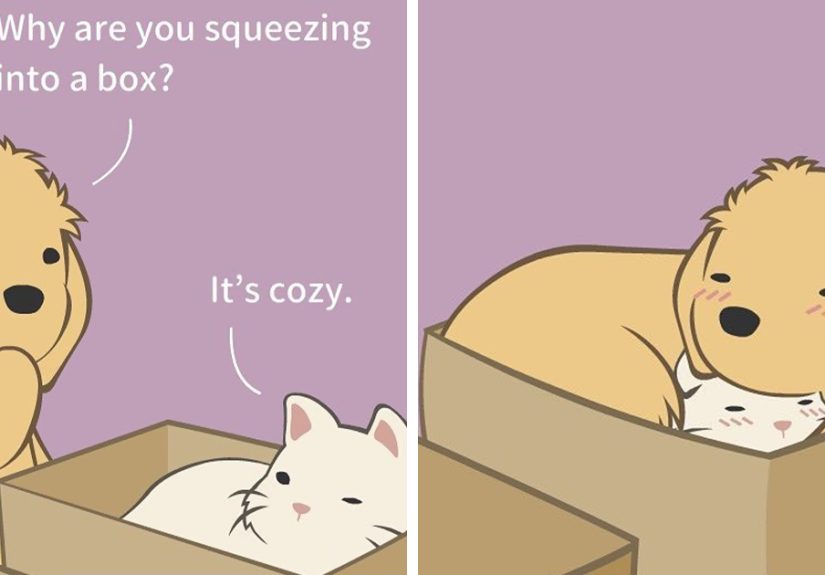
There is a special kind of joy in seeing a tiny animal drawn with the emotional intensity of a Shakespearean actor and the snack priorities of a toddler. That is the charm behind animal comics: they take the little mysteries of pets, wildlife, and imaginary creatures, then translate them into expressions we instantly understand. A cat sitting in a cardboard box becomes a philosopher of personal space. A dog waiting by the door becomes a fuzzy poet of loyalty. A guinea pig staring into the distance may, in comic logic, be contemplating the meaning of lettuce.
The series commonly associated with Taiwanese artist Pin-Tsung Lin, known online as Kesanitw, captures exactly that feeling. These cute animal comics do not simply make animals look adorable; they imagine what these little beings might be thinking when they nap, beg, blush, explore, panic, or proudly behave like tiny household royalty. The result is sweet, funny, and surprisingly observant.
At first glance, the appeal seems simple: round faces, gentle expressions, soft humor, and animals behaving like miniature people. But look closer and the comics work because they are built on recognizable truths. Dogs really do communicate with body language. Cats really do use vocalizations and tail movements to signal mood. Small mammals really do need enrichment, safety, and routine. Wildlife really does play, bond, explore, and solve problems. The artist turns those real behaviors into tender, human-like moments without losing the natural charm that makes animals so fascinating in the first place.
Why Animal Comics Feel So Instantly Relatable
Animal life comics succeed because they let us laugh at ourselves without putting humans directly on the page. A grumpy cat can represent our Monday mood. A clingy puppy can represent our need for reassurance. A bear holding a tiny object with enormous seriousness can represent every person who has ever carried one iced coffee like it was a sacred artifact.
This technique is called anthropomorphism: giving human traits, emotions, or motivations to nonhuman characters. In art and storytelling, it has been used for centuries because it creates an emotional shortcut. We do not need a long explanation to understand a cartoon rabbit with wide eyes and a trembling teacup. We know the rabbit is stressed. We have been that rabbit. Possibly during tax season.
Kesanitw’s animal illustrations lean into this universal language. The characters may be dogs, cats, seals, whales, bears, mice, guinea pigs, dolphins, or even dragons, but the emotions are familiar: excitement, shyness, loneliness, affection, confusion, jealousy, and the dramatic disappointment of not receiving a snack.
The Real Animal Behaviors Behind the Cuteness
The funniest animal comics often begin with a real observation. A pet owner notices a dog pawing at their leg, a cat rejecting an expensive bed for a box, or a small animal freezing in place like it just remembered an embarrassing moment from 2018. The artist then exaggerates the scene just enough to make it feel like a tiny illustrated confession.
Dogs: Masters of the Big Emotional Gesture
Dogs are perfect comic characters because they are expressive in ways humans can easily notice. A wagging tail, relaxed body, play bow, head tilt, or full-body wiggle can turn into a complete storyline. In real life, dog body language is more complex than many people assume. A wagging tail does not always mean “I am happy and available for hugs.” It can signal excitement, uncertainty, tension, or social interest depending on the rest of the body.
That complexity gives artists wonderful material. A comic dog can be overjoyed, nervous, proud, dramatic, or deeply offended by an empty food bowl. When a dog in a panel blushes, hides, or tries to comfort another character, the humor works because many dog owners already recognize dogs as emotional communicators. They may not speak English, but they have perfected the ancient language of staring at you while you eat toast.
Cats: Tiny Roommates With Royal Energy
Cats bring a different flavor to cute animal comics. They are elegant, strange, affectionate on their own schedule, and sometimes committed to decisions that make no financial sense. Buy a plush cat bed and the cat sleeps in the shipping box. Set up a sunny window perch and the cat chooses your keyboard. Offer a toy and the cat studies the ceiling as if receiving messages from another dimension.
Still, many “mysterious” cat behaviors have practical roots. Cats use ears, tails, posture, pupils, whiskers, and vocalizations to communicate. A relaxed cat may stretch, blink slowly, or approach with confidence. A stressed cat may flatten its ears, swish its tail sharply, puff up, crouch, or retreat. A comic artist can turn those signals into funny scenes while still honoring the truth that cats are not random chaos machines. They are highly sensitive creatures with very firm opinions about boxes.
Small Animals: Big Feelings in Tiny Bodies
Guinea pigs, rabbits, mice, hamsters, and other small animals often appear in comics as adorable side characters, but they are more than background cuteness. Their real-life behavior is full of social cues, cautious exploration, food motivation, and bursts of surprising personality. Anyone who has watched a guinea pig celebrate vegetables understands that joy can be measured in squeaks.
In illustrated animal life, small creatures work especially well because scale creates comedy. A tiny mouse facing a huge emotional dilemma feels instantly funny. A guinea pig drawn like a serious adventurer makes even a snack quest feel heroic. The smaller the character, the more dramatic the emotional stakes become. One crumb can become treasure. One blanket fold can become a mountain range. One cucumber slice can become destiny.
What Makes Kesanitw’s Cute Animal Comics Stand Out
The strongest feature of these comics is their gentleness. They are not trying to shock the reader or build elaborate punchlines. Instead, they create small moments of recognition. A character wants comfort. Another wants attention. A pet misunderstands a situation in the most lovable way possible. The comedy is soft, not loud.
This matters because wholesome comics have become a comforting corner of the internet. In a digital world that often feels noisy, tense, and aggressively opinionated, a sweet comic about a shy dog or a dreamy whale can feel like opening a window. It gives readers a quick emotional reset. The joke lands, the heart warms, and nobody needs to argue in the comments about whether a seal can technically hold a teacup.
The artwork also benefits from clear visual storytelling. Good comics do not need heavy narration. A tilt of the head, a tiny blush, a dramatic pause, or a simple change in posture can carry the scene. That is why animal comics are so shareable: they cross language barriers. Even if the words are minimal, the emotions are visible.
The Secret Ingredient: Animals as Mirrors
Animal comics are rarely just about animals. They are about people, too. When we laugh at a cat refusing help, we might be laughing at our own stubborn independence. When we smile at a dog wanting reassurance, we might recognize our own need to feel loved. When a tiny creature acts brave in a big world, we understand that feeling immediately.
This is why animal characters are so powerful in visual storytelling. They create emotional distance while still feeling personal. A human character crying over a small problem might feel too direct. A tiny cartoon bear experiencing the same thing can feel funny, safe, and oddly profound. The animal softens the emotion so the reader can approach it without defensiveness.
That emotional mirror is especially effective in cute comics. The cuteness invites the reader in; the truth keeps them there. A round-faced puppy may attract attention, but the recognizable feeling is what makes people save, share, and revisit the comic later.
Why “Cute” Is Smarter Than It Looks
Cuteness is sometimes dismissed as lightweight, but effective cute art requires precision. The artist has to balance simplicity with expression. Too much detail can make a character stiff. Too little emotion can make the scene forgettable. The best cute animal illustrations use carefully chosen features: soft shapes, expressive eyes, readable posture, and clean compositions.
There is also psychology behind why cute animals grab attention. Baby-like features such as big eyes, rounded heads, and small noses often trigger protective or affectionate responses in humans. Artists use those visual cues to build instant connection. Then they add humor, personality, and timing to turn the image into a story.
In Kesanitw’s work, the animals are not merely decorative. They have moods and little inner worlds. A dog can be bashful. A cat can be smug. A dragon can be cute instead of terrifying, which is frankly great public relations for dragons. The characters become memorable because their personalities are readable within seconds.
How the 26 New Comics Capture Everyday Animal Life
The phrase “animal life” may sound broad, but in these comics it often means the tiny daily moments that animal lovers notice: pets wanting attention, animals misunderstanding human habits, unlikely friendships, dramatic snack reactions, cozy naps, awkward affection, and the eternal mystery of why a creature with a whole room available must sit directly on the thing you are using.
These 26 new comics fit into a tradition of wholesome animal storytelling where the punchline is not always a joke. Sometimes the “punchline” is tenderness. Sometimes it is the realization that a pet’s odd behavior may be a form of communication. Sometimes it is simply the joy of seeing a seal, whale, cat, dog, or tiny mouse drawn with the emotional seriousness of someone sending a risky text message.
The variety of animals also keeps the series fresh. Cats and dogs bring familiar domestic humor. Guinea pigs and mice add miniature charm. Bears and marine animals bring fantasy and scale. Dragons introduce a playful mythical twist, proving that even imaginary creatures can look like they need a nap and a snack.
What Artists Can Learn From These Animal Illustrations
For illustrators, animal comics offer a masterclass in observation. The best ideas often come from watching real behavior carefully. How does a dog ask for something? How does a cat show annoyance? How does a small animal react to a new object? What does excitement look like before it becomes obvious?
Once the observation is clear, the artist can exaggerate it. A dog’s pawing becomes a formal request. A cat’s box obsession becomes a lifestyle philosophy. A guinea pig’s snack enthusiasm becomes a grand celebration. The key is not to invent randomly, but to stretch reality until it becomes funny.
Writers can learn from this too. Each comic needs a simple emotional premise. The setup should be clear, the character motivation should be readable, and the ending should deliver either humor, warmth, or surprise. In short-form comics, clarity is everything. A confused reader does not laugh; they zoom in, squint, and quietly leave.
Why Readers Love Wholesome Animal Comics Online
Wholesome animal comics are built for modern reading habits. They are quick to understand, easy to share, and emotionally rewarding. A reader can enjoy one during a lunch break, between homework assignments, or while pretending not to scroll in bed at 12:07 a.m. with one eye open.
They also create community. People tag friends because a comic reminds them of a pet. They comment because they recognize the behavior. They share stories about their own animals, turning one illustration into a small gathering of pet memories. In that sense, cute animal comics do more than entertain. They invite people to connect through affection, humor, and the shared belief that animals are tiny comedians with fur, feathers, fins, or suspiciously shiny dragon scales.
Experiences Related to Animal Life Comics and Their Everyday Magic
Anyone who has lived with animals knows that reality often writes better jokes than a professional comedy room. A dog can spend five minutes barking at a suspicious laundry basket, then proudly return to the couch like a national security threat has been handled. A cat can knock a pen off a desk with the cold focus of a scientist testing gravity for the 400th time. A hamster can run on a wheel with the intensity of an athlete training for a championship no one else knows exists.
That is why comics about animal life feel so personal. They capture moments pet owners experience but rarely know how to explain. For example, many people know the strange honor of being chosen as a pet’s favorite chair. You may have deadlines, messages, and basic circulation needs, but the animal has decided your lap is now infrastructure. Moving would be rude. Possibly illegal.
Another familiar experience is the dramatic food performance. Dogs may act as though they have never eaten before, despite a well-documented breakfast. Cats may sniff a meal with theatrical suspicion, as if you have served them a legal document instead of dinner. Guinea pigs may celebrate vegetables with sounds so enthusiastic that the refrigerator begins to feel like a concert venue. These moments are funny because they reveal how expressive animals can be, even without words.
Animal comics also remind us to pay closer attention. A pet’s behavior is not always a joke. A sudden change in posture, appetite, energy, hiding, vocalization, or interaction can mean stress, discomfort, or illness. Cute illustrations can encourage curiosity, but real animals need patience and care. The best animal humor comes from affection, not from ignoring what animals are trying to communicate.
There is also something emotionally grounding about turning ordinary animal behavior into art. A comic about a dog waiting by the door can make loyalty visible. A comic about a shy cat can make boundaries feel gentle instead of cold. A comic about a tiny creature facing a huge world can make vulnerability seem brave. These small stories help readers slow down and notice the tenderness hidden in routine moments.
For artists, the experience of drawing animals can become a daily practice in empathy. You begin by studying shapes and gestures, but eventually you start asking better questions. What does this animal want? What might it fear? What makes it comfortable? What would this moment feel like from its point of view? Those questions make the artwork warmer and more believable.
For readers, these comics offer a soft landing. They are not demanding. They do not require deep lore, complicated timelines, or a spreadsheet of character names. They simply say: here is a little creature feeling something familiar. Laugh if you need to. Smile if you can. Send it to the friend whose cat absolutely believes cardboard is premium real estate.
That is the lasting charm of “Artist Illustrates Animal Life, Shows What These Little Cute Beings Are Really Like.” The comics celebrate animals not as perfect angels, but as expressive, funny, needy, brave, silly, and lovable beings. In other words, they are a lot like usonly smaller, fluffier, and much better at making a cardboard box look like a luxury apartment.
Conclusion
Animal life comics work because they combine real observation with imagination. They take the body language, habits, quirks, and emotional signals of animals and transform them into stories that feel instantly human. Kesanitw’s cute animal illustrations show why this genre continues to win hearts online: the drawings are simple enough to understand quickly, but warm enough to stay with the reader.
Whether the character is a cat guarding a box, a dog asking for love, a guinea pig celebrating snacks, or a dragon acting unexpectedly adorable, the message is clear. Animals may not speak the way we do, but they communicate constantly. Comics help us listen with humor.
Note: This article is an original, research-informed editorial written for web publication. It does not reproduce copyrighted comic panels or source text.