Table of Contents >> Show >> Hide
- Why This Make-Ahead Breakfast Casserole Works So Well
- The Best Make-Ahead Sausage and Egg Casserole Ingredients
- Equipment You’ll Need
- How to Make Make-Ahead Sausage and Egg Casserole
- Make-Ahead Timeline (So You’re Not Guessing at 7 A.M.)
- Easy Variations (Same Method, Different Vibes)
- How to Store, Reheat, and Freeze
- Troubleshooting (Because Ovens Have Personalities)
- Serving Ideas That Make It Feel Like a Full Brunch
- Food Safety Notes (Quick but Important)
- Real-Life Tips and Experiences (From Many Kitchens)
- Conclusion
If mornings had a personality, “brunch morning” would be the friend who shows up cheerful, well-dressed, and suspiciously on time.
Meanwhile, the rest of us are trying to locate our socks and our will to live. That’s where a make-ahead sausage and egg casserole
comes in: you do the work once (preferably in sweatpants), then wake up to a warm, cheesy, crowd-feeding breakfast that makes you look like
you have your life together. Even if you absolutely do not.
This recipe is built for real life: it’s assembled the night before, refrigerated so the bread can soak up a savory custard of eggs and dairy,
and then baked in the morning until golden on top and tender in the center. It’s hearty, flexible, and forgivingkind of like the best brunch guests.
Why This Make-Ahead Breakfast Casserole Works So Well
The “make-ahead” magic isn’t just convenienceit’s texture. Letting the casserole rest in the fridge overnight gives the bread time to absorb the egg mixture
like a sponge that finally found its purpose. The result is a casserole that bakes up custardy, sliceable, and evenly seasoned, instead of
“dry on the edges, wet in the middle” chaos.
Sausage brings savory depth (plus those tasty browned bits), cheese adds creamy richness, and a small hit of mustard powder and aromatics keeps things from
tasting flat. The end goal: the kind of breakfast casserole people ask for “the recipe” forthen text you later saying, “Okay wow, you were right.”
The Best Make-Ahead Sausage and Egg Casserole Ingredients
This is the classic bread-based version (often called a strata-style casserole). It’s the easiest to prep, holds up beautifully overnight, and feeds a crowd.
You can absolutely customize itmore on that later.
Core Ingredients (9×13-inch casserole, about 8–10 servings)
- 1 pound breakfast sausage (pork, turkey, or chicken; mild or spicy)
- 10–12 large eggs (10 for slightly lighter, 12 for extra hearty)
- 3 cups milk (whole milk is best; you can use 2%, or do 2 cups milk + 1 cup half-and-half for richer)
- 1 teaspoon dry mustard powder (optional but highly recommended for savory “zip”)
- 1 teaspoon kosher salt (reduce if your sausage is very salty)
- 1/2 teaspoon black pepper (or to taste)
- 6 cups cubed day-old bread (French/Italian bread, about 3/4–1 inch cubes)
- 2 to 2 1/2 cups shredded cheese (sharp cheddar is classic; mix with Monterey Jack, mozzarella, or Swiss if you like)
- 1/2 cup chopped onion (or 2 sliced scallions; optional but delicious)
Optional Add-Ins (Pick 1–3)
- 1 cup sautéed bell peppers (adds sweetness and color)
- 1 cup sautéed mushrooms (earthy, extra savory)
- 1–2 cups baby spinach (wilted quickly in the sausage pan)
- 1/2 cup diced tomatoes (seeded/drained to avoid extra moisture)
- 1/2 teaspoon garlic powder or 1 minced garlic clove (quick flavor boost)
- Hot sauce or a pinch of red pepper flakes (for heat-lovers)
Equipment You’ll Need
- 9×13-inch baking dish (or similar 3-quart casserole dish)
- Large skillet
- Large mixing bowl
- Whisk
- Foil or plastic wrap
- Instant-read thermometer (optional, but great for confidence)
How to Make Make-Ahead Sausage and Egg Casserole
Step 1: Brown the sausage (and build flavor)
In a large skillet over medium heat, cook the sausage until browned and fully cooked, breaking it into crumbles. If you’re adding onion or peppers,
sauté them in the same pan after the sausage (or alongside it if your skillet has room).
Drain excess grease so the casserole stays rich, not oily. Let the sausage cool for 5–10 minuteshot sausage + eggs can start cooking the custard
before you’re ready, which is not the plot twist we want.
Step 2: Prep the bread and cheese base
Grease your 9×13 dish. Spread the bread cubes evenly, then sprinkle over about half the cheese. Add the sausage and any veggies, then finish with
the remaining cheese.
Bread tip: Slightly stale bread is ideal because it absorbs custard without turning to mush. If your bread is fresh, cube it and let it sit out
for 30–60 minutes, or toast it lightly in the oven at 300°F for 10–12 minutes to dry it out.
Step 3: Whisk the egg custard
In a large bowl, whisk together the eggs, milk (and/or half-and-half), mustard powder, salt, and pepper until smooth and well combined.
Pour evenly over the casserole.
Press down gently with a spatula so the bread starts soaking. Cover tightly with foil or wrap and refrigerate for at least 8 hours
(overnight is perfect).
Step 4: Bake the next morning
When you’re ready to bake, preheat the oven to 350°F. Remove the casserole from the fridge while the oven heats.
If your kitchen is warm and you have time, letting it sit out for 15–20 minutes helps it bake more evenly.
Bake uncovered for 45–60 minutes, depending on your dish and how cold it was going in. The casserole is done when the center is set
(no liquid wobble) and a thermometer reads 160°F in the middle.
Step 5: Rest, slice, and serve
Let it rest for 10 minutes before slicing. This keeps the squares neat instead of “breakfast casserole landslide.” Serve with fruit, salsa, or a spoonful of
Greek yogurt for a tangy contrast.
Make-Ahead Timeline (So You’re Not Guessing at 7 A.M.)
The night before (10–20 minutes active time)
- Cook sausage + veggies.
- Assemble bread + cheese + sausage layers.
- Whisk eggs + dairy, pour over, cover, refrigerate.
The morning of
- Preheat oven to 350°F.
- Bake 45–60 minutes.
- Rest 10 minutes. Accept compliments graciously.
Easy Variations (Same Method, Different Vibes)
1) Hash Brown Sausage and Egg Casserole (No bread)
Swap the bread for 24–30 ounces thawed shredded hash browns (or small diced potatoes). Spread potatoes in the dish, top with sausage,
then pour the egg mixture over and bake. This version is extra hearty and gives you that classic “eggs + sausage + potatoes” breakfast plate in one pan.
2) Croissant version (For “special occasion” energy)
Use torn croissants instead of bread for a rich, buttery texture. Because croissants are softer, a brief drying step (or using day-old croissants) helps keep
the center custardy, not gummy.
3) Veggie-packed brunch casserole
Add sautéed peppers, mushrooms, spinach, or broccoli. The key is to cook off moisture first. Raw watery vegetables can make the casserole
bake up loose and weepy.
4) Cheese swaps
Sharp cheddar is the classic. Want something more mellow? Use Monterey Jack. Want a stronger savory edge? Add a little Parmesan. Want a stretchy cheese pull?
Mix in mozzarella.
5) Spice and flavor upgrades
- Tex-Mex: pepper jack, green chiles, salsa on top
- Herby: chopped parsley or chives after baking
- Smoky: a pinch of smoked paprika in the egg mixture
How to Store, Reheat, and Freeze
Refrigerator (leftovers)
Cool leftovers, then cover and refrigerate. Reheat slices in the microwave or oven until hot. If you’re reheating a larger portion,
cover with foil so it warms through without drying out.
Freezer-friendly tips
You can freeze this casserole after baking for an easy future breakfast. For best results, cool completely, slice, wrap portions tightly,
and freeze. Thaw in the fridge overnight before reheating.
If you want to freeze the whole pan, line the dish with parchment (if possible), bake, cool, then wrap the entire dish tightly. A disposable
foil pan also makes freezing less… emotionally complicated.
Troubleshooting (Because Ovens Have Personalities)
“My casserole is watery.”
- Vegetables weren’t sautéed first (mushrooms and tomatoes are frequent culprits).
- Too much dairy, not enough eggs (stick to the ratios above).
- It needed more bake timecheck the center temperature and keep baking in 5–10 minute increments.
“It’s dry around the edges.”
- Oven runs hot or dish is shallow. Next time, bake a little earlier in the time range and cover edges with foil if browning fast.
- Too little custard for the amount of bread. Measure bread cubes and don’t pack them tightly.
“The top is browning too fast, but the center isn’t done.”
- Loosely tent with foil and keep baking.
- Make sure you’re using the middle rack for more even heat.
Serving Ideas That Make It Feel Like a Full Brunch
- Fresh fruit platter (berries, oranges, grapes)
- Something crisp and bright: sliced cucumbers, cherry tomatoes, or a simple green salad
- Sauces on the side: salsa, hot sauce, or a dollop of sour cream/Greek yogurt
- Drinks: coffee, iced tea, sparkling water, or juice
Food Safety Notes (Quick but Important)
Cook sausage fully before assembling. Keep the casserole refrigerated while it rests overnight, and bake until the center reaches a safe temperature.
If you’re serving a crowd, don’t leave the casserole sitting out for hoursslice what you need and keep the rest warm or refrigerated.
Real-Life Tips and Experiences (From Many Kitchens)
Here’s what tends to happen when people start making this make-ahead sausage and egg casserole regularly: it stops being a “holiday-only”
recipe and becomes a secret weapon. The first time is usually for a special morningfamily visiting, a weekend brunch, a game day breakfastbecause feeding
a group early feels like running a tiny restaurant with no staff and a suspiciously limited amount of butter.
Then the casserole does its little magic trick: you wake up, open the fridge, and the hard part is already done. There’s a very specific kind of relief in
knowing breakfast is basically “preheat oven, bake, drink coffee, pretend you meant to be this organized.” People often say the overnight rest makes it taste
more “together,” like all the flavors got to know each other and decided to cooperate.
Another common experience: the first casserole disappears faster than expected. Even when you think, “This is a lot of food,” you realize breakfast
casseroles have a way of attracting repeat visits. Someone will “just grab a small piece,” then wander back for a second “research sample,” then a third
piece that is suspiciously not small. The next time you make it, you’ll probably double it or add extra fruit because you’ve learned the laws of brunch physics.
People also discover their personal “signature” version. One household becomes the pepper-jack-and-green-chiles family. Another swears by mushrooms and Swiss.
Someone else insists that using slightly dried bread is the difference between “fine” and “why is this so good?” If you’re cooking for picky eaters, the
casserole is sneakily helpful: you can keep the base classic and offer add-ons like salsa or hot sauce at the table so everyone customizes their slice.
There’s also the “timing confidence” you build after a couple tries. The first time, you hover near the oven window like it owes you money. After that,
you learn your bake time and your dish. You learn that if it went into the oven ice-cold, it may take longer. You learn that tenting with foil is not failure
it’s strategy. You learn that resting for 10 minutes prevents the casserole from sliding around like it’s late for work.
Finally, the biggest real-world win: leftovers. People often underestimate how great a reheated square can be on a busy weekday morning. Pair it with fruit,
tuck it into a tortilla, or eat it straight from the plate with a fork while answering messages. It’s not just a brunch recipeit’s a practical, satisfying
breakfast plan that feels like comfort food without demanding your whole morning in exchange.
Conclusion
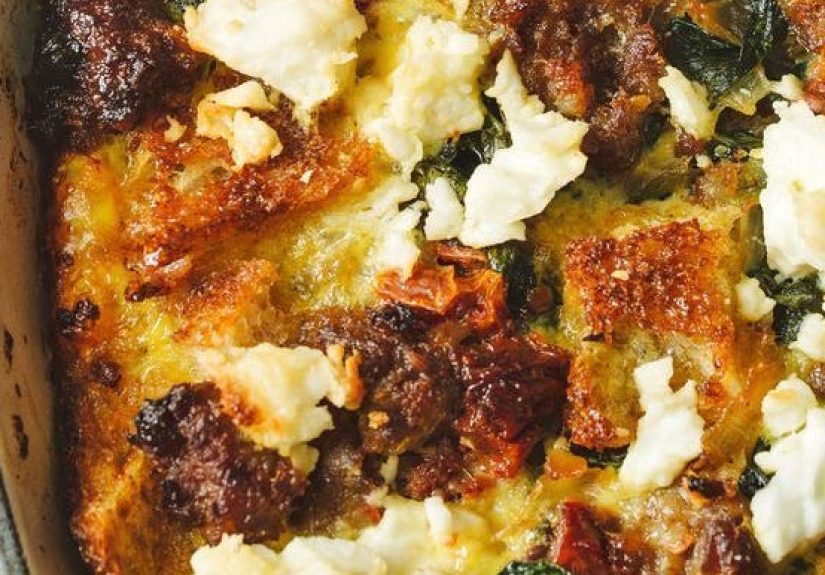
A make-ahead sausage and egg casserole is the kind of recipe that makes mornings easier and gatherings happier. Brown the sausage, layer the
bread and cheese, pour in the egg custard, and let the fridge do the overnight heavy lifting. In the morning, bake until golden and set, rest briefly, and serve.
It’s simple, adaptable, and reliably deliciousexactly what you want from a breakfast casserole that’s going to be asked for again.