Table of Contents >> Show >> Hide
- Why Seltzer Water Makes Better Bisquick Pancakes
- Ingredients for Bisquick Pancakes With Seltzer Water
- Step-by-Step: How to Make Bisquick Pancakes With Seltzer Water
- Variations and Flavor Ideas
- Troubleshooting: Common Pancake Problems (and Fixes)
- Real-World Experiences & Extra Tips for Bisquick Seltzer Pancakes
- Conclusion: Your New Go-To Bisquick Pancake Upgrade
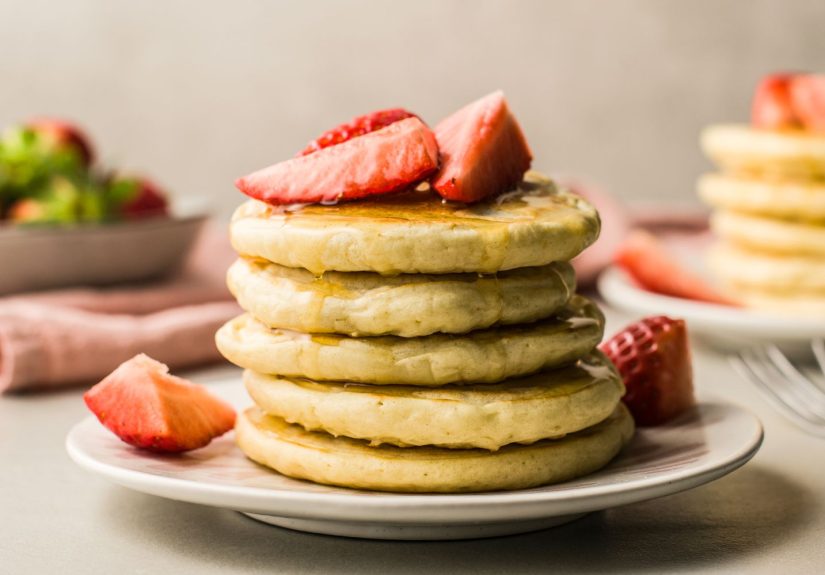
If your pancakes keep turning out sad, flat, and a little bit “meh,” it’s not youit’s your bubbles. Swapping some of the usual liquid for seltzer water (or club soda) is one of those old-school diner tricks that makes Bisquick pancakes ridiculously light and fluffy without any fancy chef skills. Think golden edges, tender centers, and a stack that looks like it belongs on a brunch menu.
In this guide, we’ll walk through a tested Bisquick pancakes with seltzer water recipe, explain why carbonated water works, share easy variations, and finish with real-world tips and experiences so you can tweak the recipe to match your kitchen, your pan, and your family’s taste buds. Grab your whiskthings are about to get bubbly.
Why Seltzer Water Makes Better Bisquick Pancakes
Bisquick already contains flour, leavening (like baking powder), and a bit of fat. That’s why classic recipes using milk and eggs alone still rise nicely. But when you introduce seltzer water or club soda, you’re adding extra dissolved gas into the batter. Those tiny bubbles expand quickly on a hot griddle and help lift the batter from the inside out, giving you pancakes that are taller and softer.
Food writers and test kitchens have used seltzer water in diner-style pancakes for years because it adds air without extra fat or sweetness. Even some biscuit and biscuit-mix recipes rely on carbonated drinks like lemon-lime soda or sparkling water for a similar effectultra-tender, cloud-like results.
The bottom line: carbonated water turns your “good enough” Bisquick pancakes into “why did I ever make them any other way?” pancakesespecially if you like a soft interior and a slightly crisp exterior.
Ingredients for Bisquick Pancakes With Seltzer Water
Core Recipe (Serves 3–4)
This recipe is based on classic Bisquick ratios with a portion of the milk replaced by seltzer water, as seen in several home-cook and test-kitchen versions.
- 2 cups Bisquick or similar baking mix
- 1 large egg
- 1 cup milk (whole or 2% preferred)
- 1/4 cup cold seltzer water or club soda
- 2 tablespoons vegetable oil or melted butter
- 1–2 tablespoons sugar (optional, for a slightly sweeter, golden pancake)
- 1 teaspoon vanilla extract (optional but recommended)
- Butter or oil for the griddle
This combo keeps the familiar Bisquick flavor but adds a noticeable lift and tenderness from the seltzer water, similar to recipes that use only carbonated water and baking mix.
Ingredient Notes & Substitutions
- Bisquick / baking mix: Any all-purpose biscuit or pancake mix with leavening works. Different brands may absorb more or less liquid, so be ready to adjust with a splash more seltzer or a spoonful of mix.
- Milk: Regular cow’s milk gives richness. You can sub unsweetened almond, oat, or soy milk. The texture stays fluffy as long as the seltzer water is bubbly when added.
- Seltzer vs. club soda: Both work. Club soda contains some minerals and may add a tiny hint of saltiness, which most people actually enjoy in pancakes. Just avoid flat or opened-for-days bottlesthe fizz is the magic.
- Oil vs. butter: Oil keeps the crumb softer and more uniform, while melted butter adds flavor and a richer mouthfeel. Many Bisquick pancake upgrades add both sugar and oil or butter for a more “weekend brunch” style.
- Sugar: Optional but helpful for browning and flavor. If you’re planning on heavy syrup and toppings, you can reduce or skip it.
- Vanilla: Technically optional, but in practice it makes your kitchen smell like a pancake house in the best way.
Step-by-Step: How to Make Bisquick Pancakes With Seltzer Water
1. Preheat the griddle
Heat a nonstick skillet or griddle over medium to medium-low heat. You want it hot enough that a drop of water dances and sizzles, but not so hot that the pancakes scorch before they cook through. Lightly grease the surface with butter or neutral oil.
2. Whisk the wet ingredients (without the seltzer… yet)
In a medium bowl, whisk together the egg, milk, oil or melted butter, sugar, and vanilla until smooth. This gives you a stable, well-mixed base before you add the bubbles.
3. Add Bisquick and gently combine
In a larger bowl, add the Bisquick mix. Pour the wet mixture over it and stir gently until most of the dry spots are gone. Small lumps are totally fine; overmixing will knock out air and can make pancakes tough. Most Bisquick-based recipes emphasize a light hand with the batter for that reason.
4. Fold in the cold seltzer water
Now open your cold seltzer water or club soda. Measure 1/4 cup of liquidnot foamand quickly but gently fold it into the batter with a spatula. Don’t whisk aggressively; you want those bubbles to survive the journey to the pan.
The batter should be pourable but not waterylike thick heavy cream or a slowly flowing smoothie. If it seems too thick, add another tablespoon or two of seltzer. If it’s too thin, sprinkle in a bit more Bisquick.
5. Rest briefly (but not too long)
Let the batter sit for 3–5 minutes while your pan finishes heating. This allows the flour to hydrate, but you don’t want to wait so long that the carbonation fades. Think “quick coffee break,” not “I’ll be back after an episode on Netflix.”
6. Portion and cook
Using a 1/4 cup measuring cup, pour the batter onto the greased griddle, leaving space for spreading. A 1/4 cup portion makes pancakes that cook evenly and are easy to flip, while still feeling substantial.
Cook until bubbles form across the surface and the edges look just set and slightly dryabout 2–3 minutes. Flip gently and cook another 1–2 minutes, until the underside is golden brown and the center is set. This timing is similar to other fluffy Bisquick and carbonated-water pancake recipes.
7. Serve immediately
Stack on a warm plate and serve right away with butter, maple syrup, fruit, whipped cream, or whatever makes your breakfast people happiest. Pancakes made with seltzer water are at their absolute best within a few minutes of leaving the pan.
Variations and Flavor Ideas
1. All-carbonated version
If you want to go harder on the bubbles, you can replace the milk with more seltzer or club soda. Many home cooks use only baking mix, egg, oil, and carbonated water for super-light pancakes. The trade-off is a slightly less rich flavor, but butter and syrup on top usually fix that instantly.
2. Lemon-lime soda pancakes
Inspired by recipes that use lemon-lime soda along with Bisquick, you can swap the plain seltzer for a citrus soft drink. This gives the pancakes a subtle sweetness and a hint of flavor. Just cut back on added sugar so they don’t cross the line into cake territory.
3. Add-ins for texture lovers
- Blueberries: Sprinkle fresh or frozen berries over the batter right after you pour it onto the pan. This prevents the berries from staining the entire bowl of batter purple.
- Chocolate chips: Mini chips distribute more evenly and melt faster, giving you a consistent chocolate hit in every bite.
- Banana slices: Place thin banana slices directly onto the top of the pancake before flipping for caramelized, custardy bites.
4. Extra-fluffy upgrade
If you’re chasing maximum height, some Bisquick pancake recipes add a bit of extra baking powder and sugar to the mix for more lift and browning. You can whisk 1–2 teaspoons of baking powder into the dry Bisquick before combining and add an extra tablespoon of seltzer at the end. Just don’t overmixyour bubbles are precious.
Troubleshooting: Common Pancake Problems (and Fixes)
Problem: Pancakes are too flat
Likely causes: Your seltzer water was flat, the batter was overmixed, or your pan was too cool.
Fixes: Use freshly opened carbonated water, fold gently, and make sure the griddle is hot enough that batter sizzles lightly around the edges as soon as it hits the pan.
Problem: Gummy or undercooked centers
Likely causes: Heat too high, pancakes too thick, or too much liquid.
Fixes: Lower the heat slightly and cook a bit longer. If the batter feels heavy and slow to set even at moderate heat, stir in another tablespoon or two of Bisquick to firm it up.
Problem: Pale, weak browning
Likely causes: Not enough sugar or fat, or the heat is too low.
Fixes: Add 1–2 tablespoons of sugar to the batter, make sure you’re using a bit of butter or oil on the griddle, and let the griddle preheat thoroughly.
Problem: Pancakes taste bland
Likely causes: No vanilla, low salt, or using only water as the liquid. Several discussions about Bisquick pancakes note that water alone “works,” but the flavor is noticeably duller.
Fixes: Use milk plus seltzer instead of just water, add vanilla, and serve with salted butter and real maple syrup or a flavorful fruit topping.
Real-World Experiences & Extra Tips for Bisquick Seltzer Pancakes
Recipes are great, but the way pancakes behave in your kitchen depends on things no printed formula can fully predict: your stove, your pan, your brand of baking mix, even the weather. Here are experience-based insights you can use to dial in this Bisquick pancakes with seltzer water recipe.
1. The pan you use matters more than you think
If you’ve ever wondered why diner pancakes taste different from your home version, part of the answer is the cooking surface. Professional griddles hold heat very consistently, which gives pancakes beautiful, even color. Home cooks report getting the closest results with heavy cast-iron pans or stovetop griddles rather than thin, lightweight nonstick pans that develop hot and cool spots.
Try this: make one test pancake at the edge of the pan and one in the center. If one side cooks faster or browns more, you know where your hot zone is and can adjust burner settings or pancake placement.
2. How you measure Bisquick changes everything
With baking mixes, scooping straight from the box with the measuring cup can pack in more mix than you realize, which makes pancakes dense and dry. Many biscuit and baking-mix recipes suggest fluffing the mix with a spoon and then gently spooning it into your measuring cup before leveling it off. That small step alone can make a big difference when you’re aiming for specifically light, seltzer-powered pancakes.
If your pancakes consistently feel heavy even with seltzer water, try reducing the Bisquick to 1 3/4 cups on your next batch and see if you prefer the softer texture.
3. Don’t pour foam into your measuring cup
When you open seltzer or club soda, it’s tempting to quickly tilt the bottle and splash it into the measuring cup. The problem is, half of what you measure might just be foam. Several carbonated-biscuit and batter recipes recommend letting the biggest bubbles settle before you measure so you get actual liquid volume.
For pancakes, that means you want 1/4 cup of real, fizzy liquidnot just a frothy head. More foam and less liquid can leave the batter thicker than intended and affect how it spreads and cooks.
4. Timing the seltzer addition is key
Based on both test-kitchen style recipes and home-cook hacks, the best time to add seltzer water is near the end of mixing, once the other wet and dry ingredients have mostly come together. That way, you’re folding in bubbles rather than beating them out.
A simple rhythm that works well:
- Whisk egg, milk, sugar, and vanilla.
- Stir that into Bisquick until just combined.
- Fold in cold seltzer last, then go straight to the griddle.
If you mix everythingincluding seltzerfrom the beginning and spend a long time stirring, the batter may still taste fine but won’t have the same lift.
5. Adjusting for family preferences
Once you try this recipe a couple of times, you’ll notice how easy it is to customize. Some people want very thin, diner-style pancakes that spread more; others love thick, almost cake-like pancakes. You can fine-tune using just two levers:
- Thickness: For thicker pancakes, add a spoonful or two of Bisquick. For thinner ones, add another splash of seltzer or milk.
- Sweetness: Add more sugar (or flavored syrups and fruit toppings) if you like them dessert-level sweet, or keep sugar low and pair with savory toppings like crispy bacon and eggs.
You might even split a batch of batter into two bowls: keep one plain for the minimalists and jazz up the other with chocolate chips or berries for the kids (or the adults who eat like kids).
6. Leftover batter and reheating
Pancake batter made with seltzer water is best used right away because the bubbles gradually disappear. If you know you’ll have leftover pancakes, cook them all and store extras in the fridge. They reheat well in a toaster, toaster oven, or air fryer.
For an almost-fresh texture, reheat pancakes on a dry skillet over medium-low heat for a minute or two per side. The gentle heat brings back a bit of crispness at the edges while warming the center without drying it out.
7. When to use all water vs. milk plus seltzer
Some cooks ask whether they can skip the milk entirely and use only water or carbonated water. Yes, you canand many havebut you may notice a slightly flatter flavor profile. Using milk plus seltzer gives you a nice balance: the richness and browning you expect from traditional pancakes, plus the lift that makes each bite feel lighter.
If you’re trying to keep things dairy-light or working around ingredients you have on hand, go ahead and use mostly seltzer. Just pair your pancakes with good butter, syrup, or fruit so your taste buds still get something to celebrate.
Conclusion: Your New Go-To Bisquick Pancake Upgrade
Using seltzer water in Bisquick pancakes is one of those tiny upgrades that pays off in a big way. You’re not changing the whole recipejust nudging it with a splash of bubbles. In return, you get taller stacks, softer interiors, and a texture that feels more “brunch restaurant” than “Monday morning rush.”
Once you’ve tried this version, you can riff endlessly: switch in club soda or lemon-lime soda, fold in berries or chocolate, or tweak the thickness to match your ideal pancake personality. As long as you respect the bubbles, avoid overmixing, and keep your griddle at a steady heat, you’ll be turning out photo-worthy stacks in no time.