Table of Contents >> Show >> Hide
- Why Book Stacks Feel So Right Right Now
- What Makes Book Stacks Look Chic Instead of Chaotic
- How to Get the Book Stack Look in Your Home
- The Best Places to Use Book Stacks
- Mistakes That Ruin the Look
- How to Protect Your Books While Styling Them
- How to Make Book Stacks Fit Different Decorating Styles
- Real-Life Experiences With Book Stacks at Home
- Conclusion
Once upon a time, showing off your book collection meant one thing: buying a bookshelf, stuffing it until it groaned, then pretending the leaning tower effect was “character.” But home decor has shifted. These days, book stacks are stepping out from the shadow of the traditional bookshelf and becoming the main event. They are cozy, flexible, slightly intellectual, and just messy enough to make a room feel alive instead of staged within an inch of its life.
If that sounds dramatic, good. Books deserve a little drama.
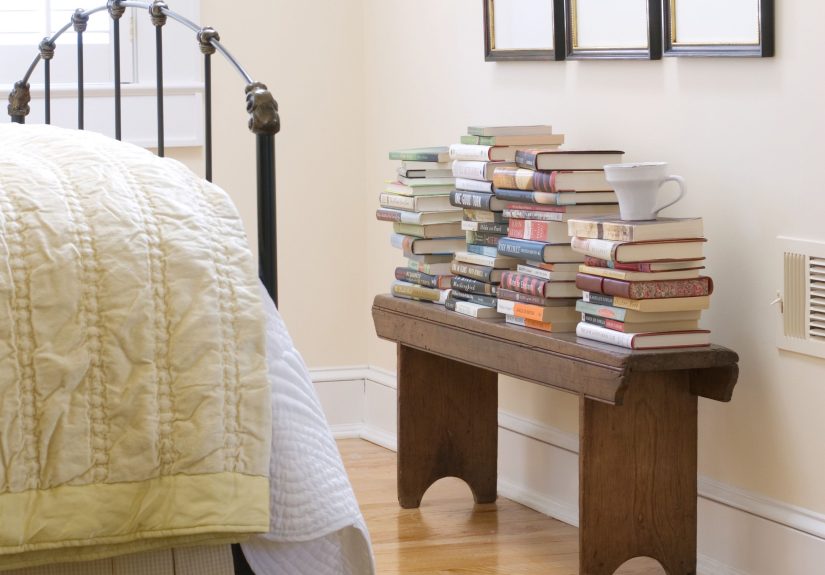
The rise of book stacks decor makes perfect sense for how people actually live. Many homes do not have room for wall-to-wall shelving. Many renters do not want to install anything permanent. And many readers want their homes to feel collected, personal, and warm rather than like a catalog page where nobody has ever cracked open a novel or left a mug on the side table. Stacked books solve all of that. They can fill an awkward corner, act as a makeshift end table, add height to a console, soften a stark room, and turn a random pile of books into something that looks intentional.
The best part is that this trend is not about faking intelligence with a tower of impossible-to-pronounce philosophy books. It is about using what you already own in a way that adds texture, story, and style. Whether you lean traditional, modern, eclectic, cottagecore, or “I bought one lamp I liked and built the room around it,” book stacks can work in your home.
Why Book Stacks Feel So Right Right Now
Part of the appeal is aesthetic. A stack of books adds instant layers. It brings in color, pattern, shape, and a slightly imperfect silhouette that makes a room feel lived in. Interior design has been moving away from spaces that look too polished and toward homes that reflect real habits, real collections, and real personalities. A well-placed stack of novels or art books says, “A human lives here,” which is a refreshing change from rooms that seem designed mainly for social media approval.
Part of the appeal is practical too. A bookshelf alternative is useful in small apartments, bedrooms with limited wall space, or living rooms where you want flexibility. A stack can go beside a sofa, under a console, inside an unused fireplace, next to a desk, or under a window bench. It can be tall and sculptural or short and functional. It can hold your current reads, your thrifted hardcovers, or those oversized design books that never quite fit anywhere else.
And yes, there is also the emotional factor. Books are personal objects. They carry memories, aspirations, marginal notes, old receipts, beach sand, and the occasional mystery stain nobody wants to discuss. Displaying them in stacks feels intimate in a way that factory-made decor rarely does. The look is stylish, but it also tells the truth about the people who live there.
What Makes Book Stacks Look Chic Instead of Chaotic
They use negative space well
A shelf fills a wall. A stack fills a moment. That difference matters. Book stacks let you decorate the spaces between furniture rather than covering every vertical surface with storage. A stack by an armchair, under a side table, or in a quiet corner can make a room feel balanced without making it feel crowded.
They create height and rhythm
Decorating a room is all about variation. If every object sits at the same level, the space feels flat. Stacks of books lift lamps, vases, candles, and framed objects, which helps your eye move naturally around the room. They are basically tiny decorating assistants, except they do not invoice you.
They feel collected, not over-curated
A traditional shelf often encourages strict organization. A stack allows for a looser, more relaxed approach. When done well, it looks edited but not uptight. That balance is the sweet spot. You want “thoughtful reader with great taste,” not “book avalanche pending.”
How to Get the Book Stack Look in Your Home
1. Start with the books you actually love
The most successful stacks begin with books that mean something to you. These might be favorite novels, cookbooks you use every week, travel books, photography collections, or inherited hardcovers with beautifully worn spines. A stack looks better when it reflects real interests. Decor is more convincing when it is not auditioning for a role.
2. Separate decorative books from precious books
If you own rare editions, signed copies, sentimental family books, or anything fragile, do not treat them like styling props. Use sturdier books for decorative stacks and save valuable ones for protected storage or safer display. Thrifted hardcovers, duplicate copies, and well-bound used books are ideal for this trend because they bring charm without causing panic every time someone sets down a drink nearby.
3. Build from large to small
Always place the biggest and heaviest books on the bottom. That creates a stable base and keeps the stack from looking wobbly. It also looks more visually grounded. If the pile narrows slightly as it rises, the arrangement feels natural and intentional.
4. Keep the height realistic
There is a fine line between “stylish tower of books” and “insurance claim.” For most rooms, low and medium stacks are easiest to live with. Short stacks on coffee tables, consoles, and nightstands feel effortless. Floor stacks can go higher if they are tucked against a wall or beside sturdy furniture, but they should still feel stable and easy to navigate around.
5. Use color with some restraint
You do not need to color-code every spine into a rainbow unless that genuinely makes you happy. A more natural approach is to create visual harmony by grouping books with related tones: warm neutrals, deep jewel shades, faded vintage colors, or monochromatic blacks and creams. Removing some dust jackets can also soften a too-busy stack and reveal more cohesive cloth covers underneath.
6. Style the top, but do not overload it
A stack often looks best with one or two objects on top: a small lamp, a candle, a ceramic bowl, a bud vase, or a framed photo. This is where restraint earns its paycheck. If you pile books on books on decor on more decor, the whole arrangement starts looking like a yard sale with excellent lighting. Think simple, layered, and breathable.
7. Follow the odd-number rule
In decorating, odd numbers usually feel more natural than even ones. A stack of three books or five books often looks more dynamic than four. The same goes for accessories on top. Three small objects with different heights tend to feel balanced without looking stiff.
8. Let the room decide the mood
In a modern room, choose crisp stacks with clean lines and restrained colors. In a cottage or vintage-inspired room, lean into worn spines, mismatched sizes, and a little romantic chaos. In a family room, use practical stacks that can be picked up and read. In a bedroom, keep them softer and quieter. The stack should match the room’s personality rather than trying to start its own government.
The Best Places to Use Book Stacks
Beside a sofa or accent chair
This is one of the easiest ways to bring the trend home. A floor stack next to a reading chair instantly creates a cozy home library vibe. Top it with a small tray or set it just under the arm of the chair for an effortless, readerly look.
On a coffee table
Coffee table books practically invented this move. Two or three oversized books can anchor your table, create a landing spot for a candle or decorative object, and make the whole room feel more layered. They also give guests something to flip through when conversation stalls, which is a public service.
On nightstands
Short stacks work beautifully on nightstands, especially in small bedrooms where you want to add interest without adding more furniture. They can hold a lamp, a clock, or a small dish for jewelry while still looking relaxed.
Under consoles and benches
This is excellent for dead space. If you have an entry bench, a narrow console table, or a dressing table with open space underneath, a few neat stacks can make that area feel intentional rather than forgotten.
Inside an unused fireplace
An empty fireplace can feel awkward, but stacked books give it character. This works especially well in older homes, apartments with decorative mantels, or rooms that want a little literary whimsy without requiring a full renovation.
In small-space corners
For apartments and compact homes, small-space book storage matters. A tidy vertical stack in a corner can do the job of a bulky shelf without eating up visual space. That makes it a smart move for studio apartments, home offices, and bedrooms where every square foot counts.
Mistakes That Ruin the Look
Ignoring scale
A tiny stack floating in a large empty corner looks accidental. A massive pile squeezed beside a delicate side chair looks like the chair lost an argument. Match the scale of the stack to nearby furniture so it feels connected to the room.
Making every stack identical
Uniformity is helpful in closets. In living spaces, it can feel rigid. Vary the heights and placement of your stacks so the room feels natural. One low stack on a table, one medium stack on the floor, and one short grouping on a bench is usually more interesting than repeating the exact same arrangement everywhere.
Using stacks as clutter camouflage
A deliberate book stack is not the same as avoiding cleanup. If the surrounding area is chaotic, the stack will not read as stylish; it will read as surrender. Keep the immediate area around each stack relatively clear so it feels chosen, not abandoned.
Forgetting that books are still books
They are decor, yes, but they are also objects made of paper and glue. That means they do not love steam, spills, direct sun, or life in a damp basement. If you want the look without destroying the collection, style with a little common sense.
How to Protect Your Books While Styling Them
If you care about your collection, preservation matters. Keep stacks away from direct sunlight, which can fade spines and covers over time. Avoid placing them right next to radiators, heating vents, drafty windows, or damp areas. Skip attics, basements, and any spot with wild temperature swings or moisture issues. Dust your books regularly, because dust is not charming once it crosses the line into “abandoned manor.”
If a stack is on the floor, do not place it where shoes, pets, spills, or traffic will constantly threaten it. It helps to keep floor stacks tucked against a wall, beside a sturdy piece of furniture, or slightly elevated on a low platform if the room is prone to dust or dampness. For books you really want to preserve, store them upright or flat in a stable environment and use less precious books for purely decorative moments.
In other words, you can absolutely style with books, but it is wise to be selective. Let your beloved collection be beautiful without making it do hard labor.
How to Make Book Stacks Fit Different Decorating Styles
Modern
Choose streamlined stacks with neutral covers, art books, and minimal objects on top. Keep spacing generous and the palette controlled.
Traditional
Use classic hardcovers, rich tones, and a more formal sense of symmetry. Brass objects, framed art, and table lamps pair beautifully here.
Eclectic
Mix novels, design books, quirky flea market finds, and bold color. Let the stacks feel a little unexpected while still maintaining balance.
Cottage or vintage-inspired
Lean into worn bindings, soft colors, baskets, antique frames, and the kind of stack that looks like it might contain poetry, gardening advice, and one very suspicious cookbook from 1974.
Real-Life Experiences With Book Stacks at Home
Living with book stacks is a different experience from living with bookshelves, and that difference is exactly why so many people end up loving the look. A bookshelf says, “This is where the books belong.” A stack says, “These books are part of daily life.” That subtle shift changes the mood of a room more than you might expect.
In real homes, book stacks often start by accident. Someone runs out of shelf space, lines up a few novels next to a chair, and suddenly the room looks warmer. Then one stack becomes three. The pile in the bedroom turns into a nightstand accent. The stack near the sofa becomes a place to rest a cup of tea and whatever book is currently half-finished. Before long, the books are not just stored; they are participating.
One of the most noticeable changes is how book stacks soften a space. Rooms with lots of clean lines, new furniture, or minimal decor can sometimes feel slightly formal, even if the owner did not mean for them to. Add a stack of books to the corner, and suddenly the room seems more welcoming. The books bring in texture and history. They signal habit, curiosity, and comfort. They make the space feel used in the best possible way.
There is also a practical pleasure to the setup. When books are stacked in the places where you actually sit, read, work, or relax, they become more accessible. You are more likely to pick one up. Guests are more likely to browse. Kids notice them. Conversation happens around them. A beautifully arranged stack on a coffee table or bench often works less like a formal display and more like an invitation.
That said, the experience is best when the stacks are intentional. People who enjoy the look long-term usually edit their piles once in a while. They rotate in seasonal books, move travel titles to the living room before guests arrive, or swap out worn paperbacks for sturdier hardcovers in high-traffic spots. The stacks stay fresh because they are used, not frozen in place forever.
Another common experience is discovering that stacked books can solve strange room problems. That awkward corner that never looked right? A book stack can fix it. The low table that needs more height under a lamp? Add two oversized books. The empty fireplace that feels sad every winter? Fill it with novels and suddenly it looks clever instead of neglected. This is part of the appeal: book stacks are decor with a job description.
Of course, living with them also teaches a little discipline. You learn quickly which stacks are stable, which spots get too much sun, and which decorative choices are asking for trouble. Households with pets, toddlers, or enthusiastic vacuuming habits usually adapt by keeping the tallest stacks anchored near furniture and saving fragile books for safer locations. Once that balance is found, the arrangement becomes easy to maintain.
What people tend to love most is that the look feels personal without trying too hard. A shelf can sometimes feel like storage. A stack feels like a snapshot of a life in progress. It suggests taste, memory, and curiosity all at once. And in a world full of homes that can feel a little too polished, that kind of lived-in charm is hard to beat.
Conclusion
Book stacks at home are not just a workaround for people who ran out of shelves. They are a design choice with genuine style power. They make rooms feel layered, thoughtful, and approachable. They work in small spaces, large homes, quiet reading corners, and busy family rooms. They can be decorative, functional, sentimental, and surprisingly sophisticated all at once.
The secret is balance. Use books you can safely display, build stable piles, keep them away from damaging conditions, and style them with enough intention that they feel like part of the room rather than a delayed organizing project. Done right, book stacks deliver everything people want from great decor: beauty, function, personality, and a story.
So no, you do not need another bookshelf just because your current collection is growing. Sometimes the smartest move is to let the books speak for themselves, one beautiful stack at a time.