Table of Contents >> Show >> Hide
- What Is Cervical Radiculitis?
- Common Symptoms of a Pinched Nerve in the Neck
- What Causes Cervical Radiculitis?
- Who Is More Likely to Get It?
- How Doctors Diagnose Cervical Radiculitis
- Treatment for a Pinched Nerve in the Neck
- Red Flags You Should Not Ignore
- Recovery and Long-Term Outlook
- How It Differs From Other Conditions
- What Living With Cervical Radiculitis Often Feels Like
- Final Thoughts
- SEO Tags
If your neck has started sending angry little lightning bolts into your shoulder, arm, or fingers, you may be dealing with cervical radiculitis. The name sounds dramatic, and to be fair, the symptoms often are. One minute you are turning your head to back out of a parking space, and the next minute your arm feels like it borrowed someone else’s tingling, burning, half-asleep sensation.
Cervical radiculitis is commonly used to describe irritation or inflammation of a nerve root in the neck. It is often discussed alongside cervical radiculopathy, a closely related term that usually refers to nerve root compression causing pain, numbness, tingling, or weakness. In everyday conversation, both are often lumped together as a pinched nerve in the neck. Whatever label ends up on the chart, the goal is the same: calm the nerve down, protect function, and stop your neck from acting like a moody extension cord.
This guide explains what cervical radiculitis is, what causes it, what symptoms tend to show up, how doctors diagnose it, and which treatments may help. It also covers warning signs you should not ignore and what day-to-day life can feel like when a neck nerve starts complaining louder than the rest of your body.
What Is Cervical Radiculitis?
The cervical spine is the neck portion of your spine. Nerves exit this area through small openings and travel into the shoulders, arms, and hands. When one of those nerve roots becomes irritated, inflamed, or compressed, it can trigger pain and neurological symptoms along the path of that nerve.
That is why a problem in the neck can create symptoms far away from the neck itself. A person may assume they have a shoulder injury, elbow trouble, or wrist strain when the real issue starts higher up in the cervical spine. It is a little rude, medically speaking, but very common.
The term cervical radiculitis emphasizes inflammation and irritation. The term cervical radiculopathy often emphasizes nerve dysfunction, especially when weakness, numbness, or reflex changes are involved. In practical use, many clinicians and patients use “pinched nerve” as shorthand for both.
Common Symptoms of a Pinched Nerve in the Neck
Symptoms can vary depending on which nerve root is affected and how much irritation is happening. Some people mainly have pain. Others notice numbness, clumsiness, or weakness. And some unlucky overachievers get the whole package.
Typical symptoms include:
- Neck pain that may worsen with certain head movements
- Pain that radiates into the shoulder, shoulder blade, arm, or hand
- Tingling or “pins and needles” in the arm or fingers
- Numbness in part of the arm or hand
- Muscle weakness, such as trouble lifting, gripping, or pushing
- A burning, electric, or shooting pain quality
- Symptoms that flare when coughing, sneezing, or looking up
The pattern matters. For example, one person may feel pain down the outside of the arm into the thumb, while another feels symptoms into the middle finger or little finger. These patterns can help a clinician estimate which nerve root is involved.
It is also possible to have very little neck pain and still have significant arm symptoms. That surprises people. They expect a neck problem to stay in the neck. Instead, the nerve may stage a protest farther down the line.
What Causes Cervical Radiculitis?
A pinched or irritated nerve in the neck usually happens because something is crowding the nerve root, inflaming it, or both. Common causes include:
1. Herniated cervical disc
A disc sits between the vertebrae and acts like a cushion. If the disc bulges or herniates, it can press on a nearby nerve root. This is a common cause of sudden or more acute symptoms, especially in younger or middle-aged adults.
2. Bone spurs and age-related wear
As the spine ages, joints and discs can degenerate. Bone spurs may form, disc height may decrease, and the openings where nerves exit can narrow. This process is often linked to cervical spondylosis, sometimes called arthritis of the neck.
3. Foraminal stenosis
This means the space where the nerve leaves the spine becomes too tight. A nerve root that once had room to glide now feels more like it is trying to squeeze through a crowded doorway with a backpack on.
4. Injury or repetitive strain
A sudden injury, awkward lift, sports collision, or repetitive neck positions may contribute to inflammation or structural changes that irritate a nerve. Poor posture alone is not always the whole story, but it can aggravate symptoms in some people.
5. Less common causes
Infections, tumors, inflammatory conditions, or other neurological problems can sometimes mimic or cause radicular symptoms. That is one reason proper evaluation matters, especially when symptoms do not follow the usual script.
Who Is More Likely to Get It?
Cervical radiculitis can affect adults of different ages, but the reasons may differ. Younger adults are more likely to have symptoms from a disc herniation. Older adults are more likely to have nerve irritation related to degenerative changes, arthritis, or narrowing around the nerve root.
Risk may increase with repetitive neck strain, physically demanding work, smoking, inactivity, prior neck injury, or spinal wear-and-tear over time. Long hours in one position, especially with poor ergonomics, may also make symptoms easier to trigger or harder to calm down.
How Doctors Diagnose Cervical Radiculitis
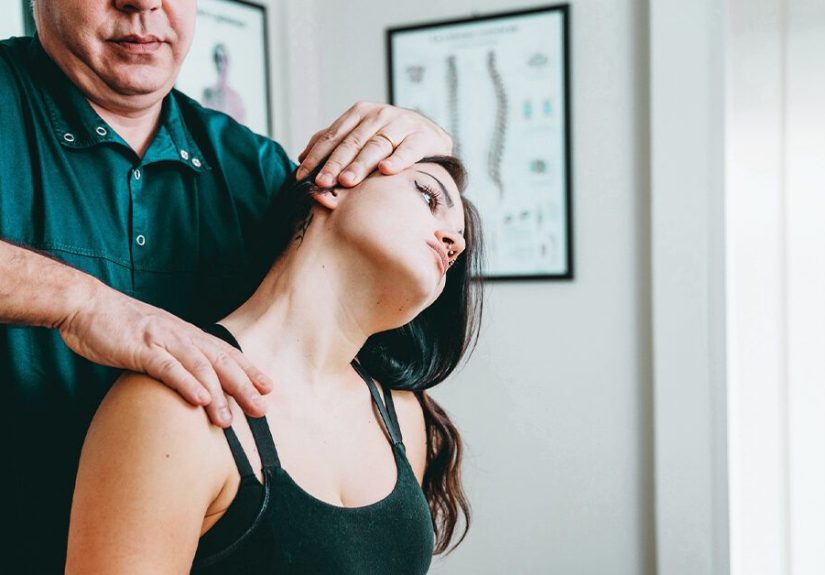
Diagnosis starts with the story and the physical exam. A clinician will want to know where the pain begins, where it travels, whether you have numbness or weakness, what movements aggravate it, and whether symptoms are getting worse.
The exam may include:
- Checking neck range of motion
- Testing muscle strength in the shoulders, arms, hands, and fingers
- Checking reflexes
- Testing sensation in different areas of the arm and hand
- Looking for signs that point to nerve root irritation
If the diagnosis is fairly clear and symptoms are mild, imaging may not be needed right away. But additional tests may be used when pain is severe, symptoms persist, weakness appears, or another problem needs to be ruled out.
Common tests include:
- X-rays: These can show alignment changes, arthritis, bone spurs, and disc space narrowing.
- MRI: This is often the best imaging test for seeing discs, nerves, soft tissue, and possible nerve root compression.
- CT scan: Sometimes used when more bony detail is needed.
- EMG and nerve conduction studies: These can help evaluate nerve function and distinguish radiculopathy from conditions like peripheral neuropathy or carpal tunnel syndrome.
A good evaluation is important because neck-related nerve pain can mimic shoulder disorders, cubital tunnel syndrome, carpal tunnel syndrome, thoracic outlet syndrome, and other neurological conditions.
Treatment for a Pinched Nerve in the Neck
The good news is that many people improve with nonsurgical treatment. The not-as-fun news is that nerves can be dramatic, and they do not always calm down on your preferred schedule. Treatment typically focuses on relieving pain, reducing inflammation, improving movement, and protecting strength and function.
Conservative treatment options
Activity modification
You usually do not need strict bed rest. In fact, too much inactivity can make stiffness worse. But it is smart to temporarily reduce activities that trigger pain, such as heavy lifting, repeated overhead work, or prolonged neck extension.
Medication
Depending on the person and the cause, a clinician may recommend over-the-counter pain relievers, anti-inflammatory medication, or other prescription options. Some patients are also treated with short-term medications aimed at nerve-related pain. Medication choices should always be individualized, especially for people with ulcers, kidney disease, high blood pressure, or other medical conditions.
Physical therapy
Physical therapy is often a major part of recovery. A program may include posture training, range-of-motion work, gentle nerve mobility exercises, strengthening, and strategies to reduce mechanical stress on the neck. The goal is not just to chase pain away, but to improve how the neck and shoulders work together so the nerve stops getting poked by daily life.
Cervical traction
Some patients benefit from traction under professional guidance. The idea is to gently create more space around the affected nerve. It is not right for everyone, but it may help selected patients as part of a broader plan.
Short-term immobilization
In some cases, a brief period of using a soft cervical collar may be recommended. This is generally a short-term tool, not a forever accessory. The goal is symptom relief, not teaching the neck to retire early.
Injections
If pain is persistent or severe, an epidural steroid injection or selective nerve root injection may be considered. These treatments aim to reduce inflammation and pain around the irritated nerve. They may provide temporary relief and can sometimes help a person progress with therapy.
When surgery may be considered
Surgery is generally considered when conservative treatment fails, pain remains disabling, or neurological problems such as weakness are worsening. Surgical procedures aim to relieve pressure on the nerve root. The exact approach depends on the cause, the level involved, and the patient’s anatomy and overall health.
Common surgical options may include discectomy, foraminotomy, fusion, or cervical disc replacement. The goal is decompression of the nerve, not simply “doing something because the MRI looked annoying.” Good surgical decisions depend on matching symptoms, examination findings, and imaging.
Red Flags You Should Not Ignore
A routine pinched nerve is miserable enough, but some symptoms suggest something more urgent may be happening. Seek prompt medical evaluation if you develop:
- Progressive arm or hand weakness
- Problems with balance or walking
- Loss of hand coordination or increasing clumsiness
- Bowel or bladder changes
- Severe pain after trauma
- Fever, unexplained weight loss, or a history that raises concern for infection or cancer
- Symptoms affecting both arms or signs of spinal cord involvement
These symptoms can point to cervical myelopathy or another condition that needs more urgent attention. In myelopathy, the spinal cord itself is affected, not just a nerve root. That changes the urgency and the treatment plan.
Recovery and Long-Term Outlook
Many people with cervical radiculitis improve over time with conservative care. Recovery often depends on the cause, how severe the nerve irritation is, whether weakness is present, and how early effective treatment begins. A herniated disc may settle down. Inflammatory symptoms may ease. Muscles may regain strength. But recovery is rarely perfectly linear.
Some days you may feel nearly normal and assume you are cured, then your neck reminds you otherwise because you spent four hours hunched over a laptop like a shrimp. That does not always mean you are back at square one. Nerve symptoms often improve in waves rather than in a straight line.
To support recovery and reduce flare-ups, many people benefit from:
- Improving workstation ergonomics
- Taking breaks from prolonged sitting or screen time
- Strengthening the upper back and shoulder stabilizers
- Maintaining good neck and thoracic mobility
- Using proper lifting mechanics
- Staying physically active within reasonable limits
- Avoiding tobacco use
How It Differs From Other Conditions
A pinched nerve in the neck can overlap with several other problems, which is why self-diagnosis can get messy fast.
Cervical radiculitis vs. shoulder pain
Shoulder injuries often produce pain with shoulder-specific movement and may not cause numbness or tingling in a nerve pattern. Cervical nerve irritation often radiates below the shoulder and may include neurological symptoms.
Cervical radiculitis vs. carpal tunnel syndrome
Carpal tunnel affects the median nerve at the wrist and commonly causes hand symptoms, especially at night. Cervical radiculitis starts at the nerve root in the neck. Sometimes a person can even have both, which feels unfair but does happen.
Cervical radiculitis vs. cervical myelopathy
Radiculitis or radiculopathy affects a nerve root. Myelopathy affects the spinal cord. Myelopathy is more likely to cause balance trouble, hand clumsiness, broad weakness, or bowel and bladder changes.
What Living With Cervical Radiculitis Often Feels Like
People experiencing cervical radiculitis often describe it as more than “neck pain.” The pain can feel strangely mobile, as though it starts in the neck and then travels down the arm with a personality of its own. One day it is a deep ache under the shoulder blade. The next day it is a hot wire sensation into the forearm. Sometimes it settles into the thumb, index finger, or middle finger. Other times it shows up as vague hand numbness that makes people wonder whether they slept wrong, typed too much, or somehow offended their cervical spine overnight.
Morning can be rough. Some people wake up stiff and guarded, needing a few minutes before they trust their neck enough to turn their head. Others feel best in the morning and worsen as the day goes on, especially after long stretches of driving, desk work, scrolling on a phone, or staring down at a laptop. By evening, the shoulder may feel tight, the arm may feel heavy, and the hand may seem less coordinated than usual.
Work can become surprisingly difficult. Someone in an office may notice pain when looking at multiple screens, holding a phone between the shoulder and ear, or sitting with poor posture for hours. A mechanic, nurse, warehouse worker, hairstylist, or painter may struggle with reaching, lifting, pushing, pulling, or working overhead. Even routine tasks such as carrying groceries, drying hair, fastening a bra, opening jars, or turning the head while driving can suddenly feel like small engineering projects.
Sleep is another common complaint. Finding a comfortable position becomes a nightly negotiation. Some people cannot tolerate sleeping on one side because it increases arm tingling. Others wake when they roll into a position that narrows the space around the nerve. Poor sleep then makes pain feel louder, which is a particularly rude cycle.
The emotional side matters too. Nerve pain can be unpredictable, and unpredictability makes people anxious. When a hand feels weak or numb, it is easy to worry that permanent damage is happening by the minute. Many patients also get frustrated because they may “look fine” while struggling with pain that burns, zaps, or radiates in ways that are hard to explain. Friends may hear “pinched nerve” and picture a minor inconvenience. The person living with it may feel like their arm has joined a protest movement.
There is also the stop-and-start nature of recovery. Symptoms may improve enough for someone to think the problem is over, then flare after travel, yard work, a hard workout, or a marathon day at the computer. That can be discouraging, but it is common. For many people, improvement comes from a combination of time, activity changes, targeted exercise, posture correction, pain management, and patience. Not glamorous, perhaps, but effective more often than people expect.
The most reassuring experience many patients report is realizing that the symptoms finally start to make sense. Once they understand that the neck can create arm pain, numbness, tingling, and weakness, the situation feels less mysterious and more manageable. That shift alone can reduce fear and help people stick with treatment long enough to see progress.
Final Thoughts
Cervical radiculitis, or a pinched nerve in the neck, is one of those conditions that can feel alarmingly dramatic while still being very treatable. It can cause neck pain, radiating arm pain, numbness, tingling, and weakness because a nerve root in the cervical spine has become irritated or compressed. Herniated discs, bone spurs, age-related changes, and narrowed nerve openings are common culprits.
The right treatment depends on the cause and the severity of symptoms, but many cases improve with conservative care such as activity modification, medication, physical therapy, and time. Still, progressive weakness, balance problems, bowel or bladder changes, or signs of spinal cord involvement should never be brushed off.
If your neck is sending sparks into your arm, do not panic, but do pay attention. A careful diagnosis and a smart plan can go a long way toward getting your life back and convincing your cervical spine to be a quieter neighbor.