Table of Contents >> Show >> Hide
- What Happened in the Costco Chicken Patty Recall?
- Why Plastic Contamination Is a Serious Food Safety Issue
- Which Chicken Patties Were Recalled?
- What Costco Shoppers Should Do
- How to Check Your Freezer Without Losing Your Mind
- Why Recalls Happen Even With Fully Cooked Foods
- What This Recall Says About Food Safety Systems
- How to Stay Informed About Food Recalls
- Practical Food Safety Tips for Frozen Chicken Products
- Experience: What This Recall Feels Like for Everyday Shoppers
- Conclusion
Note: This article discusses the Foster Farms chicken patties recall announced in 2022 and explains how shoppers can identify affected products, respond safely, and learn from the incident. Always compare the exact product details on your package with the official recall information before taking action.
Frozen chicken patties are supposed to make dinner easier, not turn your freezer into a tiny detective agency. But that is exactly what happened when Foster Farms recalled certain fully cooked frozen chicken breast patties sold through Costco channels because of possible plastic contamination. The recall involved approximately 148,000 pounds of chicken patties that may have contained hard, clear pieces of plastic embedded in the product.
For Costco shoppers, the news was a reminder that even familiar freezer staples deserve a second look when a recall is announced. A chicken patty may seem like the most harmless weeknight herocrispy, convenient, and ready for a bunbut a foreign object contamination issue can turn a simple meal into a safety concern. The good news is that food recalls are designed to protect consumers before more people are harmed. The better news is that you do not need a magnifying glass, a lab coat, or a dramatic crime-show soundtrack to check your freezer properly.
What Happened in the Costco Chicken Patty Recall?
The recall was issued after consumer complaints reported hard, clear plastic inside fully cooked, frozen, breaded chicken breast patties. The product was made by Foster Farms and sold in large frozen bags through Costco distribution channels. According to recall information, the company notified federal food safety officials after learning about the complaints.
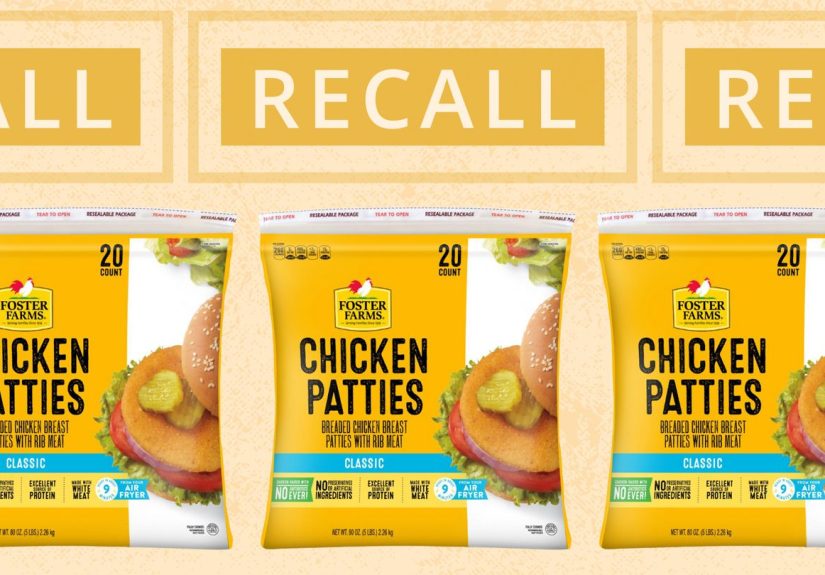
The affected product was not every chicken patty ever sold at Costco. This is important because food recalls are very specific. They usually apply to certain production dates, lot codes, package sizes, establishment numbers, and best-by dates. In this case, the recalled items were 80-ounce plastic bags containing 20 pieces of “Chicken Patties Breaded Chicken Breast Patties with Rib Meat.” The bags carried a best-by date of August 11, 2023.
The recalled patties were produced on August 11, 2022. They also carried establishment number P-33901, lot code 3*2223** printed on the back edge of the package, and the number 7527899724 under the barcode. If that sounds like a lot of numbers, it is. But those numbers are the grocery-world equivalent of a fingerprint.
Why Plastic Contamination Is a Serious Food Safety Issue
Plastic in food may not sound as scary as bacteria like Salmonella or Listeria, but it can still pose a real safety risk. In this recall, the concern involved hard, clear plastic pieces. Hard plastic can be sharp, and sharp pieces can potentially cause cuts in the mouth, throat, or digestive tract. They may also create a choking hazard, especially for children, older adults, or anyone eating quickly.
Foreign material contamination is one of the common reasons foods are recalled. It can include plastic, metal, glass, rubber, wood, or other materials that do not belong anywhere near dinner. These objects may enter food during processing, packaging, equipment failure, or handling. In many cases, companies and regulators move quickly once complaints appear because the goal is to remove affected food before injuries occur.
In this situation, no confirmed injuries were reported at the time of the recall. Still, food safety officials urged consumers not to eat the affected patties. That may sound obvious, but every recall seems to inspire at least one brave soul to say, “Well, maybe I’ll just inspect it first.” Please do not audition for that role. If the recall details match your package, the safest chicken sandwich is the one you do not make.
Which Chicken Patties Were Recalled?
Consumers were advised to check their freezers for the following product details:
- Brand: Foster Farms
- Product: Chicken Patties Breaded Chicken Breast Patties with Rib Meat
- Package size: 80-ounce plastic bag
- Count: 20 pieces per bag
- Best-by date: 08/11/23
- Establishment number: P-33901
- Lot code: 3*2223**
- Barcode number: 7527899724
- Production date: August 11, 2022
The recalled products were shipped to Costco distribution centers in Arizona, California, Colorado, Utah, and Washington. They may also have been further distributed to Costco retail locations. That means shoppers outside those states may still have had reason to check their freezer if they bought this product from Costco around that time.
What Costco Shoppers Should Do
If you find a package matching the recall details, do not eat it. Do not taste-test it. Do not cut into each patty like a treasure hunter searching for plastic. Do not feed it to your pets. The recommended action is simple: throw the product away safely or return it to the place of purchase.
Costco is known for a customer-friendly return process, and recalls are usually handled with consumer safety in mind. If you still have the recalled product, returning it to Costco may be the easiest way to receive a refund. If you already opened the bag, seal it securely before disposal so that children, pets, or anyone else cannot accidentally access it.
After handling a recalled food product, wash your hands with soap and warm water. If the product touched counters, plates, utensils, freezer drawers, or refrigerator shelves, clean those surfaces thoroughly. While plastic contamination is different from bacterial contamination, good kitchen hygiene is still a smart habit. Your future self will thank you, probably while eating something that is not under recall.
How to Check Your Freezer Without Losing Your Mind
Freezers are where good intentions go to hibernate. Somewhere between the frozen vegetables, emergency pizza, and mystery container labeled “soup?” may sit products you forgot you bought. Recalls often matter because frozen foods can remain in homes long after stores remove them from shelves.
Start by pulling out any Foster Farms chicken patties or similar frozen chicken products. Look for the package size, product name, best-by date, establishment number, lot code, and barcode. Do not rely only on the product photo or brand name. Recalls are batch-specific, so one bag may be affected while another bag from a different production run is not.
If the package details do not match the recall information exactly, the product is not considered part of that recall. If the package does match, remove it from your freezer right away. If the package is torn, leaking, or unreadable, and you strongly suspect it is the recalled item, it is safer to discard it than to gamble.
Why Recalls Happen Even With Fully Cooked Foods
Some shoppers hear “fully cooked” and assume the product is automatically risk-free. Fully cooked means the food has already gone through a cooking process, but it does not protect against every possible problem. A product can be fully cooked and still be recalled for foreign material, undeclared allergens, labeling mistakes, packaging defects, or contamination introduced after cooking.
That distinction matters. If a food contains pieces of plastic, cooking it again will not solve the problem. Your oven can crisp a chicken patty, but it cannot magically turn hard plastic into a harmless garnish. Food safety depends on both proper cooking and proper manufacturing controls.
Ready-to-eat and fully cooked frozen foods are popular because they save time. Families use them for lunches, quick dinners, after-school meals, and “I refuse to wash more than one pan tonight” situations. That convenience makes recall communication especially important because these products are often stored for weeks or months before being eaten.
What This Recall Says About Food Safety Systems
Food recalls can sound alarming, but they also show the safety system at work. Consumers reported a problem. The company notified regulators. Public recall information identified the product, lot, dates, distribution channels, and recommended action. That chain of response is not perfect, but it is designed to reduce risk quickly.
The recall also highlights the role consumers play. Many foreign object recalls begin with customer complaints. That does not mean consumers are responsible for policing the food supply, but it does mean reports matter. If you find plastic, metal, glass, or anything else strange in food, save the packaging if possible, stop eating the product, and report the issue to the company or the appropriate food safety agency.
It may feel awkward to report a problem, especially if you are not sure whether it is serious. But clear reporting can help identify patterns. One complaint might look isolated. Several similar complaints can reveal a production issue that needs immediate attention.
How to Stay Informed About Food Recalls
Most people do not wake up excited to read recall notices over coffee. Still, staying informed can protect your household. Government recall pages, retailer product notice pages, manufacturer announcements, and reputable news outlets are useful sources. Many retailers also use purchase records, loyalty accounts, or membership data to notify shoppers when a product they bought is recalled.
For Costco members, recall notices may appear on Costco’s product recalls page, through member communications, or in warehouse notices. Because Costco purchases are connected to membership accounts, the company can sometimes identify customers who bought affected products. However, it is still wise to check official recall details yourself, especially for frozen items that may sit in storage for months.
You can also build a simple habit: once a month, scan your freezer and pantry for products nearing expiration, damaged packaging, or items you no longer recognize. Think of it as food safety plus decluttering. Bonus points if you finally solve the ancient question, “Is this chili or spaghetti sauce?”
Practical Food Safety Tips for Frozen Chicken Products
Even when a product is not recalled, frozen chicken should be handled carefully. Keep frozen foods at safe temperatures, follow package cooking instructions, and use a food thermometer when preparing raw or partially cooked poultry. For fully cooked products, heat according to label directions for best quality and safety.
Keep packaging until the product is finished. This small habit makes recalls much easier to handle because the package contains the lot code, establishment number, and best-by date. If you pour frozen patties into a separate container and toss the bag, you may lose the details needed to confirm whether the product is affected.
For households with children, consider cutting prepared patties into smaller pieces before serving and checking texture as you go. This is not a substitute for recall compliance, but it can help you notice unusual objects, overly hard fragments, or unexpected texture changes in everyday meals.
Experience: What This Recall Feels Like for Everyday Shoppers
Anyone who shops at Costco knows the freezer section has a special kind of gravity. You walk in for paper towels and leave with chicken patties, frozen fruit, dumplings, three pounds of cheese, and a dessert large enough to need its own parking space. So when a recall involves a freezer staple, it hits close to home. It is not an exotic product nobody has heard of. It is the kind of food busy families actually use.
The most common reaction to a recall like this is not panic. It is annoyance mixed with uncertainty. People wonder, “Did I buy that exact bag?” “Did we already eat some?” “Where is the lot code?” “Why is the print so tiny?” These are normal questions. The best response is to slow down and verify the details. Recalls are not meant to make shoppers feel foolish; they are meant to give clear instructions when something may be unsafe.
One practical lesson from this recall is to keep frozen foods in their original packaging whenever possible. Many people open a bulk bag, transfer patties into freezer containers, and throw away the original package to save space. That is understandable, especially when freezer space is treated like Manhattan real estate. But the original bag carries the identifying information needed during a recall. If you must repackage items, consider cutting out the label section with the lot code and storing it with the food.
Another experience many families share is the “freezer audit” moment. A recall pushes you to look at everything hiding behind the ice packs. You may discover perfectly good food, expired food, and one suspicious freezer-burned object that has clearly seen things. While the reason for checking may be serious, the habit is useful. A cleaner, better-organized freezer makes it easier to respond quickly to future recalls.
There is also a trust factor. Shoppers buy from major retailers like Costco because they expect quality control, reliable sourcing, and fast communication when something goes wrong. A recall can shake that trust, but transparent handling can rebuild it. When companies provide exact product details, clear refund instructions, and accessible customer service, consumers are more likely to respond correctly instead of ignoring the notice.
For parents, recalls involving chicken patties can feel especially unsettling because these products are often served to children. A child may not notice a hard piece of plastic before biting into it. That is why the safest approach is not inspection; it is removal. If the product matches the recall, it should not be served, even if the patties look normal. Plastic pieces may be clear, small, embedded, or difficult to see.
For older adults, caregivers, and people with swallowing difficulties, the concern may be even greater. A hard foreign object can create a choking risk or injury risk. If someone believes they consumed a recalled product and experiences pain, choking, cuts, unusual discomfort, or digestive symptoms, contacting a healthcare professional is a sensible step.
The bigger takeaway is simple: recalls are part of modern food safety, not a sign that every food is dangerous. The food supply chain is huge, fast-moving, and complicated. Mistakes happen. What matters is how quickly they are identified, communicated, and corrected. Consumers can do their part by reading notices carefully, checking product details, and taking action without delay.
In the end, the Costco chicken patties recall is a useful reminder that convenience should never outrank safety. Frozen chicken patties are great for quick meals, but no dinner is worth risking injury from plastic contamination. Check the label, follow recall instructions, and when in doubt, choose safety over “maybe it’s fine.” Your sandwich can wait.
Conclusion
The Foster Farms chicken patties recall involving products sold through Costco channels shows why exact recall details matter. The affected frozen chicken patties were linked to possible hard, clear plastic contamination and were identified by specific packaging information, including product size, best-by date, establishment number, lot code, and barcode number. Consumers with matching products were advised not to eat them and to return or discard them safely.
For shoppers, the lesson is practical: keep packaging, check freezers when recalls are announced, follow official instructions, and report unusual food problems. Food recalls may be inconvenient, but they are also an important consumer protection tool. A few minutes of label-checking can prevent a risky meal and bring peace of mind back to your kitchen.