Table of Contents >> Show >> Hide
- Why constipation happens after a C-section
- What is normal after a C-section and what is not?
- How to manage constipation after a C-section
- Foods and habits that can help
- When to call your doctor right away
- FAQ: Constipation after C-section
- How long is it normal not to poop after a C-section?
- Can straining open my C-section incision?
- Is constipation worse if I am taking opioids?
- Are stool softeners safe while breastfeeding?
- What if I also have hemorrhoids?
- Should I use a laxative right away?
- Can gas pain feel like constipation after a C-section?
- When will my bowel habits go back to normal?
- What the experience often feels like in real life
- Final takeaway
If there were an award for the least glamorous part of postpartum recovery, the first bowel movement after a C-section would be a strong contender. No one puts it on a baby shower registry, yet here it is: you have a newborn, an abdominal incision, a body that just did something extraordinary, and a colon that has suddenly decided to become deeply philosophical about movement.
The good news is that constipation after a C-section is very common, usually temporary, and often manageable with a few practical strategies. The less fun news is that it can feel intimidating. Many people worry that straining will hurt, rip stitches, or somehow make recovery harder. Add pain medication, dehydration, iron supplements, gas, swelling, and sleep deprivation, and the result can be a perfect storm of postpartum constipation.
This guide breaks down why constipation after a cesarean happens, what you can do about it, when to call your doctor, and answers to the questions new parents ask when they are tired, sore, and wondering why their digestive system has chosen chaos.
Why constipation happens after a C-section
Constipation after a cesarean delivery rarely has just one cause. It is usually a team effort, and unfortunately, it is a very committed team.
Your bowels can slow down after surgery
A C-section is major abdominal surgery. After surgery, the intestines can temporarily become sluggish, which means stool moves more slowly than usual. Anesthesia, the stress response from surgery, and reduced movement can all contribute. This is one reason the first poop after a C-section may take a few days to arrive.
Opioid pain medicine can make stool hard and slow
Prescription pain medications, especially opioids, are notorious for causing constipation. They slow movement in the gut and can make stools drier and harder to pass. Even if your hospital uses a low-opioid or opioid-sparing recovery plan, a small amount can still make a noticeable difference.
Iron supplements may add to the problem
If you lost a fair amount of blood during delivery, your clinician may recommend iron. That can be helpful for recovery, but iron is also famous for causing hard stools and digestive slowdown. It is like getting a useful roommate who also leaves every cabinet door open.
Dehydration can sneak up on you
Labor, surgery, sweating, postpartum bleeding, and breastfeeding can all increase your fluid needs. If you are not drinking enough, the colon pulls more water out of the stool, which makes bowel movements drier and tougher to pass.
Fear of straining is real
Many parents avoid pooping because they are afraid it will hurt. That fear is understandable. When you delay a bowel movement, though, stool sits in the colon longer and becomes harder. In other words, the thing you are avoiding can become the thing that gets worse.
Changes in routine do not help
Hospital food, disrupted sleep, less walking, unfamiliar bathrooms, and the complete disappearance of anything resembling a normal schedule can all throw off your usual bowel habits. Your body likes routine. Newborn life does not.
What is normal after a C-section and what is not?
Some delay is common. Many people do not have a bowel movement for about three to four days after a C-section. Mild bloating, gas, abdominal tenderness, and anxiety about pooping can also be part of normal recovery.
What is not something to ignore is severe abdominal pain, worsening swelling, vomiting, fever, inability to pass gas, blood in the stool, or constipation that keeps dragging on despite self-care. At that point, the issue may be more than routine postpartum constipation.
How to manage constipation after a C-section
1. Drink more fluids than you think you need
Hydration is one of the simplest and most effective tools. Water is great, but warm liquids can also help get things moving. A morning cup of warm water, tea, or broth is not magic, but it can be surprisingly helpful. If you are breastfeeding, be extra mindful about fluid intake because nursing can increase thirst and fluid needs.
A practical approach works best: keep a bottle nearby, take a few big sips every time you feed the baby, and aim for pale yellow urine rather than trying to count every ounce like it is a math contest.
2. Add fiber, but do it strategically
Fiber helps soften and bulk up stool, but going from very little fiber to a heroic amount overnight can backfire by making gas and bloating worse. Start with gentle, easy options such as:
- Oatmeal
- Pears, apples, and berries
- Prunes or prune juice
- Whole-grain toast or cereal
- Beans or lentils in small portions
- Cooked vegetables such as carrots, spinach, or green beans
If fiber supplements are recommended by your clinician, take them with enough fluid. Fiber without water is like hiring extra traffic without opening more lanes.
3. Walk early and often
Gentle walking after a C-section helps in several ways. It can stimulate the bowels, help with gas, support circulation, and improve overall recovery. This does not mean you need to start training for a 5K with a baby in a wrap. A few short walks around your room, hallway, or home count. Small, consistent movement tends to work better than doing too much at once and regretting it immediately.
4. Use stool softeners or laxatives the smart way
Many people are sent home with a stool softener after a cesarean, and for good reason. A stool softener can make bowel movements easier to pass while you are healing. If stool is already hard and you feel stuck, your clinician may also recommend an osmotic laxative, such as polyethylene glycol, which helps pull water into the stool.
In plain English: stool softeners help make poop less brick-like, and osmotic laxatives help move things along. Do not keep escalating over-the-counter treatments for days without guidance, though. If nothing is working, check in with your provider instead of turning your bathroom into a chemistry experiment.
5. Do not ignore the urge to go
When your body gives you the signal, answer it. Waiting usually makes stool drier and harder to pass. One helpful trick is to try sitting on the toilet 15 to 45 minutes after breakfast, when the digestive tract naturally gets more active.
6. Make the bathroom setup less intimidating
Bathroom posture matters more than people realize. A small footstool can raise your knees and put your body in a more natural position for a bowel movement. Lean forward slightly, rest your elbows on your knees, and exhale instead of holding your breath and bearing down like you are in a powerlifting final.
7. Support your incision
If it feels more comfortable, gently hold a pillow against your abdomen while you poop, cough, or laugh. This support can make the area feel more secure. Straining may hurt, but normal bowel movements do not usually tear a healing incision.
8. Review your medications
If constipation is becoming a major problem, ask your clinician whether your pain plan can be adjusted. Some postpartum recovery plans rely more on acetaminophen and ibuprofen to minimize opioid use. Never stop or change prescribed medications on your own, but it is worth asking whether there is a less constipating option.
Foods and habits that can help
If you want a simple constipation-friendly day after a C-section, think: fluids, fiber, and gentle routine.
- Breakfast: oatmeal with berries and warm tea
- Snack: prunes or a pear
- Lunch: soup, whole-grain toast, and cooked vegetables
- Snack: yogurt, if tolerated, plus water
- Dinner: brown rice, beans, or a vegetable-rich meal
- Movement: short walks throughout the day
- Bathroom timing: sit after breakfast or another regular meal
What tends to make things worse? Not drinking enough, eating mostly low-fiber convenience foods, staying in bed all day, taking opioids without a bowel plan, and repeatedly telling yourself, “I’ll deal with that later.” Later has a habit of arriving with attitude.
When to call your doctor right away
Postpartum constipation is common, but not every case is routine. Contact your doctor promptly if you have:
- Severe or constant abdominal pain
- Vomiting or ongoing nausea
- Inability to pass gas
- Marked abdominal swelling or a hard, distended belly
- Fever
- Blood in the stool or bleeding from the rectum
- Constipation that is not improving with hydration, fiber, and medication
- Very little bowel activity several days after surgery plus worsening discomfort
These symptoms can point to something more serious than simple constipation, including a bowel obstruction or another postoperative complication. It is always better to make an “overcautious” call than to sit at home trying to out-stubborn your intestines.
FAQ: Constipation after C-section
How long is it normal not to poop after a C-section?
It can be normal for the first bowel movement to take about three to four days. If you are uncomfortable, bloated, or worried, talk with your care team sooner rather than later, especially if you are not passing gas.
Can straining open my C-section incision?
Usually, no. A normal bowel movement is unlikely to reopen a healing incision. That said, straining can be painful, which is why stool softening, hydration, and good bathroom posture matter. Supporting your abdomen with a pillow can help you feel more secure.
Is constipation worse if I am taking opioids?
Yes, often. Opioids are a very common cause of constipation after surgery. If you need them, ask your clinician what bowel regimen they recommend alongside them.
Are stool softeners safe while breastfeeding?
Many commonly used stool softeners are considered compatible with breastfeeding, but it is still smart to check with your clinician or pharmacist about the exact product and dose you are using. “Safe” does not mean “take whatever, forever.”
What if I also have hemorrhoids?
Then soft stool becomes even more important. Constipation can irritate hemorrhoids and make bowel movements more painful. Hydration, stool softeners, and avoiding straining can make a big difference.
Should I use a laxative right away?
That depends on your symptoms and what your clinician advised. Many people start with a stool softener, hydration, fiber, and walking. If you already feel backed up, an osmotic laxative may help. Ask your provider which option fits your situation, especially if you had complications, are taking multiple medications, or have severe pain.
Can gas pain feel like constipation after a C-section?
Absolutely. Gas pain after a cesarean can be intense and can overlap with constipation. Walking, changing positions, and following your recovery instructions can help. If the pain is severe, persistent, or accompanied by vomiting or inability to pass gas, call your doctor.
When will my bowel habits go back to normal?
For many people, bowel habits gradually improve over the first days to weeks postpartum. Recovery is not always linear. One decent day followed by one weird day is still normal for a while.
What the experience often feels like in real life
There is the medical version of postpartum constipation, and then there is the lived version. The medical version says bowel motility slows after surgery, opioid medications can cause constipation, and hydration plus fiber may help. The lived version says you are walking slowly to the bathroom like you have just completed an obstacle course designed by tiny sleep thieves, and now you are expected to trust your core muscles, your incision, and your digestive tract all at once.
Many parents describe the first bowel movement after a C-section as something they worry about more than they expected. Not because it is always terrible, but because the anticipation is. You may feel pressure, gas, and that odd combination of needing to go while also wanting to postpone the entire event until next Thursday. There is often a mental component: fear that pushing will hurt, fear that the incision will protest, fear that your body is suddenly made of stitched-together tissue paper. Usually, the reality is less dramatic than the imagination, but the anxiety is real.
Another common experience is feeling caught off guard by how much the basics matter. People expect major recovery instructions and dramatic medical tools. Instead, a lot of the advice sounds almost insultingly ordinary: drink water, walk a little, eat oatmeal, take the stool softener, do not wait too long. Then, annoyingly, those simple things often help. Postpartum recovery can be like that. It is glamorous in movies, and then in real life it is you celebrating a successful trip to the bathroom like you just won a medal.
Some parents also notice that constipation feels worse at night or on days when the routine completely falls apart. You get busy feeding the baby, changing diapers, answering messages, maybe crying a little because your body just had surgery and someone still expects you to decide what is for lunch. Suddenly it is evening and you realize you barely drank water and have eaten half a granola bar plus one cold bite of toast. That is often the setup for a rough next morning.
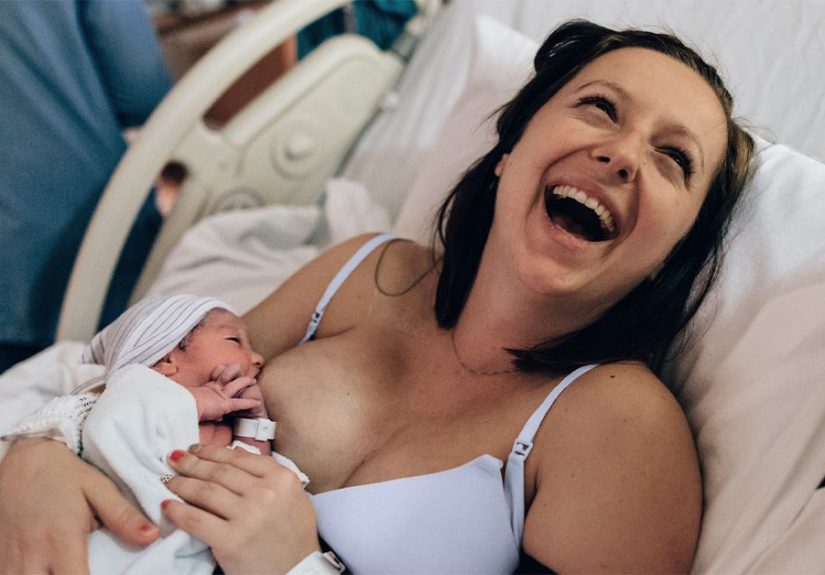
Then there is the relief when things finally move. People often say the first successful bowel movement after a C-section is weirdly emotional. You may feel triumphant, exhausted, and slightly offended that this is what counts as a major accomplishment now. But it does matter. A comfortable bowel movement can reduce pain, ease bloating, and make the whole postpartum period feel more manageable.
The most reassuring part of these experiences is that they are common. Feeling nervous about pooping after a cesarean does not mean you are weak, dramatic, or doing recovery wrong. It means you had major surgery and your body is healing. With the right support, the right bathroom strategy, and a little patience, most people get through this stage just fine. Not elegantly, perhaps. But very often, successfully.
Final takeaway
Constipation after a C-section is one of the most common and least celebrated parts of postpartum recovery. It usually happens because of a mix of surgery, medication, dehydration, iron, reduced activity, and plain old fear of straining. The best treatment is usually not one single trick, but a combination: fluids, fiber, short walks, a stool softener or laxative when appropriate, and a bathroom setup that makes pooping feel less like a high-stakes event.
If symptoms are mild, this phase usually passes. If symptoms are severe, persistent, or accompanied by vomiting, fever, severe pain, swelling, or inability to pass gas, get medical advice promptly. You just had a baby and major surgery. Your digestive system is allowed to be a little dramatic, but not infinitely so.