Table of Contents >> Show >> Hide
- What Makes the Best Sugar Cookies?
- The Ingredient Lineup That Actually Works
- The Best Sugar Cookie Recipe Framework
- Why Chilling the Dough Changes Everything
- How Thick Should You Roll Sugar Cookies?
- Common Sugar Cookie Mistakes to Avoid
- Best Ways to Decorate Sugar Cookies
- How to Store Sugar Cookies So They Stay Good
- Serving Ideas and Flavor Variations
- Conclusion: Why the Best Sugar Cookies Are Worth Mastering
- Real-Life Baking Experiences With The Best Sugar Cookies
- SEO Tags
There are two kinds of people in this world: people who claim sugar cookies are “too plain,” and people who have clearly never had a really good one. The best sugar cookies are not bland circles of edible office paper. They are buttery, tender, lightly crisp at the edges, soft in the center, and sturdy enough to decorate without snapping like tiny sweet drywall.
That balance is what makes sugar cookies great. Not too cakey. Not too dry. Not so fragile that one enthusiastic swipe of icing turns them into crumbs. Whether you want classic holiday cutouts, frosted cookies for a birthday tray, or a simple sprinkle-coated cookie that disappears before the coffee finishes brewing, the best sugar cookies come down to technique as much as ingredients.
This guide breaks down what actually makes a sugar cookie worth baking, how to avoid the most common mistakes, and a reliable recipe framework you can use again and again. In other words: fewer cookie tragedies, more buttery success.
What Makes the Best Sugar Cookies?
The best sugar cookies hit a very specific sweet spot. They should taste rich with butter and vanilla, have enough salt to keep the sweetness from becoming one-note, and bake with a neat, even shape. For cutout cookies, structure matters. For drop sugar cookies, tenderness matters. For all sugar cookies, flavor matters most.
A great sugar cookie also understands its mission. If it is meant for decorating, it should have a smooth top and hold a clean edge. If it is meant for eating warm off the tray while you stand in the kitchen “just testing one,” it should have a soft middle and delicate crackle. The real magic is when one cookie manages to do both reasonably well.
That is why the best recipes rely on a simple but carefully balanced lineup: butter for flavor, sugar for sweetness and spread, flour for structure, eggs for binding, vanilla for warmth, salt for contrast, and just enough leavening to lift the texture without turning the cookies into mini sheet cakes wearing frosting as a disguise.
The Ingredient Lineup That Actually Works
Butter
Butter is the backbone of classic sugar cookies. It gives the dough flavor, tenderness, and that irresistible bakery smell that makes everyone wander into the kitchen pretending they “just wanted water.” Use real butter, and make sure it is softened but still cool. If the butter is greasy or collapsing into a shiny puddle, the cookies are more likely to spread too much.
Granulated Sugar
Granulated sugar creates that traditional sugar cookie profile: clean sweetness, crisp edges, and a light surface crunch. Some bakers add a small amount of brown sugar for extra chew and depth, but a classic sugar cookie leans on white sugar for a bright, familiar flavor.
Flour
All-purpose flour is the everyday choice for most home bakers. It gives the cookies enough strength to roll, cut, and move. The trick is not to overdo it. Too much flour, especially from overmeasuring or adding a lot during rolling, can lead to dry, tough cookies that taste like sweetened cardboard in a festive shape.
Eggs
Eggs bind the dough and help with texture. One whole egg is enough for many cutout sugar cookies. Adding an extra yolk can make drop-style sugar cookies richer and softer, which is useful when you want more tenderness than snap.
Vanilla, Almond, and Salt
Vanilla is standard for a reason. It rounds everything out. A tiny splash of almond extract can make the flavor pop in a very “What is that? Why is this so good?” sort of way, but use it lightly. Salt is non-negotiable. Without it, sugar cookies can taste flat, even when the texture is perfect.
The Best Sugar Cookie Recipe Framework
This recipe aims for the ideal middle ground: soft centers, lightly crisp edges, enough structure for decorating, and flavor strong enough to stand on its own.
Ingredients
- 1 cup unsalted butter, softened but still cool
- 1 cup granulated sugar
- 1 large egg
- 1 large egg yolk
- 2 teaspoons pure vanilla extract
- 1/4 teaspoon almond extract (optional)
- 2 3/4 cups all-purpose flour
- 1 teaspoon baking powder
- 1/2 teaspoon baking soda
- 3/4 teaspoon fine salt
Method
- In a medium bowl, whisk together the flour, baking powder, baking soda, and salt.
- In a large bowl, beat the butter and sugar until light and creamy, about 2 to 3 minutes. Do not rush this step. This is where texture begins.
- Add the egg, egg yolk, vanilla, and almond extract if using. Mix until just combined.
- Add the dry ingredients on low speed and mix only until the dough comes together. Overmixing makes cookies tougher.
- Divide the dough into two portions. Place each portion between sheets of parchment and roll to about 1/4 inch thick.
- Chill the rolled dough for at least 1 to 2 hours, until firm.
- Preheat the oven to 350°F. Cut shapes from the cold dough and transfer them to parchment-lined baking sheets.
- If your kitchen is warm, chill the cut cookies for 10 minutes before baking.
- Bake for 9 to 12 minutes, depending on size, until the edges are just beginning to turn lightly golden.
- Cool on the pan for 5 minutes, then transfer to a wire rack to cool completely before decorating.
This recipe works beautifully for stars, hearts, circles, and holiday shapes. It also works as a simple rolled-and-sugared cookie if you skip the cutters and use a glass or round ring. Fancy is optional. Good flavor is not.
Why Chilling the Dough Changes Everything
If sugar cookies had a golden rule, it would be this: chill the dough. Then chill it again if necessary. Cold dough spreads less because the butter melts more slowly in the oven. That means sharper edges, better shape retention, and cookies that look intentional instead of emotionally overwhelmed.
Chilling also improves the dough itself. It gives the flour time to hydrate and makes the dough easier to handle. That means less sticking, less frustration, and dramatically fewer moments where you try to peel a tree-shaped cookie off the counter and end up with a Christmas amoeba instead.
For best results, roll the dough before chilling. This trick saves time, avoids adding too much flour during rolling, and makes it easier to cut clean shapes later. It is one of those small changes that feels annoyingly smart once you try it.
How Thick Should You Roll Sugar Cookies?
For most cutout sugar cookies, 1/4 inch is the sweet spot. That thickness creates cookies sturdy enough for decorating and soft enough to bite without sounding like you are chewing holiday pottery. If you roll thinner, around 1/8 inch, you will get crisper cookies with more snap. That can be lovely, but they are more delicate and easier to overbake.
Think of thickness as a style choice. Want cookies for kids to decorate with a mountain of icing? Go thicker. Want a crisper tea cookie with elegant edges? Go thinner. Just keep it even. Uneven dough means some cookies underbake while others get too dark, which is a rude thing for one baking sheet to do.
Common Sugar Cookie Mistakes to Avoid
Using Butter That Is Too Soft
Softened butter should yield slightly when pressed, not look like it survived a sauna. Overly soft butter leads to excess spread and weaker structure.
Adding Too Much Flour While Rolling
Flour helps with sticking, but too much turns tender dough into a dry one. Rolling between parchment is the cleaner solution.
Skipping the Chill Time
This is the classic shortcut that backfires. The dough becomes sticky, the shapes lose definition, and suddenly your snowflake looks like a suspicious cloud.
Overbaking
The best sugar cookies often look slightly underdone in the center when they come out. They continue to set on the pan. Wait until they are deeply golden and you may end up with crisp cookies when you wanted soft ones.
Decorating Warm Cookies
Icing and warm cookies are not friends. Let the cookies cool completely before decorating unless your goal is abstract expressionism.
Best Ways to Decorate Sugar Cookies
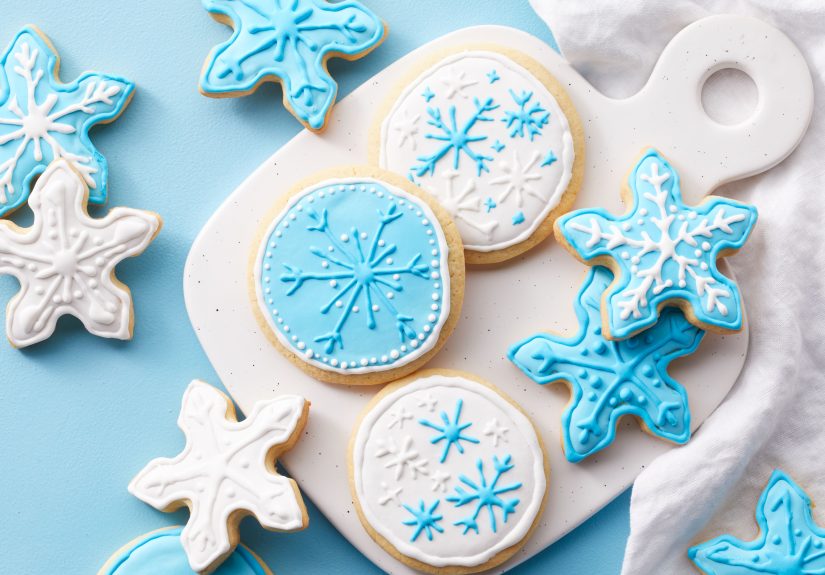
Decorating can be simple or elaborate. Both count. A dusting of sanding sugar before baking creates a sparkling finish with almost no effort. A basic powdered sugar icing gives you that classic homemade look. Royal icing offers the cleanest lines and prettiest details if you want a polished result.
The easiest beginner method is outline-and-flood. Use a slightly thicker icing to outline the cookie, then thin the icing a bit for flooding the center. A toothpick is perfect for nudging icing into corners and popping bubbles. This is where patience helps, but perfection is overrated. People are thrilled to eat a crooked star.
Flavor-wise, vanilla is the classic move, but citrus zest, almond extract, or even a little spice can make your cookies stand out. A lemon-vanilla sugar cookie with pale pink icing is excellent for spring. A vanilla-almond version with snowy white icing feels instantly festive in winter. Sugar cookies are basically tiny edible outfits. Dress them for the occasion.
How to Store Sugar Cookies So They Stay Good
Plain sugar cookies keep well in an airtight container at room temperature for several days. Layer them between parchment if you are stacking. Decorated cookies also store well once the icing is fully dry. If you are baking ahead, sugar cookie dough can usually be refrigerated for a couple of days or frozen for longer.
Baked cookies freeze well too. This is the sort of practical magic that makes holiday baking feel manageable. Make the dough now, bake later. Or bake now, freeze, and pull them out when guests appear with exactly twelve minutes of warning and suspiciously high expectations.
Serving Ideas and Flavor Variations
The best sugar cookies are surprisingly flexible. They belong on holiday platters, baby shower tables, birthday dessert boards, bake sale trays, and random Tuesdays when life feels like it would benefit from a cookie shaped like a heart.
- Classic vanilla: clean, buttery, and timeless
- Vanilla-almond: a bakery-style twist with extra aroma
- Lemon sugar cookies: bright and fresh for spring and summer
- Soft frosted style: thick cookies topped with pastel buttercream
- Sprinkle sugar cookies: easiest option, maximum cheerful energy
You can also sandwich two cookies with jam, glaze them with citrus icing, or top them with crushed freeze-dried berries for color and tartness. Sugar cookies are simple, but simple does not mean boring. It means versatile. There is a difference.
Conclusion: Why the Best Sugar Cookies Are Worth Mastering
The best sugar cookies are not complicated, but they are specific. They reward careful measuring, proper creaming, cold dough, even rolling, and a watchful eye near the end of baking. When you get those details right, you end up with cookies that look good, taste better, and somehow make the whole kitchen feel warmer.
More importantly, sugar cookies are not just a recipe. They are a ritual. They are the cookie you bake with kids, with friends, with family, or by yourself while pretending you are “just making a small batch” as if anyone believes that. They are festive without being fussy and nostalgic without being old-fashioned.
So if you are chasing the best sugar cookies, do not overthink it. Use good butter. Chill the dough. Roll with confidence. Pull the cookies before they get too dark. And remember: a slightly lopsided homemade sugar cookie still beats a perfect store-bought one almost every time.
Real-Life Baking Experiences With The Best Sugar Cookies
The funny thing about sugar cookies is that they seem simple right up until you make them. Then suddenly you are having a full emotional relationship with butter temperature, parchment paper, and whether that angel cookie still looks like an angel or now resembles a surprised pigeon. That is part of the charm. Sugar cookies teach patience in a very edible way.
One of the most common experiences bakers have is discovering that the first batch is rarely the best batch. The first batch is the test batch. It teaches you whether your dough needs more chill time, whether your oven runs hot, and whether your chosen cookie cutter has dramatic expectations that your dough cannot support. By batch two, confidence usually shows up. By batch three, people start saying things like, “Wow, these look professional,” and you pretend that was always the plan.
Another real experience with sugar cookies is learning that perfection is wildly overrated. The cookies people remember are usually not the most flawless ones. They remember the heart cookie with too much pink icing because a child got excited. They remember the snowflake that broke and got “repaired” with frosting. They remember standing around the kitchen counter decorating cookies badly and laughing anyway. A technically perfect cookie is lovely, but a cookie connected to a memory usually tastes better.
There is also the moment every baker knows: pulling a tray from the oven and wondering if the cookies are done. Sugar cookies do not always give dramatic visual signals. They are subtle. You look, tilt the tray, squint a little, and hope your instincts are better than your oven light. Over time, that judgment improves. You learn to trust pale tops, lightly golden edges, and the fact that cookies keep setting as they cool. This is one of those quiet kitchen skills that feels small until you realize it changes everything.
Decorating creates a whole separate category of experience. At first, it seems easy. Then you try to outline a star with royal icing and your hand suddenly behaves like it has never met a piping bag before. But after a few cookies, the rhythm clicks. Outline. Flood. Toothpick. Dry. Repeat. It becomes almost meditative. And if it never becomes meditative, that is also fine, because sprinkles exist and they are excellent at covering a multitude of sins.
Sugar cookies also tend to show up at emotional landmarks: first apartments, classroom parties, baby showers, holiday gatherings, late-night baking sessions in December, and random weekends when someone just needs a small win. That is why the best sugar cookies matter beyond flavor. They are practical, giftable, adaptable, and deeply nostalgic. They can be elegant enough for a celebration or casual enough to eat in socks while watching a movie.
In the end, the strongest experience most people have with sugar cookies is this: once you make a truly good batch, you stop thinking of sugar cookies as plain. You start noticing the butter, the vanilla, the tender crumb, the gentle snap at the edge, the way the icing complements rather than overwhelms. You realize the best sugar cookies are not boring at all. They are classics. And classics become classics for a reason.