Table of Contents >> Show >> Hide
- What You’ll Learn
- Container Gardening in One Minute
- 10 Must-Know Tips for Container Gardening Beginners
- Tip 1: Choose the right container (size + material)
- Tip 2: Drainage is non-negotiable (and rocks don’t help)
- Tip 3: Use potting mix, not garden soil
- Tip 4: Match plants to pot depth (roots are picky)
- Tip 5: Group plants with similar needs
- Tip 6: Put your containers where the sun actually is
- Tip 7: Water deeply, not desperately
- Tip 8: Fertilize like a grown-up (consistent, not chaotic)
- Tip 9: Plant and maintain for steady growth
- Tip 10: Plan for heat, wind, and seasonal changes
- Quick Starter Container Ideas (Easy Wins)
- Troubleshooting: The Most Common Beginner Problems
- Experience-Based Lessons: What Beginners Actually Run Into (And How They Adapt)
- Conclusion
Container gardening is the “small apartment friendly” version of growing plantsexcept your plants don’t pay rent,
and they still demand snacks (water) at inconvenient times. The good news: growing in pots is one of the fastest ways
to get big results with beginner-level commitment. You can garden on a patio, balcony, front steps, driveway, or
anywhere sunlight shows up like it owns the place.
The trick is understanding one big reality: a container is a tiny, controlled universe. That means you get more control
(yay), but you also have less margin for error (also yay… eventually). Use the tips below and you’ll skip most of the
classic “why does my basil look offended?” moments.
Container Gardening in One Minute
Plants in pots live differently than plants in the ground. In containers, soil warms up faster, dries out faster,
and loses nutrients faster (because watering flushes nutrients out). That’s why beginners often “do everything right”
and still end up with a thirsty, hungry plant that looks like it just watched a sad movie. The solution isn’t more drama
it’s better systems: proper drainage, quality potting mix, smart watering, and a simple feeding routine.
10 Must-Know Tips for Container Gardening Beginners
Tip 1: Choose the right container (size + material)
Pick your container like you’re choosing a home for a roommate who hates moving: give them enough space.
A pot that’s too small dries quickly and limits roots. A pot that’s enormous can stay soggy for too long if the plant
is tiny. Aim for “appropriate to the mature size,” not the baby seedling version you’re holding at the garden center.
Also consider material. Terracotta and other porous containers breathe, which is great for airflowbut they dry out faster.
Plastic and resin hold moisture longer and are lighter to move. Hanging baskets (especially with coir liners) can dry out
fast enough to make you question your life choicesso size up if you don’t want to water twice a day.
- Quick example: Herbs and green onions often do well in smaller pots, while tomatoes, peppers, and eggplant generally need larger, deeper containers.
- Mobility tip: If it’s heavy, use a plant caddy or dolly so you can chase the sun (or escape it).
Tip 2: Drainage is non-negotiable (and rocks don’t help)
Drainage is the #1 make-or-break factor. If water can’t leave the pot, roots lose oxygen and start rotting.
Your job is simple: make sure excess water has a clear exit, every time.
- Use containers with drainage holes, or drill them.
- Elevate pots slightly so holes aren’t blocked (bricks, pot feet, wooden slatswhatever works).
- Don’t let pots sit in a saucer of water for long periods unless you’re using it intentionally in extreme heat and you know the plant tolerates it.
And about that old gardening myth: putting gravel or rocks in the bottom of pots does not improve drainage in most situations.
It can actually reduce root space and interfere with how water moves through the container. Save the rocks for a dramatic garden path,
not your pot’s “drainage layer cosplay.”
Tip 3: Use potting mix, not garden soil
Garden soil belongs in the ground. In containers, it compacts, drains poorly, and can bring along weeds and pests.
Potting mix (or potting “soil”) is designed to be light, airy, and well-drainingexactly what container roots need.
Bonus move: pre-moisten dry potting mix before planting. Many mixes are peat- or coir-based and can be stubbornly hydrophobic when bone dry,
meaning water runs down the sides and out the holes without actually soaking in. If your potting mix ever dries into a brick, don’t panicrewet
slowly with repeated watering or a gentle drip so the soil can absorb moisture again.
- DIY shortcut: Many gardeners make simple mixes using ingredients like peat/coir plus perlite for drainage and aeration.
- Label reading wins: Some mixes include starter fertilizer, but it won’t feed your plants forever.
Tip 4: Match plants to pot depth (roots are picky)
A thriving container garden is basically “root management with nice decorations.” Different plants need different soil depth,
and ignoring this is how you end up with a sad tomato that produces one heroic cherry and then gives up.
Practical depth guide (general):
- Shallow (about 6–9 inches): lettuces, radishes, green onions, many herbs
- Medium (about 12–18 inches): peppers, eggplant, chard, kale, carrots (short varieties), broccoli
- Deep (about 18–24 inches): tomatoes, potatoes, cucumbers, squash (bush types do best), larger beans
For ornamentals, the same logic applies: bigger plants usually need bigger root space. When in doubt, choose one pot size up.
Your future selfwho doesn’t want to water three times a daywill be grateful.
Tip 5: Group plants with similar needs
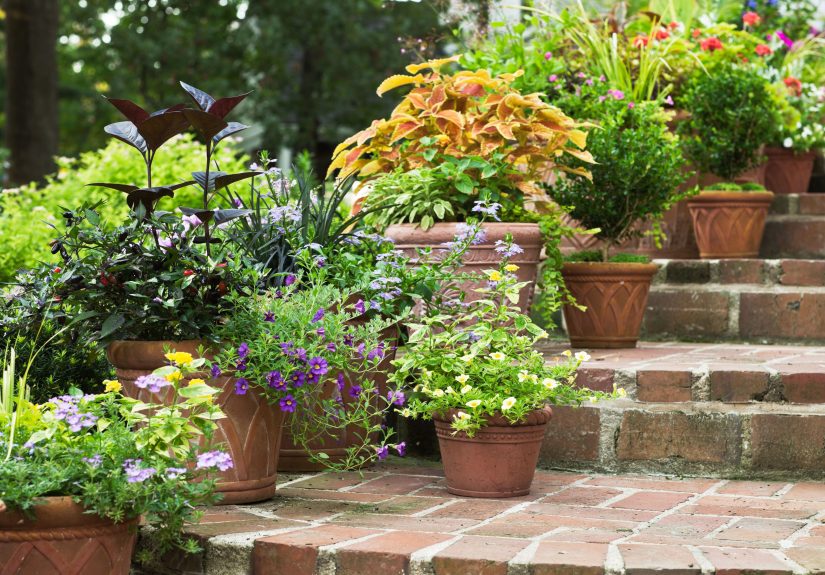
Mixed containers are gorgeous, but only when the plants want the same lifestyle. Combine plants with similar sun, water, and feeding needs.
If you pair a drought-tolerant succulent with a thirsty basil, one of them is going to have a bad timeand it won’t be the succulent.
A simple approach: decide the purpose first (edible bowl, pollinator pot, shade planter), then choose plants that match that environment.
For visual design, many gardeners use the “thriller, filler, spiller” idea: one tall focal plant, medium plants to fill volume, and trailing
plants to soften the edges.
Tip 6: Put your containers where the sun actually is
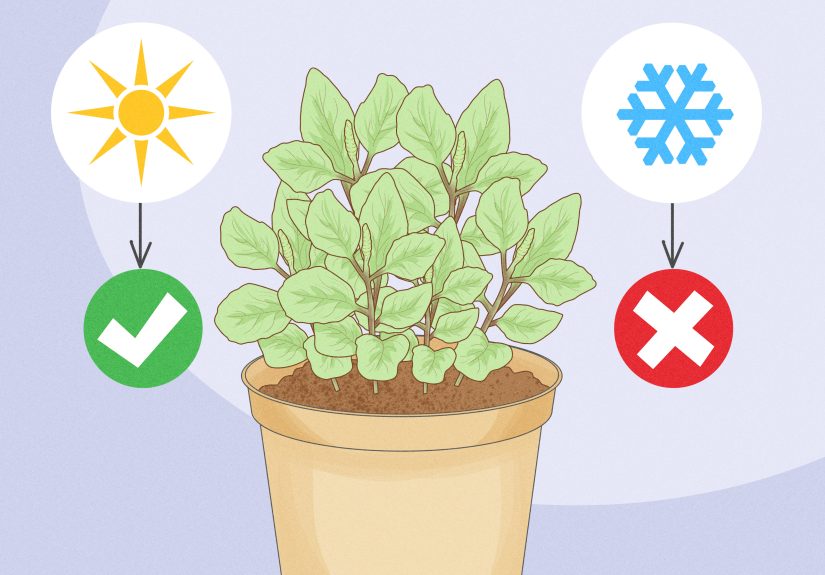
“Full sun” usually means at least 6 hours of direct sunlight, and many vegetables prefer even more. Beginners often overestimate sunlight,
especially on balconies where buildings and railings cast sneaky shade. Watch your spot across the day (yes, like a detective) before you commit.
- Place sun-lovers (tomatoes, peppers, many flowering annuals) in your brightest location.
- Use partial shade for greens or plants that scorch easily in hot afternoon sun.
- Be cautious near heat-reflecting walls or hot concretepots can overheat and stress roots.
If your “sunny spot” changes through the season (it does), move the pot. Wheels aren’t just for office chairs.
Tip 7: Water deeply, not desperately
Container watering is where most beginners either overdo it or forget it. The goal is steady moisturenot swamp conditions,
not desert cosplay. A reliable rule: check moisture with your finger. If the soil is dry a couple inches down, it’s time to water.
When you water, water thoroughly until you see water exit the drainage holes. That ensures the full root zone gets moisture.
In hot or windy weather, containers may need daily watering. Hanging baskets and small pots can need even more frequent attention.
- Best time: morning is ideal so plants hydrate before heat peaks.
- Consistency: a drip line or simple irrigation timer can turn “oops” into “I planned this.”
- Moisture helpers: mulch on top of the soil, self-watering containers, or a built-in reservoir system can reduce watering frequency.
Tip 8: Fertilize like a grown-up (consistent, not chaotic)
Here’s the deal: every time you water a container, nutrients gradually leach out. Even if your potting mix started with fertilizer,
it won’t last the whole season. Most container plants need regular feeding to keep growth and flowering steady.
A beginner-friendly strategy is “slow-release plus occasional liquid feed.” Mix a slow-release fertilizer into the potting mix at planting,
then supplement with a water-soluble fertilizer as the season progresses. Many guidelines suggest beginning regular fertilizer applications
a few weeks after planting, then adjusting based on growth and watering frequency.
- Edible containers: often benefit from consistent, lighter feeding rather than big, infrequent doses.
- Warning: more fertilizer is not more better. Over-fertilizing can burn roots and damage plants.
- Clue you’re underfeeding: pale leaves, slow growth, weak floweringassuming watering and light are correct.
Tip 9: Plant and maintain for steady growth
Planting well sets the tone for the season. Start with moist (not soggy) potting mix, place plants at the proper depth,
and press soil gently around roots so there aren’t big air pockets. Then water in thoroughly to settle everything.
After planting, maintenance is mostly small, regular actions:
- Pinch and prune: many herbs get bushier if you harvest regularly.
- Deadhead flowers: removing spent blooms often encourages more flowering.
- Rotate pots: if plants lean toward sunlight, turning the pot helps even growth.
- Support tall plants: stakes, cages, or a nearby trellis prevent wind damage (especially for tomatoes and top-heavy ornamentals).
Tip 10: Plan for heat, wind, and seasonal changes
Containers expose roots to more temperature swings than in-ground planting. In summer heat, pots can “cook” rootsespecially dark containers
sitting on hot concrete. In windy spots, small pots dry faster and topple easier. And in winter, containers can freeze hard and crack
(and roots can suffer) because they’re not insulated by the earth.
- Heat management: move pots during heat waves, provide afternoon shade, and keep containers off scorching surfaces.
- Wind management: group pots together, add weight at the base, or place them near a barrier (without blocking sun).
- Winter planning: if you’re overwintering perennials or citrus, move them to a protected, frost-free area when needed.
- Long-term plants: trees and shrubs in containers often need repotting or root pruning every couple of years.
Quick Starter Container Ideas (Easy Wins)
If decision fatigue is real for you (same), start with a proven combo:
1) The “Cut-and-Come-Again” Salad Bowl
- Leaf lettuce + arugula + spinach (shallow-root friendly)
- Green onions around the edge
- Optional: nasturtium trailing over the side (edible flowers and serious charm)
2) The “Salsa Night” Patio Pot
- 1 compact/bushy tomato variety in a large pot
- Basil as a fragrant filler
- Optional: trailing thyme or oregano spilling over the rim
3) The “Pollinator Party” Flower Container
- Thriller: ornamental grass or a tall flowering annual
- Fillers: zinnias or lantana (sun lovers)
- Spiller: calibrachoa or trailing verbena
Troubleshooting: The Most Common Beginner Problems
“My plant is wilting, but the soil is wet.”
That’s often a drainage/oxygen problem. Check holes, remove standing water, and confirm you’re using potting mixnot dense garden soil.
Soggy soil can suffocate roots even if you’re “watering with love.”
“My pot dries out five minutes after I water.”
Small containers, porous pots, heat, and wind speed up drying. Size up the pot, add mulch, and water deeply. If the soil went hydrophobic,
slow rewetting may be needed so water actually absorbs instead of running through.
“The leaves are pale and growth is slow.”
After you confirm light and watering are reasonable, suspect nutrition. Containers lose nutrients fast. Add a consistent feeding routine,
following label directions so you don’t accidentally create a fertilizer tragedy.
Experience-Based Lessons: What Beginners Actually Run Into (And How They Adapt)
Let’s talk about the part no one puts on the cute plant tag: your first season of container gardening is basically a relationship-building exercise.
At first, beginners tend to water on vibes. If the plant looks a little sad, they water. If the weather app shows 82°F, they water. If the moon is
in a phase that “feels dry,” they water. Then they discover the plot twist: many plants look wilted for two opposite reasonstoo little water
or too much water. That’s usually when the finger-test becomes a lifestyle.
Another common experience is realizing containers have microclimates. A pot on a sunny balcony might be 10 degrees hotter than the nearby yard,
especially if it sits on concrete that radiates heat like a stovetop. Beginners often notice this during the first heat wave: plants that looked
perfect in June suddenly struggle in July. The response evolves from “water more” to “move the pot, shade the pot, mulch the top, and water earlier.”
This is also when self-watering containers, drip lines, or a simple watering timer starts sounding less like “extra” and more like “genius.”
Beginners also learn that potting mix can behave oddly when it dries out completely. They water, and the water shoots out the bottom like a magic trick,
leaving the plant still thirsty. The fixslow soaking, repeated watering, or temporarily placing the pot in a shallow tub to rehydratefeels weird the first
time, but it’s a real “aha” moment. After that, many gardeners start checking containers daily during peak summer, not because they love chores, but because
five seconds of checking prevents five days of recovery.
Fertilizer is another experience curve. A lot of beginners assume potting mix is “food.” Then a few weeks pass, growth slows, and leaves turn pale.
They add fertilizer once, then forget, then add a lot, then panic. Eventually, most settle into a calm routine: slow-release at planting and a light,
regular feed during the season. The emotional difference is enormous. A steady feeding plan turns “why is nothing happening?” into “oh wow, it’s actually
thriving.”
And then there’s the moment every container gardener has: moving day. A pot that seemed “totally manageable” becomes a cement boulder once it’s filled with
wet mix and a happy plant. Many people learnthrough one sweaty mistakethat mobility should be planned early. Plant caddies, lighter containers, and smart
placement aren’t luxuries; they’re how you keep your back and your plants alive at the same time.
The best part? Beginners quickly realize container gardening rewards observation. You don’t need a giant yard or advanced skillsyou need a few solid
habits and the willingness to notice patterns. Over one season, most beginners go from “I hope this works” to “I know what this plant needs,” and that
confidence is the real harvest.
Conclusion
Container gardening for beginners is less about having a “green thumb” and more about building simple systems:
good drainage, quality potting mix, the right pot size, smart placement, consistent watering, and regular feeding.
Start small, choose forgiving plants, and treat the first season like a learning lab. Your plants will teach you fast
and unlike group projects, they won’t ask you to make a slideshow.