Table of Contents >> Show >> Hide
- What is a cracked tongue?
- Cracked tongue vs. other tongue changes
- What causes a cracked tongue?
- Symptoms of a cracked tongue
- How doctors and dentists diagnose a cracked tongue
- Treatment for cracked tongue
- Home care tips that actually help
- When to see a dentist or doctor
- Can you prevent a cracked tongue?
- What is the outlook?
- Experiences people often have with a cracked tongue
- Final takeaway
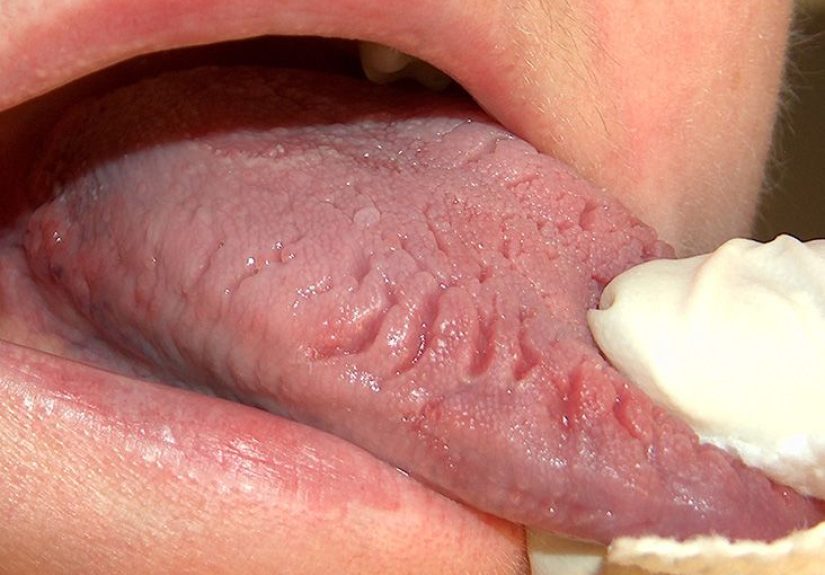
A cracked tongue can look dramatic in the mirror. One glance and it is easy to think, “Well, that does not look factory settings.” The good news is that a cracked tongue is usually harmless. In medical terms, it is often called fissured tongue. You may also hear names like furrowed tongue or lingua plicata, which all describe the same basic idea: grooves, cracks, or folds on the surface of the tongue.
For many people, a cracked tongue is simply a variation of normal anatomy, not a medical emergency and not a sign that the tongue is about to file a formal complaint. Still, the condition can be annoying when food debris collects in the grooves, the tongue feels irritated, or dry mouth makes everything feel rougher than usual.
This guide explains what a cracked tongue is, what may be behind it, the symptoms to watch for, how it is diagnosed, and what treatment actually helps. Spoiler: it is usually less about heroic medicine and more about smart oral care, good hydration, and knowing when to get a professional opinion.
What is a cracked tongue?
A cracked tongue is a tongue with visible grooves or fissures on its upper surface. Some people have one deep line running down the center. Others have several shallow or deep grooves that branch outward, almost like a tiny road map. The pattern can be mild, moderate, or pretty dramatic.
These cracks may be present for years and often become more noticeable with age. In many cases, they do not hurt at all. That is why many people discover them by accident while brushing their teeth, sticking out their tongue in the mirror, or wondering whether they really should have eaten those neon-blue popsicles.
Cracked tongue is commonly grouped with other benign tongue changes. It often appears alongside geographic tongue, another harmless condition in which smooth red patches form on the tongue because some papillae are missing in certain spots.
Cracked tongue vs. other tongue changes
Because the tongue can change color, texture, and shape for many reasons, it helps to know that not every tongue problem is a cracked tongue. A fissured tongue mainly involves grooves and folds. That is different from:
Geographic tongue
This causes smooth, red, map-like patches that can shift location over time. Some people have both geographic tongue and cracked tongue.
White tongue or oral thrush
This can cause a white coating, soreness, or patches that wipe off. That is a different issue and may be related to yeast overgrowth, dry mouth, medications, or other conditions.
Hairy tongue
This sounds like a horror movie prop, but it usually refers to an overgrowth of keratin on the tongue’s surface, giving it a fuzzy look. Again, not the same thing as fissures.
Ulcers, sores, or patches that do not heal
Persistent sores, bleeding, thick patches, or trouble moving the tongue deserve prompt evaluation because they can point to a more serious problem.
What causes a cracked tongue?
Here is the honest answer: doctors do not always know exactly why one person develops a cracked tongue and another does not. In many cases, there is no single clear cause. Instead, experts usually talk about associations, contributing factors, and patterns.
1. Natural variation and aging
For plenty of people, a fissured tongue is just how their tongue is built. The grooves may become more visible with age, which is one reason older adults notice the condition more often than children and younger adults.
2. Geographic tongue
A cracked tongue commonly appears along with geographic tongue. One condition does not always “cause” the other, but they often travel as a pair.
3. Dry mouth
When the mouth is too dry, the tongue can feel rough, irritated, and more prone to discomfort. Dry mouth may result from dehydration, certain medications, mouth breathing, radiation therapy, autoimmune conditions, or reduced saliva production. A dry tongue may also look more fissured.
4. Sjögren disease and other conditions linked to dryness
Sjögren disease is an autoimmune condition that commonly causes dry eyes and dry mouth. When saliva is limited, the tongue can appear dry and fissured, and the risk of irritation or infection goes up.
5. Down syndrome
Cracks and fissures of the tongue are more commonly noted in people with Down syndrome, especially as they get older. In this setting, the fissures themselves are not usually dangerous, but keeping the tongue clean can help reduce bad breath and trapped debris.
6. Melkersson-Rosenthal syndrome
This is a rare condition associated with facial swelling, facial nerve palsy, and fissuring of the tongue. Most people with a cracked tongue do not have this syndrome, but it is a recognized association that clinicians keep in mind when other symptoms are present.
7. Possible links with inflammatory or skin conditions
Some sources note that cracked tongue may be seen more often in people with psoriasis or similar inflammatory conditions. That does not mean the tongue change is dangerous, but it can be one piece of the larger health picture.
8. Nutritional issues or irritation in some cases
A cracked tongue itself is not usually caused by one vitamin deficiency alone. Still, if someone also has burning, soreness, redness, or other oral symptoms, a clinician may consider nutritional deficiencies, infections, or irritants as part of the workup.
Symptoms of a cracked tongue
The biggest symptom is usually visual: you see grooves on the tongue. That said, symptoms can vary quite a bit.
Common signs
- One or more visible cracks, grooves, or folds on the top of the tongue
- A central fissure with smaller branching lines
- Multiple shallow or deep grooves across the tongue surface
- A tongue that otherwise feels normal
Possible symptoms when the grooves get irritated
- Mild burning or tenderness
- Sensitivity to spicy, acidic, or hot foods
- Bad breath if debris or bacteria collect in the fissures
- A rough feeling on the tongue
- Occasional inflammation
Most people with a cracked tongue do not have severe pain. If you do have significant pain, swelling, bleeding, or a new change that seems to be getting worse, it is worth getting checked rather than trying to out-stare it in the bathroom mirror.
How doctors and dentists diagnose a cracked tongue
Diagnosis is usually straightforward. A dentist, primary care clinician, oral medicine specialist, or ENT doctor can often identify a cracked tongue during a basic exam.
They will typically look at:
- The pattern and depth of the grooves
- Whether there is redness, swelling, or trapped debris
- Whether you also have geographic tongue or signs of dry mouth
- Any white patches, sores, bleeding, or suspicious lesions
- Your medical history, medications, and symptoms
In many cases, no tests are needed. But additional evaluation may be recommended if the tongue change is new, painful, associated with dry mouth, or accompanied by other symptoms such as facial swelling, persistent oral sores, or difficulty swallowing.
Treatment for cracked tongue
Here is the simple version: most cracked tongues do not need treatment. The fissures themselves are usually harmless. Treatment focuses on keeping the tongue clean, preventing irritation, and addressing any related condition.
1. Practice good oral hygiene
This is the star of the show. Brush your teeth twice a day, floss regularly, and gently clean the tongue. A soft toothbrush or tongue scraper can help remove trapped food debris and bacteria from the fissures.
Be gentle. The goal is to clean the tongue, not to sand it down like an old coffee table.
2. Stay hydrated
Drinking enough water helps support saliva and overall oral comfort. If dry mouth is part of the problem, hydration matters even more.
3. Manage dry mouth
If your tongue feels dry, your clinician may suggest saliva substitutes, sugar-free gum or lozenges, medication review, or treatment for an underlying cause such as Sjögren disease. Dry mouth is not just uncomfortable; it also raises the risk of cavities and oral infections.
4. Avoid triggers if the tongue is sensitive
Some people notice more burning after spicy foods, acidic foods, alcohol, tobacco, or strongly flavored mouthwashes. If your tongue objects to hot salsa with the passion of a movie critic, listen to it.
5. Treat secondary problems when needed
If food debris, bacteria, or fungus causes irritation or infection, a clinician may recommend targeted treatment. That could include improving tongue cleaning, treating oral thrush, or managing inflammation. Mild topical medication may be used in selected cases when symptoms are significant.
6. Address related medical conditions
If your cracked tongue is showing up with dry eyes, facial swelling, repeated infections, or other health changes, the right move is to evaluate the bigger picture rather than just the tongue.
Home care tips that actually help
- Use a soft toothbrush or tongue cleaner once a day
- Rinse your mouth with water after meals if food tends to settle in the grooves
- Drink water throughout the day
- Limit tobacco and reduce alcohol if they worsen dryness or irritation
- Choose gentle oral care products if minty mouthwash feels like a flamethrower
- Keep regular dental visits so a professional can monitor any changes
When to see a dentist or doctor
A cracked tongue is usually nothing serious, but some symptoms should not be ignored. Make an appointment if you notice:
- Pain that does not improve
- Swelling, bleeding, or pus
- A white patch, red patch, lump, or thick area
- A sore that lasts more than two weeks
- Trouble chewing, swallowing, or moving your tongue
- Severe dry mouth, frequent cavities, or signs of oral thrush
- Facial swelling or recurring facial weakness
Those signs do not automatically mean something serious is going on, but they deserve a proper evaluation.
Can you prevent a cracked tongue?
Not always. Because fissured tongue is often a normal variation or related to age and other underlying factors, there may be no way to prevent the grooves from forming. But you can reduce the chance that they become bothersome.
The best prevention strategy is to keep the mouth healthy overall: good brushing, regular dental care, hydration, and early attention to dry mouth or other oral symptoms.
What is the outlook?
The outlook for a cracked tongue is excellent. Most people live with it just fine and never need treatment beyond daily oral care. The fissures may not disappear, but that is okay. A tongue can have grooves and still be perfectly healthy.
Think of it this way: some people have freckles, some have dimples, and some have a tongue that looks like it took a scenic route. Bodies are wonderfully weird sometimes.
Experiences people often have with a cracked tongue
Many people first notice a cracked tongue in an almost comically ordinary moment: brushing their teeth half awake, checking a canker sore, or making the mistake of using the bathroom mirror’s magnifying side. Suddenly the tongue looks unfamiliar, and the internet search begins. That first reaction is often worry. People assume the cracks must mean infection, vitamin deficiency, or something more serious. In reality, many find out during a dental exam that the grooves have probably been there for quite a while and are simply more noticeable now.
A common experience is having no symptoms at all. Some people live with fissured tongue for years and only discover it when a dentist points it out. Others describe occasional sensitivity rather than constant pain. They may say spicy chips, citrus, hot coffee, or strong mouthwash make the tongue sting for a bit. It is less “I am in crisis” and more “my tongue has become unexpectedly opinionated.”
Another frequent theme is food getting trapped in the grooves. Tiny particles from seeds, spices, or crunchy snacks may settle in the fissures and cause mild irritation or bad breath. Once people start gently cleaning the tongue every day, they often notice a big improvement. This is one reason dentists stress practical tongue hygiene instead of dramatic treatment plans.
People with dry mouth often describe a different kind of experience. The tongue may feel rough, sticky, or uncomfortable, especially overnight or first thing in the morning. In those cases, cracked tongue can feel more noticeable because the whole mouth is drier and more sensitive. Managing the dryness often matters as much as caring for the fissures themselves.
Some parents also notice a cracked tongue in a child or in a family member with Down syndrome and naturally wonder whether the appearance alone is dangerous. Usually, the answer is no. The focus is typically on keeping the mouth clean, watching for irritation, and staying in touch with dental professionals who know the person’s overall health history.
Emotionally, the most common experience is relief. Once people learn that a cracked tongue is usually benign, the panic level drops fast. The condition may not be pretty enough to win a beauty pageant for tongues, but it also usually does not need major treatment. For most, daily care, hydration, and professional checkups are enough to keep the situation calm and under control.
Final takeaway
A cracked tongue, or fissured tongue, usually looks more alarming than it actually is. The grooves can be deep or shallow, isolated or widespread, and they often become more noticeable with age. Most of the time, the condition is harmless and does not require direct treatment.
The main goals are simple: keep the tongue clean, stay hydrated, manage dry mouth if it is present, and get evaluated if you have pain, persistent sores, unusual patches, or other red-flag symptoms. In other words, your tongue may be quirky, but quirky does not equal dangerous.