Table of Contents >> Show >> Hide
- Diabetes, in plain American English (no PhD required)
- What is resveratrol, and why is it always hanging out with wine?
- Why scientists keep studying resveratrol for diabetes
- What the human research says (and what it doesn’t)
- Potential “bonus” effects researchers track (besides glucose)
- The red wine question (and the underage reality check)
- Safety: side effects, interactions, and who should be extra careful
- How to evaluate a resveratrol supplement (without getting played)
- If you want to try resveratrol: a smart, diabetes-friendly approach
- Real-life experiences: what “Diabetes and Resveratrol” looks like outside a lab (about )
- Conclusion: resveratrol is promising, but diabetes still demands the fundamentals
Resveratrol is the celebrity antioxidant that shows up to the party wearing a grape-skin tuxedo and whispering,
“I might help your metabolism.” Diabetes, meanwhile, is the very real, very unglamorous condition that asks,
“Cool storycan you actually help my blood sugar?”
This article breaks down what resveratrol is, why researchers keep studying it, what human studies suggest so far,
and how to think about it safely if you live with diabetes (or you’re trying to prevent it). Spoiler: it’s not a
magic wand, and your pancreas cannot be bribed with red wine.
Note: This is educational content, not medical advice. If you have diabetes, especially if you use insulin or certain medications, talk with a clinician before adding supplements.
Diabetes, in plain American English (no PhD required)
Diabetes is a condition where blood glucose (blood sugar) runs higher than it should. In type 2 diabetes (the most common form),
the body doesn’t use insulin well (insulin resistance), and over time the pancreas can’t keep up. In type 1 diabetes,
the body makes little to no insulin because of autoimmune damage.
Why the details matter
“Better blood sugar” isn’t one numberit’s a whole playlist:
fasting glucose, post-meal spikes, and A1C (an average of blood sugar over roughly 2–3 months).
Many adults aim for an A1C around 7% (individual goals vary based on age, health history, and hypoglycemia risk).
So when you hear “resveratrol helps diabetes,” the useful question is:
Which measure improved, by how much, and in whom?
What is resveratrol, and why is it always hanging out with wine?
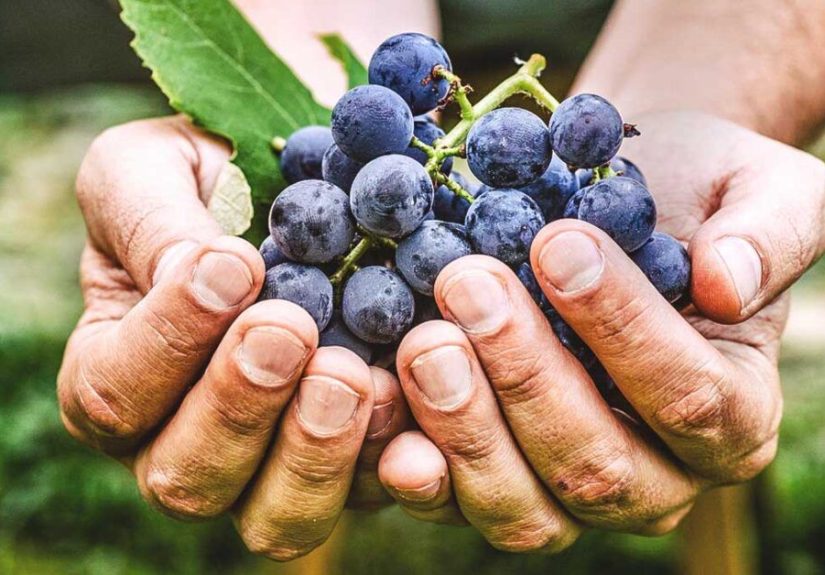
Resveratrol is a natural polyphenol (a plant compound) found in the skin of red grapes, blueberries, cranberries, peanuts,
and a few other plants. It’s part of why red wine gets talked about like it has a tiny cape on.
But here’s the reality check: the amount of resveratrol in foods and drinks is relatively small, and supplements
can deliver much larger doses than diet alone.
Food vs. supplements: same ingredient, very different experience
- In food: you get small amounts of resveratrol plus fiber, vitamins, minerals, and other helpful plant compounds.
- In supplements: you get a concentrated dose, but also bigger questions: absorption, quality control, interactions, and whether the dose is even useful.
Resveratrol also has a famous weakness: bioavailability. Your body metabolizes it quickly, so only a fraction may circulate in an active form.
That’s one reason researchers keep experimenting with different formulations and doses.
Why scientists keep studying resveratrol for diabetes
In lab and animal studies, resveratrol looks like it can influence several processes linked to insulin resistance and type 2 diabetes:
oxidative stress, inflammation, mitochondrial function (how your cells make energy), and pathways involved in glucose uptake.
Some researchers focus on signaling systems often described as “metabolic switches,” including SIRT1- and AMPK-related pathways.
The big idea (without the hype)
If a compound can reduce inflammation and oxidative stress, improve how cells use energy, and help tissues respond to insulin,
it could theoretically support better glucose control. The key word is theoreticallybecause human biology has a special talent for
being less cooperative than mouse biology.
What the human research says (and what it doesn’t)
Human studies on resveratrol and diabetes are realbut mixed. Some randomized trials and meta-analyses suggest modest improvements
in certain markers (like fasting glucose, insulin resistance measures, or A1C) in people with type 2 diabetes, especially at higher doses
and over longer supplementation periods. Other trials show little to no benefit.
Why results vary so much
- Different doses: studies have used a wide range (often hundreds of milligrams per day, sometimes more).
- Different durations: a few weeks vs. several months can yield very different outcomes.
- Different people: newly diagnosed vs. long-term diabetes, different baseline A1C levels, different body weights, different diets.
- Different meds: metformin vs. insulin vs. sulfonylureas can change both results and safety considerations.
- Different supplement quality: not all products match their labels perfectly.
So… does it “work”?
The most honest takeaway is this:
Resveratrol may offer small improvements in some glycemic measures for some people with type 2 diabetes, but it is not reliable or strong enough to replace proven diabetes care.
Think “maybe helpful side character,” not “main superhero.”
Potential “bonus” effects researchers track (besides glucose)
Diabetes isn’t only about sugarit’s also about cardiovascular risk, inflammation, blood pressure, lipid levels,
and long-term complications. Some studies and reviews have looked at whether resveratrol influences:
- Blood pressure (small changes have been reported in some analyses)
- Lipid profile (cholesterol and triglyceridesresults vary)
- Inflammation markers (sometimes modestly improved)
- Oxidative stress markers (often improved in lab settings; human data is less consistent)
There’s also interest in resveratrol’s possible role in diabetes-related complications (like vascular function and nerve health),
but much of that remains preliminary. If you see headlines declaring resveratrol “prevents diabetic complications,” treat that as an
early-stage research storylinenot a clinical guarantee.
The red wine question (and the underage reality check)
Because resveratrol is associated with red wine, people often ask: “Should I drink wine for my blood sugar?”
For anyone under the legal drinking age: no. Full stop.
For adults, alcohol and diabetes is complicated. Alcohol can raise or lower glucose depending on what you drink,
whether you eat, and what medications you take. A major concern is hypoglycemia (low blood sugar),
especially for people using insulin or sulfonylureas. Alcohol can also mask symptoms of low blood sugar, which is a rude trick.
Bottom line: resveratrol is not a good reason to start drinking alcohol, and red wine is not a supplement.
If your goal is metabolic health, food-based sources (berries, grapes) and evidence-based lifestyle steps
are safer places to invest your effort.
Safety: side effects, interactions, and who should be extra careful
Resveratrol is generally considered well tolerated in many studies, but “natural” doesn’t mean “risk-free.”
Reported side effects are often mild and may include gastrointestinal upset (nausea, diarrhea), headache, and fatigueespecially at higher doses.
Medication interactions to know about
- Blood thinners / anticoagulants / antiplatelet drugs: resveratrol may increase bleeding risk in theory and in some safety discussions.
- Diabetes medications: if resveratrol lowers glucose even slightly, it could increase hypoglycemia risk when combined with insulin or certain oral meds.
- Hormone-related medications: some references flag possible interactions with estrogen pathways.
Situations where “ask your clinician first” is not optional
- You’re pregnant, trying to become pregnant, or breastfeeding.
- You’re scheduled for surgery or have a bleeding disorder.
- You have liver disease or unexplained elevated liver enzymes.
- You take multiple medications and you’re not sure about interactions.
How to evaluate a resveratrol supplement (without getting played)
In the U.S., dietary supplements don’t go through the same pre-market approval process as prescription drugs.
That means quality can vary. If you’re considering resveratrol, treat shopping like you’re hiring a contractor:
you want receipts, credentials, and no suspicious “trust me, bro” energy.
What to look for
- Third-party testing: seals like USP, NSF, or other reputable verification programs can help confirm what’s in the bottle.
- Clear labeling: avoid vague “proprietary blends” where the resveratrol amount is hidden.
- Reasonable claims: skip anything promising to “reverse diabetes” or “replace medication.” That’s not how responsible science talks.
- Practical dose: many studies use hundreds of milligrams; food amounts are far lower. There’s no universally established therapeutic dose.
If you want to try resveratrol: a smart, diabetes-friendly approach
If you’re curious, the safest way to approach resveratrol is to treat it like a small experiment
inside a much bigger plan (nutrition, activity, sleep, stress, medications if prescribed).
A simple checklist
- Talk to your clinician/pharmacist if you take glucose-lowering meds or blood thinners.
- Pick one change at a time so you can actually tell what’s doing what.
- Track your data: fasting glucose, post-meal readings, or CGM trends if you use one.
- Watch for lows (especially if you’re on insulin/sulfonylureas). Have a plan for treating hypoglycemia.
- Give it a fair window: A1C moves slowly; short trials may only show noise.
- Re-evaluate: if you notice side effects, no benefit, or medication conflicts, it’s okay to stop.
And here’s the unsexy truth that still wins: the biggest, most consistent improvements in type 2 diabetes outcomes
come from proven strategiesweight management when appropriate, balanced nutrition, regular activity, and medications
that are known to work. Resveratrol, at best, is a possible “plus-one,” not the guest of honor.
Real-life experiences: what “Diabetes and Resveratrol” looks like outside a lab (about )
If you hang around diabetes forums, clinic waiting rooms, or family group chats long enough, you’ll notice a pattern:
people don’t try supplements because they hate science. They try them because they’re tired. Tired of numbers.
Tired of “be good” food rules. Tired of feeling like every meal is a math test. Resveratrol often enters the story
the same way: a friend mentions it, a headline promises “antioxidant support,” and suddenly someone is staring at a bottle
in a shopping cart thinking, Could this help me nudge my A1C down without turning my life into a spreadsheet?
One common experience is the “CGM honeymoon week.” Someone starts resveratrol, keeps everything else mostly the same,
and watches their glucose graph like it’s a season finale. Maybe their post-breakfast spike looks a little smootheror maybe it doesn’t.
That uncertainty can be frustrating, but it’s also a useful lesson: blood sugar is influenced by dozens of variables
(sleep, stress, exercise, carb type, timing, hydration, hormones, illness). A supplement has to fight for attention
in a very busy metabolic neighborhood.
Another real-world theme is the “food-first upgrade.” People read that resveratrol is in grapes and berries,
and instead of chasing high-dose pills, they start building snacks that actually make their day easier:
Greek yogurt with blueberries, a handful of peanuts, a salad with crunchy grapes, or a smoothie that doesn’t taste like punishment.
The funny part is that the benefit often comes less from resveratrol itself and more from the overall pattern:
more fiber, more protein pairing, fewer ultra-processed carbs, and better satiety. In other words, the lifestyle change
does the heavy lifting while resveratrol gets the photo credit.
Some people report mild stomach issues when they start supplementsespecially if they take them on an empty stomach.
The experience usually goes one of two ways: they adjust timing (with food) and symptoms fade, or they decide it’s not worth it.
That “not worth it” decision is actually a win in self-management. Diabetes care isn’t about collecting every possible tool;
it’s about building a routine you can live with for years.
There’s also the medication-awareness moment. Someone on insulin or a sulfonylurea tries resveratrol and notices a couple of
lower-than-usual readings. That can be scary, but it’s also empowering: it teaches them to respect interactions and to talk
with a clinician before stacking new variables. The best version of this story ends with a calm plan:
adjust monitoring, review medications, and prioritize safety over “biohacking.”
Finally, many people land on a balanced conclusion that sounds boringbut feels freeing:
resveratrol might be interesting, but the basics are still the champions. A short walk after meals. A protein-forward breakfast.
Strength training a couple times a week. Better sleep. Taking meds consistently. When those foundations are solid,
supplements become what they were always meant to be: optional extras, not emotional lifelines.
Conclusion: resveratrol is promising, but diabetes still demands the fundamentals
Resveratrol has intriguing biology and a growing pile of human researchsome of which suggests modest benefits for certain people
with type 2 diabetes. But the evidence is not consistent enough to treat it like a primary therapy.
If you’re curious, approach it carefully: prioritize food-first sources, choose reputable products, watch for interactions,
and track your glucose data. Above all, keep your focus on proven diabetes strategies that reliably move the needle.