Table of Contents >> Show >> Hide
- Why a Daily Bathtub Cleaner Works So Well
- Important First: Cleaning vs. Disinfecting
- DIY Quick Daily Bathtub Cleaner Recipe (Maintenance Spray)
- Stronger DIY Bathtub Cleaner for Buildup Days (Weekly Reset)
- Surface Safety: Where This DIY Cleaner Works (and Where It Doesn’t)
- What Never to Mix With Your DIY Bathtub Cleaner
- How to Make the Daily Routine Actually Stick
- Common DIY Bathtub Cleaner Mistakes (and Fixes)
- When to Skip DIY and Use a Store-Bought Product Instead
- Conclusion
- Experience-Based Tips and Everyday Scenarios (Extended 500+ Words)
If your bathtub seems to attract soap scum the way a black shirt attracts cat hair, you are not alone. The good news: you do not need a cabinet full of expensive products to keep a tub looking clean between deep scrubs. A smart, quick DIY daily bathtub cleaner can help prevent buildup, cut down on weekly cleaning time, and make your bathroom feel less like a chemistry lab and more like a place where adults are allowed to relax.
This guide walks you through a practical, safe, and surface-aware approach to making and using a DIY quick daily bathtub cleaner. You’ll get an easy recipe, a stronger backup option for buildup days, safety rules you should never skip, and real-life experience-based tips to help the routine actually stick.
Why a Daily Bathtub Cleaner Works So Well
The biggest cleaning secret is not “buy this miracle spray.” It’s don’t let buildup get comfortable. Soap scum, body oils, shampoo residue, and hard water minerals become harder to remove the longer they sit. A quick daily bathtub cleaner spray helps interrupt that cycle before your weekend turns into a scrubbing competition.
Think of it this way: a 30-second spray-and-wipe habit is basically preventive maintenance for your tub. It won’t replace a true deep clean forever, but it can dramatically reduce the frequency and effort of deep cleaning.
What the cleaner is doing
- Dish soap helps break down oils and residue.
- White vinegar helps loosen mineral deposits and soap scum on appropriate surfaces.
- Water dilutes the mix so it works as a daily maintenance cleaner instead of an aggressive treatment.
- Optional rubbing alcohol can help surfaces dry faster and reduce streaks on some hard surfaces.
Important First: Cleaning vs. Disinfecting
Your DIY daily bathtub cleaner is primarily a cleaner, not a hospital-grade disinfectant. That distinction matters.
Daily cleaning removes dirt, residue, and a lot of germs physically. Disinfecting is a different step used when you need to kill more germs on the surface (for example, after illness or when you need targeted sanitation). If you need disinfection, use an EPA-registered disinfectant and follow the label directions exactly.
Translation: your homemade spray is excellent for everyday tub maintenance, but don’t treat it like a one-bottle answer for every hygiene scenario.
DIY Quick Daily Bathtub Cleaner Recipe (Maintenance Spray)
Simple Daily Spray Recipe
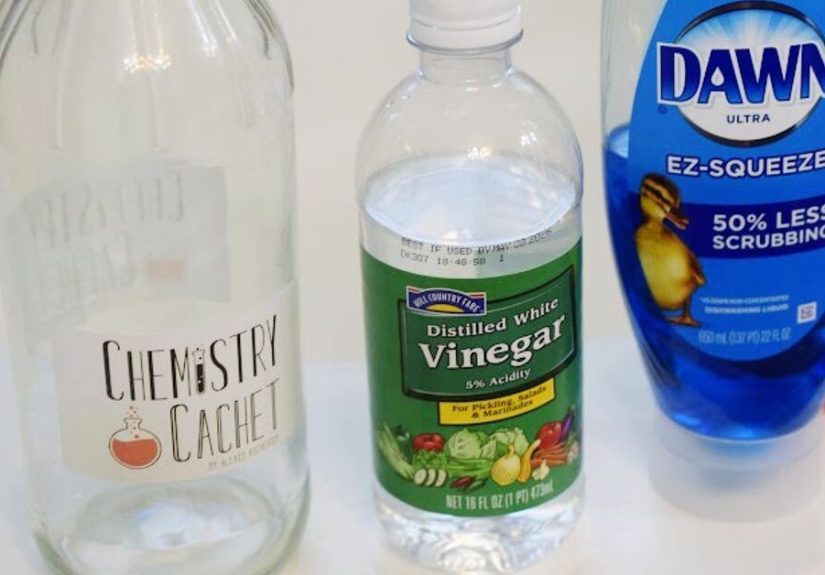
- 1 cup distilled water
- 1 cup distilled white vinegar
- 1 teaspoon liquid dish soap (a grease-cutting kind works well)
- Optional: 1 to 2 teaspoons isopropyl alcohol (for faster drying)
How to Make It
- Use a clean spray bottle (16–24 oz is ideal).
- Pour in the water first (this helps reduce foaming).
- Add the vinegar.
- Add the dish soap last.
- If using alcohol, add it after the vinegar and before the dish soap.
- Gently swirl to combine. Don’t shake like you’re making a cocktail unless you enjoy foam overflow.
- Label the bottle clearly: “Daily Bathtub Cleaner – Vinegar + Dish Soap (No Bleach)”.
How to Use It Daily (Takes About 30–60 Seconds)
- After bathing, rinse away loose suds and hair.
- Spray the tub walls and floor lightly.
- Let it sit for 1–3 minutes while you do something glamorous like hanging a towel.
- Wipe with a microfiber cloth or soft sponge.
- Rinse briefly (optional on some non-porous surfaces, but recommended for tubs).
- Dry with a microfiber cloth or squeegee if possible.
Best use case: This DIY quick daily bathtub cleaner is for maintenance and light residue. If your tub already has a thick soap scum “winter coat,” use the stronger reset method below first.
Stronger DIY Bathtub Cleaner for Buildup Days (Weekly Reset)
For tubs with visible soap scum or hard water film, use a stronger vinegar-and-dish-soap treatment once a week (or as needed), then return to the daily spray for maintenance.
Weekly Reset Recipe
- 1 part distilled white vinegar
- 1 part dish soap
How to Use the Weekly Reset
- Spray the mixture onto soap scum areas.
- Let it sit for 15–30 minutes (longer for heavier buildup).
- Wipe with a non-scratch sponge or microfiber cloth.
- Rinse thoroughly.
- Dry the surface to reduce water spotting.
If buildup is stubborn, repeat once rather than switching immediately to harsher products. Patience beats surface damage.
Surface Safety: Where This DIY Cleaner Works (and Where It Doesn’t)
This is the section that saves tubs, finishes, and future regret.
Usually Fine for (with a patch test first)
- Porcelain tubs
- Ceramic tile around tubs
- Acrylic/plastic tubs (use soft cloths only; no abrasive scrubbing)
- Fiberglass tubs (gentle application and soft cloth only)
- Glass shower doors near the tub (great for maintenance)
Avoid Vinegar-Based DIY Cleaner On
- Natural stone (marble, limestone, travertine, etc.)
- Stone resin surfaces (unless manufacturer guidance specifically allows it)
- Unsealed or damaged stone finishes
- Any surface the manufacturer says should not be cleaned with acidic products
Why? Vinegar is acidic. Acid can etch or dull certain stone and specialty finishes. If your tub surround includes stone accents, use a pH-neutral cleaner on those areas instead.
Patch-Test Rule (Always)
Spray a small hidden area, wait a few minutes, wipe, and inspect after drying. This is not paranoia. This is how you avoid learning about “etching” the expensive way.
What Never to Mix With Your DIY Bathtub Cleaner
This is non-negotiable. Even “natural” cleaning routines can become unsafe if products are mixed carelessly.
Never Mix With Bleach
- Vinegar + bleach can create toxic chlorine gas.
- Bleach + ammonia can create toxic chloramine gases.
- Bleach + many acidic bathroom cleaners can also release dangerous fumes.
Also Avoid Mixing Vinegar and Hydrogen Peroxide in the Same Bottle
These can react to form an irritating/corrosive compound. If you use both products in your cleaning routine, use them separately, rinse thoroughly between products, and allow surfaces to dry before switching.
Smart Safety Habits
- Label every DIY spray bottle clearly.
- Keep cleaners in original bottles when possible if you’re not making a diluted DIY mix.
- Ventilate the bathroom (fan or open window).
- Wear gloves if you have sensitive skin.
- Store cleaners out of reach of children and pets.
How to Make the Daily Routine Actually Stick
The best DIY bathtub cleaner is the one you’ll use. Here’s how to make the habit feel easy instead of annoying:
1) Keep the Spray Bottle in Reach
If the bottle lives in a cabinet behind six half-empty shampoo bottles and a mystery candle, you won’t use it. Store it where you can grab it immediately after a bath.
2) Pair It With a Tiny Trigger
Use the cleaner right after one action you already do every day, like hanging your towel or turning off the shower. Habit stacking works because your brain loves shortcuts.
3) Use a Microfiber Cloth, Not Your “Old T-Shirt Eventually”
A designated microfiber cloth makes the job faster and leaves fewer streaks. Keep one just for the tub and wash it regularly.
4) Add Drying to Cut Hard Water Spots
Spraying helps, but drying is the real overachiever. A quick wipe or squeegee after cleaning reduces spotting and slows new buildup.
5) Vent the Bathroom After Use
Moisture is the long-term enemy. Run the exhaust fan or open a window when possible to help the tub area dry faster and discourage mildew and mold growth.
Common DIY Bathtub Cleaner Mistakes (and Fixes)
Mistake: Using the strong mix every day
Fix: Use the lighter daily spray for routine maintenance and save stronger mixes for weekly reset cleaning. Overdoing it can be unnecessary and may be harder on some finishes.
Mistake: Scrubbing acrylic with abrasive pads
Fix: Use a soft sponge or microfiber cloth. Scratches trap grime and make the tub harder to clean later.
Mistake: Assuming “homemade” means universally safe
Fix: Check the surface type. Vinegar can be helpful, but not on acid-sensitive materials like many natural stones.
Mistake: Mixing products “for extra power”
Fix: Don’t improvise chemistry. More ingredients does not always equal more cleaning power. Sometimes it equals fumes.
Mistake: Skipping ventilation
Fix: Open the bathroom door, window, or run the fan after bathing and cleaning. Faster drying = less mildew drama.
When to Skip DIY and Use a Store-Bought Product Instead
DIY is great, but not mandatory. A store-bought cleaner may be the better choice if:
- You need a disinfectant for a specific hygiene reason
- Your tub surface requires a manufacturer-approved specialty cleaner
- You are sensitive to vinegar odor
- You want an EPA Safer Choice-labeled cleaner for a ready-made option
There is no trophy for mixing your own spray if your surface needs something else. The goal is a clean tub, not a homemade-products merit badge.
Conclusion
A DIY quick daily bathtub cleaner can be one of the simplest, cheapest ways to keep your bathroom looking better with less effort. A light vinegar, water, and dish soap spray works well for routine maintenance on compatible surfaces, while a stronger weekly version helps tackle soap scum and hard water buildup before it turns into a scrub-fest.
The most important part isn’t the recipeit’s the method: use the right cleaner for the right surface, never mix incompatible products, and help the tub dry faster with ventilation and a quick wipe-down. Do that consistently, and your bathtub stays cleaner longer without turning every Saturday into “Operation Remove The Ring.”
Experience-Based Tips and Everyday Scenarios (Extended 500+ Words)
In real homes, the difference between a “great DIY bathtub cleaner” and a forgotten spray bottle usually comes down to routine friction. People often start strong: new bottle, fresh cloth, big ambitions. Then life happens. A late work call, a tired evening, kids splashing like tiny sea monsters, or one “I’ll clean it tomorrow” that becomes next week. The tubs that stay easiest to clean are rarely in homes with perfect people. They’re in homes where the cleaning routine is small enough to survive busy days.
A very common experience is the hard-water surprise. Someone thinks the tub looks “mostly fine,” but under bathroom lighting, a chalky film keeps coming back. In that situation, a daily bathtub cleaner helps most when paired with drying. Spraying alone loosens residue, but wiping or squeegeeing after the spray is what usually cuts the visible spotting. Many people report that once they add a 20-second dry wipe, the tub starts looking cleaner for longerwithout changing the formula at all. In other words, technique beats overcomplicating ingredients.
Another common scenario is the weekend scrub cycle: the tub gets ignored all week, then cleaned aggressively once buildup is thick. This often leads to using too much product, scrubbing too hard, and feeling like bathroom cleaning is punishment. A quick daily spray interrupts that cycle. Even if you only use it four or five days a week instead of seven, it can noticeably reduce soap scum. People who shift from “deep clean only” to “light maintenance + occasional reset” usually find that the bathroom feels more manageable and less mentally exhausting.
There’s also the surface learning curve. Many people don’t realize their tub surround or vanity detail is natural stone or a specialty finish until they notice dull spots or etching. That’s why the patch test and surface check matter so much. In practical terms, the best experience comes from using the DIY cleaner on the tub and tile where it works well, then keeping a separate pH-neutral cleaner for stone or delicate finishes. Yes, it means two products. No, it does not mean failure. It means your bathroom survives.
Families often have the shared bathroom problem: one person loves “cleaning hacks,” another mixes products without reading labels, and someone else leaves the room sealed shut after a hot shower. The fix is surprisingly simple: label the bottle clearly, keep the fan on, and agree on one routine everyone can follow. A short note like “Daily tub spray onlyno bleach” sounds basic, but it prevents confusion and makes the habit safer.
Finally, the most encouraging experience people describe is that the bathroom starts looking “under control” instead of “always one shower away from chaos.” That feeling matters. A DIY quick daily bathtub cleaner is not just about saving moneyit’s about reducing effort, preventing buildup, and lowering the stress of cleaning. When the routine is easy, you do it more often. And when you do it more often, the tub stops becoming a weekend project and goes back to being, well, a bathtub.