Table of Contents >> Show >> Hide
- What Is Dermatographia, Exactly?
- Dermatographia Symptoms
- What Causes Dermatographia?
- How Dermatographia Is Diagnosed
- Dermatographia Treatment Options
- What to Expect: Outlook and Duration
- Practical Examples: Real Triggers People Miss
- Frequently Asked Questions
- Real-Life Experiences (500+ Words)
- Conclusion
If you’ve ever scratched an itch and then watched your skin “autograph” the moment like it’s signing a
celebrity headshot, you may have encountered dermatographia (also called
dermatographism or dermographic urticaria). The nickname is
“skin writing,” and honestly… it’s accurate. A light scratch, a tight waistband, even a
towel ruband suddenly your skin raises a tiny protest sign in puffy, red lines.
The good news: dermatographia is usually benign. The annoying news: it can be itchy, distracting,
and occasionally dramatic enough to make you wonder if your skin has started live-tweeting your life.
Let’s break down what’s happening, why it happens, and what actually helps.
What Is Dermatographia, Exactly?
Dermatographia is a type of physical (or “inducible”) urticariaa form of hives that appears
when the skin is triggered by a physical stimulus such as scratching, friction, or pressure. Instead of
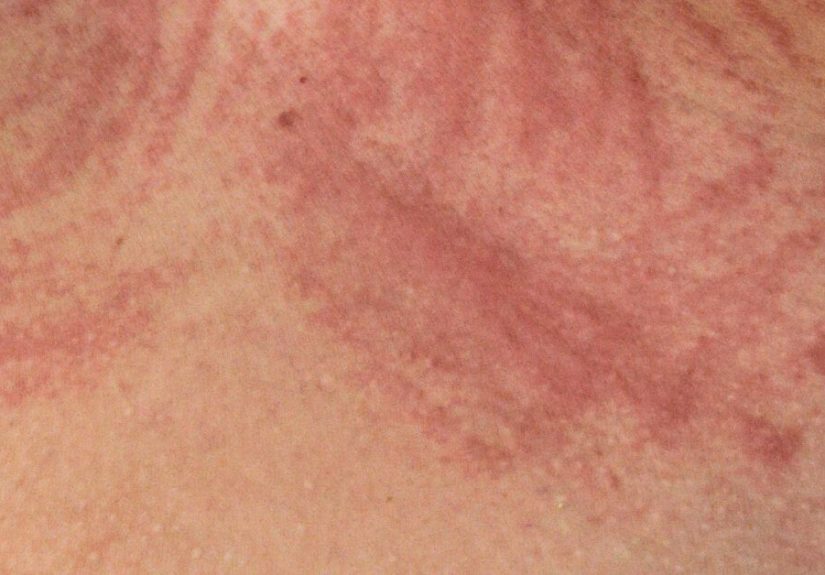
random hives, dermatographia typically creates linear welts (raised “wheals”) right where the
skin was stroked or scratched.
Under the hood, the reaction is closely linked to mast cells and the release of
histamine and other inflammatory mediators. Histamine makes blood vessels leak a little fluid
into surrounding tissue, which is why the skin becomes swollen and itchy.
Is It an Allergy?
Not usually. Dermatographia can look like an allergic reaction, but many people have it without a clear
allergen trigger. Think of it more like your skin has a “hair-trigger” response to mechanical irritation.
How Long Do the Marks Last?
The classic dermatographia pattern shows up fastoften within minutesand commonly fades within
about 30 minutes, though some people experience longer-lasting welts.
Dermatographia Symptoms
Symptoms can range from “mildly weird party trick” to “why am I itchy just from existing?” The most common
signs include:
- Raised, swollen lines where the skin was scratched or rubbed
- Redness and warmth in the same pattern
- Itching (sometimes intense, especially at night or after a hot shower)
- Burning or stinging sensations in some cases
- Wheals from pressure (tight clothes, backpack straps, watchbands)
Simple vs. Symptomatic Dermatographism
Some people have “simple” dermatographismmarks appear, but they don’t itch much. Others have
symptomatic dermatographism, where itching is a major problem and the skin reacts more
aggressively. If you’re losing sleep or changing your wardrobe to “only the softest fabrics known to humankind,”
you’re not being dramaticyou’re being practical.
What Causes Dermatographia?
Here’s the frustrating truth: in many cases, the exact cause is unknown. Dermatographia can
show up out of nowhere and then disappear months or years later, like a very itchy houseguest.
Common Triggers
Even when the underlying cause isn’t clear, certain triggers often make symptoms worse:
- Scratching and rubbing (including vigorous towel-drying)
- Pressure and friction from tight clothing, straps, or seams
- Heat (hot showers, saunas, summer weather)
- Stress and poor sleep (the body loves a “team effort”)
- Alcohol in some people (histamine and flushing can be a rude duo)
- Infections or illness that temporarily rev up the immune system
Risk Factors and Associations
Dermatographia can occur in otherwise healthy people, but it has also been reported alongside other conditions.
Associations don’t always mean causation, but clinicians may consider:
- Atopy (a tendency toward allergies, eczema, or asthma)
- Thyroid disease in some individuals with chronic hives patterns
- Medication effects (occasionally, certain drugs may aggravate itching or hives)
- Hormonal shifts (some reports note pregnancy or menopause as contexts where symptoms can appear)
The unifying theme is that dermatographia involves an exaggerated skin responseoften driven by mast cell activity
and histamine releaserather than a single, easily removed trigger.
How Dermatographia Is Diagnosed
Diagnosis is usually straightforward and doesn’t require a high-tech gadget (though your skin may already be
acting like one). A clinician often confirms dermatographia by:
- Reviewing your symptom history (timing, triggers, duration of welts)
- Gently stroking or pressing the skin to see if a wheal develops
- Ruling out other causes of chronic itching or rash when needed
Do You Need Allergy Testing?
Not always. Because dermatographia is typically triggered by mechanical stimulationnot a specific food or
environmental allergenroutine allergy testing may not be helpful unless your history suggests allergic hives
or you have other allergy symptoms.
When Doctors Look Deeper
If you have widespread hives that persist, significant swelling (angioedema), systemic symptoms, or hives lasting
longer than six weeks, a clinician may evaluate for broader urticaria patterns. In many chronic hives cases,
extensive testing still isn’t necessary unless there are clues pointing to an underlying issue.
Dermatographia Treatment Options
Treatment depends on how disruptive symptoms are. If the marks are mild and short-lived, you may not need much
beyond trigger management. If itching is frequent or sleep-disrupting, medication can be a game-changer.
1) Avoid-and-Reduce Strategies (Surprisingly Powerful)
- Go gentle on the skin: pat dry instead of rubbing, use lukewarm water, choose mild cleansers
- Moisturize daily: barrier support can reduce itch and sensitivity
- Wear soft, breathable fabrics: cotton and smooth seams are your allies
- Minimize friction: watchbands, backpack straps, and tight waistbands are common culprits
- Keep nails short: less “damage” if you scratch in your sleep
2) Antihistamines (The Main Event)
For many people, oral H1-antihistamines are the first-line treatment. Clinicians often start with
second-generation, less-sedating options such as cetirizine, loratadine, or fexofenadine. These
work by blocking histamine’s effects, reducing itch and wheal formation.
If standard dosing isn’t enough, some medical guidance for hives allows for higher doses under clinician
supervision (for example, “up-dosing” strategies used in chronic urticaria care). Do not self-escalate
without medical adviceespecially if you have other health conditions, take other medications, are pregnant, or
need to avoid drowsiness for work or driving.
3) Nighttime Itch Control
If symptoms are worst at night, a clinician may recommend a more sedating antihistamine or a different medication
approach for bedtime. The goal is better sleep and less scratchingbecause your skin can’t “write” dramatic poetry
if you’re not rubbing it like a genie lamp.
4) Add-On Options for Stubborn Cases
Dermatographia often responds to antihistamines, but if symptoms are persistent or overlap with chronic hives, a
specialist (allergist/immunologist or dermatologist) may consider additional therapies used in chronic urticaria
care. These can include:
- Other antihistamine strategies (sometimes combining approaches)
- Prescription therapies used for chronic urticaria in refractory cases (specialist-guided)
If you’re in the “I’ve tried everything and my skin is still doing calligraphy” category, that’s a good reason to
see a specialist.
5) Soothing Topicals and Home Relief
Topicals won’t stop the underlying histamine reaction, but they can reduce discomfort:
- Cool compresses for active itching
- Oatmeal baths for widespread itch
- Anti-itch lotions (e.g., pramoxine or menthol-containing products) if tolerated
- Fragrance-free moisturizers to support the skin barrier
What to Expect: Outlook and Duration
Dermatographia is often chronic but manageable. Some people experience it for a few months;
others for years. Symptoms may wax and wane with stress, weather, illness, and friction exposure.
Many cases are not dangerousjust inconvenient. But if you’re uncomfortable, losing sleep, or avoiding daily
activities, treatment is absolutely worth discussing with a clinician.
When to Seek Urgent Care
Dermatographia itself typically stays on the skin surface. Still, seek urgent medical help if you have:
- Swelling of the lips, tongue, or throat
- Trouble breathing or wheezing
- Dizziness, fainting, or signs of a severe allergic reaction
Those symptoms suggest something beyond simple “skin writing” and need prompt evaluation.
Practical Examples: Real Triggers People Miss
Dermatographia triggers can be sneaky. Here are a few real-world scenarios that often explain “mystery hives”:
- After a workout: sweat + heat + towel friction = instant welts
- New clothes: rough fabric, tight elastic, or scratchy tags
- Hot showers: heat can amplify itch, and towel rubbing finishes the job
- Backpacks and handbags: strap pressure across shoulders
- Bedtime scratching: you may not remember it, but your skin definitely does
Frequently Asked Questions
Is dermatographia contagious?
No. You can’t “catch” it from someone, and you can’t pass it along by sharing towels or hugs.
Does diet cause dermatographia?
Most cases aren’t driven by food. That said, some people notice certain foods or alcohol make itching worse.
If you suspect a pattern, keep a simple symptom diary and discuss it with a clinician rather than doing a
massive elimination diet on a hunch.
Can dermatographia be cured?
There isn’t a single cure pill, but many people control symptoms well with trigger reduction and antihistamines,
and some people improve over time.
Should I see a dermatologist or an allergist?
Either can help. Dermatologists are great for skin-focused evaluation and ruling out look-alikes; allergists/
immunologists are especially useful if you have chronic hives, angioedema, or need step-up therapy.
Real-Life Experiences (500+ Words)
Dermatographia is one of those conditions that sounds mildly magical until you’re living with it. Many people
describe the first time they notice it as a strange “is this normal?” moment: you absentmindedly scratch your arm,
and five minutes later you’re staring at raised lines like your skin just switched to 3D mode. For some, it’s
almost entertaininguntil the itching becomes the main character.
A common experience is that symptoms are predictable but hard to avoid. People often discover
patterns the same way you discover you’re lactose intolerant: not through a dramatic announcement, but through
repeated, slightly annoying evidence. Hot showers are a big one. Someone might step out of a steamy shower feeling
relaxed, towel off like they’re sanding a deck (we’ve all done it), and then wonder why their skin is suddenly
covered in red, itchy streaks. The “fix” ends up being surprisingly basic: lukewarm water, pat dry, moisturize,
and treat your towel like a gentle suggestion rather than a power tool.
Clothing choices also come up a lot. Many people with dermatographia become accidental experts in fabric
engineering. Tags, seams, rough knits, tight waistbandsthese can all trigger welts. Over time, people report a
kind of wardrobe evolution: fewer “cute but scratchy” items and more “soft, breathable, why is this shirt basically
a cloud?” pieces. Some even keep a backup outfit for long travel days because seatbelt friction and hours of sitting
can provoke pressure-related hives.
Another theme is the emotional side: itching is not just a skin sensation; it’s a concentration thief. People often
say the itch gets worse when they’re stressed, and then the itch itself becomes stressful (a perfect little loop that
no one asked for). Some find it helpful to treat flare-ups like a weather forecast: if you slept poorly, have a big
presentation, or it’s extra hot outside, you plan accordinglycooler showers, lighter fabrics, antihistamine timing
(with clinician guidance), and a “don’t scratch” strategy that’s realistic. Because “just don’t scratch” is like
telling someone with hiccups to “just stop hiccuping.” Helpful in theory. Not so much in practice.
People also describe small hacks that make daily life easier: keeping nails short, using a fragrance-free
moisturizer right after bathing, and applying cool compresses when itching spikes. Some keep a gentle anti-itch lotion
at their desk or in their baglike a tiny peace treaty between them and their immune system. If nighttime itching is a
problem, improving sleep routines can matter more than you’d expect. Better sleep reduces scratching, and less
scratching reduces the “skin writing” feedback loop.
Perhaps the most reassuring shared experience is this: once people understand what dermatographia is, it becomes
less scary. When you realize the raised lines are a histamine-driven skin responseand not a mysterious infection or
something “spreading”it’s easier to focus on management instead of panic-Googling at 2 a.m. With the right routine
and, when needed, the right medication plan, many people get to a place where dermatographia is more of a background
quirk than a daily battle. Your skin may still be a little dramaticbut at least you’re directing the show.