Table of Contents >> Show >> Hide
- What Is a Dermatologist?
- What Conditions Do Dermatologists Treat?
- What Procedures Do Dermatologists Perform?
- When Should You See a Dermatologist?
- What Happens During a Dermatology Visit?
- Dermatologist vs. Esthetician: What Is the Difference?
- How Dermatologists Create Treatment Plans
- Common Myths About Dermatologists
- Real-World Experiences: What Patients Often Learn From Seeing a Dermatologist
- Conclusion
- SEO Tags
At some point, almost everyone has stared at a mystery bump, rash, mole, patch, flake, spot, or “what in the name of body lotion is that?” moment and wondered whether it deserves medical attention. That is where a dermatologist enters the storynot with a cape, unfortunately, but often with a dermatoscope, a very bright exam light, and the calm confidence of someone who has seen 900 versions of “this weird thing on my arm.”
A dermatologist is a medical doctor who specializes in diagnosing and treating conditions that affect the skin, hair, nails, and mucous membranes. That sounds simple until you remember that skin is the body’s largest organ, hair has its own drama department, nails can send warning signals, and rashes have the personality of unsolved riddles. Dermatologists handle everything from acne, eczema, psoriasis, and hair loss to skin cancer screening, mole checks, infections, allergic reactions, cosmetic concerns, and complex diseases that may reflect problems inside the body.
In other words, a dermatologist does much more than recommend moisturizer. Although, to be fair, the right moisturizer can occasionally feel like a tiny miracle in a jar.
What Is a Dermatologist?
A dermatologist is a physician trained to care for the skin, hair, nails, and related tissues. In the United States, dermatologists typically complete college, medical school, an internship year, and several years of specialized dermatology residency training. Many also become board-certified, meaning they have met professional standards for knowledge, training, and continuing education in dermatology.
This matters because skin problems are not always “just skin problems.” A rash may be an allergic reaction, an autoimmune condition, an infection, a medication side effect, or a sign of another medical issue. A changing mole may be harmlessor it may need a biopsy. Hair loss might be genetic, hormonal, inflammatory, nutritional, stress-related, or caused by scarring disease. Dermatologists are trained to sort through these possibilities without turning every freckle into a five-act medical thriller.
What Conditions Do Dermatologists Treat?
Dermatologists treat thousands of conditions, but most patient visits fall into a few major categories. Some are common and annoying. Some are chronic. Some are urgent. Some are cosmetic but still deeply affect confidence and quality of life. The skin may live on the outside, but its effects are very personal.
Acne and Acne Scars
Acne is one of the most common reasons people see a dermatologist. It can show up as blackheads, whiteheads, inflamed bumps, deep cysts, or persistent breakouts that seem to hold a personal grudge. Dermatologists evaluate the type, severity, location, scarring risk, and possible triggers before creating a treatment plan.
Treatment may include topical medications, oral medications, hormonal options, procedures, or scar-focused therapies. A dermatologist can also identify when something that looks like acne is actually rosacea, folliculitis, perioral dermatitis, or another condition wearing acne’s costume.
Eczema, Dermatitis, and Itchy Skin
Eczema and dermatitis can cause dry, itchy, red, cracked, thickened, or irritated skin. Dermatologists help determine whether the trigger is atopic dermatitis, contact allergy, irritants, environmental factors, infection, or another cause. For some patients, the solution is a better barrier-repair routine. For others, it may involve prescription medications, patch testing, lifestyle adjustments, or long-term management.
Itch deserves respect. Anyone who has tried not to scratch at 2 a.m. knows that “just ignore it” is not a medical strategy; it is a comedy sketch with no punchline.
Psoriasis and Autoimmune Skin Disease
Psoriasis is a chronic inflammatory condition that can cause scaly plaques, nail changes, scalp symptoms, and sometimes joint issues. Dermatologists may coordinate care with rheumatologists when psoriatic arthritis is suspected. They also treat autoimmune blistering disorders, lupus-related skin disease, vitiligo, and other immune-mediated conditions that require careful diagnosis and follow-up.
Skin Cancer Screening and Suspicious Moles
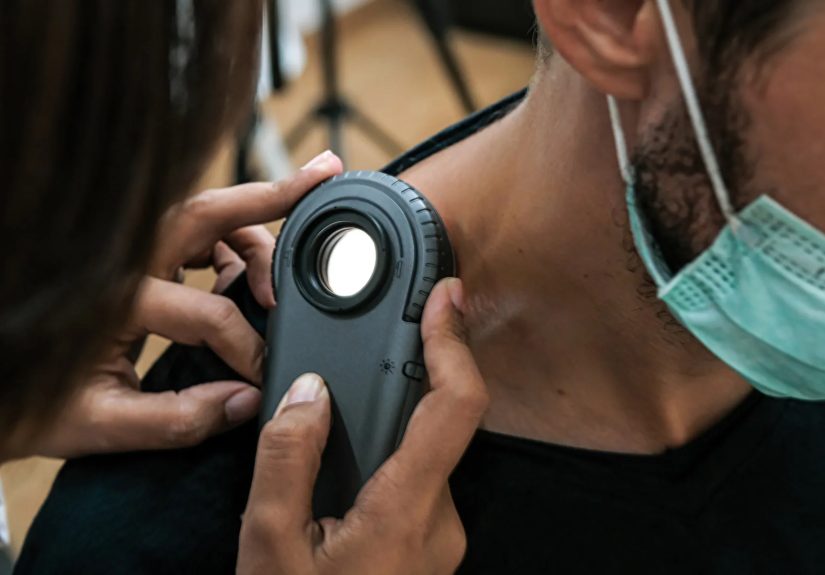
One of the most important roles of a dermatologist is evaluating suspicious spots and screening for skin cancer. Dermatologists examine moles, growths, non-healing sores, rough patches, and changing lesions. They may use a dermatoscope, a handheld magnifying device that helps them see structures not visible to the naked eye.
People are often told to remember the ABCDE warning signs of melanoma: asymmetry, border irregularity, color variation, diameter, and evolution. But dermatologists also look for the “ugly duckling” signa spot that looks different from the rest. If a lesion is concerning, the dermatologist may perform a biopsy so the tissue can be examined under a microscope.
Hair Loss and Scalp Problems
Hair loss can be emotionally stressful, especially because everyone on the internet suddenly becomes a shampoo scientist. Dermatologists evaluate patterns of shedding, scalp inflammation, family history, medications, hormonal factors, nutritional issues, and possible scarring conditions. They may diagnose androgenetic alopecia, alopecia areata, telogen effluvium, traction alopecia, seborrheic dermatitis, psoriasis of the scalp, or fungal infections.
The earlier scarring hair loss is diagnosed, the better the chance of slowing damage. That is why persistent scalp pain, itching, scaling, bald patches, or sudden shedding should not be brushed offno pun intended, though the pun has already entered the room.
Nail Disorders
Nails can reveal fungal infections, psoriasis, trauma, inflammation, tumors, medication effects, or systemic disease. Dermatologists treat brittle nails, thickened nails, discoloration, nail lifting, ingrown nails, painful nail folds, and suspicious dark streaks. Not every nail change is dangerous, but some deserve expert evaluation, especially if one nail changes suddenly or looks very different from the others.
Rosacea and Facial Redness
Rosacea can cause redness, flushing, visible blood vessels, acne-like bumps, burning, stinging, and eye irritation. Dermatologists help identify triggers and recommend treatments that may include topical prescriptions, oral medications, laser therapy, and gentle skin care changes. Rosacea often improves with the right plan, but it rarely appreciates aggressive scrubs, mystery acids, or “I saw this hack online” experiments.
Infections, Warts, and Growths
Dermatologists diagnose and treat bacterial, fungal, viral, and parasitic skin infections. They also remove or treat warts, cysts, skin tags, benign growths, precancerous lesions, and certain tumors. Treatments may include prescription medication, cryotherapy, minor surgery, injections, laser therapy, or other procedures depending on the diagnosis.
What Procedures Do Dermatologists Perform?
Dermatology combines medical care, visual diagnosis, pathology, surgery, and sometimes cosmetic artistry. A single dermatologist may spend the morning diagnosing rashes, the afternoon removing skin cancers, and the end of the day calming someone who accidentally introduced their face to an overenthusiastic exfoliating routine.
Skin Biopsy
A skin biopsy removes a small sample of tissue for laboratory testing. Dermatologists use biopsies to diagnose suspicious moles, rashes, inflammatory diseases, infections, and growths. Common types include shave biopsy, punch biopsy, and excisional biopsy.
Cryotherapy
Cryotherapy uses extreme cold, often liquid nitrogen, to treat certain warts, precancerous spots, and benign growths. The treatment is quick, although the skin may blister, crust, or peel afterward as it heals.
Excision and Minor Skin Surgery
Dermatologists can surgically remove cysts, lipomas, suspicious moles, and skin cancers. The removed tissue may be sent to a lab for confirmation. Depending on the area and condition, stitches may be used and follow-up care may be needed.
Mohs Surgery
Mohs micrographic surgery is a specialized technique used for certain skin cancers, especially in areas where preserving healthy tissue is important, such as the face. The surgeon removes thin layers of tissue and examines them until the cancer is cleared. This approach can be especially useful for high-risk or complex skin cancers.
Laser and Light-Based Treatments
Dermatologists may use lasers or light-based devices for redness, visible blood vessels, scars, pigmentation, hair removal, tattoo removal, sun damage, and some medical conditions. These treatments require careful patient selection because skin tone, diagnosis, medications, and healing tendencies all affect safety and results.
Cosmetic Dermatology
Some dermatologists also provide cosmetic treatments such as chemical peels, neuromodulator injections, fillers, laser resurfacing, scar revision, and treatments for pigmentation or texture. Cosmetic dermatology is not only about vanity. For many people, improving acne scars, facial redness, surgical scars, or pigment changes can genuinely improve confidence and comfort.
When Should You See a Dermatologist?
You do not need to sprint to a dermatologist every time your skin has an opinion. However, certain symptoms deserve professional evaluation. Schedule a visit if you notice a mole or spot that is changing, bleeding, itching, crusting, painful, or different from others. You should also seek care for persistent acne, sudden hair loss, severe dandruff, recurring rashes, nail changes, non-healing sores, unexplained itching, painful cysts, or skin symptoms that interfere with sleep or daily life.
If you have a personal or family history of skin cancer, many unusual moles, a weakened immune system, or significant sun exposure, a dermatologist may recommend regular skin checks. People with darker skin tones should also pay attention to spots on palms, soles, nails, and mucous membranes, where certain serious skin cancers can appear.
What Happens During a Dermatology Visit?
A dermatology appointment usually begins with your medical history. The doctor may ask when the issue started, whether it itches or hurts, what products you use, which medications you take, whether anyone in your family has similar problems, and what treatments you have already tried. This is not small talk. It is detective work, except the detective may ask about sunscreen and laundry detergent.
Next comes the exam. For acne, the dermatologist may examine your face, chest, back, or other affected areas. For hair loss, they may inspect the scalp and perform simple tests. For a full-body skin check, you may be asked to change into a gown so the doctor can examine your skin from scalp to feet. If a spot looks suspicious, a biopsy may be recommended. If the diagnosis is clear, treatment may begin right away.
How to Prepare for the Appointment
Bring a list of medications, supplements, allergies, skin care products, and previous treatments. If the issue comes and goes, photos can be extremely helpful. Try not to cover the affected area with heavy makeup, nail polish, or self-tanner before the visit, because those can hide important clues. For a mole check, be ready to point out spots that have changed or worry you most.
Dermatologist vs. Esthetician: What Is the Difference?
An esthetician provides cosmetic skin services such as facials, basic exfoliation, and product guidance. A dermatologist is a medical doctor who diagnoses and treats diseases of the skin, hair, nails, and mucous membranes. Estheticians can be helpful for routine skin care, but they do not replace medical evaluation for changing moles, severe acne, painful rashes, infections, unexplained hair loss, or suspicious lesions.
A simple rule: if the concern is medical, painful, persistent, changing, bleeding, spreading, or not improving, see a dermatologist or another qualified healthcare professional. If the concern is “my skin looks dull after finals week and three emotional support coffees,” an esthetician may be part of the funbut a gentle cleanser and sleep may also be quietly waving from the corner.
How Dermatologists Create Treatment Plans
Dermatologists do not treat every rash with the same cream or every breakout with the same prescription. A good treatment plan considers diagnosis, severity, age, skin type, skin tone, pregnancy status, other medical conditions, medication interactions, lifestyle, cost, and patient preferences. The best plan is not always the strongest plan. It is the safest effective plan the patient can actually follow.
For example, someone with mild acne may start with topical therapy and a simple routine. Someone with scarring cystic acne may need oral medication and closer monitoring. A patient with eczema may need barrier repair, trigger avoidance, and anti-inflammatory medication. A patient with psoriasis may need topical treatment, phototherapy, systemic medication, or biologic therapy depending on severity.
Dermatology is often about balancing science with real life. A treatment that only works if applied in seven steps twice a day while standing under a full moon is probably not a treatment plan; it is a part-time job.
Common Myths About Dermatologists
Myth 1: Dermatologists Only Treat Acne
Acne is common, but dermatologists treat a wide range of medical, surgical, pediatric, cosmetic, and cancer-related conditions. They care for newborn birthmarks, childhood eczema, teen acne, adult psoriasis, hair loss, nail disease, medication reactions, infections, and skin cancers in older adults.
Myth 2: A Skin Problem Is Never Serious
Many skin problems are harmless, but some are clues to infections, autoimmune disease, allergic reactions, or cancer. A dermatologist can tell the difference between “annoying but manageable” and “let’s test that.”
Myth 3: Expensive Skin Care Replaces Medical Care
Luxury packaging does not diagnose disease. A $90 serum may feel fancy, but it cannot biopsy a mole, identify psoriasis, treat skin cancer, or manage autoimmune blistering disease. Skin care can support skin health, but medical conditions need medical judgment.
Real-World Experiences: What Patients Often Learn From Seeing a Dermatologist
One of the most common experiences people have after visiting a dermatologist is surpriseusually the useful kind. A person may walk in thinking they have “stubborn dry skin” and learn it is eczema. Another may assume their adult acne is caused by dirty skin, only to discover that hormones, inflammation, and genetics are doing most of the mischief. Someone else may arrive worried about a scary-looking mole and leave reassured after an exam, while another patient may have a quiet-looking spot biopsied early enough to make treatment much simpler.
A dermatology visit can also change how people think about skin care. Many patients arrive with a bathroom shelf that looks like a tiny beauty store after an earthquake: acids, scrubs, masks, toners, spot treatments, oils, peels, and three products called “renewal” that are clearly not on speaking terms. A dermatologist often simplifies the routine. Cleanser, moisturizer, sunscreen, and targeted treatment may not sound glamorous, but consistency usually beats chaos. Skin likes boring more than social media admits.
Another experience patients describe is finally feeling heard. Chronic itching, visible redness, acne scars, hair shedding, or psoriasis plaques can affect confidence, sleep, school, work, relationships, and mental well-being. People sometimes hear “it’s just cosmetic” from others, but dermatologists understand that skin conditions can be physically uncomfortable and emotionally exhausting. Treating the skin can improve far more than the mirror; it can improve how someone moves through the day.
Patients also learn that results take time. Acne treatments may need weeks to months. Hair growth is measured slowly. Dark marks fade gradually. Psoriasis and eczema may flare and calm rather than vanish forever. Dermatology rewards patience, which is inconvenient because humans prefer instant results and skin prefers reading the manual twice before responding.
A good dermatologist also teaches patients what to watch for at home. That may include checking moles for changes, noticing new or non-healing spots, protecting skin from UV exposure, avoiding tanning beds, recognizing triggers, or knowing when a rash needs urgent attention. This education helps patients become better observers of their own skin without becoming full-time freckle detectives with a flashlight at midnight.
Finally, many people discover that dermatology is a partnership. The doctor brings training, diagnosis, procedures, and treatment options. The patient brings history, habits, goals, concerns, and feedback. If a medication burns, costs too much, feels confusing, or does not fit daily life, that information matters. The best dermatology plan is not the one that looks impressive on paper; it is the one that works safely in the patient’s real world.
Conclusion
A dermatologist is a medical doctor who specializes in the skin, hair, nails, and mucous membranes. Their work includes diagnosing rashes, treating acne, managing chronic diseases like eczema and psoriasis, evaluating hair loss, checking suspicious moles, performing biopsies, removing skin cancers, treating infections, and offering cosmetic procedures when appropriate. They are part detective, part surgeon, part educator, and part “please stop using lemon juice on your face” public service announcement.
If you have a skin concern that is painful, persistent, changing, spreading, bleeding, scarring, or affecting your confidence and daily life, a dermatologist can help identify what is happening and create a safe treatment plan. Healthy skin is not about perfection. It is about function, comfort, protection, and catching important problems early. Also, sunscreen. Always sunscreen. Your future self will send a thank-you card.
Note: This article is for general educational purposes and should not replace medical advice, diagnosis, or treatment from a licensed healthcare professional. For a personal skin, hair, nail, or mole concern, consult a qualified dermatologist or medical provider.