Table of Contents >> Show >> Hide
- What Is the Lodge Logic Cast-Iron Grill Press?
- Why Cast Iron Makes This Grill Press So Effective
- Best Uses for the Lodge Logic Cast-Iron Grill Press
- How to Use the Lodge Logic Cast-Iron Grill Press
- Cleaning and Care: Keep It Rust-Free
- Lodge Logic Grill Press vs. Other Grill Presses
- Pros and Cons of the Lodge Logic Cast-Iron Grill Press
- Tips for Better Results
- Who Should Buy the Lodge Logic Cast-Iron Grill Press?
- Experience Section: Real-Life Cooking Impressions With the Lodge Logic Cast-Iron Grill Press
- Conclusion
The Lodge Logic Cast-Iron Grill Press is one of those kitchen tools that looks simple enough to be ignoreduntil the first time it saves your bacon. Literally. This small, rectangular piece of pre-seasoned cast iron is designed to press food flat against a hot surface, helping bacon stay straight, burgers sear harder, sandwiches crisp more evenly, and steaks develop the kind of crust that makes people suddenly very quiet at the dinner table.
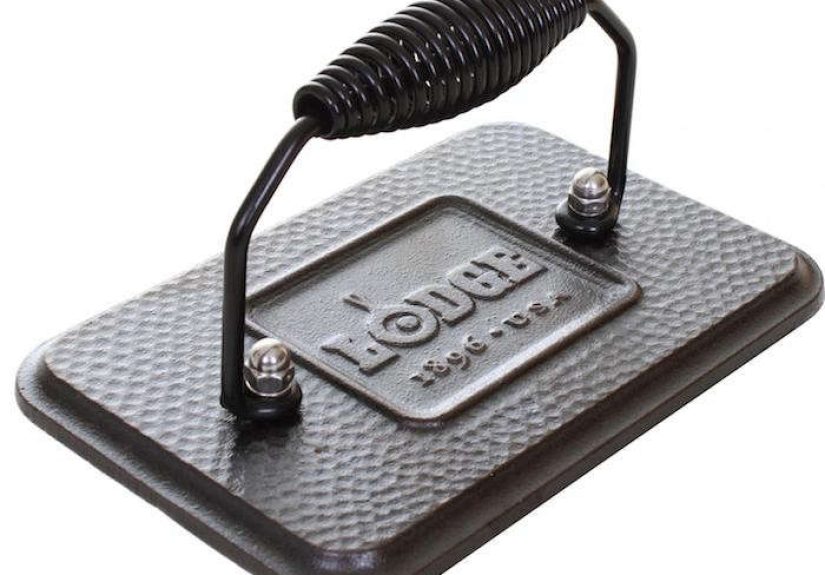
At about 6.75 inches by 4.5 inches, the Lodge Logic grill press is compact, sturdy, and built with the no-nonsense attitude Lodge is famous for. It has a heavy-duty cast-iron base, a hammered finish, and a cool-grip spiral handle that gives you better control when pressing food on a stovetop, grill, griddle, or campfire setup. It is not a flashy gadget. It does not beep, blink, pair with your phone, or ask for a firmware update. It simply gets hot, holds heat, and presses food like it has one job and takes that job personally.
What Is the Lodge Logic Cast-Iron Grill Press?
The Lodge Logic Cast-Iron Grill Press, commonly associated with the Lodge LGP3 model, is a rectangular cooking weight made from cast iron. It is pre-seasoned, which means it arrives with a basic layer of oil-baked seasoning already applied. That does not make it maintenance-free, but it does make it ready to use after a quick rinse and dry.
Its main purpose is to increase direct contact between food and a hot cooking surface. When food lies flat against a skillet, griddle, or grill pan, it browns more evenly. That browning is not just about color. It is flavor. It is texture. It is the difference between a burger that tastes like “dinner happened” and a burger that tastes like “someone in this kitchen knows secrets.”
Key Features at a Glance
- Material: Heavy-duty cast iron
- Shape: Rectangular
- Approximate size: 6.75 inches by 4.5 inches
- Finish: Hammered cast-iron surface
- Handle: Cool-grip spiral handle
- Use: Stovetop, grill, oven, griddle, and campfire cooking
- Care: Hand wash, dry immediately, and rub lightly with oil
Why Cast Iron Makes This Grill Press So Effective
Cast iron is loved because it retains heat beautifully. That matters in a grill press because the tool is not just applying weight; it can also deliver heat from above when preheated. Place the press on a hot skillet or griddle for a few minutes, then use it on bacon, chicken, burgers, or grilled sandwiches, and it helps cook from the top while the pan cooks from the bottom.
This is why the Lodge Logic Cast-Iron Grill Press can be more useful than a lightweight spatula or a flimsy kitchen weight. A spatula presses for a second. Cast iron keeps working. It holds food down, encourages even browning, and helps reduce curling. Bacon behaves. Sandwiches compress. Burger patties meet the griddle with enthusiasm. Even a stubborn pork chop learns some manners.
Best Uses for the Lodge Logic Cast-Iron Grill Press
1. Bacon That Stays Flat
Bacon has a dramatic personality. The second it hits heat, it twists, curls, shrinks, and generally acts like it has somewhere else to be. A grill press keeps bacon strips flatter against the pan, which helps them cook more evenly. The result is bacon with better texture from end to end, fewer chewy corners, and less of that awkward half-crisp, half-rubbery situation.
2. Smash Burgers With Serious Crust
The Lodge Logic Cast-Iron Grill Press is excellent for smash burgers, especially if you like thin patties with deeply browned edges. The trick is to place a ball of ground beef on a very hot griddle or cast-iron skillet, then press it firmly during the first few seconds of cooking. That early press increases contact with the surface, creating a flavorful crust.
For food safety, ground beef should be cooked to a safe internal temperature. A grill press can improve browning, but it does not replace a meat thermometer. Think of the press as the flavor assistant and the thermometer as the responsible adult in the room.
3. Grilled Cheese and Panini-Style Sandwiches
You do not need a giant electric panini machine to make a crisp, melty sandwich. A hot skillet and a cast-iron press can do the job beautifully. The Lodge grill press compresses the bread just enough to encourage even browning while helping cheese melt faster. It is especially good for sourdough grilled cheese, Cuban-style sandwiches, breakfast sandwiches, and leftover turkey melts.
The key is moderation. Do not crush the sandwich like it owes you money. Let the weight do most of the work, and press gently only when needed.
4. Chicken, Pork Chops, and Steaks
Uneven cuts of meat often make uneven contact with the pan. That means one section browns while another section politely steams in the corner. A grill press helps flatten the surface slightly, encouraging more consistent browning. For boneless chicken thighs, thin pork chops, skirt steak, and steak tips, this can make a real difference.
Use care with delicate proteins. Fish fillets, for example, may not appreciate being treated like a burger patty. If you use the press on fish, go lightly and consider placing parchment between the food and press to reduce sticking.
5. Vegetables That Need Better Contact
Vegetables also benefit from pressure. Zucchini planks, eggplant slices, mushrooms, onions, and bell peppers brown better when they stay in contact with the pan. A grill press helps push moisture out while encouraging caramelization. That means deeper flavor and fewer sad, pale vegetables that look like they missed the meeting.
How to Use the Lodge Logic Cast-Iron Grill Press
Step 1: Preheat the Cooking Surface
Start with a hot skillet, grill pan, griddle, or grill. Cast iron performs best when preheated gradually. Give your pan enough time to become evenly hot before adding food. If the surface is too cool, pressing food may squeeze out moisture without creating a proper sear.
Step 2: Preheat the Press When Needed
For bacon, sandwiches, and thicker foods, preheating the grill press can help. Set the press on the cooking surface for a few minutes so it absorbs heat. Always use a towel, oven mitt, or heat-resistant glove when handling it. The handle is designed for better grip, but metal near heat can still become very hot.
Step 3: Press With Purpose, Not Panic
Place the press on top of the food and let its weight do the work. For smash burgers, firm pressure at the beginning is useful. For sandwiches, chicken, vegetables, and bacon, steady weight is usually enough. Excessive pressure can squeeze out juices, flatten food too much, or cause sticking.
Step 4: Lift Carefully
When lifting the press, tilt it slightly to check for sticking. If food clings, use a thin spatula to release it gently. This is especially important with burgers or marinated foods. A light coat of oil on the press before cooking can help reduce sticking.
Cleaning and Care: Keep It Rust-Free
Like all traditional cast iron, the Lodge Logic Cast-Iron Grill Press should be washed by hand. Avoid the dishwasher, long soaking, and air drying. Water is not the enemy, but leaving water on cast iron is basically sending rust a handwritten invitation.
Simple Cleaning Routine
- Let the press cool until it is safe to handle but still slightly warm.
- Wash with warm water and a brush, sponge, or scraper.
- Use mild dish soap if needed.
- Dry immediately and thoroughly.
- Rub a very thin layer of cooking oil over the cast-iron surface.
- Store in a dry place.
If rust appears, do not panic. Cast iron is forgiving. Scrub the rust away, rinse, dry completely, oil lightly, and re-season if necessary. The more often you use and maintain the press, the better its seasoning can become.
Lodge Logic Grill Press vs. Other Grill Presses
There are many grill presses on the market, including stainless steel, aluminum, round cast-iron presses, and larger griddle presses. The Lodge Logic Cast-Iron Grill Press stands out because it combines compact size, heat retention, durability, and classic cast-iron performance.
Stainless steel presses can heat quickly and may be easier to clean, but they often do not retain heat like cast iron. Larger presses cover more food but may be awkward in smaller skillets. Round presses are useful for burgers and sandwiches, but the Lodge rectangular shape is especially practical for bacon, narrow cuts of meat, and smaller griddles.
The Lodge press is not perfect for every cook. If you regularly cook four huge burgers at once on a large outdoor griddle, you may want a bigger press. If you hate hand-washing cookware, cast iron may test your patience. But for home cooks who want a reliable, affordable, long-lasting press, this tool makes a strong case for itself.
Pros and Cons of the Lodge Logic Cast-Iron Grill Press
Pros
- Excellent heat retention
- Heavy enough to press food effectively
- Compact and easy to store
- Great for bacon, burgers, sandwiches, meats, and vegetables
- Pre-seasoned and ready for use
- Durable enough for indoor and outdoor cooking
- Classic Lodge construction with long-term value
Cons
- Requires hand washing and drying
- Can rust if neglected
- Handle may still get hot during cooking
- Smaller surface area than some large griddle presses
- May cause sticking if not oiled or used properly
Tips for Better Results
Use Parchment for Sticky Foods
For smash burgers, marinated chicken, or delicate sandwiches, a small piece of parchment paper between the food and the press can prevent sticking. This is especially useful when pressing raw ground beef.
Do Not Over-Press Juicy Foods
Pressing is helpful, but squeezing every drop of moisture out of a burger or steak is not a personality trait to admire. Use firm pressure when you need crust, then let the food cook.
Match the Press to the Pan
The Lodge Logic grill press works well in cast-iron skillets, grill pans, griddles, and on outdoor grills. Make sure the cooking surface is large enough so the press sits flat. A wobbly press is annoying and less effective.
Oil Lightly
A thin coat of oil helps prevent sticking and supports the seasoning. Do not use too much oil, or the press may become greasy and harder to clean.
Who Should Buy the Lodge Logic Cast-Iron Grill Press?
This grill press is a smart buy for people who cook bacon, burgers, grilled sandwiches, steaks, chicken, or vegetables regularly. It is also great for anyone who already owns cast-iron cookware and understands the basic wash-dry-oil routine. If your kitchen style leans toward simple tools that last for years, the Lodge Logic Cast-Iron Grill Press fits right in.
It is especially useful for apartment cooks who want better stovetop searing, backyard grillers who want flatter bacon or better burger crust, and breakfast lovers who believe bacon should not curl into edible question marks.
Experience Section: Real-Life Cooking Impressions With the Lodge Logic Cast-Iron Grill Press
Using the Lodge Logic Cast-Iron Grill Press feels a little like discovering a shortcut that should have been obvious all along. The first thing most people notice is the weight. It is not comically heavy, but it has enough heft to feel serious. When you set it over bacon, it settles with confidence. When you press a burger, it does not flex or wobble. When you place it on a grilled cheese sandwich, it gives the bread that satisfying, café-style compression without needing a countertop appliance the size of a small printer.
One of the best everyday experiences with this press is cooking bacon in a cast-iron skillet. Without a press, bacon often cooks unevenly, with curled ends that brown faster than the center. With the Lodge press, the strips stay flatter, and the fat renders more consistently. The result is bacon that looks neater, cooks more predictably, and fits better in sandwiches. A BLT made with flat bacon is simply a better-engineered sandwich. NASA may not be involved, but the structural improvement is real.
Smash burgers are another highlight. A hot cast-iron skillet, a small ball of ground beef, a little salt, and a firm press can create a crisp, browned crust that is difficult to achieve with gentle cooking. The Lodge press helps spread the patty thin and wide, increasing contact with the cooking surface. The key is to press early, hold briefly, and then leave the burger alone. Constant pressing after the crust forms can push out juices, which is not the goal. The goal is browning, not burger interrogation.
For grilled sandwiches, the press is wonderfully practical. It turns a regular skillet into a low-tech panini station. Buttered bread browns evenly, cheese melts faster, and fillings stay compact. It works especially well for ham and Swiss, turkey and cheddar, tuna melts, and mozzarella sandwiches with tomato and basil. A preheated press gives extra top-side warmth, helping the sandwich cook more evenly without flipping too soon.
The press also proves useful with boneless chicken thighs. Chicken thighs can be uneven, and some edges may lift away from the pan. Setting the press on top helps more of the meat touch the hot surface, improving browning. The same idea works for sliced onions, mushrooms, and zucchini. A little pressure encourages moisture to leave the food, which helps vegetables brown instead of steam.
There are a few lessons you learn quickly. First, use protection for your hands. The spiral handle is comfortable, but heat is heat, and cast iron does not care how optimistic you feel. Second, clean the press soon after cooking. If grease and browned bits dry onto the surface, the cleanup becomes more annoying. Third, dry it completely. A cast-iron grill press left wet in the sink is not “soaking”; it is auditioning for rust.
Storage is easy because the press is compact. It can sit in a drawer, on a shelf, or with other cast-iron pieces. Some cooks keep it near the stove because once you start using it, you may reach for it more often than expected. It is not just a bacon press or a burger press. It is a general-purpose cooking weight that helps solve one of the most common cooking problems: food not making enough contact with heat.
Overall, the Lodge Logic Cast-Iron Grill Press feels like a tool that earns its space. It does not promise magic, but it consistently improves simple foods. Bacon gets flatter, burgers get crustier, sandwiches get crispier, and vegetables brown with less fuss. That is a pretty good résumé for a small rectangle of iron.
Conclusion
The Lodge Logic Cast-Iron Grill Press is a practical, durable, and highly useful kitchen tool for anyone who wants better browning, flatter bacon, crispier sandwiches, and more satisfying sears. Its pre-seasoned cast-iron construction gives it excellent heat retention, while the compact rectangular shape makes it easy to use in skillets, grill pans, griddles, and outdoor cooking setups.
It does require proper care. You need to hand wash it, dry it right away, and keep it lightly oiled. But that small amount of maintenance pays off with years of reliable performance. For home cooks who love cast iron, diner-style burgers, weekend breakfasts, and golden grilled cheese sandwiches, this Lodge grill press is a small tool with a surprisingly big impact.
Note: This article is written for web publication in standard American English and is based on current publicly available product details, cast-iron care guidance, culinary testing insights, and food-safety best practices.