Table of Contents >> Show >> Hide
- Why DIY Slide-Out Shelves Are Worth the Effort
- Before You Build: What to Know First
- Tools and Materials
- How to Build DIY Slide-Out Shelves Step by Step
- Best Places to Install Slide-Out Shelves
- Common Mistakes to Avoid
- How Much Do DIY Slide-Out Shelves Cost?
- Final Thoughts
- Experience: What I Learned From Building DIY Slide-Out Shelves
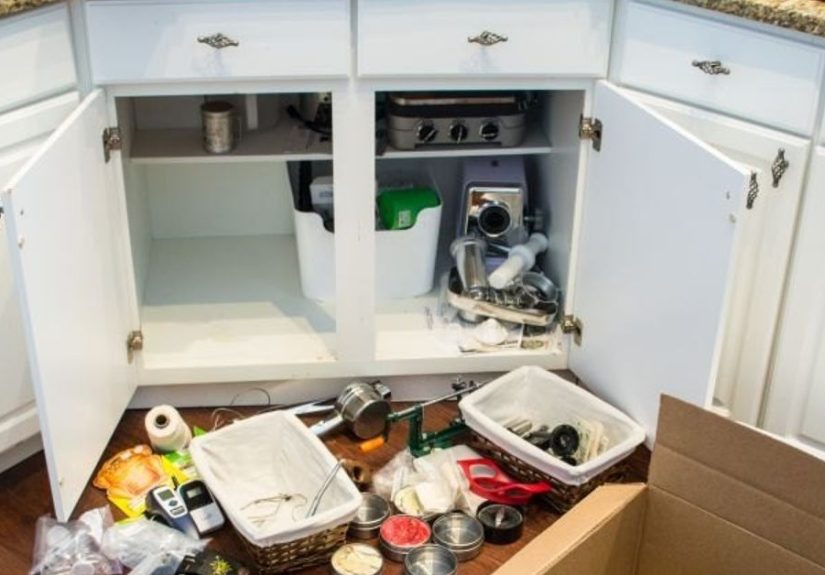
There are two kinds of base cabinets in this world: the ones you can use, and the ones that quietly eat your baking sheets, cleaning sprays, and that one casserole dish you swear you just had yesterday. DIY slide-out shelves are the fix. Instead of kneeling on the kitchen floor like you are searching for buried treasure, you pull a shelf forward and actually see what you own. It is part storage upgrade, part sanity saver, and part “why didn’t I do this sooner?” project.
Slide-out shelves, also called pull-out shelves or roll-out shelves, are one of the smartest ways to improve deep cabinets, pantry openings, bathroom vanities, laundry rooms, and even garage storage. Built correctly, they make hard-to-reach spaces easier to access, reduce clutter, and help you use every inch of a cabinet without turning the back corner into a mystery zone. Better yet, this is a project that can be tailored to your skill level. You can build a basic plywood tray with simple joinery, install quality drawer slides, and end up with a custom-looking upgrade that feels surprisingly high-end.
Why DIY Slide-Out Shelves Are Worth the Effort
The biggest benefit of slide-out shelves is visibility. Standard deep shelves hide items behind other items, which is a polite way of saying they create tiny household black holes. With a slide-out shelf, everything comes to you. That is especially useful in lower kitchen cabinets, where stockpots, food containers, small appliances, and pantry staples often get stacked in layers like a storage lasagna.
There is also a comfort factor. Pull-out shelves reduce bending, digging, and awkward twisting. In a kitchen, that means less crouching for Dutch ovens and slow cookers. In a bathroom vanity, it means less battling with cleaning products under the sink. In a pantry, it means you can finally see whether you have three cans of beans or twelve. Spoiler: it is usually twelve.
From an organization standpoint, DIY slide-out shelves can make an older cabinet system feel new again. If a full remodel is not in the budget, this upgrade gives you a lot of function for a relatively modest investment. It is one of those rare home projects that can look neat, work harder, and make daily life easier all at once.
Before You Build: What to Know First
1. Identify Your Cabinet Type
Start by figuring out whether your cabinet is face-frame or frameless. Face-frame cabinets have a front frame around the opening, which can reduce clear access and may require cleats, spacers, or rear brackets so the slides mount correctly. Frameless cabinets are more straightforward because the slides usually mount directly to the cabinet sides. This detail matters because your slide hardware and installation method depend on the cabinet construction.
2. Measure Like Your Project Depends on It
Because it absolutely does. Measure the opening width in several places, the interior cabinet depth, and the clear height available for each shelf. Check for hinges, door swing, pipes, disposal units, support rails, and anything else that could interfere with movement. If you are installing in a face-frame cabinet, note the difference between the opening width and the interior width behind the frame. A shelf that looks perfect on paper can become a stubborn little diva if you forget hinge clearance.
3. Choose the Right Drawer Slides
For most DIY slide-out shelves, full-extension side-mount slides are the practical sweet spot. They give you access to the back of the shelf and are widely available in common lengths and capacities. Soft-close slides are a nice upgrade if you want a smoother, quieter feel. Undermount slides look more concealed and polished, but they demand more precise drawer-box construction and specific clearances. If you want the easiest route, side-mount full-extension slides are your friend.
4. Match Materials to the Load
A shallow shelf for pantry goods does not need the same construction as a pull-out for cast iron pans or heavy mixers. In many cases, 1/2-inch or 3/4-inch plywood works well for the shelf box, while a 1/4-inch plywood bottom can handle lighter-duty use. If the shelf will hold heavier items, go sturdier with a thicker bottom, stronger joinery, and slides rated for more weight. Remember that slide capacity includes the weight of the shelf itself plus whatever you pile onto it.
Tools and Materials
You do not need a professional cabinet shop to build DIY slide-out shelves. A straightforward setup usually includes:
- Plywood for shelf sides, front, back, and bottom
- Full-extension drawer slides
- Wood screws and slide mounting screws
- Wood glue
- Drill/driver
- Tape measure
- Speed square or carpenter’s square
- Saw for cutting plywood
- Sandpaper or a sander
- Edge banding or trim, optional
- Cleats, spacers, or mounting blocks for face-frame cabinets
If you want the shelf to look a little less workshop and a little more “yes, I definitely meant for it to look this good,” finish the exposed edges with iron-on edge banding, hardwood strips, or a clean coat of paint.
How to Build DIY Slide-Out Shelves Step by Step
Step 1: Plan the Shelf Size
Your finished shelf must be narrower than the cabinet opening by the amount required for the slides. Always verify the manufacturer’s clearance requirements before cutting. A common mistake is assuming every slide needs the same side clearance. They do not. Hardware has opinions. Respect them.
Depth matters too. Choose a slide length that fits comfortably inside the cabinet while allowing the shelf to travel fully. In many kitchens, 18-inch, 20-inch, or 22-inch slides are common choices, depending on cabinet depth. Leave enough room at the back so the slide does not crash into the cabinet wall or plumbing.
Step 2: Cut the Parts
Cut two sides, a front, a back, and a bottom panel. A simple tray-style shelf with low sides is ideal for most applications because it keeps items from tumbling off while still letting you see what is stored. Side heights of around 3 to 4 inches are often a good balance. Tall enough to contain clutter, short enough to avoid turning the shelf into a cave.
Step 3: Assemble the Shelf Box
There are several ways to join the parts. For a beginner-friendly build, glue and screws or glue and brad nails can work well. Pocket screws are another solid option if you want stronger, cleaner joints. Make sure the box is square before fastening everything permanently. A shelf box that is even slightly out of square can bind later, and then you will spend an afternoon blaming the slides when the real culprit is geometry.
Install the bottom panel securely. For lighter storage, a thinner plywood bottom may be enough, but for cookware or bulk pantry items, reinforce the build. Strength is not glamorous, but neither is a sagging shelf full of canned tomatoes.
Step 4: Sand and Finish
Before installing the hardware, sand the shelf smooth. This is the stage where your project stops looking like leftover plywood and starts looking intentional. If the shelf will be in a kitchen or bath, apply a protective finish or paint to make cleanup easier. Moisture, crumbs, and mystery drips are part of the job description in these spaces.
Step 5: Install Cleats or Mounting Blocks if Needed
Frameless cabinets often allow direct mounting to the cabinet walls. Face-frame cabinets usually need extra support to bring the slides out flush with the frame opening. That can mean plywood cleats, rear brackets, or spacer blocks. The goal is to mount both slides perfectly parallel and level so the shelf glides smoothly instead of throwing a tiny mechanical tantrum.
Step 6: Mount the Cabinet-Side Slides
Use a spacer block or jig if needed so both sides are installed at the exact same height. Check that the slides are level from front to back and parallel to each other. Fasten with the recommended screws, but do not fully tighten every screw until you have tested alignment. Most slide installations become easier when you allow yourself a little room for adjustment.
Step 7: Attach the Shelf-Side Slides
Separate the slide members if your hardware requires it, then attach the moving part of the slides to the shelf box. Keep the placement consistent on both sides. Measure twice, align carefully, and avoid drifting off level. Tiny errors here can turn smooth travel into a jerky, annoying pull.
Step 8: Test, Adjust, and Load Lightly First
Slide the shelf into place and test the action. It should move easily, stay level, and clear the cabinet frame and hinges. If it rubs, sticks, or tilts, make small adjustments rather than forcing it. Once everything feels right, load the shelf lightly and test again before filling it to the brim with every spice jar in the Western Hemisphere.
Best Places to Install Slide-Out Shelves
DIY slide-out shelves are useful almost anywhere, but a few spots benefit the most:
- Lower kitchen cabinets: Great for pots, pans, food containers, mixing bowls, and small appliances.
- Pantry cabinets: Perfect for canned goods, snacks, baking supplies, and bulk items.
- Under-sink cabinets: Helpful if you build around plumbing and use a shallower layout.
- Bathroom vanities: Ideal for hair tools, cleaning supplies, and backup toiletries.
- Laundry rooms: Useful for detergents, dryer sheets, and household extras.
- Garage cabinets: Stronger versions can organize tools, hardware, and car-care supplies.
Common Mistakes to Avoid
The most common mistake is bad measuring. The second most common mistake is assuming the first measurement was somehow emotionally correct even though it was physically wrong. Beyond that, watch out for these issues:
- Ignoring hinge clearance in face-frame cabinets
- Buying slides before checking required side clearance
- Using lightweight hardware for heavy-duty storage
- Installing slides that are not level or parallel
- Building the shelf too tall for the cabinet opening
- Forgetting back-of-cabinet obstructions like pipes or braces
- Skipping edge finishing in visible cabinets
Another smart tip: do one shelf first before committing to a full cabinet makeover. The first build teaches you everything the second build wishes you had known. After that, the process gets faster, cleaner, and much less dramatic.
How Much Do DIY Slide-Out Shelves Cost?
The final cost depends on the size, the number of shelves, and the hardware you choose. A basic DIY shelf made with plywood and standard full-extension slides can be relatively affordable, especially compared with a full cabinet replacement or premium custom inserts. Upgrading to soft-close, premium slides will raise the cost, but it also improves the feel and performance.
For many homeowners, the value is not just in the shelf itself but in how much more functional the cabinet becomes. A well-built pull-out shelf can make an awkward lower cabinet feel like a custom storage feature, which is a pretty good return on a weekend project.
Final Thoughts
DIY slide-out shelves hit the sweet spot between practical and satisfying. They make cabinets easier to use, help organize deep storage, and deliver that rare home-improvement joy of fixing something that has annoyed you for years. Whether you are updating a kitchen, refining a pantry, or making a bathroom vanity less chaotic, this project brings real everyday value.
The secret is careful planning. Measure accurately, choose hardware that matches the job, build a square shelf, and install the slides with patience. Do that, and your cabinets will stop behaving like dark little caves and start working like they were designed by someone who actually cooks, cleans, and lives in the house.
Experience: What I Learned From Building DIY Slide-Out Shelves
The first time I built slide-out shelves, I was convinced the hard part would be cutting the wood. It was not. The hard part was admitting that my cabinet was not the clean, perfect rectangle I had imagined. The opening looked square until I measured it in three places and realized the back width was slightly different from the front. That was my first lesson: cabinets have history. They settle, shift, and quietly refuse to match your sketch unless you verify every dimension.
My second lesson came from the hardware aisle. I almost bought drawer slides based entirely on price, which is usually the beginning of a very educational mistake. Once I understood how slide clearance works, I realized the hardware was not a side note to the project; it was the project. The shelf box had to be built around the slides, not the other way around. That one mindset change saved me from building a very handsome shelf that would never have fit.
During installation, I learned how valuable spacer blocks and test fitting can be. On paper, mounting slides sounds simple: attach left side, attach right side, slide shelf in, admire yourself. In real life, one slide ends up a hair higher than the other, and suddenly the shelf moves like it is offended. Using a simple scrap block as a guide made everything easier. The moment both sides were truly level and parallel, the shelf glided in like it belonged there all along.
I also discovered that shallow sides on the shelf were better than I expected. At first, I wanted tall sides because I was worried things would tip out. But low-profile sides made it much easier to see and grab items. That mattered most in the pantry cabinet, where the old fixed shelf had become a graveyard for duplicate pasta boxes and long-forgotten sauces. Once the pull-out was installed, I could scan everything from above in a second. It felt less like storage and more like strategy.
The biggest payoff came after the build was finished. Every time I opened the cabinet, the upgrade made an ordinary chore slightly easier. I stopped kneeling to search. I stopped unloading the front row just to reach the back. I stopped buying duplicates because I could finally see what was already there. That is what makes DIY slide-out shelves such a satisfying project: they do not just improve a cabinet, they improve the rhythm of daily life. And unlike trendy upgrades that look exciting for two weeks and then disappear into the background, this one earns its keep every single day. It is practical, it is customizable, and once you build one good shelf, you start eyeing every bad cabinet in the house like a home-improvement detective with a mission.