Table of Contents >> Show >> Hide
- So… does melatonin cause hair loss?
- Why people think melatonin is the culprit (even when it isn’t)
- What research says about melatonin and hair follicles
- Could melatonin indirectly affect hair shedding?
- If you started melatonin and noticed shedding, here’s a smart way to troubleshoot
- Can melatonin help with hair growth?
- FAQ: quick answers people actually want
- Experiences: What People Commonly Report About Melatonin and Hair Changes
- Experience Pattern #1: “I started melatonin during a stressful time… then my hair started shedding later.”
- Experience Pattern #2: “I tried a higher dose and felt weirdthen I worried everything was going wrong.”
- Experience Pattern #3: “I switched brands and had a totally different reaction.”
- Experience Pattern #4: “Topical melatonin seemed to help my shedding.”
- Experience Pattern #5: “Once I fixed sleep and stress, the hair followed.”
- Conclusion
You take a melatonin gummy, drift off to sleep, and wake up feeling like a responsible human with a bedtime routine.
Then you hop in the shower… and your drain looks like it’s auditioning for a shampoo commercial. Naturally, your brain
jumps to the most dramatic conclusion: “It’s the melatonin!”
Let’s slow the runaway train (and maybe the runaway hair in your brush) and look at what research actually shows.
The short version: melatonin isn’t known to cause hair loss. In fact, several studies have looked at
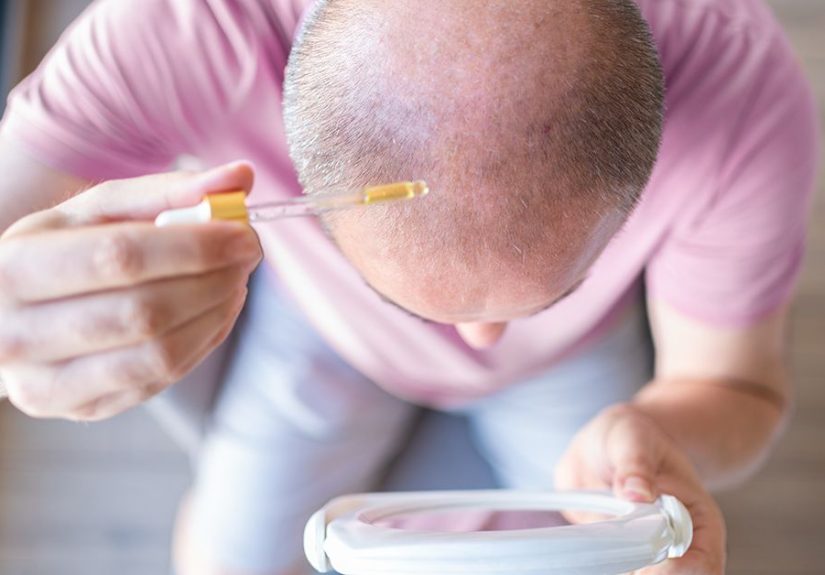
topical melatonin (applied to the scalp) as a possible helper for certain types of hair thinning.
But the internet loves a plot twist, so we’ll break down the evidence, the “why it feels related,” and what to do if
you notice extra shedding.
So… does melatonin cause hair loss?
Based on current evidence, melatonin does not appear to cause hair loss. Major medical sources that
summarize melatonin’s side effects typically list things like sleepiness, headache, dizziness, nausea, vivid dreams,
and mood changesnot hair shedding.
What does happen a lot is this: people start melatonin during a stressful season (school chaos, work deadlines,
travel, anxiety, a schedule that makes no sense), and stress + disrupted sleep can be linked to
temporary shedding for some people. When the shedding shows up later, melatonin is sitting there like the most
suspicious-looking innocent bystander.
Why people think melatonin is the culprit (even when it isn’t)
1) Hair shedding has a time delay (it’s annoyingly late to the party)
A very common shedding pattern is telogen effluvium, which is essentially the hair cycle reacting to
a major stressor or change in the body. The frustrating part? The shedding often shows up
two to three months after the trigger. So the timeline looks like:
- Month 0: Stressful event or big change (illness, major stress, surgery, weight loss, postpartum, etc.)
- Month 0–1: Sleep gets weird → you start melatonin
- Month 2–3: Shedding begins → melatonin gets blamed
If this feels familiar, you’re not imagining thingsyou’re just dealing with biology’s least helpful calendar.
Dermatology sources note that excessive shedding can follow stressors and often improves as the body readjusts.
2) “Hair loss” and “hair shedding” get mixed up
People say “hair loss” when they mean “more hair in my brush.” But there’s a difference:
- Hair shedding: more hairs than usual fall out, often temporarily (common in telogen effluvium).
- Hair loss: something interferes with growth, causing thinning that may persist (pattern hair loss, autoimmune issues, some medications, traction, etc.).
That distinction matters because melatonin is not known to trigger the classic mechanisms of permanent hair loss.
Meanwhile, stress, illness, nutritional gaps, and hormone shifts absolutely can change shedding.
3) When you start a supplement, you start paying attention
This is not an insult to your intelligencethis is how humans work. Once we start something new, we watch for changes.
You notice every strand, every shower, every brush session. Suddenly you’re running a forensic investigation on your
scalp. (“Exhibit A: the hair tie. Exhibit B: the vacuum. Exhibit C: my tears.”)
What research says about melatonin and hair follicles
Here’s where the story gets interesting: melatonin isn’t just a “sleep hormone.” Researchers have found that the skin
and hair follicles can respond to melatonin, and melatonin has antioxidant and anti-inflammatory properties that might
matter for scalp health. Scientists have explored whether melatonin influences the hair growth cycle, especially the
anagen phase (the active growth phase).
Topical melatonin (scalp application): evidence of benefit in some cases
Multiple human studies and reviews have examined topical melatoninoften as a solution applied to the
scalp in the evening. Across studies, researchers have reported improvements in measures such as hair density, hair
growth, or the proportion of hairs in the growth phase, particularly in people with
androgenetic alopecia (pattern hair loss) and some forms of diffuse thinning.
One pilot randomized controlled trial in women with androgenetic or diffuse hair loss reported that topical melatonin
increased the anagen hair rate in certain scalp areas compared with placebo. Other observational and measurement-based
studies have also reported reductions in shedding and increases in hair density over a few months in some participants.
Important nuance (because science is picky, and it should be): these studies often involve specific formulations,
consistent use, and selected patient groups. The evidence is promising but not “miracle cure” level, and it’s not the
same as taking an oral gummy.
Oral melatonin (supplements): not studied as a hair-loss cause, and hair loss isn’t a standard side effect
Oral melatonin has been widely discussed for sleep timing issues (like jet lag or delayed sleep-wake phase), and most
safety discussions center on short-term use. Reputable medical sources commonly list side effects such as
daytime drowsiness, headache, dizziness, nausea, vivid dreams, irritability, and short-term mood changes.
Hair loss is not typically listed as a known or expected adverse effect.
If someone experiences hair shedding while taking oral melatonin, current evidence suggests it’s more likely to be
related to the reason they started melatonin (stress, sleep disruption, illness, schedule changes)
or another factor that coincidentally overlaps with melatonin use.
Could melatonin indirectly affect hair shedding?
While melatonin isn’t known to directly cause hair loss, there are a few realistic “indirect” scenarios worth knowing:
1) Too much melatonin can mess with sleep quality for some people
More isn’t always better. Some people feel groggy, get vivid dreams, or wake up more oftenespecially with higher
doses or poor timing. If sleep remains disrupted, the stress response can stay elevated, and chronic sleep issues can
contribute to shedding in susceptible individuals. The goal is better sleep, not “accidental time travel followed by a
morning hangover.”
2) Supplement quality can be inconsistent
In the U.S., melatonin is typically sold as a dietary supplement, which is regulated differently than
prescription medications. Research has found that some melatonin products contain more or less melatonin than
the label claims, and older studies have also raised concerns about contaminants like serotonin in some
supplements. In other words: you may think you’re taking “a little,” but your bottle might be freelancing.
3) Medication interactions and underlying conditions
Melatonin may interact with certain medications (for example, blood thinners, some blood pressure medicines,
diabetes medications, seizure medications, and others). If an interaction worsens sleep, mood, or overall health, the
downstream effects might show up in many waysincluding changes in appetite, stress, or the body’s “recovery mode.”
Also, some people avoid melatonin if they have particular conditions (such as seizure disorders, autoimmune disorders,
or depression) unless a clinician advises it.
If you started melatonin and noticed shedding, here’s a smart way to troubleshoot
Step 1: Check the timeline
Ask: Did shedding start 2–3 months after a stressful event or health change? That timing often fits
telogen effluvium. Melatonin may simply be “near the scene,” not “the suspect.”
Step 2: Look for common shedding triggers
- Major stress (emotional or physical)
- Illness, fever, or recovery after infection
- Rapid weight loss or restrictive dieting
- Postpartum changes
- Thyroid issues
- Low iron/ferritin or other nutrient gaps
- Starting/stopping certain medications or hormonal birth control
- New hair practices (tight styles, harsh chemical treatments, heat overload)
Step 3: Review how you’re taking melatonin
If you’re using melatonin, consider practical tweaks that often reduce side effects:
- Use the lowest effective dose (many experts suggest starting low; higher doses can increase next-day effects).
- Time it correctly (melatonin is more about shifting sleep timing than “knocking you out”).
- Avoid mixing with alcohol or other sedatives unless a clinician says it’s safe.
- Choose reputable brands with third-party testing when possible.
Step 4: Don’t skip the “sleep basics”
Supplements can’t outwork a bedtime routine that includes doomscrolling and three iced coffees at 6 p.m. Try:
- Consistent sleep/wake times (even on weekendsyes, I know)
- Dim lights and fewer screens before bed
- Cool, dark room
- Caffeine cutoff earlier in the day
- Morning light exposure
Step 5: Know when to talk to a professional
Consider seeing a clinician or dermatologist if:
- You have patchy hair loss, scalp pain, scaling, or redness
- Shedding is severe or lasts longer than 6 months
- You notice eyebrow/body hair loss or other new symptoms
- You’re taking medications that may interact with melatonin
- You’re a teen, pregnant, breastfeeding, or managing chronic medical conditions
Can melatonin help with hair growth?
Possiblytopically, for some people, and the evidence is still evolving. Studies have examined
scalp-applied melatonin solutions and reported improvements in hair density or reductions in shedding in certain groups.
Researchers think melatonin may support the hair follicle environment through antioxidant and hair-cycle effects.
But “might help” is not the same as “guaranteed,” and it’s not a replacement for proven treatments for pattern hair
loss (like minoxidil) or for addressing triggers like iron deficiency or thyroid problems. If you’re considering topical
melatonin, it’s reasonable to discuss it with a dermatologistespecially if you want to combine it with other therapies.
FAQ: quick answers people actually want
Is hair loss listed as a melatonin side effect?
Usually, no. Major medical references typically list drowsiness, headache, dizziness, nausea, vivid dreams, and mood
changes as possible side effectsnot hair loss.
Could melatonin change hormones and cause shedding?
Melatonin is a hormone, and researchers study its effects across many systems. But standard supplement use has not been
established as a cause of hair shedding. If you’re worried about hormones, focus on dose, timing, and medical context
especially if you have endocrine conditions or are taking other medications.
What if my hair started shedding right after I began melatonin?
Immediate shedding is less typical for telogen effluvium, which usually has a delay. If the timing is truly immediate,
consider other changes that happened at the same time (new shampoo, stressful event, dietary change, illness, etc.),
and talk to a clinician if it continues.
If melatonin isn’t the problem, what’s the most likely explanation?
The most common pattern is that sleep disruption and stress (the reason you started melatonin) are
part of the bigger picture. Hair is surprisingly sensitive to what your body interprets as “a rough season.”
Experiences: What People Commonly Report About Melatonin and Hair Changes
The internet is full of “melatonin made my hair fall out” storiesand it’s understandable. Hair is emotional.
It’s identity. It’s the one thing you didn’t ask to turn dramatic when life is already busy. But when you zoom out,
the most common experiences tend to fit a few patterns that make a lot of sense biologically.
Experience Pattern #1: “I started melatonin during a stressful time… then my hair started shedding later.”
A very typical scenario goes like this: someone enters a high-stress stretchfinal exams, a job change, a family issue,
travel across time zones, a long illness recovery, or just months of too little sleep. They start melatonin because
bedtime becomes a daily battle. Two or three months later, they notice more hair in the shower and brush.
From their perspective, the timeline screams: melatonin → shedding. But from a hair-cycle perspective, the timing is
almost textbook for stress-related shedding. The melatonin didn’t necessarily start the fireit was more like the smoke
alarm you installed because the kitchen was already chaotic. When people address the underlying stress, improve sleep
habits, stabilize nutrition, and give it time, the shedding often slows down and regrowth becomes noticeable.
Experience Pattern #2: “I tried a higher dose and felt weirdthen I worried everything was going wrong.”
Some people experiment with larger doses because they want faster results. Then they get vivid dreams, morning
grogginess, mood changes, or headaches. Once you feel “off,” it’s easy to scan your body for additional problems.
Hair shedding that might have been happening quietly becomes the headline. In these experiences, lowering the dose,
improving timing, or stopping melatonin under medical guidance often helps the person feel more like themselveswhile
the hair situation still follows its own delayed timeline.
Experience Pattern #3: “I switched brands and had a totally different reaction.”
People are often shocked by how different one brand feels from another. One bottle seems gentle; another feels like a
freight train. That experience lines up with published concerns that supplement contents can vary from the label.
When someone unknowingly takes more melatonin than they intended, they may sleep at odd times, feel out of sync, or
have more next-day fatigue. That doesn’t directly equal hair loss, but it can affect routines that support hair health:
consistent meals, workouts that aren’t overtraining, stress management, and good-quality sleep.
Experience Pattern #4: “Topical melatonin seemed to help my shedding.”
A smallerbut interestingset of experiences comes from people who try scalp-applied melatonin products. Some report
less shedding over a few months, or that hair looks a bit fuller in certain areas. This fits with clinical research
suggesting topical melatonin may improve measures like hair density or the proportion of hairs in the growth phase for
some types of thinning.
Still, real-world results vary. Hair changes can also happen because people start paying more attention to scalp care,
reduce heat styling, improve nutrition, or begin other treatments at the same time. That’s why dermatology guidance can
be valuableespecially if you want a plan that’s evidence-based and tailored to your type of hair loss.
Experience Pattern #5: “Once I fixed sleep and stress, the hair followed.”
The most encouraging pattern is also the least exciting (because it requires patience): when people improve sleep
consistency, reduce ongoing stress, and address nutrient or hormone issues, hair often starts behaving again. Hair is
slow. It doesn’t instantly reward good choices. But over monthsnot daysmany people see baby hairs and reduced
shedding. Not glamorous, but very real.
Bottom line from these common experiences: melatonin is rarely the true “cause” of shedding. More often, it’s part of a
bigger story involving sleep disruption, stress, health changes, and timing. If you’re worried, the best move is a calm
review of triggers, thoughtful supplement use, and medical guidance when needed.
Conclusion
Melatonin is not known to cause hair loss, and research has even explored topical melatonin as a
potential supportive option for certain kinds of hair thinning. If you notice shedding while taking melatonin, the most
likely explanation is an overlapping triggerstress, sleep disruption, illness recovery, diet changes, hormones, or a
delayed hair-cycle response.
The practical takeaway: treat melatonin like a tool, not a nightly lifestyle accessory. Use the lowest effective dose,
pay attention to timing, choose reputable products, and prioritize sleep habits that don’t rely on a supplement to do
all the heavy lifting. And if shedding is intense, long-lasting, or comes with scalp symptoms, a dermatologist can help
you figure out what type of hair loss you’re dealing withand what actually works for it.