Table of Contents >> Show >> Hide
- What Exactly Is Microneedling for Hair Loss?
- How Could Microneedling Help Hair Regrow?
- What Does the Science Say About Microneedling and Hair Loss?
- Who Might Benefit Most from Microneedling for Hair Loss?
- In-Office Microneedling vs. At-Home Dermarollers
- What Are the Risks and Side Effects?
- What Does a Typical Microneedling Treatment Plan Look Like?
- Is Microneedling Worth Trying for Hair Loss?
- Real-World Experiences with Microneedling for Hair Loss
If you’ve ever found more hair in the shower drain than on your actual head and then fallen down a late-night Google rabbit hole, you’ve probably seen people rolling tiny spiky devices across their scalps and swearing it changed their life. That, friend, is microneedling for hair loss and yes, it sounds a little intense.
The big question, though, isn’t “Does this hurt?” (short answer: a bit). It’s “Does microneedling really work for hair loss, or is this just another overhyped trend?” In this deep dive, we’ll unpack what dermatologists and clinical studies say, who it can actually help, what the risks are, and what to realistically expect if you decide to try it.
What Exactly Is Microneedling for Hair Loss?
Microneedling is a dermatologic procedure that uses very fine needles to create controlled micro-injuries in the skin. On the face, it’s used for acne scars, fine lines, and texture. On the scalp, the goal is different: to “wake up” sluggish hair follicles and improve the penetration of topical hair loss treatments.
There are two main ways it’s done on the scalp:
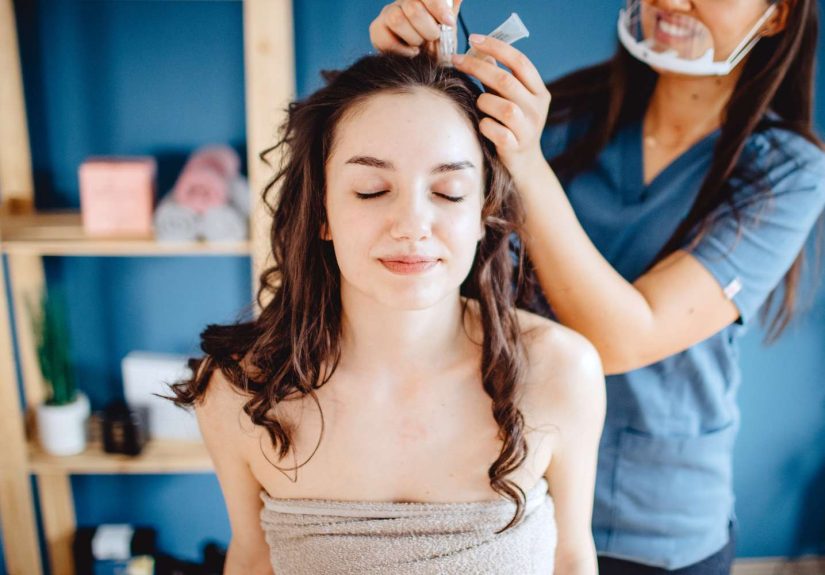
- In-office microneedling pens: A dermatologist uses a motorized pen with sterile needle cartridges. Needle depth is usually in the 0.5–1.5 mm range, customized to your scalp and hair type.
- At-home dermarollers: These are manual rollers with tiny needles. They’re usually shorter than medical-grade needles and designed more for light stimulation and helping products absorb, rather than deep follicle-level treatment.
The basic idea is simple: controlled injury → healing response → more growth factors, better blood flow, and happier hair follicles. But does that actually translate into more hair?
How Could Microneedling Help Hair Regrow?
Researchers and dermatologists believe microneedling may help hair growth through several overlapping mechanisms:
1. Stimulating Growth Factors and Stem Cells
When the scalp is lightly injured with microneedles, the body responds by kicking off the wound-healing process. That involves releasing signaling molecules like platelet-derived growth factor and vascular endothelial growth factor, along with activation of stem cells around the hair follicle. These signals may nudge dormant follicles back into a growth phase or help existing hairs grow thicker.
2. Improving Blood Flow to the Scalp
Better circulation means more oxygen and nutrients delivered to the hair follicle. Microneedling induces tiny new blood vessels (neovascularization) in the treated area, which may help support healthier, more robust hair growth over time.
3. Enhancing the Absorption of Topical Treatments
Microneedling also works like a high-tech “aerator” for your scalp. By temporarily creating micro-channels in the skin, it can increase how much of a topical product (like minoxidil or certain prescription solutions) actually gets where it needs to go. Several studies suggest that microneedling plus a topical treatment does more than either one alone.
What Does the Science Say About Microneedling and Hair Loss?
Let’s get nerdy for a second. Microneedling for hair loss isn’t just a TikTok trend it’s been studied in clinical trials and reviewed in dermatology journals. The evidence isn’t perfect (we still need larger, longer-term studies), but there’s enough to say it’s more than pure marketing.
The Famous 2013 Study Everyone Talks About
One of the most cited early trials looked at 100 men with androgenetic alopecia (pattern hair loss). One group used 5% minoxidil twice a day. The other group used 5% minoxidil plus weekly microneedling on the scalp.
The results? The microneedling + minoxidil group had significantly greater increases in hair count and visible hair growth compared with minoxidil alone. Many participants in the combined group showed “excellent” or “very good” improvement, while the minoxidil-only group lagged behind.
Takeaway: microneedling didn’t replace minoxidil; it amplified it.
Systematic Reviews and Newer Research
Since then, several reviews and newer studies have looked at microneedling across different types of hair loss, especially androgenetic alopecia. Overall, they tend to find that:
- Microneedling can improve hair density and hair shaft thickness in people with pattern hair loss.
- The best results usually appear when microneedling is combined with standard treatments like minoxidil, finasteride, low-level light therapy, or platelet-rich plasma (PRP), not used alone.
- Results are gradual think months, not weeks and require multiple sessions.
Some recent trials suggest that combining microneedling with other therapies (such as PRP or specially formulated scalp serums) may further improve hair density and diameter compared with monotherapy alone. However, protocols, devices, and needle depths vary widely between studies, so it’s hard to say there’s one “gold standard” way to do it yet.
How Strong Is the Evidence, Really?
Here’s the honest, hopefully non-depressing truth:
- For androgenetic alopecia (male and female pattern hair loss), the evidence is promising but not definitive. Microneedling is best viewed as an adjuvant a booster to other treatments, not a cure on its own.
- For other types of hair loss, like alopecia areata, the data is mixed. Some small studies and case reports show benefit; others don’t find a significant advantage. More research is needed before it can be considered a reliable go-to for these conditions.
- Most studies involve small sample sizes and relatively short follow-up. We need more large, long-term trials to fully understand who benefits most, what ideal protocols look like, and what the true risk/benefit balance is.
In other words, microneedling is not snake oil but it’s not magic either.
Who Might Benefit Most from Microneedling for Hair Loss?
Microneedling is not a one-size-fits-all solution. Dermatologists are most likely to consider it for:
Androgenetic Alopecia (Pattern Hair Loss)
This is where microneedling currently shines the brightest. People with male or female pattern hair loss (think receding hairline, thinning at the crown, or widening part) may see the best results, especially when microneedling is combined with minoxidil, finasteride (for men or postmenopausal women, under medical guidance), spironolactone, or other evidence-based therapies.
Early or Mild Thinning
Like many hair loss treatments, microneedling tends to work better when there’s still something to rescue. If the scalp is completely smooth and shiny in an area, follicles may be too far gone for this approach to help much. People with early or moderate thinning often have more realistic chances of improvement.
Patients Already on Treatment Who Want an Extra Boost
If you’re already using minoxidil or taking oral medications and seeing some benefit but not as much as you’d like, microneedling may be considered as an add-on to help move the needle (pun fully intended).
In-Office Microneedling vs. At-Home Dermarollers
Scroll social media for 5 minutes and you’ll see people rolling devices on their scalp while watching Netflix. But the at-home version is not the same as a professional treatment and it’s important to know the difference.
In-Office Microneedling
When done by a dermatologist or trained professional, you can expect:
- Customized needle depth: Adjusted for your scalp thickness and hair pattern.
- Medical-grade sterilization: To reduce infection risk.
- Combination therapy: Often paired with PRP, prescription topicals, or growth factor serums.
- Fewer but more potent sessions: Typically every 4–6 weeks, depending on the protocol.
The trade-offs? In-office treatments cost more per session, and you’ll need to schedule appointments and plan for some mild downtime (redness, tenderness).
At-Home Dermarollers
At-home devices tend to use shorter needles (often 0.25–0.5 mm). They can:
- Gently stimulate the scalp.
- Help improve absorption of topical products like minoxidil.
- Be more affordable and convenient than office treatments.
But there are real caveats:
- Using a roller that’s too aggressive or too often can irritate or damage your scalp.
- Improper cleaning can introduce bacteria and lead to infection.
- Technique matters pressing too hard, rolling back and forth excessively, or using on inflamed or infected skin can do more harm than good.
If you’re considering at-home microneedling, it’s smart to ask a dermatologist to walk you through safe needle sizes, frequency, and hygiene before you start.
What Are the Risks and Side Effects?
Microneedling is considered minimally invasive, but it isn’t risk-free. Common side effects are usually mild and short-lived, including:
- Redness and sensitivity for a day or two.
- Mild swelling.
- Pinpoint bleeding during the procedure.
- Tightness or tenderness of the scalp.
Less common but more serious risks include:
- Infection if non-sterile equipment is used or aftercare is poor.
- Scarring or worsening of existing scars if the device is used incorrectly or too aggressively.
- Allergic reactions to topical products applied immediately after microneedling.
- Temporary shedding (“shock loss”) in some people as follicles shift phases.
People with certain conditions should avoid microneedling or get explicit medical clearance first, including those with active scalp infections, uncontrolled skin diseases, a history of keloid scarring, bleeding disorders, or who are on certain medications that impair healing.
What Does a Typical Microneedling Treatment Plan Look Like?
Plans vary, but a common in-office approach might look like this:
- Consultation: Your dermatologist diagnoses the type of hair loss (this matters a lot) and reviews your medical history, medications, and goals.
- Baseline photos: So you’re not squinting at the mirror wondering if it’s “all in your head” later.
- Sessions every 4–6 weeks: The provider uses a microneedling pen over the thinning areas. Some clinics also add PRP or specialized serums.
- Home routine: You may be advised to use minoxidil, prescription topicals, or oral medications consistently between sessions.
- Time to results: Early changes (less shedding, slight thickening) may appear after 3–4 months. More noticeable density changes usually take 6–12 months of consistent therapy.
With at-home dermarollers, frequency is often higher (for example, once or twice a week with shorter needles), but intensity is lower. Again, guidance from a clinician is key so you don’t overdo it.
Is Microneedling Worth Trying for Hair Loss?
Here’s the bottom line distilled:
- There’s real but limited evidence that microneedling can help with hair regrowth, especially in androgenetic alopecia.
- It seems to work best as a supporting player combined with established therapies (like minoxidil or PRP), rather than as a standalone miracle fix.
- It’s generally safe when done by trained professionals using sterile equipment and appropriate protocols but at-home misuse can raise risks.
- It requires time, consistency, and realistic expectations. You’re more likely to see gradual improvement than a dramatic “hair transplant in a pen” result.
If you’re considering microneedling, the smartest move is to start not with a dermaroller, but with a dermatologist. Ask them:
- What type of hair loss do I have?
- Am I a good candidate for microneedling?
- What other treatments should I combine it with?
- What kind of results are realistic for me, and in what timeframe?
Hair loss can be emotionally tough, and it’s normal to want a quick fix. Microneedling isn’t that but for the right person, it can be one more helpful tool in a broader, evidence-based plan.
Real-World Experiences with Microneedling for Hair Loss
Beyond the statistics and graphs, how does microneedling actually feel in real life? While everyone’s journey is different, many people’s experiences tend to fall into a few recognizable patterns.
The “Slow but Steady” Responders
Some people start microneedling after already being on minoxidil or oral medications for a while. They’re frustrated because things have plateaued: shedding is better, but their hair still looks thinner than they’d like in photos.
Once they add in microneedling (usually via monthly in-office sessions), they don’t wake up one morning with a brand-new hairline but over 6–9 months, they notice small wins: baby hairs along the part line, a bit more density near the crown, and fewer “scalp shining through in harsh lighting” moments. Their friends may not know what changed, but they see the difference when they compare photos side by side.
The “Combo-Therapy Converts”
Another common story: someone tried minoxidil alone, got inconsistent with it, and felt underwhelmed. Their dermatologist later suggests a structured plan that combines microneedling sessions with daily topical treatment and sometimes PRP or low-level laser therapy.
Once they commit to the full routine yes, including the not-glamorous “putting stuff on your scalp every single day” part they often report more satisfying results. They’ll describe their hair as “not perfect, but definitely thicker than last year,” or find that they can style their hair in ways they’d written off before.
The “I Tried to DIY Way Too Hard” Crowd
Then there are the cautionary tales. These are the people who buy a dermaroller online, skip reading instructions, and go all in pressing too hard, rolling too often, or using the device on an irritated scalp. Instead of hair gains, they end up with:
- Ongoing redness and soreness.
- Increased flaking or scabbing.
- Occasionally, a mild infection that needs treatment.
Most recover without long-term damage, but they often wish they’d talked to a professional first. Many of them still stay open to microneedling they just switch to supervised treatments or more conservative at-home routines.
The Emotional Side: Confidence, Control, and Expectations
Hair loss isn’t just a cosmetic concern; it can hit self-esteem hard. For some people, choosing treatments like microneedling is less about chasing perfection and more about feeling proactive. Knowing you’re doing something evidence-informed can restore a sense of control, even if the results are modest rather than dramatic.
That said, the happiest patients tend to be those whose expectations match reality. They see microneedling as:
- One tool among many, not a miracle cure.
- A long game, not a quick sprint.
- A way to stabilize and modestly improve their hair, not necessarily to rewind genetics by 20 years.
People who go in expecting full regrowth on completely bald areas or “movie star density” after a few sessions are much more likely to feel let down no matter how good the clinic is.
What You Can Learn from Others’ Experiences
If you’re thinking about microneedling, you can use others’ stories as a reality check but not as a guarantee. Your age, type of hair loss, underlying health, genetics, and willingness to stick with a routine will all play a role in how you respond.
The best pattern to copy isn’t any one person’s before-and-after photo. It’s this:
- Get a real diagnosis from a qualified professional.
- Use microneedling as part of a broader plan, not a standalone experiment.
- Give it time, track your progress with photos, and adjust with your provider as you go.
Put simply: microneedling can’t promise you a totally new head of hair but with the right expectations and guidance, it may help you keep more of the hair you have, coax some follicles back into action, and feel a little more like yourself when you look in the mirror.