Table of Contents >> Show >> Hide
- Quick Answer: Watermelon Doesn’t Cause IBS, But It Can Trigger Symptoms
- Why Watermelon Often Triggers IBS Symptoms
- 9 IBS-Friendly Fruits to Try Instead
- How to Test Fruits Without Wrecking Your Week
- Common Fruit Mistakes That Can Make IBS Worse
- What to Do If Watermelon Is a Trigger for You
- Experiences People Commonly Report With Watermelon and IBS (500+ Words)
- “I can eat watermelon sometimes… but not always.”
- “Watermelon destroys me, but cantaloupe is okay.”
- “I thought fruit was the problem, but it was the smoothie.”
- “I only figured it out after keeping a food diary.”
- “My symptoms improved when I stopped trying to be perfect.”
- “I reintroduced foods and realized I could tolerate more than I thought.”
- Final Takeaway
If you have IBS, you already know the game: one day your stomach is calm, the next day it acts like you fed it fireworks. And when summer rolls around, watermelon often ends up on the suspect list. It’s juicy, refreshing, and basically the mascot of backyard snacksbut for some people with irritable bowel syndrome (IBS), it can also mean bloating, cramping, gas, or an urgent sprint to the bathroom.
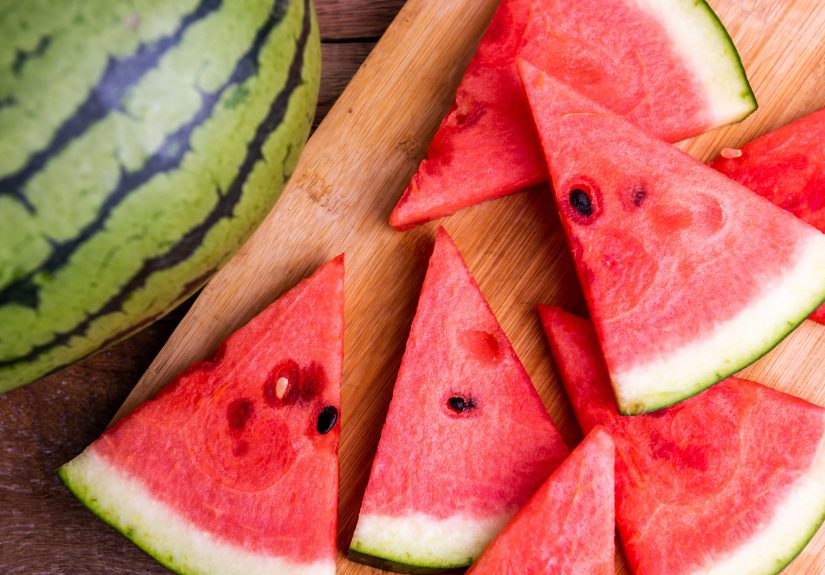
So, does watermelon cause IBS? No. IBS is a chronic digestive condition, and watermelon doesn’t create it out of thin air. But watermelon can trigger or worsen IBS symptoms in some people, especially if you’re sensitive to certain carbohydrates (called FODMAPs) that are harder to digest.
The good news: you probably don’t need to break up with fruit. You just may need smarter fruit choices, better portions, and a little detective work. In this guide, we’ll break down why watermelon is a common IBS trigger, how to test your tolerance, and 9 IBS-friendly fruits many people tolerate betterwithout turning snack time into a science experiment gone wrong.
Quick Answer: Watermelon Doesn’t Cause IBS, But It Can Trigger Symptoms
Let’s clear up the biggest misconception first: watermelon does not cause IBS. IBS is a functional gastrointestinal disorder linked to how the brain and gut interact, and it usually shows up as recurring abdominal pain plus changes in bowel habits (constipation, diarrhea, or both).
What watermelon can do is trigger symptoms if your gut is sensitive to certain fermentable carbs. For many people with IBS, those carbs can pull water into the gut and ferment quickly, which may lead to bloating, pain, gas, and diarrhea. That’s why a food can be “healthy” in general and still be “not today, please” for your specific IBS.
In other words: watermelon isn’t the villain. It’s just one of the foods that may not get along with your digestive system.
Why Watermelon Often Triggers IBS Symptoms
1) Watermelon is high in fructose
One big reason watermelon can be rough on IBS is fructose. Mayo Clinic’s FODMAP guidance specifically lists watermelon among foods high in fructose. If your body doesn’t absorb fructose well, it can hang around in the gut, draw in water, and become a buffet for gut bacteria. That combo can lead to bloating, cramping, and loose stools.
2) It’s commonly listed as a high-FODMAP fruit
Many GI-focused medical resources list watermelon as a high-FODMAP fruit (the kind that can trigger IBS symptoms in sensitive people). If you’ve ever eaten a giant bowl of watermelon and then wondered why your stomach filed a formal complaint, this is usually why.
3) Portion size matters (a lot)
Even “better tolerated” foods can trigger IBS if the portion is too large. Watermelon is one of those foods that’s easy to overeat because it feels light. A few cubes can become half a container before you know it. For people with IBS, that bigger load can increase the chance of symptoms.
4) IBS is highly individual
Here’s the annoying but important truth: two people can have IBS and react completely differently. One person can eat watermelon with zero issues, while another person gets bloated from just a small serving. That’s why personalized testing (not random internet fear) is the real strategy.
9 IBS-Friendly Fruits to Try Instead
“IBS-friendly” doesn’t mean “IBS-proof.” It means these fruits are commonly better tolerated by many people with IBS, especially when eaten in modest portions. Start small and pay attention to your own symptoms.
1) Unripe (or less ripe) bananas
Bananas often make the “gentler fruit” list for IBS, especially when they’re not overly ripe. A firmer, less-sweet banana may be easier on your gut than a super-soft, spotty one. If you’re testing bananas, try a small amount firstsome clinical handouts suggest starting with about half a small banana.
Why it may help: It’s often better tolerated than high-fructose fruits like watermelon, and it’s easy to portion.
2) Strawberries
Strawberries are a popular swap when watermelon is a trigger. They’re lighter, easy to portion, and commonly included on low-FODMAP-friendly fruit lists used in GI care.
Try this: Start with a small bowl (many handouts use around a half-cup serving as a practical starting point).
3) Blueberries
Blueberries are small but mighty: convenient, lower-mess, and often tolerated better than high-FODMAP fruits. They’re also great for people who want a quick snack without turning fruit prep into a part-time job.
Pro tip: Measure your portion the first few times. “A handful” can quietly become “three handfuls,” and your gut notices.
4) Raspberries
Raspberries can be another good option for some people with IBS when eaten in modest amounts. They’re tart, flavorful, and can satisfy the “I want fruit but not drama” requirement.
Watch for this: If seeds seem to bother you personally, test slowly and keep a symptom note.
5) Grapes
Grapes show up often in IBS-friendly fruit suggestions from major health systems. They’re convenient and easy to portion, which is a huge win when you’re trying to identify triggers without guesswork.
Easy swap idea: Replace a big watermelon snack with a smaller portion of grapes and see how your body responds over the next 24 hours.
6) Kiwi
Kiwi is one of those fruits that feels fancy but is actually very practical for IBS testing. It’s often listed among better-tolerated fruit choices in low-FODMAP guidance, and it gives you a bright, fresh option when your fruit list starts to feel repetitive.
Bonus: Kiwi can be a nice change of pace if bananas and berries are starting to feel like your entire personality.
7) Oranges or clementines (citrus fruits)
Citrus fruits are commonly recommended as lower-fructose fruit options in IBS diet guidance. If watermelon causes trouble, a clementine or small orange may give you the sweet, juicy fix without the same symptom punch.
Start here: One clementine is a simple test portion and easy to track in a food diary.
8) Cantaloupe
If you love melon and feel personally betrayed by watermelon, cantaloupe is a great fruit to test next. It often appears on “better tolerated” lists for IBS and can be a refreshing alternative in warm weather.
Why people like it: It scratches the melon itch without automatically putting watermelon back on the menu.
9) Pineapple
Pineapple is another fruit frequently listed in low-FODMAP meal ideas and IBS-friendly fruit examples. It’s sweet, easy to pair with yogurt alternatives or oatmeal, and usually easier to portion than giant fruit bowls.
Tip: Go for a modest serving first, especially if you’re trying multiple changes at once.
How to Test Fruits Without Wrecking Your Week
Use a “one fruit at a time” rule
If you change five things at once, you won’t know what helpedor what caused the chaos. Test one fruit at a time for a few days before moving to the next one.
Keep the portion small at first
This is the part most people skip, and it matters. Start with a small portion, then increase only if you tolerate it. IBS symptom patterns are often dose-dependent, meaning a little may be okay while a lot is not.
Keep a food and symptom diary
This doesn’t need to be complicated. Write down: what you ate, how much, when you ate it, and what symptoms showed up later (bloating, cramping, urgency, constipation, etc.). This is one of the most useful ways to spot patternsespecially because IBS can be inconsistent.
Consider a structured low-FODMAP trial
If fruit is only one piece of a bigger trigger puzzle, a short-term low-FODMAP approach may help you identify patterns more clearly. The key word is short-term. A proper low-FODMAP plan has phases (elimination, reintroduction, and personalization), and the goal is to find your triggersnot stay on a super-restricted diet forever.
Work with a GI clinician or dietitian when possible
If your symptoms are frequent or severe, don’t DIY your entire digestive life from social media. A GI provider or dietitian can help you test foods more safely and keep your diet balanced while you figure out what your gut tolerates.
Common Fruit Mistakes That Can Make IBS Worse
1) Drinking fruit juice instead of eating whole fruit
Juice can deliver a concentrated dose of sugars fast, and it’s easy to drink more than you realize. Whole fruit is usually easier to portion and track.
2) Eating “healthy” smoothies that are secretly trigger bombs
A smoothie can look innocent and still be a perfect storm: watermelon, mango, honey, yogurt, plus a huge portion size. If you’re testing fruit tolerance, keep smoothies simple and measured.
3) Assuming all fruit is safe because it’s natural
IBS does not care about your fruit’s marketing. “Natural” doesn’t always mean “gentle on your gut.” The right fruit for IBS depends on the type, amount, and your personal sensitivity.
4) Staying on a strict elimination diet for too long
The low-FODMAP approach is meant to help you identify triggers, not permanently shrink your menu to six foods and a prayer. Reintroduction and personalization are where the long-term value happens.
What to Do If Watermelon Is a Trigger for You
If watermelon consistently triggers symptoms, you don’t have to force it. There’s no prize for “eating through it.” The better move is to swap in fruits you tolerate more comfortably and come back to watermelon later (if you want) in a smaller test portion.
Also remember that IBS management usually works best as a combo approach: smarter food choices, stress management, good sleep, and sometimes medication or supplements recommended by your clinician. Food mattersbut it’s not the whole story.
Experiences People Commonly Report With Watermelon and IBS (500+ Words)
The experiences below are composite examples based on common IBS patterns people describe in clinics, support groups, and food-symptom tracking conversations. They’re not meant to replace medical advice, but they may sound very familiar if you’re trying to figure out whether watermelon is part of your trigger list.
“I can eat watermelon sometimes… but not always.”
This is one of the most common experiences. A person eats a few pieces of watermelon at lunch and feels fine. A week later, they eat a large bowl at a cookout and get bloated, crampy, and uncomfortable. What changed? Usually, it’s not just the fruitit’s the amount, what else they ate, how fast they ate, or stress levels that day. IBS symptoms are often cumulative. A food that seems okay in a small portion may become a problem in a bigger serving, especially when paired with other trigger foods.
“Watermelon destroys me, but cantaloupe is okay.”
This one surprises a lot of people because both are melons. But IBS doesn’t organize foods by category the way we do. Your gut doesn’t care that they’re both picnic foods. It responds to the type of carbohydrates in them and your personal tolerance. That’s why people often report that switching from watermelon to cantaloupe or a citrus fruit makes a big difference. Same vibe, less digestive drama.
“I thought fruit was the problem, but it was the smoothie.”
Another classic. Someone avoids fruit for weeks because smoothies seem to trigger symptoms. Later, they test fruit one at a time and realize the problem wasn’t strawberries or banana by themselvesit was the combo: multiple fruits, a sweetener, dairy, and a giant cup the size of a flower vase. Smoothies can be tricky because they’re easy to drink quickly and hard to portion. Many people do better when they test whole fruit first before going back to blended drinks.
“I only figured it out after keeping a food diary.”
People often expect IBS triggers to be obvious and immediate. Sometimes they are. But often, the pattern only shows up when you write things down. A simple diary can reveal that watermelon is only a problem in the evening, or only after a high-stress day, or only when combined with other common triggers. This is where the “boring” habit of tracking pays off. It turns random guessing into actual data.
“My symptoms improved when I stopped trying to be perfect.”
Many people with IBS start out with an all-or-nothing mindset: “I need the perfect diet.” Then they get overwhelmed, cut too many foods, and end up stressed and frustrated. A more realistic approach usually works better: identify your main triggers, keep portions reasonable, and build a list of reliable foods you enjoy. It’s not about winning a gold medal in restriction. It’s about reducing symptoms and getting your life back.
“I reintroduced foods and realized I could tolerate more than I thought.”
This is the part people rarely talk about, but it’s important. Some people avoid watermelon, apples, or other fruits for months and assume they can never have them again. Then they do a structured reintroduction and discover they can tolerate a small amount, or tolerate it only when eaten with a balanced meal, or tolerate it only when symptoms are otherwise stable. IBS management is often about finding your thresholdnot creating a permanent blacklist.
If any of these sound familiar, you’re not failing at food. You’re doing what IBS requires: observing patterns, testing carefully, and adjusting. It’s annoying, yes. But it also works.
Final Takeaway
Watermelon doesn’t cause IBS, but it can absolutely trigger symptoms in some peopleespecially if you’re sensitive to fructose and other FODMAP-related carbs. If watermelon makes your stomach miserable, you still have plenty of fruit options to enjoy, including bananas (especially less ripe), berries, grapes, kiwi, citrus fruits, cantaloupe, and pineapple.
The secret is simple: start small, test one fruit at a time, and track your symptoms. If your IBS is hard to manage, a short, structured low-FODMAP trial with a clinician or dietitian can help you identify what actually bothers your gut. Your goal isn’t to fear food. It’s to build a fruit list that works for your body so you can eat with less stress and a lot fewer “why did I do this” moments.