Table of Contents >> Show >> Hide
- What Is the “Mad Scratch Machine,” Exactly?
- Why Some Car Washes Scratch Paint
- Are All Automatic Car Washes Bad?
- Warning Signs a Car Wash Might Be Trouble
- What Paint Damage from a Bad Wash Looks Like
- How to Wash a Car Without Turning It into a Scratch Map
- When Touchless Is the Better Choice
- What to Do If Your Car Already Has Swirl Marks
- If a Car Wash Damages Your Vehicle
- The Smart Bottom Line
- Extended Experiences: What This Looks Like in Real Life
- Conclusion
Your car’s paint has one full-time job: look good while getting attacked by sunlight, bird droppings, road salt, mystery parking-lot grime, and the occasional shopping cart with anger issues. It does not need extra drama. Yet every day, perfectly innocent vehicles roll straight into what can only be described as a giant spinning scratch audition: the wrong automatic car wash.
To be fair, not every drive-through wash is a villain twirling its foam mustache. Modern touchless systems and well-maintained soft-cloth tunnels can be useful, fast, and far less risky than the old-school brush monsters many drivers still imagine. But some machines absolutely can leave behind swirl marks, tiny scratches, dulled wax, and that heartbreaking moment when your car looks clean in the shade and haunted in direct sunlight.
So let’s talk about the “mad scratch machine” nobody should let near their paint. We’ll break down what actually damages a finish, which car washes are safer, what to do if your car already has swirls, and how to keep your vehicle looking glossy instead of like it was polished with a kitchen sponge and bad decisions.
What Is the “Mad Scratch Machine,” Exactly?
In plain English, it’s any car wash setup that drags dirt, grit, or abrasive material across your paint. Usually that means an older automatic wash with stiff brushes, a poorly maintained soft-cloth tunnel, or any wash process that doesn’t remove abrasive debris before physical contact starts.
Here’s the important part: the brush itself is not always the main problem. Dirt is. Tiny bits of road grime, sand, brake dust, and debris are harder than your paint’s upper surface. Once those particles get trapped in cloth strips, brushes, mitts, or towels, they stop acting like cleaning tools and start acting like sandpaper with commitment issues.
That is why a car can come out of a wash looking shiny at first, then suddenly reveal spiderweb-like swirls under sunlight, gas-station LEDs, or your phone flashlight at 10:47 p.m. when you were just trying to admire your parking job.
Why Some Car Washes Scratch Paint
1. Physical contact plus trapped grit is a bad combo
Your vehicle’s clear coat is durable, but it is not invincible. When dirty brushes, cloth strips, sponges, or drying towels rub across the surface, they can grind contamination into the finish. The result is usually not one dramatic claw mark. It is death by a thousand tiny insults: micro-marring, haze, and swirl marks.
This is also why black, dark blue, and other deep colors seem to “scratch easier.” In many cases, they do not actually scratch more. They just snitch more. Every flaw shows up like it is trying to go viral.
2. Older brush systems can be rougher than you think
Some older automated washes still use more abrasive materials than modern soft-cloth systems. That is where the horror stories come from. Drivers remember stiff spinning brushes that slapped antennas, scuffed trim, and treated clear coat like a personal challenge. Newer setups are better, but “better” is not the same thing as “impossible to mess up.”
3. Poor maintenance turns a normal wash into a problem
Even a soft-touch wash can become risky if the equipment is not cleaned and maintained properly. If the cloth holds onto dirt from previous vehicles, or if the pre-rinse phase is weak, your car is basically volunteering to be exfoliated by leftovers from someone else’s muddy pickup.
4. Repeated washing can wear down protection
Frequent automatic washing, especially in harsher systems, may strip or shorten the life of waxes and sealants. Once protective layers weaken, paint is more exposed to water spotting, road film, contaminants, and everyday wear. That does not mean you should stop washing your car. It means you should stop washing it carelessly.
Are All Automatic Car Washes Bad?
No. And this is where the conversation gets smarter than the usual “automatic washes are evil” internet shouting match.
Touchless washes: safer for paint, weaker on grime
A touchless wash uses high-pressure water and stronger detergents instead of brushes or cloth making contact with your vehicle. The big advantage is obvious: less physical contact means less chance of scratches and swirl marks. If your main fear is paint marring, touchless is usually the safer drive-through option.
The downside is also obvious: water and chemicals do not scrub like a human hand or a mitt. Heavy dirt, bug splatter, road film, winter grime, and stubborn contamination often survive the experience. Your car may come out “better,” but not exactly “wow.”
Soft-cloth washes: cleaner finish, higher risk if poorly run
A modern soft-cloth or soft-touch wash can do a more thorough job than touchless because it adds friction. The problem is that friction is both the hero and the villain. If the wash is well-maintained, uses a strong pre-soak, and keeps equipment clean, results can be decent. If not, you are feeding your paint into a giant rotating maybe.
When an automatic wash makes sense
A quality automatic wash may be a practical choice when:
Your car is lightly to moderately dirty, you need speed, weather makes hand washing unrealistic, and you choose a newer touchless or reputable soft-cloth facility with good upkeep. For many drivers, that is a reasonable compromise.
But if you own a dark-colored vehicle, a newer car you care about, a ceramic-coated finish, matte paint, delicate trim, aftermarket accessories, or simply a strong emotional attachment to gloss, you should be much pickier.
Warning Signs a Car Wash Might Be Trouble
Not every bad car wash announces itself with thunder and villain music. Sometimes the clues are subtle. Watch for these red flags:
The brushes or cloth look visibly dirty. The facility looks neglected. The pre-rinse seems weak or rushed. The tunnel is extremely cheap for your area. Staff cannot explain whether the wash is touchless, soft-cloth, or brush-based. Drying towels look tired enough to need therapy. And if the place has a reputation for “it’s fine unless you really care about your paint,” congratulations, you care about your paint.
What Paint Damage from a Bad Wash Looks Like
Bad wash damage usually shows up in one of four ways:
Swirl marks
These are fine circular or spiderweb-like marks visible under direct light. They are the most common sign of improper washing and drying.
Micro-scratches
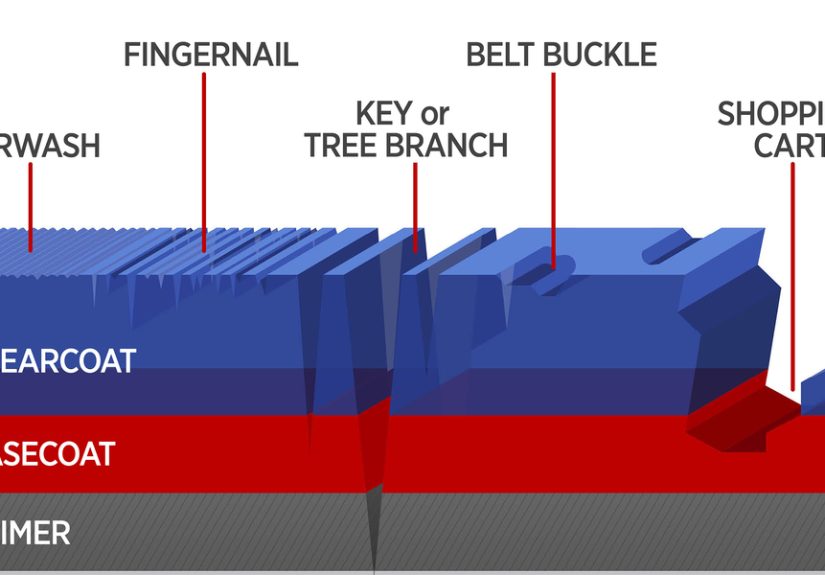
These are tiny linear scratches in the clear coat. You may not feel them with a fingernail, but you will definitely see them when sunlight hits the paint just right and ruins your mood.
Dulled gloss
Even without obvious scratches, repeated poor washing can reduce clarity and shine. The finish starts to look flat, tired, and older than it should.
Trim or accessory damage
Problematic washes can also stress loose trim, aftermarket spoilers, roof racks, antennas, wipers, or anything else that makes your car less aerodynamic and more interesting.
How to Wash a Car Without Turning It into a Scratch Map
The safest at-home approach
If you want the best balance of clean results and paint safety, hand washing is still the gold standard when done correctly.
Start with a dedicated automotive shampoo, not dish soap. Kitchen detergents are great at stripping grease and not-so-great at respecting your wax or sealant. Rinse the car thoroughly first to remove loose debris. Use microfiber wash media, not random old rags from the garage. Follow the two-bucket method: one bucket with soapy water, one for rinsing the mitt. That keeps dirt from going right back onto the paint. Wash from the top down because the lower panels are usually filth headquarters. Then dry with clean microfiber towels, using light pressure instead of aggressive scrubbing like you are trying to erase a mistake from history.
For even better results, add a pre-rinse mindset
The less grit touching the paint, the better. That is why a strong rinse, foam pre-soak, or pre-wash stage matters so much. Good car care is basically the art of removing dirt before your hands ever get ambitious.
Protective products help, but they are not magic shields
Wax, paint sealant, and ceramic coatings can all make washing easier and help contaminants release faster. They can reduce how aggressively grime sticks to the finish, but they do not make your car scratch-proof. A ceramic-coated car can still get swirled by dirty towels, careless washes, or bargain-bin tunnel equipment with trust issues.
When Touchless Is the Better Choice
If you cannot hand wash, a reputable touchless wash is often the safer convenience option. It is especially useful for:
Newer vehicles, darker paint colors, recently polished cars, ceramic-coated finishes, winter salt removal, and drivers who would rather accept “not perfectly spotless” than “mysteriously swirled.”
The trick is managing expectations. Touchless is often a safer compromise, not a concours-level detail. You may still need an occasional careful hand wash to remove stubborn grime and restore that truly clean finish.
What to Do If Your Car Already Has Swirl Marks
First, do not panic. Most swirl marks live in the clear coat and can often be improved or removed.
For light swirls
A quality polish or scratch/swirl remover may reduce or eliminate minor defects. Many detailing products are designed specifically for light wash marring.
For deeper defects
If the scratches catch a fingernail, look white, or appear to go beyond the clear coat, you may need a more involved repair or professional paint correction. That is where DIY confidence sometimes needs to sit down and let a detailer speak.
For severe damage
Repainting gets expensive quickly. Even a basic paint job can cost a substantial amount, while higher-end work climbs fast. In other words, that “cheap wash” can become very expensive if it leaves behind damage you cannot unsee.
If a Car Wash Damages Your Vehicle
Document everything immediately. Take photos on-site. Note the time, lane, package purchased, and any posted disclaimers. Report the issue before leaving if possible. In some situations, the operator may be liable if faulty equipment or poor procedures caused the damage. Depending on the circumstances and your coverage, insurance may also come into play.
Translation: if a machine slaps your mirror, scratches your hood, and then pretends nothing happened, do not just drive away muttering. Build your case while the evidence is fresh.
The Smart Bottom Line
The real problem is not “all car washes.” The problem is any wash process that mixes physical contact, poor maintenance, trapped debris, and driver indifference. That is the true mad scratch machine.
If you want the safest routine, wash by hand with proper tools. If you need convenience, choose a reputable touchless wash or a modern, well-reviewed soft-cloth facility. Avoid old abrasive brush systems, mystery tunnels, and anything that feels cheaper than repainting because, eventually, it will be.
Your car does not need perfection. It just needs fewer bad ideas making direct contact with the clear coat.
Extended Experiences: What This Looks Like in Real Life
Let’s stretch this out with the part every driver actually remembers: the moment the damage becomes visible. It usually starts innocently. The car is dusty, the weather is bad, you are in a hurry, and the drive-through wash near the gas station promises a “premium shine” for the price of a sandwich. You think, “How bad could it be?” That question has launched many regret-based hobbies.
Experience number one is the dark-car betrayal. A black sedan or SUV goes through a rough automatic wash and comes out looking fantastic for about six minutes. In the shade, it seems glossy. Under clouds, it seems clean. Then the sun appears like an auditor, and suddenly the hood is full of swirl marks that look like a ghost tried to detail the car with a fork. This is why owners of black vehicles tend to become paint-care philosophers. They have seen things.
Experience number two is the “clean but not really” touchless wash. This one happens when a driver wisely avoids brushes, picks the touchless option, and expects miracle-level results. The car comes out safer, yes, but the bugs on the bumper are still hanging on like unpaid interns. There is less risk of scratching, but also less sheer cleaning power on stubborn grime. Drivers often learn that touchless is best treated as maintenance, not resurrection.
Experience number three is the winter trap. In snowy or salty conditions, people run through automatic washes more often because they understandably want the corrosive mess off the vehicle. That part makes sense. But frequent trips through low-quality washes can trade one problem for another: less salt, more marring. The better approach is choosing a reputable wash, prioritizing underbody cleaning when available, and following up with safer hand care when the weather improves.
Experience number four is the towel mistake at home. Plenty of swirl marks are not created by the tunnel at all. They are created in the driveway by old bath towels, bargain sponges, or one sad bucket of increasingly dirty water. A driver spends an hour lovingly washing the car, then dries it with something rough enough to sand drywall. The lesson is humbling but useful: bad hand washing can absolutely be worse than a decent professional wash.
Experience number five is the “I thought ceramic coating made me invincible” phase. It did not. A coated vehicle is easier to clean and better protected from certain contaminants, but it can still be scratched by dirty media, poor washing habits, and careless drying. Coating helps. Technique still matters. The paint does not care how expensive your bottle was if you wipe it with grit.
And then there is the happy experience, the one worth aiming for. A driver finds a good routine. Maybe it is a careful weekend hand wash with automotive shampoo, microfiber mitts, and the two-bucket method. Maybe it is a reputable touchless wash for convenience and a proper hand wash once a month. Maybe it is a trusted detail shop that corrects old swirls and sets the finish up with solid protection. However it happens, the car stays cleaner, the paint looks sharper, and the owner stops playing roulette with the finish.
That is the real takeaway from all these paint-care stories. Most car damage from washing is not dramatic. It is cumulative. It is the result of tiny choices repeated over time: the wrong wash, the wrong towel, the wrong soap, the wrong level of impatience. But the upside is cumulative too. Better habits stack. Cleaner tools stack. Gentler methods stack. And over months and years, your car keeps more gloss, more clarity, and more value.
So no, you do not need to treat your daily driver like a museum artifact. But you also should not send it into every spinning foam circus that promises “triple lava shine” and a free air freshener. Your paint has been through enough already.
Conclusion
If a car wash drags dirty material across your paint, it is not a convenience. It is a scratch delivery system. The safest path is simple: use proper car-wash soap, microfiber tools, and a method that keeps grit away from the finish. When convenience matters, choose a reputable touchless wash or a modern, carefully maintained soft-cloth operation. Be suspicious of anything old, cheap, dirty, or weirdly aggressive.
Because once swirl marks show up, your car will still run exactly the same, but you will stare at the hood every time sunlight hits it and think, “I paid money for this.”