Table of Contents >> Show >> Hide
- What “Big” Means (and Why It Looks Better Outside)
- Materials and Tools
- Step-by-Step: Paint a Beautiful Big Butterfly for Your Garden
- 1) Pick a butterfly “inspiration” (and steal from nature, politely)
- 2) Make a big butterfly template (symmetry without tears)
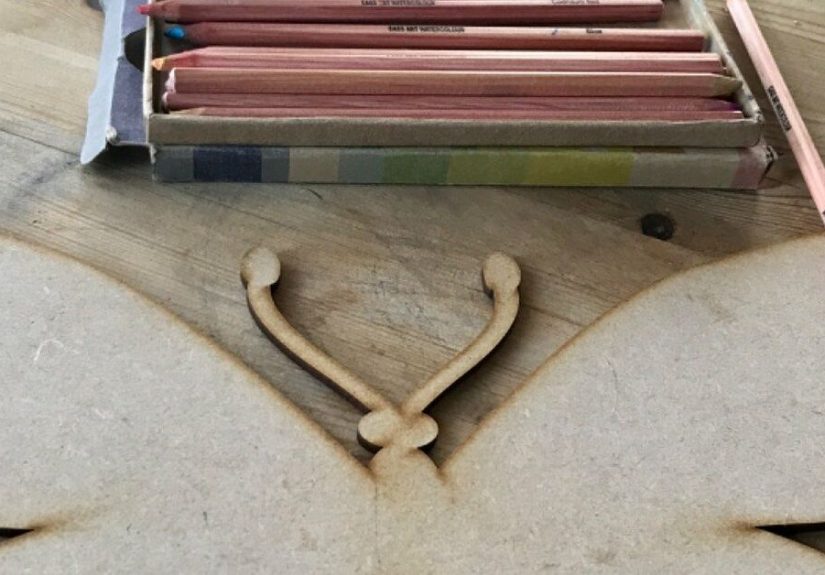
- 3) Cut and shape the base
- 4) Prep the surface (this is where outdoor durability is born)
- 5) Prime like you mean it
- 6) Lay down the base colors
- 7) Add pattern and “butterfly magic” details
- 8) Outline for readability (your garden is not a museum spotlight)
- 9) Seal it for outdoor survival (UV + moisture are the villains)
- 10) Mount it so it looks intentional (not “storm debris chic”)
- Three Big Butterfly “Recipes” You Can Copy
- Troubleshooting: Fix Common DIY Paint Problems
- Maintenance: Keep Your Butterfly Looking Fresh
- Experience Notes: What DIYers Learn When Painting a Big Garden Butterfly
- Conclusion
A garden without a little whimsy is just… a yard that pays taxes. If you want a showy focal point that feels cheerful, handmade, and oddly satisfying to look at from the kitchen window, a big painted butterfly is a perfect DIY. It’s color, motion (visually), and “yes, I made that” energywithout needing a welding certification or a Pinterest-level tolerance for hot glue disasters.
This guide walks you through planning, prepping, painting, sealing, and installing a large butterfly yard art piece that can handle real outdoor lifesun, moisture, and the occasional inquisitive squirrel with boundary issues.
What “Big” Means (and Why It Looks Better Outside)
Outdoors, small details vanish fast. A butterfly that looks huge on your worktable can look “cute and normal” once it’s ten feet away, surrounded by plants and shadows. For most yards, aim for a butterfly that’s 18–36 inches wide. That’s large enough to read as intentional garden art, not “a craft project that got lost on its way to the fridge.”
Materials and Tools
Choose your base (pick one)
- Exterior plywood (½ inch is sturdy; ¾ inch is tank-like)
- Primed metal sheet or recycled metal sign (great for durability)
- PVC trim board (weather-friendly and smooth; easy to paint)
- Repurposed items (old cabinet panel, fence board, sturdy plastictest paint adhesion first)
Paint and finish supplies
- Exterior or multi-surface acrylic paint (craft or house paint samples work well)
- Primer matched to your surface (wood/metal/plastic)
- Detail paint pens or small brushes for outlines and dots
- Clear protective topcoat (UV-resistant recommended)
Tools
- Sandpaper (80, 120, 220 grit) + sanding block
- Drop cloth or cardboard (spray-friendly)
- Painter’s tape (for clean edges and symmetry)
- Pencil + eraser
- Jigsaw (for wood/PVC) or metal snips (for thin metal)
- Drill (for mounting holes)
- Gloves + a mask/respirator (especially for sanding, spraying, or older materials)
Step-by-Step: Paint a Beautiful Big Butterfly for Your Garden
1) Pick a butterfly “inspiration” (and steal from nature, politely)
Start with a real butterfly pattern so your design looks believable. You don’t need to copy perfectlyjust borrow the logic: bold shapes near the edges, gradients toward the center, and symmetry that feels intentional.
Three crowd-pleasers:
- Monarch-inspired: orange wings, black veins, white dots along the border
- Swallowtail-inspired: yellow + black patterning, a touch of blue near the lower wings
- Blue morpho-inspired: vivid blues with dark edging and a soft metallic pop
Quick design tip: decide your dominant color, a secondary color, and a high-contrast outline color. That trio keeps the painting readable from a distance.
2) Make a big butterfly template (symmetry without tears)
Symmetry is what makes a butterfly look “wow” instead of “my printer ran out of ink and hope.” Here’s a low-stress method:
- Fold a large sheet of paper or taped-together kraft paper in half.
- Draw half a butterfly wing on the fold line.
- Cut it out while still folded.
- Unfoldboom, matching wings.
Trace the template onto your base with pencil. Mark the centerline and body placement. Keep your body a little thicker than you think; outdoor viewing “eats” skinny shapes.
3) Cut and shape the base
Cut the butterfly outline. For wood/PVC, use a jigsaw. For thin metal, use snips or a cutting wheel. Round sharp corners slightlythis helps paint adhere and reduces chipping.
4) Prep the surface (this is where outdoor durability is born)
Prep isn’t glamorous, but neither is peeling paint. Outdoors, adhesion is everything: clean, scuff, prime, then paint.
For wood
- Sand edges and faces: start around 80–120 grit, finish at 220 for smoothness.
- Wipe off dust thoroughly (a slightly damp cloth works; let dry fully).
- If your wood is old or previously painted, remove loose paint and feather edges so you don’t see ridges later.
For metal
- Remove rust and flaking paint with sanding or a wire brush.
- Degrease, then scuff lightly so primer grips.
- Use a rust-inhibiting metal primer for best results.
For plastic or slick surfaces
- Clean and scuff lightly.
- Use an adhesion primer meant for slick surfaces.
- Test paint on a hidden spot firstsome plastics resist adhesion.
Safety note: If you’re repurposing an older painted board, be cautious when sanding. Avoid dry-sanding unknown old paint; use proper safety gear and consider testing if you suspect lead-based paint.
5) Prime like you mean it
Primer is the “double-sided tape” of the paint world: it helps paint stick, look even, and last longer. Apply an even coat and let it dry completely.
Pro move: after the first primer coat, lightly sand with 220 grit and wipe clean. This knocks down raised grain (wood) and makes your final paint look smoother.
6) Lay down the base colors
Start with the biggest color areas first. Use a medium brush or small roller for wings and a smaller brush for the body. If you’re using spray paint for base coats, use thin coats and keep your motion consistentfast passes beat heavy blasts.
Want instant depth without advanced art skills? Blend two shades of the same color:
- Paint the wings your lighter shade.
- While still slightly damp, add the darker shade near the edges.
- Feather the meeting line with a dry brush or sponge for a soft gradient.
7) Add pattern and “butterfly magic” details
This is where your butterfly becomes garden-worthy. Use painter’s tape for crisp sections, or freehand with a pencil sketch first. Work from large shapes → medium shapes → small details.
Easy detail techniques that look fancy
- Dot borders: Use the blunt end of a paintbrush handle or a dotting tool to add evenly spaced dots.
- Veins: Thin a darker paint slightly and use a liner brush for clean vein lines.
- Dry brushing: Dip, wipe most paint off, then lightly drag across texture for a soft highlight.
- Paint pens: Great for outlines and tiny accents (test first; sealers can sometimes react to certain inks).
Keep stepping back while you paint. If it looks great up close but disappears from five feet away, you need thicker lines and stronger contrast.
8) Outline for readability (your garden is not a museum spotlight)
A thin outline can vanish outdoors. A slightly thicker outline around major shapes makes your butterfly “pop” in natural light. Black is classic, but deep brown, charcoal, or navy can look more natural depending on your palette.
9) Seal it for outdoor survival (UV + moisture are the villains)
Acrylic paint dries durable, but outdoors it still benefits from a protective finishespecially against sunlight fading and moisture. Choose a topcoat that matches your surface and look:
Topcoat options
- UV-resistant clear spray: Fast, even coverage; great for textured details.
- Acrylic varnish (brush or spray): Helps protect color and unifies sheen (matte/satin/gloss).
- Exterior-rated clear coat: Often tougher for “yard art” conditions.
Apply the topcoat in multiple light layers, letting each one dry as directed. Avoid spraying in direct sunlight or sticky, humid conditionsclear coats can haze or dry unevenly.
Sheen tip: Satin is a sweet spot for garden artmore wipeable than matte, less “plastic shiny” than gloss.
10) Mount it so it looks intentional (not “storm debris chic”)
Decide where your butterfly will live:
- Fence or wall: Pre-drill holes and use exterior screws with washers.
- Garden stake: Attach to a metal stake or rebar using U-bolts or brackets (sturdy and wind-friendly).
- Tree mount: Use a strap system to avoid harming bark (and your conscience).
Leave a tiny gap between the butterfly and a flat surface if possible. A little airflow helps reduce moisture staying trapped behind it.
Three Big Butterfly “Recipes” You Can Copy
Recipe 1: Monarch Bold
- Base: warm orange
- Edges: deep black border (wider than you think)
- Veins: black, slightly thickened
- Accent: white dots along the border
Recipe 2: Modern Swallowtail
- Base: buttery yellow
- Pattern: big black “panels” near the edges
- Lower wing: small blue crescents + a tiny orange spot
- Optional: a thin white highlight line inside black panels
Recipe 3: Blue Morpho Glow
- Base: bright blue center, darker blue toward edges
- Border: deep navy or black
- Texture: dry-brushed metallic blue for shimmer
- Finish: satin or gloss topcoat for “wing shine”
Troubleshooting: Fix Common DIY Paint Problems
“My paint is dripping / running.”
Too much paint in one pass. Let it dry, sand the drip smooth, wipe clean, and repaint with thinner coats. When spraying, start and end your spray off the piece and overlap your passes for even coverage.
“It looks bumpy.”
Usually surface prep (dust) or spraying too close. Sand lightly, clean well, and do another thin coat.
“The paint is peeling.”
Adhesion issueoften from skipping primer, painting over grime, or not scuffing a slick surface. Strip loose paint, scuff-sand, prime properly, and repaint.
“My clear coat turned cloudy.”
Humidity or heavy application can cause haze. Try a light recoat in better conditions, and avoid spraying in hot, humid weather or direct sunlight.
Maintenance: Keep Your Butterfly Looking Fresh
- Rinse gently with water when dusty; avoid harsh scrubbing.
- Touch up chips quicklysmall repairs prevent bigger peeling.
- If colors look tired after a season or two, lightly clean, scuff very gently, and add a fresh clear coat.
Experience Notes: What DIYers Learn When Painting a Big Garden Butterfly
Painting large garden art has a funny way of teaching lessons fastmostly because the outdoors is brutally honest. Indoors, a paint job can hide behind flattering lighting. Outside, sunlight is basically an investigative journalist with a zoom lens. The good news: once you know what to expect, your butterfly will look better, last longer, and take less effort than you think.
Lesson #1: Contrast matters more than perfection. Many first-time painters spend ages fussing over tiny details that vanish from a distance. Outdoors, bold borders, clear wing sections, and strong light/dark contrast do most of the visual work. If you only have energy for one “pro” step, make your outline and major pattern shapes a little thicker than feels normal at arm’s length. From the sidewalk, it reads as crisp and intentional.
Lesson #2: Prep is the difference between “garden art” and “garden confetti.” When paint fails outside, it usually isn’t because the paint was “bad.” It’s because the surface wasn’t clean, wasn’t scuffed, or wasn’t primed. A quick wipe, a quick scuff, and a proper primer coat can be the difference between a butterfly that lasts seasons and one that starts peeling after the first hot week. This is especially true on slick metal or glossy plastic: paint needs a surface it can grip.
Lesson #3: Thin coats feel slow, but they’re actually faster. Heavy coats look productiveuntil they run, wrinkle, or stay tacky. Multiple light coats dry more predictably, look smoother, and reduce the “fix-it” time that eats your afternoon. It’s the classic DIY paradox: the patient way is the quickest way.
Lesson #4: Sealing is not optional if you want the color to stay loud. UV is the great color thief. Even vibrant paint can fade outside, especially in full sun. A UV-protective clear coat or varnish helps keep your butterfly looking like you painted it recently, not during a different presidential administration. Also, sealing makes the surface easier to wipe cleanbecause pollen season is real, and it does not care about your aesthetic.
Lesson #5: The garden chooses the “best” location. People often plan to place yard art in the perfect spot, then discover that wind, sprinkler overspray, or harsh afternoon sun has other plans. If you can, “test install” your butterfly for a day or two before committing. Watch how the light hits it at morning, midday, and evening. See whether glare is washing out your details. If it’s too reflective, switch to a satin or matte topcoat next time. If it’s getting blasted by sprinklers, move it slightly or mount it higher. A small change in placement can dramatically improve how it looksand how long it lasts.
Lesson #6: Your first big butterfly becomes your template forever. Once you have a sturdy butterfly shape, you can repaint it seasonally or build a set: spring pastels, summer brights, fall jewel tones. The second one is always easier because you’ve already solved the hard parts: scale, mounting, and what paints/finishes behave well in your yard’s conditions. Over time, the “experience” becomes a personal style and that’s the real win. Your garden stops looking decorated and starts looking curated.
Conclusion
A big painted butterfly is one of the easiest ways to add personality to a gardenbecause it’s bright, graphic, and instantly readable outdoors. Focus on the fundamentals (clean surface, proper primer, bold contrast, and a durable topcoat), and your DIY butterfly will stay beautiful long after the last drop of paint leaves your brush.