Table of Contents >> Show >> Hide
- A Faucet With a Little Dramaand a Lot of Discipline
- What Makes the Easton Classic Two Hole Bridge Faucet Special?
- Key Product Details Homeowners Should Know
- Why Brass Construction Matters
- Quarter-Turn Ceramic Cartridge: Small Detail, Big Difference
- Side Spray Convenience Without Visual Chaos
- Design Style: Where the Easton Classic Faucet Fits Best
- Finish Choices: The Personality Test of Kitchen Faucets
- Installation Considerations Before You Buy
- Water Flow, Efficiency, and Local Codes
- Cleaning and Maintenance: Keep It Gorgeous Without Overthinking It
- Pros and Cons of the Easton Classic Two Hole Bridge Gooseneck Kitchen Faucet
- Who Should Choose This Faucet?
- Real-World Experience: Living With a Faucet Like the Easton Classic
- Conclusion
Note: This article is based on current manufacturer specifications, U.S. faucet-buying guidance, installation best practices, water-efficiency standards, finish-care recommendations, and design information available from reputable home improvement and plumbing sources. Always confirm final measurements, flow-rate options, finish availability, and local code requirements before purchase or installation.
A Faucet With a Little Dramaand a Lot of Discipline
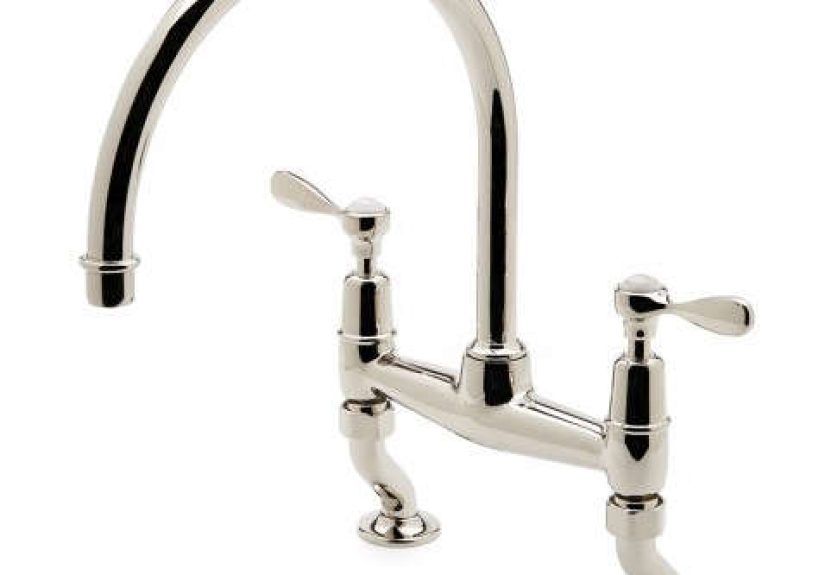
The Easton Classic Two Hole Bridge Gooseneck Kitchen Faucet, Metal Lever Handles is not the kind of faucet that quietly hides in the corner while the backsplash gets all the attention. It walks into the kitchen wearing a tailored jacket, nods politely to the marble countertop, and says, “Yes, I belong here.” Designed by Waterworks as part of the Easton collection, this faucet takes its inspiration from classic Edwardian design while still performing like a serious modern kitchen fixture.
In plain English, it is a luxury bridge kitchen faucet with a high gooseneck spout, two metal lever handles, and a traditional silhouette that works beautifully in refined kitchens, classic renovations, transitional interiors, farmhouse-inspired spaces, and even modern rooms that need one warm, architectural focal point. It is decorative, but not fussy. It is practical, but not boring. That is a difficult balance to strike, especially in a room where people routinely spray tomato sauce, stack cereal bowls, and debate whether the dishwasher was loaded “correctly.”
The Easton Classic faucet is especially appealing because it blends old-world charm with modern convenience. Its bridge-style body creates a graceful horizontal connection between the hot and cold controls, while the gooseneck spout gives clearance for deep pots, tall pitchers, and the occasional heroic pasta night. The metal lever handles feel cleaner and more streamlined than cross handles, making this version a strong choice for homeowners who like traditional design but do not want the kitchen to feel like a museum exhibit guarded by a very serious docent.
What Makes the Easton Classic Two Hole Bridge Faucet Special?
1. The Bridge Design Creates Instant Character
A bridge faucet is easy to spot because the hot and cold handles connect above the countertop before water travels through the central spout. Historically, this style was common before single-handle mixers became the default choice in many kitchens. Today, bridge faucets are loved because they bring visible craftsmanship back to the sink area.
The Easton Classic Two Hole Bridge Gooseneck Kitchen Faucet leans into that heritage. Instead of looking like a simple utility object, it becomes part of the kitchen architecture. The exposed bridge gives the faucet more visual weight, which is useful when paired with a large apron-front sink, stone counters, custom cabinetry, or a statement range. It helps the sink area look intentional rather than “we picked whatever was left in aisle seven.”
2. The Gooseneck Spout Is Practical, Not Just Pretty
A gooseneck spout is one of those design features that earns its keep every day. The tall arc provides room under the faucet for filling stockpots, rinsing baking sheets, washing bunches of greens, or cleaning awkward items that seem to have been engineered specifically to splash water on your shirt.
For the Easton Classic model with spray, the manufacturer lists a height of about 15 9/16 inches and a depth/width of about 11 5/8 inches. That scale gives the fixture presence without making it look oversized in a standard luxury kitchen. The spout also swivels, which is important for multi-basin sinks, large farmhouse sinks, prep sinks, and laundry applications where reach matters.
3. Metal Lever Handles Keep the Look Clean
The metal lever handles are a smart middle ground between vintage detail and everyday convenience. Cross handles look wonderfully traditional, but lever handles can be easier to operate when your hands are wet, soapy, or lightly coated in cookie dough. The Easton Classic line is available in several handle styles, including cross, metal lever, porcelain lever, and oak lever options, but the metal lever version is arguably the most versatile.
In a polished nickel finish, it can look crisp and elegant. In brass, it feels warmer and more old-world. In darker or living finishes, it can bring mood and patina to the room. The handle choice matters because faucets are touched constantly. A beautiful handle that feels annoying after the third use is just a tiny sculpture with plumbing attached. The Easton metal lever handles avoid that trap by being attractive, tactile, and straightforward.
Key Product Details Homeowners Should Know
The Easton Classic Two Hole Bridge Gooseneck Kitchen Faucet with metal lever handles and spray is commonly identified as Waterworks style EAKM32. It is listed as a brass fixture with ADA compliance, integrated diverter, swivel spout, and a side spray configuration. Depending on the version and market, flow-rate options may vary, with common specifications referencing standard 2.2 gallons per minute performance and restricted options around 1.75 or 1.8 gallons per minute for compliance in certain states.
Important specifications include:
- Product type: Two-hole bridge gooseneck kitchen faucet
- Handle style: Metal lever handles
- Primary material: Brass
- Spout: Gooseneck with swivel function
- Spray: Side spray with integrated diverter on spray models
- Cartridge: Quarter-turn ceramic cartridge
- Suggested applications: Kitchen, bar, and laundry areas
- Common listed height: Approximately 15 9/16 inches
- Common listed depth/width: Approximately 11 5/8 inches
- Professional installation: Strongly recommended
Those details matter because a luxury kitchen faucet is not just a pretty object. It has to fit the countertop, align with the sink, connect correctly to the plumbing, comply with local rules, and survive years of daily use. Translation: measure twice, order once, and do not let your cousin “who is pretty handy” install it during halftime.
Why Brass Construction Matters
One reason premium faucets often cost more is the quality of the material inside the body. Solid brass is widely valued in plumbing fixtures because it is durable, corrosion-resistant, and reliable under daily kitchen conditions. The Easton Classic faucet uses brass as its primary material, which helps explain why it sits firmly in the luxury category.
Brass also pairs well with premium finishes. Whether the faucet is ordered in chrome, nickel, brass, or another Waterworks finish, the material beneath the surface gives the fixture a substantial feel. A faucet is one of the hardest-working objects in the kitchen. It is turned on and off constantly, splashed, wiped, brushed by pans, and judged silently by guests. A well-made brass faucet is designed for that kind of life.
Quarter-Turn Ceramic Cartridge: Small Detail, Big Difference
The Easton Classic faucet uses a quarter-turn ceramic cartridge. That may not sound thrilling unless your idea of a wild Friday night involves plumbing diagrams, but it is an important feature. Ceramic cartridges are valued because they help create smooth handle movement and reliable water control. A quarter-turn design also means the handles do not need dramatic spinning to open or close the water.
In daily use, that means fewer awkward wrist gymnastics. Turn the handle, water flows. Turn it back, water stops. Simple. Elegant. No need to rotate a handle like you are opening a submarine hatch.
Side Spray Convenience Without Visual Chaos
The spray version of the Easton Classic Two Hole Bridge Gooseneck Kitchen Faucet includes a side spray and built-in automatic diverter. That matters because it gives the sink area more flexibility. A gooseneck spout is excellent for filling and general rinsing, but a side spray is helpful for targeting corners of the sink, cleaning produce, rinsing plates, or chasing one stubborn spinach leaf that refuses to cooperate.
The integrated diverter means the sprayer does not require a separate valve control. In practical terms, the design keeps the deck layout cleaner while preserving functionality. This is especially useful in luxury kitchens where every visible element is intentional. Nobody spends weeks choosing stone slabs just to clutter the sink deck with unnecessary hardware.
Design Style: Where the Easton Classic Faucet Fits Best
Traditional Kitchens
The Easton Classic faucet feels completely at home in traditional kitchens. Pair it with inset cabinetry, marble countertops, a farmhouse sink, polished nickel hardware, and warm lighting. The bridge form reinforces the classic look without feeling overly decorative.
Transitional Kitchens
Transitional kitchens are where this faucet really shines. The metal lever handles soften the vintage look, making the fixture feel less ornate than cross-handle versions. It can sit comfortably beside shaker cabinets, quartz counters, paneled appliances, and modern pendant lights.
Modern Kitchens With Warmth
Even a modern kitchen can use a faucet like this if the goal is to prevent the space from feeling too sterile. A clean-lined room with flat-panel cabinets and stone counters can benefit from one traditional element. The Easton faucet acts like jewelry: not too much, just enough to make the outfit look finished.
Farmhouse and Cottage Kitchens
If you love apron-front sinks, natural wood, unlacquered brass, beadboard, open shelving, or vintage-inspired lighting, this faucet belongs on your shortlist. It has enough heritage in its shape to support a farmhouse or cottage design without sliding into theme-park territory.
Finish Choices: The Personality Test of Kitchen Faucets
The finish you choose can completely change the mood of the Easton Classic faucet. Polished chrome feels bright, clean, and timeless. Nickel is softer and warmer, often preferred in luxury kitchens because it has a slightly less mirror-like quality. Brass brings warmth and character, especially in kitchens with natural stone, cream cabinetry, dark green cabinets, walnut, or antique-inspired hardware.
Living finishes, such as unlacquered brass or certain aged metals, develop patina over time. Some homeowners love that evolution because it makes the kitchen feel personal and lived-in. Others prefer finishes that stay more consistent. There is no wrong answer, but there is a wrong expectation. If you want a faucet to look exactly the same forever, choose accordingly. If you want it to age like a leather chair in a library, a living finish may be your best friend.
Installation Considerations Before You Buy
Before ordering the Easton Classic Two Hole Bridge Gooseneck Kitchen Faucet, confirm your sink or countertop hole configuration. This model is designed for a two-hole bridge faucet setup, and spray versions require planning for the side spray opening as well. Manufacturer installation guidance commonly references a 1/4-inch minimum deck thickness and a 1-1/4-inch maximum deck thickness for related Easton bridge faucet installations, along with 1/2-inch male inlet connections.
Professional installation is recommended because bridge faucets need accurate alignment, secure mounting, proper supply connections, and leak testing. If the countertop is stone, installers should also use care with sealants and putties, since some compounds can stain porous materials. After installation, the supply lines should be flushed and the aerator checked so debris does not interfere with flow.
In short: this is not the faucet to install while watching a five-minute video and saying, “How hard could it be?” That sentence has personally caused many hardware store emergency trips.
Water Flow, Efficiency, and Local Codes
Kitchen faucet flow rates vary depending on state requirements and product configuration. In the United States, many kitchen faucets are discussed around the federal 2.2 gallons per minute maximum at 60 psi, while states such as California may require lower default flow rates, often around 1.8 gallons per minute, with limited temporary higher-flow functions allowed in some designs.
The Easton Classic specification information notes standard 2.2 gpm performance and other available flow options, while some current product sheets list restricted flow configurations around 1.75 gpm. This is why buyers should verify the exact model, finish, and flow-rate version before ordering. A faucet may look identical online but be configured differently for regional compliance.
Cleaning and Maintenance: Keep It Gorgeous Without Overthinking It
A luxury faucet does not need dramatic maintenance, but it does need respectful care. For most finishes, the safest routine is simple: wipe with a soft damp cloth, use mild dish soap when needed, rinse, and dry with a clean soft towel. Avoid abrasive pads, harsh chemicals, bleach, ammonia, aggressive lime removers, and mystery cleaners from the back of the cabinet. If the bottle looks like it could remove barnacles from a ship, it probably should not touch your faucet.
For brass and living finishes, patina is part of the story. Regular drying helps minimize water spots, while gentle cleaning preserves the surface. Some finishes may benefit from periodic waxing or manufacturer-approved care kits. The key is consistency. A quick wipe after heavy use can do more than a heroic deep-cleaning session once every six months.
Pros and Cons of the Easton Classic Two Hole Bridge Gooseneck Kitchen Faucet
Pros
- Timeless Edwardian-inspired design with strong architectural presence
- Premium brass construction
- Metal lever handles offer a clean, usable traditional look
- Gooseneck spout provides useful clearance
- Swivel spout supports multi-basin sinks and larger work zones
- Side spray version improves rinsing and cleaning flexibility
- Quarter-turn ceramic cartridge supports smooth operation
- Works beautifully in traditional, transitional, farmhouse, and luxury kitchens
Cons
- Premium pricing puts it outside many budget remodels
- Requires careful measurement before ordering
- Professional installation is strongly advised
- Living finishes may patina, which not every homeowner wants
- Bridge faucet styling may feel too traditional for ultra-minimal kitchens
Who Should Choose This Faucet?
The Easton Classic Two Hole Bridge Gooseneck Kitchen Faucet, Metal Lever Handles is best for homeowners, designers, and remodelers who want the faucet to be a visible design featurenot just a water delivery device. It is ideal for a kitchen where the sink area is part of the room’s personality.
Choose it if you appreciate heritage design, premium materials, balanced proportions, and hardware that feels substantial. It is especially well suited to custom kitchens where the faucet needs to coordinate with cabinet hardware, lighting, appliances, and sink style. It is not the cheapest option, but that is not really the point. This is a faucet for people who believe the details are the design.
Real-World Experience: Living With a Faucet Like the Easton Classic
Using a bridge gooseneck faucet with metal lever handles changes how the sink area feels. The first thing most people notice is the height. A high gooseneck faucet makes ordinary kitchen tasks feel easier because there is more open space between the sink and the spout. Filling a pasta pot no longer requires tilting it at a weird angle like you are solving a kitchen-themed puzzle. Rinsing a tall vase becomes possible. Washing a sheet pan becomes less of a splashy negotiation.
The second thing users tend to notice is the handle control. Metal lever handles are intuitive. Hot is on one side, cold is on the other, and the quarter-turn movement feels deliberate. In a busy kitchen, that matters. When your hands are messy from kneading dough or seasoning chicken, a lever is easier to nudge than a small knob. It is one of those little conveniences that does not sound exciting in a product description but feels excellent in everyday life.
The side spray also earns its place. Many people underestimate how useful a separate sprayer can be until they have one that works well. It helps rinse sink corners, clean the drain area, wash vegetables, and clear food residue from plates before loading the dishwasher. With a large farmhouse sink, the sprayer becomes even more helpful because the basin is wide and deep. The main spout handles filling and general washing; the sprayer handles detail work.
From a design perspective, a faucet like the Easton Classic creates a sense of permanence. In many kitchens, small fixtures feel temporary or generic. This faucet does the opposite. It looks chosen. It makes the sink area feel finished, especially when paired with a beautiful sink and coordinated hardware. Guests may not know the model name, but they will notice that the kitchen feels polished.
Maintenance is part of the experience too. A polished or nickel finish generally rewards quick drying. A brass or living finish rewards a homeowner who enjoys character and change. Over time, the areas touched most often may deepen, soften, or mellow. Some people call that patina; others call it “the faucet developing a personality.” Either way, it is important to understand before buying. If every water spot makes your eye twitch, choose a finish that supports your lifestyle.
Another practical experience is installation planning. A bridge faucet is less forgiving than a simple single-hole faucet. The holes must be right, the spread must work, the deck thickness must be compatible, and the sprayer location should feel natural. When planned correctly, the result is elegant and functional. When guessed, it can become an expensive lesson in why measuring tools were invented.
Overall, living with the Easton Classic Two Hole Bridge Gooseneck Kitchen Faucet is about enjoying a daily object that feels both useful and beautiful. It turns the sink from a purely practical zone into a design moment. And because the kitchen sink is used constantlyfrom morning coffee cleanup to late-night snack evidence removalthat moment gets appreciated again and again.
Conclusion
The Easton Classic Two Hole Bridge Gooseneck Kitchen Faucet, Metal Lever Handles is a standout choice for anyone who wants a kitchen faucet with history, craftsmanship, and everyday usability. Its Edwardian-inspired bridge design gives the sink area architectural charm, while the gooseneck spout, swivel function, ceramic cartridge, brass construction, and optional side spray make it practical for real kitchensnot just showroom kitchens where nobody appears to own spaghetti sauce.
It is not a casual budget faucet. It is a premium fixture for a carefully designed space. But for the right kitchen, it can be the detail that pulls the whole room together. Whether paired with marble, soapstone, quartz, fireclay, copper, or a classic stainless sink, the Easton Classic faucet brings a sense of permanence and polish that few fixtures can match.