Table of Contents >> Show >> Hide
- Why You’ll Love This Air Fryer Turkey Breast
- Key Food-Safety Note (A.K.A. Don’t Guess)
- What Kind of Turkey Breast Works Best?
- Ingredients
- Optional “Level Up” Step: Quick Dry Brine
- Equipment
- Step-by-Step: Easy Air Fryer Turkey Breast
- Approximate Cook Times (Use These as a Starting Point)
- Flavor Variations (So You Don’t Eat “The Same Turkey” Forever)
- Serving Ideas
- Common Mistakes (And How to Avoid Them)
- Storage and Reheating
- FAQ: Air Fryer Turkey Breast
- Kitchen Notes: What It’s Like to Make This (500+ Words of Real-World Experience)
- Conclusion
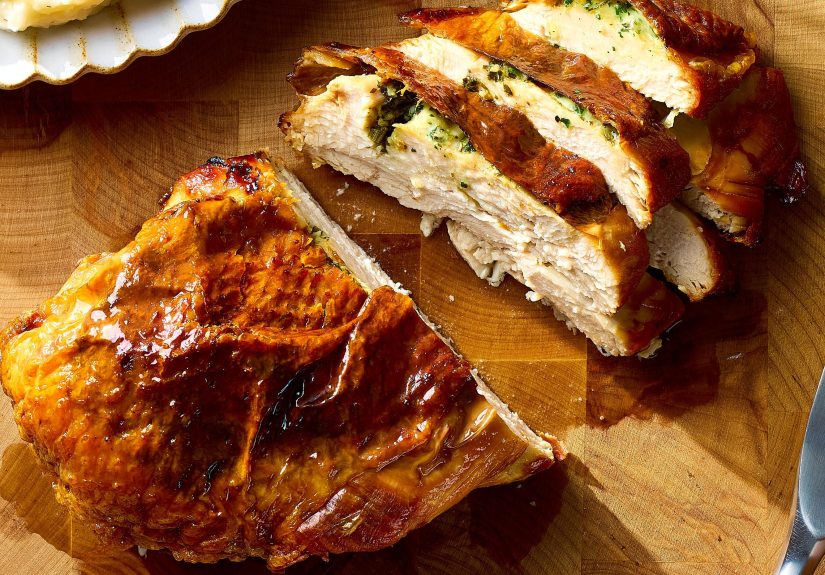
Want turkey that tastes like you worked way harder than you did? Same. This easy air fryer turkey breast recipe is the
“small gathering hero” you can pull off on a Tuesday, a random Sunday, or Thanksgiving-for-two when you refuse to roast a
bird the size of a coffee table.
The air fryer does two things extremely well: it blasts hot air for quick cooking, and it encourages browning without
babysitting. Translation: juicy turkey breast, crisp edges (and skin, if you have it), and a kitchen that doesn’t feel
like a sauna. Let’s do this.
Why You’ll Love This Air Fryer Turkey Breast
- Faster than the oven: Great for weeknights and smaller holiday menus.
- Juicy, not dry: A simple seasoning strategy + a thermometer makes it nearly foolproof.
- Big flavor, low effort: Optional dry brine if you want to flex, but it’s not required.
- Leftovers that actually get eaten: Think sandwiches, salads, grain bowls, and “one more slice” snacking.
Key Food-Safety Note (A.K.A. Don’t Guess)
Turkey is done when the thickest part of the breast hits 165°F on a food thermometer.
Not “looks kinda cooked.” Not “the juices seem clear.” Not “my aunt says it’s fine.” 165°F.
What Kind of Turkey Breast Works Best?
Boneless, skinless turkey breast
The easiest option to fit in most baskets. It cooks evenly and slices nicely. Because it’s lean, we’ll use oil/butter and
a seasoning paste to keep it juicy.
Bone-in, skin-on turkey breast
More “holiday vibes,” plus the skin can crisp up beautifully. It may take longer and might require flipping depending on
your air fryer shape. Make sure it fits with air flow around itcrowding is the fastest way to sad turkey.
Ingredients
For a 3–4 lb turkey breast (boneless or small bone-in):
- 1 turkey breast (3–4 lb preferred for most air fryers)
- 1–2 tbsp olive oil or melted butter (or a mixlive a little)
- 1 1/2 tsp kosher salt (reduce if your turkey is pre-brined)
- 1 tsp black pepper
- 1 tsp garlic powder
- 1 tsp onion powder
- 1 1/2 tsp paprika (smoked paprika if you want extra personality)
- 1 tsp dried thyme
- 1 tsp dried rosemary (or 1 tbsp fresh, finely chopped)
- Optional: 1–2 tsp brown sugar (helps browning; skip if you prefer savory only)
- Optional: lemon zest, cayenne, or poultry seasoning
Optional “Level Up” Step: Quick Dry Brine
If you have time, dry brining makes turkey breast taste more seasoned and stay juicier. It also helps the surface dry out
for better browning.
- Pat the turkey breast dry.
- Sprinkle with salt (about 1/2 tsp per pound if not pre-brined).
- Refrigerate uncovered on a plate or rack for 45 minutes to 24 hours (even better: overnight).
Short on time? Skip it. This recipe still worksno turkey shame here.
Equipment
- Air fryer (basket or oven-style)
- Instant-read thermometer (the real MVP)
- Tongs (for flipping if needed)
- Small bowl for seasoning paste
Step-by-Step: Easy Air Fryer Turkey Breast
1) Thaw and dry (seriously, dry)
If frozen, thaw in the fridge until fully defrosted. Then pat the turkey breast dry with paper towels. Dry surface =
better browning and less steaming.
2) Make the seasoning paste
In a small bowl, mix oil/butter with salt, pepper, garlic powder, onion powder, paprika, thyme, and rosemary. If using
brown sugar, add it here. You’re aiming for a paste that spreads easily.
3) Season like you mean it
Rub the paste all over the turkey breast. If it’s skin-on, gently loosen the skin (without tearing) and rub a little
paste underneath for extra flavor. If it’s boneless and kind of floppy, you can tie it with kitchen twine so it cooks
more evenlybut it’s optional.
4) Preheat the air fryer
Preheat to 350°F for 3–5 minutes. Preheating helps with consistent cooking and better browning.
5) Air fry
Place the turkey breast in the basket with space around it for air circulation. If skin-on, start skin-side up.
- Cook at 350°F until the center reaches 165°F.
- If your air fryer browns aggressively, you can lower to 340°F after the first 20 minutes.
- If it’s skin-on and you want extra crisp, increase to 400°F for the last 3–6 minutes (watch closely).
6) Check temperature the smart way
Insert the thermometer into the thickest part of the breast, avoiding bone (if bone-in). If you get a low reading,
cook in 5-minute bursts and recheck.
7) Rest (yes, you have to)
Remove the turkey breast and rest for 10–15 minutes, loosely tented with foil. This helps juices
redistribute so the first slice doesn’t turn your cutting board into turkey soup.
8) Slice and serve
Slice against the grain for the most tender bite. If bone-in, remove the breast from the bone after resting, then slice.
Approximate Cook Times (Use These as a Starting Point)
Air fryer models vary a lot, and turkey breasts vary even more. Consider this a “GPS estimate,” not a promise.
- 3 lb boneless turkey breast: ~60–75 minutes at 350°F
- 4 lb boneless turkey breast: ~70–90 minutes at 350°F
- 4–6 lb bone-in turkey breast: often ~45–75 minutes (may need flipping depending on basket shape)
If you prefer a higher-heat method, some turkey brands recommend 400°F with shorter timingjust keep the
thermometer in charge, not the clock.
Flavor Variations (So You Don’t Eat “The Same Turkey” Forever)
1) Herb-Butter Classic
Use melted butter, add chopped fresh parsley, thyme, and sage. Finish with a squeeze of lemon after slicing.
2) BBQ Turkey Breast
Swap paprika for smoked paprika, add 1 tsp chili powder, and brush with a thin layer of BBQ sauce during the last
8–10 minutes (watch for burning).
3) Garlic-Parmesan “Why Is This So Good?”
Add 2 tbsp grated Parmesan to the paste, plus extra black pepper. Great for sandwiches.
4) Cajun-ish (Mild or Spicy)
Add Cajun seasoning, a pinch of cayenne, and a little brown sugar. Serve with slaw or roasted sweet potatoes.
Serving Ideas
- Holiday plate: mashed potatoes, green beans, cranberry sauce, gravy
- Weeknight: roasted veggies + a simple salad + dinner rolls
- Meal prep: turkey + rice/quinoa + steamed broccoli, plus a sauce (pesto, chimichurri, or mustard vinaigrette)
- Sandwich mode: turkey, mayo, mustard, pickles, and crunchy lettuce on toasted bread
Common Mistakes (And How to Avoid Them)
Mistake: Overcooking because you’re afraid
Use the thermometer and pull the turkey as soon as it hits 165°F. Resting finishes the job and improves juiciness.
Mistake: Not drying the surface
Wet turkey = steamed turkey. Pat it dry before seasoning for better texture and browning.
Mistake: Crowding the basket
Air fryers need airflow. If the turkey is jammed against the sides, you’ll get uneven cooking and soggy spots.
Mistake: Forgetting pre-brined turkey exists
Many store-bought turkey breasts are already salted (labeled “contains solution” or “pre-brined”). If yours is, reduce
added salt in the rub so it doesn’t taste like a salty sweater.
Storage and Reheating
- Refrigerate: Store sliced turkey in an airtight container for 3–4 days.
- Freeze: Freeze slices with a little broth or gravy for moisture. Best within 2–3 months for flavor.
- Reheat: Warm gently (microwave at 50–70% power, or in a skillet with a splash of broth). High heat can dry it out fast.
FAQ: Air Fryer Turkey Breast
Do I need to flip the turkey breast?
If it’s skin-on and you’re starting skin-side up, you usually don’t need to flip unless your air fryer browns unevenly.
For thicker bone-in pieces, flipping halfway can help even out cookingespecially in smaller basket fryers.
Can I use a frozen turkey breast?
For the best texture and most reliable doneness, thaw first. Cooking from frozen can lead to uneven cooking (overdone
outside, underdone inside). When in doubt: thaw and thermometer.
How do I keep turkey breast from drying out?
Three things: don’t overcook (165°F), use oil/butter in the rub, and rest before slicing. Dry brining helps too, but it’s
optional.
What if my turkey is browning too fast?
Lower the temperature by 10–20 degrees and keep cooking until it reaches 165°F. You can also loosely tent with a small
piece of foil (only if it doesn’t block airflow).
Kitchen Notes: What It’s Like to Make This (500+ Words of Real-World Experience)
In a lot of kitchens, turkey breast is the “I love turkey but I do not love chaos” choice. People want that cozy,
holiday-adjacent flavor without committing to a whole bird, a roasting pan, and an oven that’s occupied for half the day.
That’s where the air fryer shines: it makes turkey feel approachable. You can cook a turkey breast while still having
counter space for the sides, and you don’t need a game plan that involves three alarms and a spreadsheet.
One of the most common surprises is how much the size and shape of the turkey breast matters. A compact, evenly
thick breast tends to cook more predictably than one that’s wide on one end and tall on the other. If your turkey breast
is oddly shaped, tying it with kitchen twine (or even just tucking thinner flaps under) can make the difference between
“perfect slices” and “why is this end a little drier?” That said, the thermometer still wins every argument. People who
rely on time alone often end up cooking “just five more minutes” repeatedly, and that’s how perfectly good turkey becomes
politely chewy.
Another real-world lesson: pre-brined turkey breast is extremely common, especially with popular store brands. Home cooks
sometimes season like it’s completely plain meat, then wonder why the flavor is aggressively salty. Checking the label for
“contains up to X% of a solution” helps you adjust salt before it becomes a regret. The good news is that even if you go a
little heavy on seasoning, serving turkey with gravy, cranberry sauce, or a bright mustard vinaigrette can balance the
overall bite.
The “easy win” that gets repeated a lot is the surface-dryness trick: patting the turkey dry and letting it sit uncovered
in the fridge (even for an hour) makes it brown better. People are often skeptical“How can drying it out make it
juicier?”but it’s really about the outside. A drier surface browns faster, so you can stop cooking sooner, which helps
the inside stay tender. If you do the longer dry brine, the payoff is usually deeper seasoning and a turkey breast that
tastes like you did something fancy, even if you mostly just waited.
Then there’s the moment after cooking: the rest. Resting turkey feels like the culinary equivalent of being told to “calm
down,” but it matters. If you slice immediately, the juices rush out, and the turkey can taste drier even if you cooked it
correctly. People who rest the turkeyeven 10 minutestend to notice the slices look cleaner and the meat stays moist on
the plate. It’s a small pause that makes your work look more professional.
Finally, leftovers. Air fryer turkey breast has a reputation for being actually useful after day one. Sliced
turkey becomes sandwiches, wraps, salads, and rice bowls. If you slice it thin and reheat gently with a splash of broth,
it stays tender instead of turning into “turkey jerky.” Many home cooks end up making this recipe outside the holidays
because it’s a reliable way to get high-protein, flavorful meat without complicated prep. It’s the kind of recipe that
quietly becomes a repeatespecially once you realize you can change the flavor profile (herby, smoky, spicy, garlicky)
without changing the method.
Conclusion
This easy air fryer turkey breast recipe delivers juicy slices, great browning, and a stress-free path to “wow, you made
turkey?” energy. Keep it simple: season well, give it space, cook to 165°F, and let it rest before
carving. Whether you’re hosting a small holiday meal or just want turkey that doesn’t require a five-hour commitment, this
method earns a permanent spot in your rotation.