Table of Contents >> Show >> Hide
- Who Is Ericka Hart?
- Being Diagnosed With Breast Cancer at 28
- Breast Cancer as a Black Woman: More Than an Individual Story
- Visibility, Afropunk, and Topless Activism
- Queer Identity, Gender, and the Politics of the Body
- Calling Out Medical Racism and Health Inequity
- Teaching, Speaking, and Making Space for Radical Honesty
- Why Ericka Hart’s Story Matters for All of Us
- Practical Takeaways: Learning from Ericka Hart’s Advocacy
- Lived Experiences and Reflections on “Ericka Hart on Facing Breast Cancer as a Black Woman”
If you only know Ericka Hart as the brilliant, funny sex educator who shows up on your feed in bold lipstick and even bolder truth-telling, you might not realize that her activism is rooted in something deeply personal: breast cancer. Diagnosed in her late 20s, Hart has spent the last decade turning one of the most terrifying experiences of her life into a megaphone for Black survivors, queer survivors, and anyone whose body doesn’t fit the narrow image of who we’re told “gets” breast cancer.
Her story is not just about illness and recoveryit’s about racism in medicine, queer identity, body image, and what it means to be visible in a system that would rather pretend people like her don’t exist. It’s also about joy, sex, and refusing to disappear just because cancer showed up uninvited.
Who Is Ericka Hart?
Ericka Hart (she/they) is a Black queer femme academic, sexuality educator, model, and activist. Before she ever got a cancer diagnosis, she was already talking openly about sex, pleasure, and consent, teaching everyone from kids to graduate students how to navigate sexuality with honesty and care. She holds a Master’s in Education in Human Sexuality and has taught at the Columbia School of Social Work, among other places.
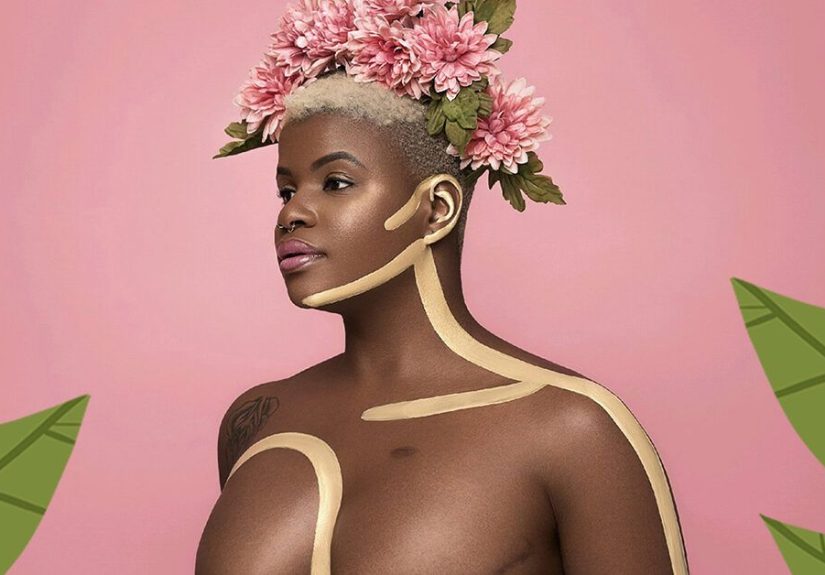
Hart’s work really exploded into public view when she attended the Afropunk music festival topless, revealing the scars from her double mastectomy. The photos went viralnot because people had never seen mastectomy scars before, but because they rarely saw them on a young, Black, queer person who was insisting on being seen as powerful, stylish, and yes, sexy.
That moment wasn’t a publicity stunt; it was a statement. Hart wanted people to understand that breast cancer does not only happen to straight, cis, white women in pink T-shirts. It happens to people with different genders, different sexualities, different bodiesand those people deserve lifesaving care, respect, and representation.
Being Diagnosed With Breast Cancer at 28
In 2014, at just 28 years old, Ericka Hart was diagnosed with bilateral breast cancercancer in both breasts. She didn’t have health insurance at the time, and like many young adults juggling bills and survival, she kept working while going through chemotherapy. She later underwent a double mastectomy and went back to work only weeks after surgery.
Hart has talked about how surreal this felt: one moment, she’s building a career as a sexuality educator; the next, she’s navigating medical jargon, treatment decisions, and the financial reality of cancer in the U.S. health system. Unlike the feel-good ads where everyone in the chemo chair is smiling in matching T-shirts, her experience included exhaustion, vulnerability, and constant reminders that the system was not designed with people like her in mind.
The diagnosis also carried emotional weight. Hart’s mother died of breast cancer when Ericka was a teenager, which meant cancer wasn’t some distant possibilityit was a haunting family history suddenly repeating itself.
Breast Cancer as a Black Woman: More Than an Individual Story
Ericka Hart’s story lands in the middle of a harsh reality: Black women in the United States are more likely to die from breast cancer than white women, even though they actually have a slightly lower incidence of the disease overall. Recent data show that Black women have about a 38–40% higher mortality rate from breast cancer and lower survival at every stage of diagnosis.
Black women are also more likely to be diagnosed at a younger age, with more aggressive forms of the disease such as triple-negative breast cancer, which tends to grow and spread faster and has fewer targeted treatment options.
These differences are not about biology alone. They’re tied to structural racism: less access to high-quality preventive care, delays in diagnosis, under-treatment, and the very real impact of being dismissed or not believed by medical professionals. Studies show that Black patients often report not feeling heard, not having their pain taken seriously, or having their concerns minimized.
Hart has been very clear about this. She’s spoken openly about medical racism, about the historical trauma that keeps many Black people away from doctors until something feels truly urgent, and about the way Black people’s symptoms are often ignored until it’s too late.
Visibility, Afropunk, and Topless Activism
Two years after her diagnosis, Hart did something that would make her famous far beyond sexuality education circles: she went to the Afropunk festival in Brooklyn topless, wearing high-waisted shorts and gold body paint over her mastectomy scars. Photos of her circulated widely; suddenly, millions of people were confronted with the image of a Black, queer, post-mastectomy body that refused to be hidden or pitied.
Hart has explained that she did this for two main reasons. First, she wanted Black peopleespecially Black queer and trans folksto see themselves in breast cancer narratives. She knew that when we imagine a “breast cancer survivor,” many of us picture a white woman in a pink ribbon campaign. She wanted to interrupt that picture.
Second, she wanted to reconnect breast cancer survivorship with sexuality and pleasure. There’s an assumption that losing one’s breasts means losing one’s sexiness. Hart pushed back loudly: her stance was that her body, scars and all, was still deeply desirable and worthy of love, intimacy, and admiration.
Her activism soon reached fashion runways. When Hart walked in Chromat’s Fall 2018 show at New York Fashion Week, it was hailed as a game-changing moment for visibility, challenging the industry to move beyond able-bodied, cisnormative beauty standards.
Queer Identity, Gender, and the Politics of the Body
Hart’s voice is especially powerful because she doesn’t separate her cancer story from her queer and nonbinary identity. Mainstream breast cancer campaigns often lean heavily on gendered language“save the ta-tas,” “real women have curves,” and so on. For queer and trans people, this messaging can feel alienating or downright hostile.
Hart has described how jarring it was to be handed pamphlets and support materials that assumed she was a straight, cisgender woman with a husband waiting anxiously at home. In reality, she was a queer, poly, nonbinary femme navigating cancer while also trying to maintain a healthy relationship with sex, desire, and partnership.
By talking about her chest not just as a medical site but as a site of pleasure, identity, and politics, Hart forces people to think more expansively about what survivorship looks like. She breaks open the idea that there’s only one way to look, dress, or feel after a mastectomy. That might mean going flat without reconstruction, celebrating your scars in a photoshoot, or simply wearing whatever makes you feel most like yourself.
Calling Out Medical Racism and Health Inequity
Hart’s advocacy isn’t just about body positivity; it’s about systems. She regularly calls out how medical institutions fail Black patients, and she connects breast cancer to broader patterns of racial inequity in healthfrom maternal mortality to chronic disease outcomes. Data across health fields show that Black women often face higher death rates even when you account for income and insurance status, underscoring that racism itself is a health risk.
In interviews and talks, Hart encourages people to advocate for themselves in the doctor’s office: ask follow-up questions, request second opinions, bring someone with you, and push back if something doesn’t feel right. At the same time, she makes it clear that the burden should not fall solely on patientshealthcare systems must confront bias in training, staffing, research priorities, and access to screening and treatment.
Teaching, Speaking, and Making Space for Radical Honesty
Beyond her cancer story, Hart continues to teach and speak about sexuality, race, and justice. She co-hosts the podcast “Hoodrat to Headwrap” with partner Ebony Donnley, where they talk candidlyand often hilariouslyabout everything from racial capitalism to dating and mental health. She delivers keynotes and workshops at universities, nonprofits, and conferences, weaving together her personal story with research and political analysis.
Her approach is disarmingly direct. She doesn’t shy away from naming white supremacy, transphobia, or ableism, but she also lets joy, humor, and tenderness live in the same space. That balance is part of what makes her work resonate: she reminds people that justice work isn’t just about calling things outit’s also about building communities where people feel seen, desired, and cared for.
Why Ericka Hart’s Story Matters for All of Us
Hart’s journey through breast cancer isn’t just inspiring; it’s instructive. It teaches us that:
- Representation saves lives. When people see someone who looks like them talking about symptoms, treatment, and survival, they’re more likely to seek help early and push for answers.
- Health doesn’t exist outside of identity. Race, gender, sexuality, and class shape everything from who gets screened to who gets believed.
- Survivors deserve more than survival. They deserve pleasure, community, financial stability, and space to be fully themselves.
Hart isn’t interested in being a sanitized, “inspirational” figure. She invites people into the messy, complicated reality of living through cancer and then living with the memories of it. That honesty can be uncomfortablebut it’s also where real change begins.
Practical Takeaways: Learning from Ericka Hart’s Advocacy
While everyone’s journey is different, Hart’s experience offers some powerful takeaways, especially for Black women and other people who are often marginalized in medical settings:
1. Listen to Your Body (Even When the System Doesn’t)
Hart found her cancer young, in a body doctors might not have seen as “high risk” yet. Stories like hers highlight why paying attention to changeslumps, pain, skin changes, nipple discharge, or just that “something’s not right” feelingmatters, even before the age typically recommended for routine mammograms.
2. Ask Questions and Demand Clarity
Medical language can feel like a foreign dialect, especially in oncology. Hart has spoken about reclaiming power by asking doctors to explain things in plain language, seeking second opinions, and not letting anyone rush her through decisions. This isn’t about being “difficult”it’s about being informed.
3. Bring Your Whole Self to the Conversation
Your race, gender, sexuality, and family history all matter in the exam room. Hart insists that queer and trans patients should not have to shrink themselves to fit a medical script. The more honest you can be about who you are and what you need, the more tailoredand saferyour care can be, especially when providers are willing to meet you there.
4. Community Is a Health Resource
Hart’s story is filled with people: partners, friends, students, online followers, and fellow survivors. Community stepped in where the healthcare system fell short, offering emotional support, financial help, and validation. Whether it’s a local support group, an online community, or a trusted friend, having people around you can make the difference between feeling isolated and feeling held.
Lived Experiences and Reflections on “Ericka Hart on Facing Breast Cancer as a Black Woman”
To really understand why Ericka Hart’s voice hits so hard, it helps to linger in the lived experiences that echo her story. Many Black women describe walking into medical spaces feeling like they’re already on the defensive, rehearsing their symptoms in their heads, ready to prove they’re “sick enough” to deserve attention. For someone like Hartyoung, Black, queer, and uninsured at the time of her diagnosisthat pressure is multiplied.
Imagine finding a lump in your breast at 28. You know your mother died of breast cancer. You also know doctor visits are expensive, time-consuming, and emotionally draining. You book the appointment anyway. You sit in the waiting room surrounded by pamphlets featuring older white women smiling in pastel cardigans. You don’t see yourself anywherenot in the posters, not in the brochures, not in the staff photo walls. On paper, someone like you doesn’t exist here, even though in reality, Black women your age are more likely to be dealing with aggressive disease.
After the diagnosis, practical stress kicks in: How will I pay for this? Can I keep working? Will my relationship survive? What does my body look like after surgery, and will I still be desirable? Hart has spoken about working through chemo, about returning to work shortly after surgery, and about the constant calculation between taking care of her health and keeping a roof over her head.
Then there’s the emotional tightrope of being a visible Black survivor. On one hand, visibility can be healing; sharing your scars, your story, your fears can create connection and inspire others to get screened. On the other hand, being turned into a symbol can be exhausting. People want you to be brave and positive all the time, but they may not want to hear about rage, grief, or how racism shapes who lives and who dies.
Hart’s decision to go topless at Afropunk and on runways wasn’t just about body love; it was also about reclaiming control over how her story was framed. Instead of being reduced to a tragic patient, she chose to be seen as a stylish, confident, politically engaged person whose body refuses to be censored. She turned what many people try to hidesurgical scars, flat chest, visible differenceinto something unapologetically public, even glamorous.
For other Black survivors, especially queer and trans survivors, this kind of imagery can feel like a lifeline. It says: “You’re not alone. You’re not broken. You don’t have to rebuild yourself into a version that makes other people more comfortable.” Hart’s activism reminds people that healing doesn’t always mean “getting back to normal.” Sometimes it means creating a new normal that includes your scars, your anger, your pleasure, and your politics.
There’s also a quiet, everyday side to this experience that often goes unseen: the moments of fatigue when you can’t answer one more text asking how you’re doing, the anxiety before each follow-up scan, the way time feels split into “before diagnosis” and “after diagnosis.” Hart has spoken about integrating cancer into her life story instead of treating it like a closed chapter. The fear never disappears completely, but it can be held alongside joycelebrating a new job, a new relationship, or the birth of a child while still carrying the memory of chemo infusions and waiting room chairs.
In the end, “Ericka Hart on facing breast cancer as a Black woman” is not just a headline; it’s a living invitation to rethink how we talk about illness, survival, and justice. Hart’s experiences push all of uspatients, providers, friends, and bystandersto ask better questions: Who is missing from our breast cancer campaigns? Whose pain is dismissed? Who gets access to cutting-edge treatment and who doesn’t? And what would it look like to build a system where Black queer survivors aren’t the exception, but part of the story from the very beginning?
Hart’s journey doesn’t offer neat answers. What it offers instead is a roadmap for being honest about the ugly parts, loud about the political parts, and tender about the human parts. It’s a reminder that survival is not just about living longerit’s about living more fully, on your own terms.