Table of Contents >> Show >> Hide
Pop culture has many mysteries. Why do celebrities keep wearing sunglasses indoors? Why does every awards show need at least one camera cut to a shocked reaction shot? And why do fanbases always sound like they were named in a caffeinated brainstorming session at 2 a.m.? The answer, strangely enough, is that the best celebrity fanbase names are not random at all. They are branding, belonging, in-jokes, online identity, and emotional glue rolled into one gloriously weird package.
Once upon a time, screaming crowds were just screaming crowds. Then the internet showed up, gave everybody usernames, hashtags, group chats, and enough meme power to launch a small nation. Suddenly, fans were not just listeners, viewers, or admirers. They were Swifties, Little Monsters, Barbz, Beliebers, and, in one especially funny case, proud certified Idiots. That is how fandom stopped being a side effect of celebrity and became part of the celebrity story itself.
The funniest thing about these names is that they should not work nearly as well as they do. Yet they do. In fact, the best ones are unforgettable because they sound a little ridiculous at first. Then, after five minutes on social media, you realize the name has become a flag, a handshake, and a digital hometown. That is real power. Also, it is excellent chaos.
Why celebrity fanbase names matter way more than they should
A great fanbase name does three jobs at once. First, it gives a scattered audience a shared identity. Second, it extends the celebrity’s brand without feeling like a corporate slogan cooked up by three consultants and a mood board. Third, it creates instant language for the internet. A person can say, “I’m a Swiftie” or “The Beyhive is awake,” and everyone immediately understands the vibe, the energy, and the probable volume level.
That matters because modern fandom is not passive. Fans do not just consume content anymore. They decode clues, stream songs on repeat, defend their favorite star like unpaid digital bodyguards, turn slang into mainstream vocabulary, and sometimes make enough noise to affect headlines. The name becomes shorthand for all that activity. It tells the world this is not a loose collection of admirers. This is a full ecosystem.
And the funniest fanbase names tend to be the strongest because humor lowers the barrier to entry. Calling yourself a Belieber or a KatyCat feels playful. Calling yourself part of Idiot Nation feels like the kind of joke that only gets funnier when thousands of people commit to it at once. That mix of sincerity and silliness is exactly why these names stick.
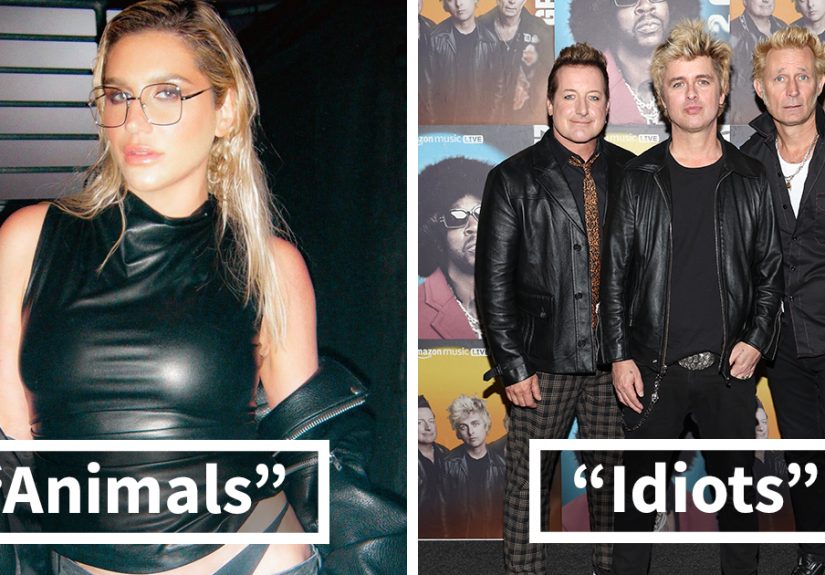
From “Animals” to “Idiots”: the celebrity fanbase names that absolutely dominate
Kesha’s Animals
“Animals” is a perfect Kesha fanbase name because it captures the wild, messy, glitter-bomb spirit that made her early pop era explode. It is bold without trying too hard. It sounds rebellious, a little feral, and totally comfortable with a party that may or may not end at sunrise. Better yet, it connects directly to Animal, the debut album that helped define Kesha’s public image.
What makes the name so good is that it feels less polished than many pop fandom labels. It is not trying to sound elegant. It is trying to sound alive. That gives it character. In a universe full of carefully managed celebrity branding, “Animals” has the energy of someone kicking open the door in sequins and saying, “Let’s make tonight weird.” A-plus, no notes.
Green Day’s Idiot Nation
This one deserves a standing ovation for commitment alone. Green Day fans looked at the phrase “idiot” and somehow turned it into a badge of honor. Tied to the band’s American Idiot era and official fan-club language, “Idiot Nation” is sharp, self-aware, and exactly the kind of anti-polished title that suits Green Day’s punk attitude.
It works because it is ironic without being empty. Fans are in on the joke. No one thinks they are actually joining a society devoted to bad decisions and poor judgment. The point is that Green Day’s whole world has always embraced rebellion, sarcasm, and a little glorious disorder. “Idiot Nation” sounds like a country founded by people who own three band tees, one studded belt, and an opinion about every album sequence.
Lady Gaga’s Little Monsters
If celebrity fanbase names had a hall of fame, “Little Monsters” would already have a giant bronze statue in the lobby. It is theatrical, weird, affectionate, and instantly tied to Gaga’s artistic universe. She did not just give fans a name; she gave them mythology. There is “Mother Monster,” there is the monster imagery, and there is the feeling that being a fan is not just about liking songs. It is about entering a world.
The brilliance here is balance. “Monsters” sounds edgy, but “Little” makes it tender. That combination mirrors Gaga’s entire appeal: dramatic on the outside, deeply emotional underneath. It also gave fans a visual language all their own, from claw-hand gestures to a whole ecosystem of online fan culture. This is not merely a nickname. This is elite-tier pop architecture.
Beyoncé’s Beyhive
“Beyhive” is what happens when a pun grows up, hits the gym, and becomes unstoppable. The name folds Beyoncé’s nickname, Queen Bey, into a hive image that suggests loyalty, organization, protection, and a very real willingness to swarm if necessary. It is smart, catchy, and memorable enough that even casual observers know exactly what it means.
What makes it especially powerful is the contrast between the sweetness of the bee imagery and the absolute fear it inspires online. The Beyhive can celebrate with the best of them, but they also have a reputation for showing up in full force when Beyoncé is criticized. That duality is why the name works so well. Cute in theory. Terrifying in practice.
Taylor Swift’s Swifties
Some fanbase names are flashy. “Swifties” is deceptively simple, and that is exactly why it conquered the planet. It is easy to say, easy to remember, and flexible enough to describe everyone from a casual playlist lover to the kind of fan who can identify an album era from a single nail-polish color in a blurry Instagram post.
The name also reflects Taylor Swift’s unusual talent for making fans feel included in the puzzle. Swiftie culture is built on clues, Easter eggs, bracelets, timelines, theories, and the cheerful possibility that every detail means something. So while “Swifties” sounds sweet and friendly, it quietly carries the energy of a detective agency with glitter pens.
Justin Bieber’s Beliebers
There are fanbase names, and then there are textbook examples of early social-media-era branding. “Beliebers” is one of the best. It is a pun, it is personal, and it instantly transforms fandom into identity. You do not just like Justin Bieber. You believe.
That tiny twist helped define a whole internet era. During Bieber’s rise, Beliebers were everywhere: trending hashtags, video comments, stan wars, fan edits, emotional declarations, and a level of digital dedication that made the internet feel like one giant pop-hysteria machine. The name is clever because it sounds almost spiritual in its conviction, which is honestly very on-brand for teenage pop obsession at full blast.
Nicki Minaj’s Barbz
“Barbz” is a master class in turning aesthetic into identity. Nicki Minaj built a world full of hyper-color, alter egos, attitude, and Barbie-coded visuals, so a fanbase name connected to that universe was always going to hit. “Barbz” feels fierce, stylized, and a little dangerous, which is exactly the right flavor.
It also helps that the name sounds like a clique you would either desperately want to join or very wisely avoid annoying online. The best fanbase names do not just identify a group; they imply a mood. “Barbz” implies confidence, speed, inside jokes, and a social feed that moves faster than your phone battery can handle.
Ariana Grande’s Arianators
“Arianators” sounds like a glittery robot army from the future, and that is one reason it rules. The name takes Ariana Grande’s first name and adds just enough sci-fi swagger to make the whole thing memorable. It feels energetic, loyal, and slightly dramatic in the best way.
The name stuck because it sounds active, not passive. Arianators do not merely observe. They mobilize. They vote, stream, defend, celebrate, and create a constant online hum around Ariana’s work. It has the muscular energy of a fan army but still keeps the pop-star sparkle. Very efficient. Very internet. Very effective.
Katy Perry’s KatyCats
There is something delightfully unserious about “KatyCats,” which is precisely why it works. It plays into Perry’s love of feline imagery, keeps the tone light, and fits her colorful, cartoon-bright pop persona. The best version of pop stardom feels welcoming, and “KatyCats” feels like a friendly invitation to a sugar-rush universe where everything is loud, shiny, and probably pink.
It is also proof that not every iconic fanbase name needs to sound fierce. Some are great because they are charming. “KatyCats” has enough personality to be memorable but not so much complexity that it becomes awkward. It is pure pop efficiency with whiskers.
Mariah Carey’s Lambs
“Lambs” is one of the softest fanbase names on paper, yet it has survived for years because it feels intimate and specific. It sounds affectionate rather than manufactured. In a pop landscape full of armies, monsters, and hives, “Lambs” stands out by being gentle. That difference is the point.
But do not mistake softness for weakness. Mariah fans know every vocal run, every chart stat, and every iconic one-liner. “Lambs” may sound fluffy, but culturally they are made of steel and holiday endurance. Any group that can ride yearly defrosting jokes into global seasonal dominance has earned respect.
Chris Pine’s Pine-Nuts
Now we enter the elite category of fanbase names that are funny for the simple reason that they sound like someone got away with a joke. “Pine-Nuts” is absurd, specific, and impossible to forget. That is branding gold.
The beauty of the name is that it does not pretend to be cooler than it is. It leans into the pun and wins by being shameless. There is a lesson here for every celebrity publicist on Earth: sometimes the perfect name is the one that makes people laugh, pause, and immediately remember it forever.
Why the funniest names usually win
Humor is not accidental in fandom naming. It is strategic, even when it looks chaotic. A funny fanbase name invites participation because it feels like an inside joke with room for more people. It also creates community faster than something overly formal ever could. Nobody wants to join “The Official Supportive Audience Unit.” People do, however, want to join a hive, a nation, a crew of monsters, or a gang of gloriously self-aware idiots.
These names also thrive because they are flexible. They can be cute, threatening, affectionate, ironic, or totally unhinged depending on context. “Little Monsters” can sound sweet or powerful. “Beyhive” can sound adorable or like the final warning before someone gets ratioed. “Swifties” can mean friendly bracelet-traders or forensic-level clue analysts. The best names stretch with the culture.
How fanbase names became part of celebrity power
Once a fanbase name catches on, it starts doing serious work. It helps stars market tours, build merch, fuel engagement, and give supporters a language that travels across platforms. The name becomes searchable, taggable, printable, and meme-ready. In the algorithm era, that is not a cute side detail. That is infrastructure.
More importantly, these names create emotional permanence. Songs come and go. Eras change. Hairstyles become regrettable. But the community name stays. It is the portable part of fandom, the thing fans carry from album cycle to album cycle. A person may discover an artist during one era and still feel connected years later because the group identity remains intact.
That is why the best celebrity fanbase names feel bigger than branding. They are social identity in miniature. They help people find each other in comment sections, concert lines, Reddit threads, Discord servers, and chaotic corners of social media where strangers somehow end up acting like cousins at a reunion. It is weird. It is funny. It is incredibly effective.
The experience of living inside these names
Here is the part outsiders do not always understand: fanbase names are not just labels slapped onto people from above. For many fans, they become lived experiences. The moment someone says, “I’m a Little Monster,” “I’m a Swiftie,” or “I’m part of Idiot Nation,” they are not only naming a favorite celebrity. They are naming a community memory bank.
Think about what happens in real life. A fan buys a concert ticket alone, then ends up talking for two hours with strangers in line because everyone understands the same references. Someone posts a theory online and finds fifty people who care about the same tiny clue. Another person is having a bad week, opens a group chat, and suddenly gets hit with memes, tour photos, inside jokes, and emotional support from people they have never met in person. That is what fanbase names actually do: they shrink the distance between strangers.
The experience can be funny, too. Every fandom has its rituals. Swifties swap bracelets and hunt for coded meanings like cheerful detectives. Little Monsters tend to bring theatrical devotion and a sense that fashion is part of the emotional message. The Beyhive has the uncanny ability to make the internet feel like a courtroom where everyone already knows the verdict. Barbz move fast, joke faster, and can turn a phrase into a global trend before lunch. Green Day fans wearing “idiot” as a compliment still feels like one of the best examples of reclaiming language through pure attitude.
There is also something comforting about the silliness. Calling yourself an Animal or a KatyCat adds a little fun to everyday life. It gives fandom a costume piece, even when no literal costume is involved. The name says you are not just observing from a distance. You are participating. You know the lore. You get the joke. You belong in the room.
And yes, there is an emotional side to all this that should not be dismissed. Plenty of fans connect these identities to important phases of life: middle school playlists, first concerts, road trips, heartbreak recoveries, late-night scrolling, or a period when music made them feel less alone. Over time, the fanbase name becomes attached to memories that have almost nothing to do with publicity and everything to do with personal meaning. That is why people hold onto them so fiercely.
So when we laugh at names like Pine-Nuts, Animals, or Idiot Nation, we should laugh with affection. The humor is part of the magic. These names work because they turn admiration into participation and participation into culture. They create micro-worlds where enthusiasm is not embarrassing but celebrated. In a world that often rewards cool detachment, celebrity fandom names invite people to care loudly. Honestly, that may be the coolest thing about them.
Conclusion
From Kesha’s rowdy Animals to Green Day’s proudly ridiculous Idiot Nation, the greatest celebrity fanbase names do more than sound funny on the internet. They create identity, build loyalty, and turn pop culture into a shared language. The names that rule the universe are the ones that mix humor, symbolism, and emotional belonging in one neat little package. They are ridiculous, memorable, and surprisingly powerful. Which, come to think of it, is a very accurate description of fandom itself.