Table of Contents >> Show >> Hide
- First, What Counts as “Regular” Butter?
- So… What Is Grass-Fed Butter?
- The Biggest Differences, In Plain English
- Nutrition: Is Grass-Fed Butter “Healthier”?
- Cooking, Baking, and Spreading: Where the Differences Matter
- Labels: How to Shop Without Getting Played by Fancy Fonts
- Price: Is Grass-Fed Butter Worth It?
- Quick Comparison Cheat Sheet
- FAQ: The Questions People Whisper to Their Shopping Cart
- Conclusion: The Real Difference That Matters Most
- Real-Life Experiences: What You’ll Notice When You Actually Switch ()
Butter has officially re-entered its “main character” era. It’s on sourdough, in cookies, swirling through mashed potatoes,
and starring in social media videos where someone dramatically unwraps a golden brick like it’s fine jewelry.
Then comes the big grocery-aisle question: Should you grab grass-fed butter… or is regular butter basically the same thing in a fancier outfit?
The truth is both more boring (they’re both butter) and more interesting (how the cow eats can nudge the fat and micronutrients).
This guide breaks down what “grass-fed” actually means, how the nutrition stacks up, what you’ll taste in real life,
and when paying extra is worth itwithout turning your breakfast toast into a philosophy class.
First, What Counts as “Regular” Butter?
In the U.S., most “regular” butter is made from pasteurized cream (plus salt if it’s salted). It’s typically a mix of milk fat
and a little water, and it’s valued for one main skill: making food taste like you know what you’re doing.
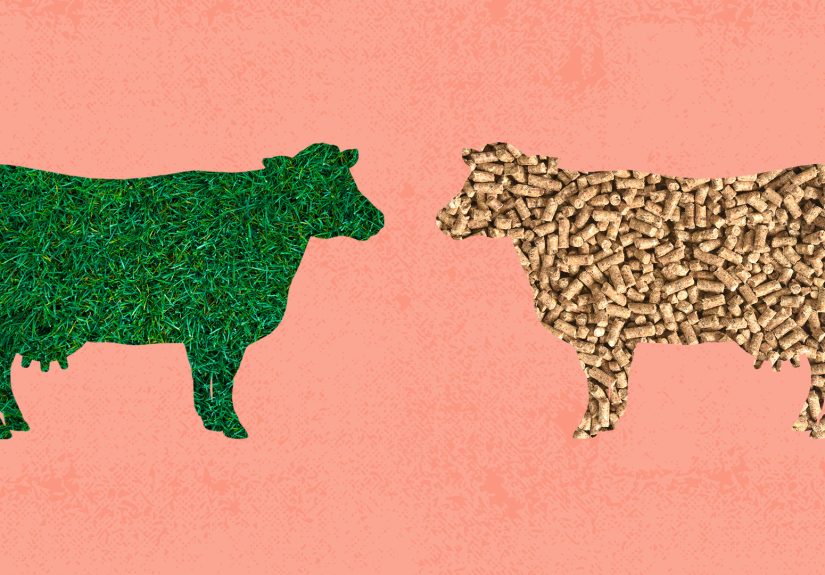
Regular butter usually comes from cows that eat a combination of feeds. That can include pasture at certain times,
but it often includes grain or grain byproductsespecially in large-scale dairy systems where feed is designed for consistent milk production.
So… What Is Grass-Fed Butter?
Grass-fed butter is butter made from the milk of cows that eat a mostly grass- and forage-based diet (think grass, hay, silage,
and other forage plants). In practice, “grass-fed” can range from “these cows live on pasture and mostly eat forage”
to “the label says grass-fed and the details are… vibes.”
Here’s why: the term “grass-fed” is not always standardized across all dairy products the way shoppers assume.
That doesn’t mean grass-fed butter is fakejust that you’ll want to look for trustworthy verification
(more on labels in a bit).
The Biggest Differences, In Plain English
1) The Fatty Acid Profile (Small Changes, Real Direction)
Both butters are mostly fat, and they’re both higher in saturated fat than most oils. But grass-fed dairy fat
tends to tilt slightly toward more omega-3 fatty acids and more conjugated linoleic acid (CLA),
with a somewhat improved omega-6 to omega-3 ratio compared to conventional dairy.
Translation: grass-fed butter may have a “better” fat profile on paper, but it’s still butter. You’re not turning it into salmon.
The differences are real, yet typically modest per tablespoonso the overall impact depends on how much butter you use
and what the rest of your diet looks like.
2) Certain Micronutrients (Especially Fat-Soluble Ones)
Because cows eating fresh pasture take in different plant compounds, grass-fed butter often contains higher levels of:
- Beta-carotene (a pigment that can convert to vitamin A)
- Vitamin A (butter is already a source; grass-fed can be a bit richer)
- Vitamin E (often slightly higher in pasture-based dairy)
- Vitamin K2 (commonly discussed with grass-fed dairy, though amounts can vary a lot)
Important nuance: these nutrients are still present in relatively small amounts per serving. If you’re trying to meaningfully
raise omega-3 intake, for example, fatty fish, chia/flax, walnuts, or fortified foods will move the needle faster than butter.
3) Color and Flavor (This Is Where You’ll Actually Notice Things)
Grass-fed butter often looks more golden. That color usually comes from higher carotenoid content (like beta-carotene)
from pasture plants. Regular butter can be paler, especially if cows ate more grain-based feed.
Flavor-wise, grass-fed butter can taste a little more complexsome people describe it as “creamier,” “nuttier,” or even faintly “grassy.”
Regular butter is usually milder and more neutral, which is exactly what you want when you don’t want butter to steal the show.
Nutrition: Is Grass-Fed Butter “Healthier”?
Let’s put a typical tablespoon of butter in context. One tablespoon (about 14 grams) is roughly:
~100 calories, ~11–12 grams of fat, and about ~7 grams of saturated fat.
Grass-fed butter is in the same neighborhood.
The Saturated Fat Conversation (Yes, We Have to Have It)
Buttergrass-fed or notis a significant source of saturated fat. U.S. dietary guidance commonly encourages keeping saturated fat
under 10% of daily calories, and the American Heart Association suggests an even lower limit (often under 6%) for people focused on
improving cholesterol and heart risk. That doesn’t mean “never eat butter.” It means butter works best as a supporting actor,
not the entire cast.
If your goal is heart-health optimization, the biggest win is usually swapping some saturated fats for unsaturated fats
(think olive oil, canola oil, avocado oil, nuts, seeds). If your goal is flavor and enjoyment within a balanced pattern,
a little butter can fitespecially when it helps you eat more vegetables without feeling like you’re chewing on sadness.
What About CLA and Omega-3s?
CLA is a naturally occurring fatty acid found in ruminant dairy and meat. Grass-fed dairy tends to contain more CLA.
You’ll see CLA marketed like it’s a superhero, but human health outcomes aren’t as clear-cut as supplement ads suggest.
It’s a nice “plus,” not a permission slip to butter your butter.
Omega-3s are genuinely beneficial fats, and grass-fed dairy can have more. But the absolute amount in a tablespoon of butter
is still small compared with fish, flax/chia, or omega-3-fortified foods. So consider it a bonusnot your omega-3 plan.
Cooking, Baking, and Spreading: Where the Differences Matter
Spreading on Toast
If you’re a toast person (which is a completely valid personality type), grass-fed butter may feel “softer” and more luxurious,
especially at cool room temperature. That can happen because pasture-based dairy fat can be slightly higher in unsaturated fats,
and unsaturated fats are softer.
Cooking (Stovetop, Sauces, and Browning)
For sautéing or making a quick pan sauce, either butter works. The practical difference is mostly flavor. Grass-fed can add
more character; regular butter stays politely in the background.
Remember: butter’s milk solids brown and can burn. If you’re cooking at higher heat, you can:
- Use a mix of butter + a neutral oil to raise the smoke point a bit
- Use clarified butter or ghee for higher-heat cooking
- Keep the heat moderate and embrace the nutty brown-butter moment (carefully)
Baking (Cookies, Cakes, and “Why Is This So Flat?”)
In most home baking, grass-fed vs regular won’t dramatically change structure. What changes baked goods more is:
butter temperature, mixing method, flour measurement, and whether you got distracted and accidentally used baking soda twice.
One butter detail that can matter for baking is butterfat percentage (American-style vs higher-fat European-style).
That’s a separate axis from grass-fed. Some grass-fed butters are also higher-fat “European-style,” and that can produce
slightly richer, more tender baked goods. If your recipe was developed for standard American butter, results may vary a little.
Labels: How to Shop Without Getting Played by Fancy Fonts
“Grass-Fed”
Because grass-fed definitions can vary for dairy, look for additional details:
“100% grass-fed,” “pasture-raised,” “no grain,” or a credible third-party certification.
If the package tells a clear story (diet, pasture access, standards) and the brand is transparent,
that’s a better sign than a single trendy word.
USDA Organic
Organic does not automatically mean grass-fed, but it does require specific standards, including pasture access for ruminants
during the grazing season and organic feed. Organic can be a useful “floor” for certain practices,
while grass-fed is more about the diet composition.
“Pasture-Raised”
Pasture-raised suggests cows spend meaningful time on pasture, but the exact meaning can vary unless it’s tied to a certification.
Consider it a helpful clue, not a legal contract written in butter.
Ingredients List (Yes, This Is the Easiest Part)
Great butter tends to have a simple ingredients list:
cream (and salt if salted). That’s it.
If you see a long list of additives, you’re probably looking at a spread, not classic butter.
Price: Is Grass-Fed Butter Worth It?
Grass-fed butter is often more expensive because pasture-based systems can cost more to manage, and certification/verification adds cost.
Whether it’s “worth it” depends on what you value:
- Worth it for: butter-as-a-flavor-hero moments (toast, finishing vegetables, pan sauces, butter boards at parties)
- Maybe not worth it for: high-volume baking where butter flavor isn’t front and center
- Also worth considering: buying grass-fed for “cold uses” (spread, finishing) and regular for baking/cooking
Quick Comparison Cheat Sheet
- Calories & saturated fat: Similar in both
- Omega-3s & CLA: Often higher in grass-fed (usually modest per serving)
- Color: Grass-fed tends to be more golden (beta-carotene)
- Taste: Grass-fed can be more complex; regular is milder
- Labels: Grass-fed meaning can varylook for transparency/certification
- Cost: Grass-fed usually higher
FAQ: The Questions People Whisper to Their Shopping Cart
Is grass-fed butter better for you?
It can have a slightly more favorable fatty acid profile and more of certain fat-soluble nutrients.
But it’s still buttercalorie-dense and high in saturated fatso “better” mainly means “a bit more nutrient-dense per bite,”
not “health food.”
Does grass-fed butter have less saturated fat?
Not meaningfully. The big difference is usually the mix of fats (a touch more omega-3 and CLA), not a dramatic drop in saturated fat.
Is butter basically lactose-free?
Butter contains very little lactose because it’s mostly fat. Many people with lactose intolerance tolerate butter well,
but individual sensitivity varies.
Is ghee better than butter?
Ghee is clarified butter with the milk solids removed, so it has a higher smoke point and a rich flavor.
Nutrition-wise it’s still mostly fat, so it’s more of a cooking-performance upgrade than a “health hack.”
What’s the “best” butter for everyday use?
The best butter is the one you’ll use thoughtfully. If you want maximum flavor, grass-fed (or European-style) can shine.
If you want a reliable, affordable staple for baking and cooking, regular butter works great.
Many people split the difference: fancy butter for toast, regular butter for cookie batches.
Conclusion: The Real Difference That Matters Most
Grass-fed butter and regular butter share the same core identity: delicious, creamy, and very good at making vegetables
less negotiable. Grass-fed butter often brings a slightly different fat profile (more omega-3s and CLA),
a bit more of certain fat-soluble nutrients, and a deeper golden color with a more distinctive flavor.
Regular butter is usually milder, more budget-friendly, and performs beautifully in almost every recipe.
If you’re choosing purely for health, the bigger lever is overall saturated fat intake and what fats you use most often.
If you’re choosing for taste, grass-fed can be a treat that actually delivers. Either way, butter is best used with intention:
enough to enjoy your food, not so much that your toast needs a life jacket.
Real-Life Experiences: What You’ll Notice When You Actually Switch ()
Here’s the funny part about the grass-fed vs regular butter debate: the first time most people “test” it,
they don’t do a lab analysis. They do a toast trial. One slice gets regular butter,
the other gets grass-fed, and suddenly you’re standing in your kitchen like a food critic on a streaming show,
nodding thoughtfully while your dog watches you spiral.
On toast, grass-fed butter often feels like it shows up with better lighting. The color can be noticeably more golden,
which makes your breakfast look like it was styled by someone who owns a linen apron and a sourdough starter with a name.
Flavor-wise, some people catch a slightly richer, more “dairy-forward” tastealmost like the butter has a deeper
creaminess and a subtle grassy note. Other people taste… butter. And honestly? Both reactions are correct.
Your taste buds aren’t broken; they’re just not impressed by marketing.
The next place people notice a difference is popcorn. If you drizzle melted grass-fed butter over popcorn,
the flavor can come across a bit more intense and buttery, even if you use the same amount.
It’s the kind of upgrade that makes movie night feel fancy while you’re still wearing sweatpants and arguing about
whether the villain “had a point.” (They did not. They needed therapy and better communication skills.)
In everyday cooking, like scrambling eggs or finishing steamed broccoli, grass-fed butter can add a little extra character.
That can be great if you love bold flavors. But if you’re cooking for picky eatersor for someone who believes seasoning
is a personal attackregular butter’s mildness can be a blessing.
Baking is where many people expect fireworks and get… a politely written email instead. Most cookies, muffins, and cakes
won’t dramatically change just because you used grass-fed butter. If anything shifts, it’s usually the aroma and richness,
not the structure. And if your cookies spread too much, it’s more likely because the butter was too soft,
the dough needed chilling, or you got a little generous with the tablespoon. (We’ve all been there. The tablespoon was lying.)
The most realistic “best of both worlds” experience is this: keep one nicer butter for cold usestoast, bagels,
finishing vegetables, spreading on warm cornbreadand keep a more affordable butter for high-volume baking and cooking.
That way, you actually notice what you’re paying for, instead of melting premium butter into a pan where it gets
overshadowed by garlic, onions, and whatever else you threw in because the recipe said “optional.”
In the end, the most valuable difference isn’t just grass-fed vs regular. It’s how you use butter.
If butter is your daily joy, a slightly better-tasting butter can feel worth it. If butter is mostly a background player,
save your money for the ingredients that truly change the final dishlike good bread, ripe tomatoes, or that one spice
you swear you’ll use more often (and then forget behind the cinnamon).