Table of Contents >> Show >> Hide
- What Is the Bristol Hook, Exactly?
- Why Suzanne Kasler’s Name Matters Here
- Why This Hook Works So Well
- Where the Bristol Hook Makes the Biggest Impact
- How to Style It Without Overthinking It
- What the Bristol Hook Teaches Us About Good Hardware
- If You Love the Look but Cannot Find the Original
- Why Small Details Still Win
- Experiences with the Bristol Hook Aesthetic in Real Life
- Conclusion
Some home upgrades arrive with fireworks. Others arrive quietly, hang on the wall, and somehow make the whole room look smarter. The Bristol Hook by Suzanne Kasler belongs in that second category. It is not a chandelier. It is not a sofa. It is, gloriously, a hook. But it is also the kind of design detail that makes people pause and say, “Wait, why does this look so good?”
That is the magic of well-chosen hardware. A great hook is not just a place to hang a towel, jacket, or tote bag. It is a tiny architectural decision. And the Bristol Hook, first known through Suzanne Kasler’s collaboration with Ballard Designs, has all the qualities that make small hardware feel unexpectedly important: sculptural shape, useful scale, old-world reference, and just enough personality to keep a room from looking flat.
If you love timeless interiors, classic hardware, equestrian-inspired decor, or simply the idea that practical things should also be beautiful, the Bristol Hook deserves a closer look. Let’s talk about why this little piece became memorable, how it reflects Suzanne Kasler’s design language, and what homeowners can learn from it even if they are not hunting down the exact original version.
What Is the Bristol Hook, Exactly?
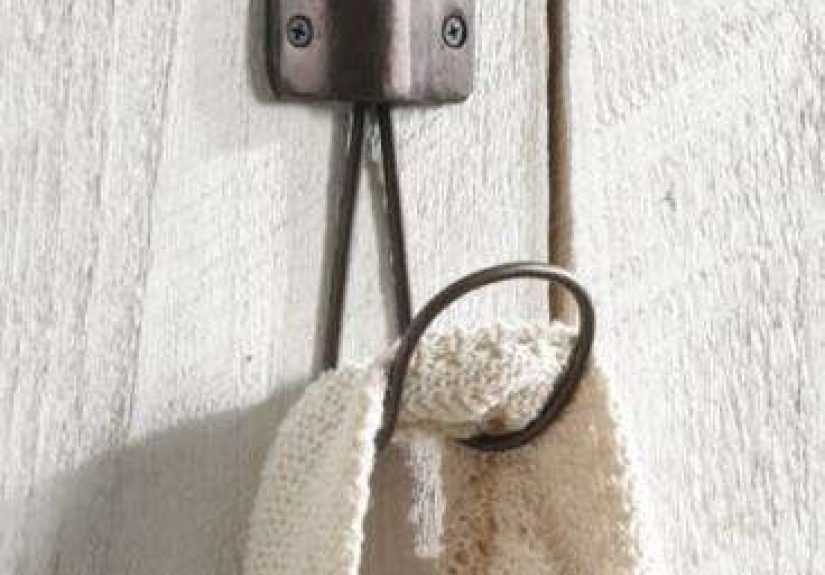
The Bristol Hook was introduced as part of Suzanne Kasler’s work with Ballard Designs, a partnership that helped bring her polished, European-leaning sensibility into more everyday homes. In its original spotlight, the hook was described as being modeled after a D-shaped English riding bit, handcrafted of iron, and measuring about 5.25 inches high. That one sentence explains almost everything about its charm.
First, the equestrian reference gives it a built-in sense of heritage. English riding hardware has a naturally elegant geometry: curved, balanced, practical, and just formal enough to feel refined. Second, iron gives the piece visual weight. It does not read as flimsy or disposable. It reads as if it has a past, even when newly installed. Third, the scale is small enough to be versatile but large enough to register as a decorative detail rather than a forgettable utility peg.
In other words, the Bristol Hook is what happens when a designer looks at a humble household object and says, “Fine, but can it have better posture?”
Why Suzanne Kasler’s Name Matters Here
Suzanne Kasler has long been associated with interiors that feel edited, timeless, and quietly luxurious. Her rooms often balance American comfort with a distinctly European sensibility. Think tailored lines, soft neutrals, antique references, layered materials, and the kind of restraint that makes every object work a little harder. She is not designing rooms that scream for attention from the driveway. She is designing rooms that get better the longer you live with them.
That is why the Bristol Hook feels so on-brand. It is not novelty hardware. It does not rely on bright color, exaggerated shape, or trend-chasing finishes. It uses a familiar historical reference, pares it down, and turns it into something functional. That approach is very Kasler: classic foundation, refined editing, modern livability.
Her broader product collaborations have often drawn from travel, traditional European forms, and a timeless sensibility. You can feel that in the Bristol Hook. It has the polish of something discovered in an elegant tack room, a crisp English mudroom, or a beautifully organized bath in a house where nobody has ever misplaced a linen hand towel in their life.
Why This Hook Works So Well
1. It turns utility into decoration
A lot of hooks look like afterthoughts. The Bristol Hook looks intentional. Even when empty, it contributes shape and rhythm to the wall. That means it performs double duty: storage and styling in one compact footprint.
2. The equestrian inspiration feels classic, not gimmicky
Equestrian motifs can go wrong fast if they lean too literal. A horse here, a stirrup there, suddenly your entryway looks like it neighs. The Bristol Hook avoids that problem because it borrows the graceful curve of riding hardware without becoming costume decor. It nods to tradition instead of wearing a full riding jacket to dinner.
3. Iron gives it seriousness
Material matters. Iron has density, texture, and visual authority. In a space full of smooth tile, painted drywall, or polished cabinetry, iron adds contrast. It can warm up a crisp room, ground a breezy room, and make a small vignette feel more collected.
4. The shape is soft, but structured
The best hooks are easy on fabrics and easy on the eye. The Bristol Hook has a loop-like form that feels friendlier than a hard-edged peg and more distinctive than a basic rounded nub. That softness makes it useful in bathrooms, bedrooms, and closets where scarves, robes, and delicate items may get hung often.
Where the Bristol Hook Makes the Biggest Impact
Entryways and mudrooms
This is the obvious home run. Design and organization experts consistently return to hooks when talking about functional entryways, and for good reason: vertical storage keeps coats, bags, and hats off chairs, counters, and floors. A hook like this improves daily flow without making the space feel overly utilitarian. Pair a row of Bristol-style hooks with a bench, a basket below, and a small mirror above, and suddenly your front hall feels like it has a plan.
Bathrooms
Most bathrooms suffer from one of two problems: not enough storage, or too much ugly storage. A beautifully shaped hook solves both. The Bristol Hook is especially strong in bathrooms because it feels architectural. It can hold towels, robes, or even a garment bag for guests without visually cluttering the wall.
Kitchens and pantries
Hooks in kitchens are underrated heroes. Dish towels, aprons, market totes, and lightweight baskets all need a home. The Bristol Hook works particularly well in kitchens that mix polished cabinetry with old-world details. It can soften a new kitchen and make it feel like it evolved over time rather than arriving all at once in seventeen matching boxes.
Bedrooms and closets
For tomorrow’s outfit, a favorite bag, or a robe that deserves better than the doorknob, a sculptural hook is a small luxury. In closets, it can also provide that elusive “in between” zone for the clothes you are wearing again but not ready to wash yet. Yes, this is me politely describing the chair. Let’s all heal.
How to Style It Without Overthinking It
The appeal of the Bristol Hook is that it is decorative enough to stand alone, yet simple enough to repeat. Here are a few easy ways to use that to your advantage:
Install in a row
Three to five matching hooks create pleasing rhythm on a wall. This works especially well in mudrooms, laundry rooms, and family entryways where repetition makes the setup feel more intentional.
Let negative space do some work
Do not crowd it. A sculptural hook looks better when it has room to breathe. Leave enough wall space around each one so the silhouette can read clearly.
Pair it with natural materials
Iron hardware looks great against painted wood, beadboard, limewash, plaster, marble, linen, rattan, and aged brass accents. The mix creates depth. Too many shiny, new, identical surfaces can make a room feel flat; one earthy metal detail helps fix that.
Use it as a punctuation mark
Even a single hook can anchor a tiny corner. Add one beside a vanity, next to a shower, near the pantry door, or by the back entrance. Think of it as punctuation for the wall: small, but surprisingly necessary.
What the Bristol Hook Teaches Us About Good Hardware
The bigger lesson here is not just “buy this hook if you can find it.” It is that hardware deserves more respect than most people give it. We tend to spend hours choosing paint colors and almost no time choosing the things we physically touch every day. That is backwards.
Good hardware affects how a room functions, how it ages, and how it feels. The right hook makes tidying easier. The right pull makes cabinetry feel more expensive. The right metal finish adds warmth, contrast, or patina. And the right shape can make even the most practical corner feel designed instead of merely tolerated.
Suzanne Kasler understands this instinctively. Her work often highlights the value of quiet details and timeless materials. In that world, a hook is never just a hook. It is part of the room’s grammar. Change it, and the sentence reads differently.
If You Love the Look but Cannot Find the Original
The original Bristol Hook has become more of a reference point than a mainstream staple, but the design lesson still holds. If you are shopping for something with a similar spirit, look for these traits:
- Classic, curved silhouette rather than a novelty shape
- Substantial material such as iron, brass, or bronze
- A finish with depth, texture, or patina
- Enough projection to be genuinely useful
- A form that feels historic without being fussy
In short, buy the hook that looks like it belongs in a beautiful house and a real life at the same time. You want charm, not cosplay. Practicality, not punishment. Elegance, not drama from an object whose main job is holding a tote bag.
Why Small Details Still Win
Interior design trends love to announce themselves with giant gestures: statement marble, oversized pendants, dramatic paint, mural wallpaper, sculptural furniture. Those things can be wonderful. But the rooms people truly remember usually have something else, too: thoughtful details that reward close attention.
The Bristol Hook is one of those details. It is modest, specific, and beautifully edited. It proves that a room does not need more stuff. It needs better choices. And sometimes one of the smartest choices you can make is to replace a boring builder-grade hook with something that has form, reference, and soul.
That is the kind of upgrade that quietly improves a home every single day. No fireworks. Just better living, one well-dressed wall at a time.
Experiences with the Bristol Hook Aesthetic in Real Life
What makes a piece like the Bristol Hook so memorable is not just how it looks in a product photo. It is how it behaves in daily life. A lot of hardware seems beautiful until you actually use it. Then the robe slips off, the bag strap catches awkwardly, or the finish starts giving “discount bin sadness” after three weeks. A well-shaped iron hook avoids that whole saga.
Imagine walking into a back entry at the end of a long day. Shoes are not doing their best work. Your tote is heavier than your mood can support. Your keys are in that weird hand-to-pocket limbo. A generic hook says, “Good luck.” A Bristol-style hook says, “I have range.” The curve is forgiving, the silhouette is easy to spot, and the whole piece feels substantial enough to handle repeated use without looking apologetic.
In bathrooms, the experience is even better. Instead of a clunky chrome peg disrupting the room, a sculptural iron hook acts like part of the architecture. A hand towel hung there looks intentional. A robe looks charming. Even an everyday canvas pouch somehow looks more sophisticated, as if it has suddenly developed opinions about linen sheets and imported soap.
There is also something emotionally satisfying about hardware with reference. Because the Bristol Hook draws from an English riding-bit form, it carries a whisper of history. Not in a museum-label way. More in a “this object understands tradition, but it also knows how to live in a modern house” way. That kind of detail gives a room depth. It feels collected rather than assembled.
Another experience people often underestimate is visual calm. Small, useful objects can either contribute to clutter or reduce it. A beautiful hook helps reduce visual noise because it encourages you to use it. That sounds dramatic for a wall accessory, but it is true. People are more likely to hang things up when the solution is easy, visible, and pleasing. Good design changes behavior. Sometimes not with a manifesto, but with a very competent curve of iron.
And then there is the long-term experience. Trendy hardware can date a room quickly. The Bristol Hook style does the opposite. It tends to settle in. It gets more convincing over time, especially when paired with materials that age well: painted wood, natural stone, unlacquered brass, woven baskets, old oak, or crisp white tile. You stop noticing it as a “decor item” and start appreciating it as part of the house’s character.
That, really, is the dream. Not a home full of objects demanding applause, but a home full of details that quietly do their jobs while making everyday routines feel better. The Bristol Hook by Suzanne Kasler captures that spirit beautifully. It is useful, yes. Stylish, definitely. But its real achievement is subtler: it makes ordinary moments feel a little more considered. And for a piece of hardware, that is a pretty heroic career.
Conclusion
The Bristol Hook by Suzanne Kasler is proof that even the smallest hardware can leave a lasting design impression. With its equestrian-inspired shape, handcrafted iron construction, and timeless point of view, it turns an everyday utility item into a decorative asset. More importantly, it reminds homeowners to think carefully about the details they touch, use, and see every day. In a world of fast trends and flashy upgrades, this hook offers something better: quiet confidence, practical beauty, and a classic look that still feels fresh.