Table of Contents >> Show >> Hide
- What Is the Meno Home Bag?
- Who Is Harri Koskinen?
- Why the Meno Home Bag Works So Well
- Design Analysis: Minimalism With a Job to Do
- Best Uses for Harri Koskinen’s Meno Home Bag
- How to Style the Meno Home Bag
- Meno Home Bag vs. Regular Storage Baskets
- Is the Meno Home Bag Worth It?
- Care and Maintenance Tips
- 500-Word Experience Section: Living With Harri Koskinen’s Meno Home Bag
- Conclusion
Note: This article is written for web publishing and synthesizes real product and designer information into original, reader-friendly content without source links inside the article body.
Some home accessories arrive with a grand announcement: “Look at me, I am design.” Harri Koskinen’s Meno Home Bag is not one of those accessories. It does not shout, sparkle, or demand a dedicated pedestal in the living room. Instead, it does something far more useful: it quietly makes everyday clutter look intentional. That pile of magazines? Suddenly curated. The toys under the coffee table? Now contained. The knitting project, office folders, reusable grocery stash, and mysterious cables nobody wants to identify? All politely gathered into one handsome felt bag.
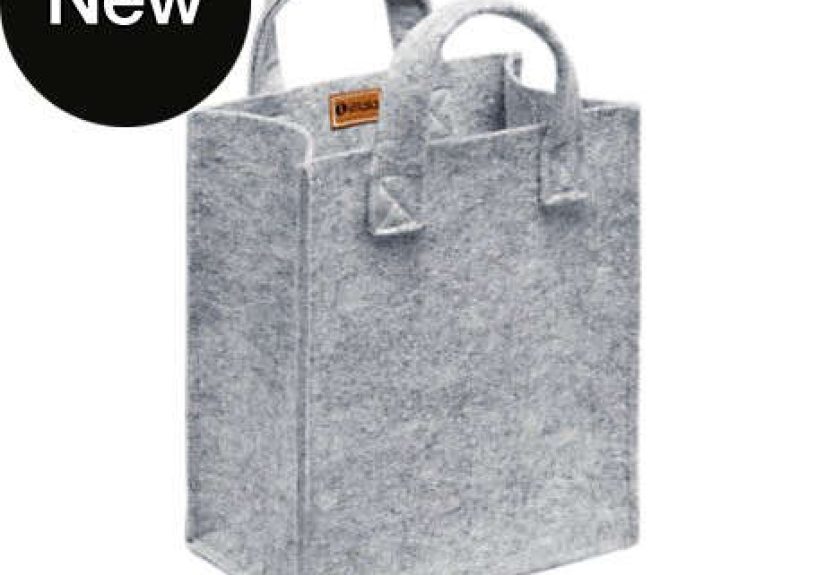
Designed by Finnish industrial designer Harri Koskinen for Iittala, the Meno Home Bag is a minimalist storage tote made for modern homes that need flexibility, durability, and a little Scandinavian calm. It works as a storage basket, shopping bag, magazine holder, toy bin, office organizer, laundry helper, or weekend catchall. In other words, it is the kind of object that earns its place not by being dramatic, but by being useful every single day.
At first glance, the Meno bag appears almost too simple: a structured felt body, strong handles, clean lines, and muted colors such as gray, black, or beige depending on the edition. But that simplicity is exactly the point. Koskinen’s best-known work often balances practicality with conceptual clarity, and Meno follows that same philosophy. It is not just a bag; it is a small argument for living with fewer, better things.
What Is the Meno Home Bag?
The Meno Home Bag is a lightweight yet sturdy felt tote created for storage and transport around the home. Iittala describes the Meno collection as focused on multifunctionality and everyday use, which is a very Finnish way of saying, “This thing had better work hard, or it does not belong here.” The bag is designed to hold household items while keeping them organized, visible, and easy to move from one room to another.
Depending on the version, Meno has been produced in several sizes, including compact options suited for folders and documents, medium sizes for household organization, and larger models that can handle bulkier objects. Some current or recent versions are made from recycled polyester felt, a material that helps the bag stay light, durable, and structured. Earlier product descriptions also describe it as a felt home bag designed for storing and transporting all kinds of domestic items.
The name “Meno” is fitting. In Finnish, it can suggest movement or going, and the bag lives up to that idea. It is not a storage box that sulks in one corner forever. It moves. It travels from entryway to car, from laundry room to bedroom, from office shelf to kitchen table. It has the personality of a reliable friend who says, “Give me the mess. I’ll carry it.”
Who Is Harri Koskinen?
Harri Koskinen is one of Finland’s most recognized contemporary designers. Born in Karstula, Finland, in 1970, he built a career around clean forms, practical thinking, and a design language rooted in Nordic restraint. His work spans lighting, furniture, tableware, packaging, textiles, speakers, watches, and home objects. That range matters because the Meno Home Bag does not feel like a fashion accessory pretending to be useful. It feels like a product designed by someone who understands industrial design from the inside out.
Koskinen is perhaps best known internationally for the Block Lamp, a modern design classic manufactured by Design House Stockholm and included in the Museum of Modern Art’s architecture and design collection. He has also collaborated with brands including Iittala, Artek, Muji, Genelec, Issey Miyake, Woodnotes, and others. His career includes major awards such as the Compasso d’Oro, the Pro Finlandia Medal, and the Torsten and Wanja Söderberg Prize.
That background gives the Meno Home Bag more context. This is not a random storage tote with a designer name attached like a fancy luggage tag. It belongs to a broader tradition in Koskinen’s work: objects that reduce visual noise while making daily routines easier. The best designs often feel obvious after they exist. Meno has that quality. You see it and think, “Of course a storage bag should look like that.”
Why the Meno Home Bag Works So Well
It Turns Clutter Into a Design Moment
Most people do not have perfectly styled homes. They have remote controls, library books, throw blankets, dog toys, chargers, paperwork, gym gear, and at least one object they swear they will put away “later.” The Meno Home Bag does not eliminate clutter through magic, although that would be convenient and slightly suspicious. Instead, it gives loose items a defined place.
Because the bag has a structured form, it reads more like a design object than a floppy tote. Place one beside a sofa, under a console table, near a desk, or inside an open shelf, and it immediately makes the area feel more composed. The clean felt surface softens the look, while the crisp rectangular shape keeps things tidy. It is storage that does not apologize for being visible.
It Is Flexible Enough for Real Life
The smartest thing about the Meno Home Bag is that it does not have one narrow purpose. A storage product that only works in one room is like a spoon that only agrees to stir soup on Tuesdays. Meno is more cooperative. In the living room, it can hold magazines, books, throws, or toys. In a home office, it can collect folders, notebooks, cables, and tech accessories. In the bedroom, it can store scarves, slippers, or extra linens. In the entryway, it can become a grab-and-go container for hats, reusable bags, packages, or returns.
Its handles make the difference. Many storage baskets look nice until you need to move them. Then they become awkward boxes with commitment issues. Meno is designed to be carried, which means it supports the way people actually live. You can pack it, lift it, move it, empty it, and reuse it somewhere else without treating it like fragile décor.
The Felt Material Feels Warm but Looks Modern
Felt is an underrated material in home organization. Plastic bins can look practical but cold. Woven baskets can look charming but sometimes rustic. Metal containers can feel industrial. Felt sits beautifully in the middle: soft, modern, lightweight, and visually quiet. In the Meno Home Bag, felt gives structure without harshness.
Recycled polyester felt versions add another advantage: durability with a lighter environmental touch than virgin material. The bag is not trying to be precious. It is designed for everyday use, including the unglamorous kind. It can hold toys, paperwork, shopping items, craft supplies, or home essentials without making the room look like a storage aisle exploded.
Design Analysis: Minimalism With a Job to Do
There is a common misunderstanding about Scandinavian design. People often reduce it to pale colors, clean lines, and rooms where nobody appears to own snacks. But the deeper idea is more practical: design should serve daily life with clarity, quality, and restraint. The Meno Home Bag fits that tradition perfectly.
Its form is simple, but not lazy. The proportions are deliberate. The walls are high enough to conceal visual clutter, but low enough to keep contents accessible. The handles are integrated into the design rather than attached as decorative afterthoughts. The color palette is neutral enough to work in many interiors, from a white modern apartment to a cozy wood-filled family home.
This is where Koskinen’s industrial design instincts show. Meno does not rely on ornament. Its appeal comes from proportion, material, and usefulness. It is the difference between a product that says, “Look at my pattern!” and one that says, “I solved a problem, and I look pretty good doing it.”
Best Uses for Harri Koskinen’s Meno Home Bag
Living Room Storage
Use the Meno bag beside a sofa or lounge chair to hold magazines, books, blankets, or remote controls. It is especially useful in open-plan spaces where storage must look intentional. A gray or beige felt bag can blend into the room while adding texture, which is interior-design language for “this looks nicer than a random pile.”
Home Office Organization
The smaller Meno bag sizes are practical for folders, notebooks, envelopes, and documents. If your desk tends to develop paper mountains, Meno can act as a portable filing zone. You can keep current projects inside and move them from office to dining table without losing that one important form you definitely put somewhere safe.
Kids’ Rooms and Play Areas
For families, Meno is excellent for toys, building blocks, stuffed animals, and art supplies. Because it is soft-sided, it feels more child-friendly than hard storage boxes. Because it has handles, cleanup becomes easier. Will children suddenly become enthusiastic minimalists? Probably not. But at least the dinosaurs and crayons have somewhere stylish to live.
Entryway Catchall
Entryways are magnets for chaos: shoes, scarves, mail, umbrellas, tote bags, gloves, and packages all gather there like they are attending a small conference. A Meno Home Bag can function as an entryway catchall for seasonal accessories, outgoing returns, reusable shopping bags, or everyday carry items.
Shopping and Errands
Although it looks at home indoors, the Meno bag can also serve as a shopping tote or errand bag. Its structure makes it easier to load than a limp fabric tote, especially when carrying groceries, books, or household goods. It is not a tiny purse, and it is not trying to be. It is the practical friend who shows up with room in the trunk.
How to Style the Meno Home Bag
The easiest way to style the Meno Home Bag is to let it do what it already does well: hold useful things while adding calm texture to a room. In a minimalist interior, choose gray or black for a clean, architectural look. In a warmer home with wood floors, linen upholstery, or earthy ceramics, a beige version can feel especially natural.
Place a large Meno bag next to a reading chair with a folded throw and a few books. Use a medium size in the office for paper storage. Line up two matching bags on a low shelf for a tidy, modular effect. Pair one with natural wood, matte ceramics, glassware, or simple metal accents to reinforce the Nordic design mood without turning the room into a showroom called “I Own Exactly Three Objects.”
The key is not to over-style it. Meno is most beautiful when it looks used. A felt bag holding real household items feels honest and lived-in. Scandinavian design is not about perfection; it is about making practical life feel more graceful.
Meno Home Bag vs. Regular Storage Baskets
Compared with a regular basket, the Meno Home Bag offers a more modern and portable solution. Traditional woven baskets bring texture, but they can snag delicate fabrics, shed fibers, or feel too rustic for contemporary interiors. Plastic bins are affordable and stackable, but they rarely improve the look of a room. Canvas totes are easy to carry, but they collapse when empty and often look casual rather than polished.
Meno sits between these categories. It has the softness of fabric, the structure of a bin, and the mobility of a tote. That hybrid quality is why it works in so many rooms. It is not the cheapest storage option, but it is more versatile and visually refined than most basic organizers.
For people who prefer buying fewer but better home accessories, Meno makes sense. It can shift roles as your needs change. Today it holds office files. Tomorrow it becomes a toy bin. Next month it carries picnic supplies or holiday decorations. A good object adapts. A great one adapts without looking like it is trying too hard.
Is the Meno Home Bag Worth It?
The Meno Home Bag is worth considering if you value functional design, durable materials, and flexible storage. It is especially appealing for people who dislike visual clutter but do not want to hide everything in closed cabinets. It is also a smart choice for small apartments, multipurpose rooms, and busy family spaces where items need to move frequently.
It may not be the right choice if you need airtight storage, heavy-duty garage bins, or waterproof containers for outdoor use. Felt is practical, but it is still a textile-like material. Treat it as a refined indoor organizer rather than a rugged utility bucket. For most home uses, however, that is exactly its strength. It brings order without making the space feel sterile.
The real value of Meno lies in how often you use it. A decorative object may look nice on a shelf, but a functional object that you touch every day becomes part of your routine. Meno can help with tidying, transporting, sorting, and resetting a room. That daily usefulness is what separates timeless design from pretty clutter.
Care and Maintenance Tips
Because Meno is made from felt or recycled polyester felt depending on the edition, gentle care is best. Avoid overloading it with extremely heavy or sharp items that could distort the shape or damage the material. For dust or lint, use a soft brush or lint roller. For small marks, spot cleaning with a damp cloth is usually the safest approach. Some retailers recommend hand washing for certain versions, but always follow the care instructions for the specific model you own.
To help the bag keep its shape, store it upright rather than crushed under heavier items. If using it for shopping, avoid wet groceries or anything that may leak. The Meno bag is stylish, but it does not want to become a soup transportation system. Frankly, no bag does.
500-Word Experience Section: Living With Harri Koskinen’s Meno Home Bag
The best way to understand the Meno Home Bag is not to stare at product photos. It is to imagine it in the ordinary rhythm of a real home. Picture a Saturday morning when the living room has quietly transformed into a museum of unfinished activities. There is a blanket on the sofa, two magazines on the floor, a notebook on the coffee table, a phone charger dangling like modern art, and a reusable shopping bag waiting by the door. This is where Meno starts to make sense.
Instead of running around with an armful of random objects, you place the bag in the middle of the room and begin collecting. Magazines go in first. Then the blanket. Then the charger, the book, the tablet, and the mail that somehow migrated from the entryway. In less than five minutes, the room looks calmer. Nothing dramatic has happened. No walls were painted. No expensive furniture arrived. But the space feels reset, and the bag looks as though it belonged there all along.
In a home office, the experience is similar. The Meno bag works well as a project container. You can keep notebooks, folders, samples, chargers, and reference materials together instead of letting them spread across the desk like paperwork with ambition. When you need to move from the desk to the dining table, you simply lift the handles and go. That portability changes how storage feels. It becomes active rather than static.
For families, the Meno Home Bag can become part of the evening cleanup routine. Toys, blocks, picture books, and craft supplies can be tossed inside quickly. Because the bag is attractive, it does not need to be hidden every time guests come over. That is a major benefit in smaller homes where every storage solution is visible. A plastic bin may scream “emergency cleanup,” but Meno whispers “thoughtful Scandinavian household management,” which sounds much better even when it contains toy cars and one lonely sock.
It is also a surprisingly good companion for errands. The structured sides make it easy to load with groceries, library books, or small household purchases. Unlike a floppy tote, it stands open while you pack it. Unlike a rigid box, it is comfortable to carry. Over time, you may find yourself reaching for it more often than expected because it solves small problems without requiring much thought.
That is the real charm of Harri Koskinen’s design. Meno does not try to impress you once. It tries to help you repeatedly. It makes cleaning less annoying, moving things less awkward, and visible storage less ugly. In daily life, that is more valuable than a dramatic design statement. A beautiful chair is nice. A beautiful bag that helps you rescue your living room from chaos before guests arrive? That is practical poetry.
Conclusion
Harri Koskinen’s Meno Home Bag proves that good design does not need to be complicated. With its durable felt construction, portable handles, clean geometry, and multipurpose personality, it turns everyday organization into something more elegant. It is a storage bag, yes, but also a quiet design lesson: useful objects can be beautiful, and beautiful objects should earn their keep.
For anyone building a calmer, more functional home, Meno is the kind of accessory that works in the background while improving the foreground. It holds the mess, softens the room, and moves wherever life needs it. That may not sound glamorous, but in the world of home organization, it is basically a superhero cape made of felt.