Table of Contents >> Show >> Hide
- What Is Hibiscus Tea?
- Why You’ll Love This Hibiscus Tea Recipe
- Ingredients for the Best Hibiscus Tea
- How to Make Hibiscus Tea
- Easy Iced Hibiscus Tea Recipe
- Hibiscus Tea Recipe Variations
- Tips for a Better Hibiscus Tea Every Time
- How to Store Hibiscus Tea
- What Does Hibiscus Tea Pair Well With?
- Is Hibiscus Tea Good for You?
- Common Mistakes to Avoid
- Experience, Memories, and Everyday Uses for Hibiscus Tea
- Final Thoughts
Some drinks whisper. Hibiscus tea walks into the room wearing a ruby-red coat and says, “Let’s make this afternoon less boring.” Tart, floral, lightly fruity, and naturally caffeine-free, hibiscus tea is one of those easy recipes that feels fancy even when you make it in a saucepan you also use for instant noodles. If you have dried hibiscus flowers, hot water, and a few minutes, you are already halfway to a bright, refreshing drink that tastes like cranberry’s more interesting cousin.
This guide gives you a reliable hibiscus tea recipe, plus tips for making it hot or iced, sweet or unsweetened, mellow or boldly tangy. You’ll also find flavor variations, storage advice, and real-life serving ideas so the final cup tastes intentional instead of like a science experiment that turned magenta. Whether you know it as hibiscus tea, flor de jamaica, sorrel, or karkade, the goal is the same: a vibrant herbal drink with clean, punchy flavor and plenty of personality.
What Is Hibiscus Tea?
Hibiscus tea is an herbal infusion made by steeping dried hibiscus calyces in hot water. The result is a deep red tea with a tart, fruity flavor that many people compare to cranberries, pomegranate, or sour cherry. Because it is naturally caffeine-free, it works well as a morning refresher, an afternoon cooler, or a late-night drink that will not have you reorganizing the pantry at 1 a.m.
In many kitchens, hibiscus tea is served iced and lightly sweetened. In others, it is brewed strong and paired with ginger, cinnamon, mint, citrus, or even sparkling water. That flexibility is part of the charm. Hibiscus is dramatic in color, but surprisingly cooperative in recipes.
Why You’ll Love This Hibiscus Tea Recipe
- Easy ingredients: dried hibiscus, water, and optional sweetener.
- Fast to make: about 15 minutes for a basic batch.
- Hot or iced: equally good in a mug or over ice.
- Customizable: add ginger, honey, lime, orange, mint, or cinnamon.
- Beautiful color: it looks impressive with almost no effort.
Ingredients for the Best Hibiscus Tea
Basic Hot Hibiscus Tea
- 4 cups water
- 1/2 cup dried hibiscus flowers
- 2 to 4 tablespoons honey, sugar, or maple syrup, optional
- 1 to 2 tablespoons fresh lime juice or lemon juice, optional
Optional Flavor Boosters
- Fresh ginger slices
- Cinnamon stick
- Orange slices or orange peel
- Fresh mint
- Cloves, used very sparingly
When shopping, look for whole dried hibiscus flowers or cut dried calyces with a rich burgundy color and a pleasantly tart aroma. If they smell dusty or flat, your tea probably will too. This is not the moment for lifeless ingredients.
How to Make Hibiscus Tea
Step 1: Bring the Water to a Boil
Pour 4 cups of water into a saucepan or kettle and bring it to a boil. If you are adding cinnamon or ginger, you can add them right away so they start infusing early.
Step 2: Add the Hibiscus
Remove the water from the heat and stir in the dried hibiscus flowers. If you are using citrus peel, add it now too. Cover the pot and let the tea steep for 8 to 12 minutes. For a lighter, brighter tea, stay near the 8-minute mark. For a deeper, tangier brew, go closer to 12 minutes.
Step 3: Strain the Tea
Pour the tea through a fine-mesh strainer into a pitcher or heat-safe bowl. Press gently on the solids if you want every drop, but do not mash them like you are taking revenge on salad. Overworking the flowers can bring out a harsher edge.
Step 4: Sweeten to Taste
Stir in honey, sugar, or maple syrup while the tea is still warm so it dissolves easily. Start small. Hibiscus has a naturally tart profile, and it is easier to add more sweetener than to backtrack after the cup turns into liquid candy.
Step 5: Add Citrus and Serve
Add lime juice or lemon juice for extra brightness if you like. Serve hot right away, or cool the tea and refrigerate it for iced hibiscus tea.
Easy Iced Hibiscus Tea Recipe
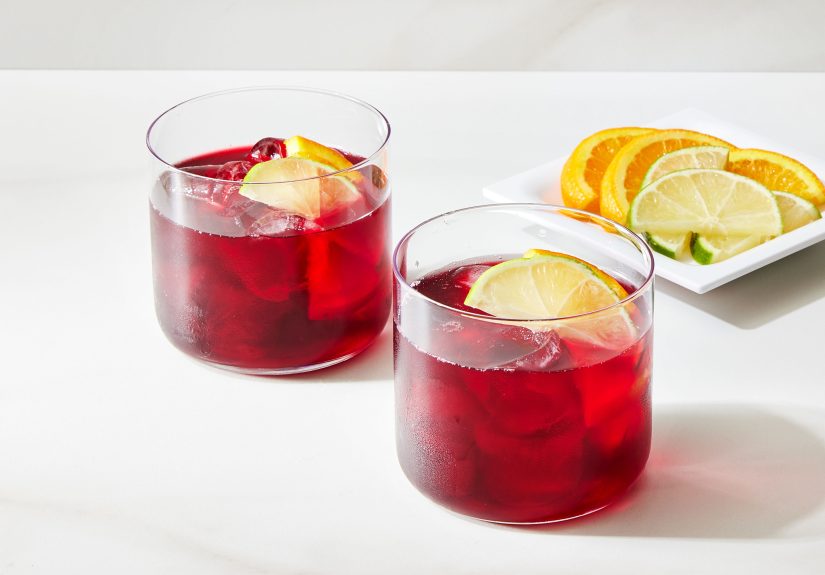
To make iced hibiscus tea, prepare the base recipe, let it cool for about 20 to 30 minutes, then refrigerate until cold. Serve over a full glass of ice. Garnish with lime wheels, orange slices, or mint leaves for a drink that looks like it came from a café that charges too much for toast.
If you want a stronger iced version, use the same amount of hibiscus with slightly less water, about 3 1/2 cups instead of 4. Ice will dilute the drink a bit, so a concentrated brew helps the flavor stay bold and balanced.
Hibiscus Tea Recipe Variations
1. Hibiscus Ginger Tea
Add 6 to 8 thin slices of fresh ginger while the water heats. This version is spicy, warming, and especially good on cool days or when you want a tea with extra zing.
2. Cinnamon Orange Hibiscus Tea
Steep the hibiscus with 1 cinnamon stick and a strip or two of orange peel. The cinnamon softens the tartness while the orange adds roundness and aroma.
3. Mint Hibiscus Iced Tea
Add a handful of fresh mint leaves after straining, while the tea is still warm. Let them sit for 3 to 5 minutes, then remove. The result is crisp and refreshing without tasting like toothpaste’s nicer cousin.
4. Sparkling Hibiscus Tea
Fill a glass halfway with chilled strong hibiscus tea and top with sparkling water. Add lime juice and a little sweetener if needed. This is the easiest way to turn your herbal tea into a mocktail-style drink.
5. Honey Lemon Hibiscus Tea
Keep it simple with honey and lemon. This classic pairing works because it softens the sharp tart notes while keeping the tea bright and clean.
Tips for a Better Hibiscus Tea Every Time
- Do not oversteep: longer is not always better. Too much time can make the tea overly sharp.
- Sweeten while warm: sugar and honey dissolve more smoothly.
- Taste before chilling: cold drinks taste less sweet, so adjust balance before refrigerating.
- Use fresh citrus: bottled juice works in a pinch, but fresh lemon or lime tastes brighter.
- Strain well: a fine-mesh sieve gives a cleaner final cup.
How to Store Hibiscus Tea
Store brewed hibiscus tea in a covered pitcher or jar in the refrigerator for up to 4 days. Stir before serving, especially if you added sweetener or citrus. If you want to prep ahead, brew a concentrate and dilute individual servings with cold water, sparkling water, or extra ice.
Dried hibiscus flowers should be kept in an airtight container in a cool, dry, dark place. Moisture and heat are not your friends here. If the flowers lose their fragrance or color, it is probably time for a fresh batch.
What Does Hibiscus Tea Pair Well With?
This tea shines next to spicy, smoky, or grilled foods because its tartness cuts through richness beautifully. It pairs well with tacos, roasted chicken, grilled vegetables, rice dishes, fruit plates, and simple pastries. It also makes a great brunch drink when you want something festive without caffeine.
For summer gatherings, try serving it in a large pitcher with orange slices, lime wheels, and mint. For colder weather, serve it warm with cinnamon and a drizzle of honey. Same flower, different mood.
Is Hibiscus Tea Good for You?
Hibiscus tea is popular not just for its flavor and color, but also because it is naturally caffeine-free and often discussed for its antioxidant content. That said, it is smartest to think of this drink first as a delicious herbal tea, not a miracle in a mug. If you are pregnant, have low blood pressure, or take medications, especially for blood pressure, blood sugar, or certain other conditions, it is a good idea to check with a healthcare professional before drinking it regularly.
Common Mistakes to Avoid
Using Too Much Hibiscus
It is tempting to dump in extra flowers for color, but hibiscus is naturally intense. Too much can make the tea taste aggressively tart.
Adding Too Much Sweetener Too Soon
Start small and build slowly. You want balance, not syrup with ambitions.
Skipping the Garnish
Technically optional, emotionally important. A slice of lime or orange makes the whole drink feel more polished.
Serving It Watery
If you plan to serve the tea over a lot of ice, brew it slightly stronger so the flavor still holds up.
Experience, Memories, and Everyday Uses for Hibiscus Tea
One of the best things about a hibiscus tea recipe is that it quickly becomes more than a recipe. It becomes a habit. A ritual. A pitcher in the fridge that quietly makes you feel like the kind of person who has their life together, even if your kitchen drawer still contains six mystery takeout menus and a single chopstick with no known partner.
For many people, the first memorable experience with hibiscus tea is visual. You pour hot water over the dried flowers and suddenly the liquid turns a dramatic ruby red, as if the kettle has been collaborating with a stage magician. It feels special every time. That vivid color gives the tea a sense of occasion, which is probably why it works so well at parties, brunches, picnics, and family dinners. It looks festive before you even add fruit or ice.
Then there is the flavor memory. Hibiscus has that tart, fruity snap that wakes up your mouth in the best way. Some people fall for it instantly; others take a sip, pause, and then decide they love it once a little honey or lime enters the conversation. It is one of those drinks that invites tinkering. A touch of ginger makes it feel cozy. Mint makes it feel breezy. Orange gives it roundness. Sparkling water turns it into a mocktail. Each version feels like the same song played in a different key.
In real life, hibiscus tea also earns points for being practical. It is a host’s secret weapon because you can make it ahead, chill it, and pull it out when guests arrive. It is a smart alternative when not everyone wants coffee or soda. It is also the sort of drink that makes ordinary meals feel more deliberate. A glass next to tacos, grilled chicken, or a grain bowl suddenly gives lunch more personality.
There is also something nice about how adaptable it is across seasons. In summer, it is all about ice, citrus, and condensation sliding down the glass. In fall and winter, it becomes warmer and deeper with cinnamon, clove, and honey. The same jar of dried hibiscus can carry you through heat waves and holiday dinners without complaining once.
Some home cooks end up using hibiscus tea beyond the cup. Leftover strong brew can be turned into ice cubes for sparkling water. It can be mixed into lemonade for extra tartness and color. It can become the base for a mocktail bar with lime wedges, mint, sliced orange, and fizzy water on the side. Once you get used to having it around, you start seeing possibilities everywhere.
Most of all, hibiscus tea has a way of feeling both simple and generous. It is inexpensive, easy to make, and striking enough to share. You do not need special equipment. You do not need advanced kitchen skills. You just need dried flowers, hot water, and a little curiosity. That may be the real reason people keep coming back to it. In a world full of complicated beverages with long ingredient lists and questionable promises, hibiscus tea is refreshingly straightforward. It knows exactly what it is: tart, beautiful, useful, and just dramatic enough to keep things interesting.
Final Thoughts
If you want a drink that is easy, flavorful, and visually stunning, this hibiscus tea recipe deserves a spot in your routine. Make it hot for a cozy mug, iced for a refreshing pitcher, or dressed up with ginger, mint, or citrus when you want a little variety. The method is simple, the ingredients are accessible, and the payoff is enormous for such a low-effort recipe. In other words, this tea is doing a lot of work for a flower and a pot of water.