Table of Contents >> Show >> Hide
- Why Kitchen Decorating Style Matters
- Most Popular Kitchen Decorating Styles
- How to Choose the Right Kitchen Style for Your Home
- Best Decorating Elements to Define Your Kitchen Style
- Common Kitchen Decorating Mistakes to Avoid
- Budget-Friendly Ways to Refresh Kitchen Decor
- Conclusion
- Experiences Related to Kitchen Decorating Styles
The kitchen used to be the room that quietly handled breakfast, dinner, and the occasional overconfident attempt at homemade sourdough. Now it has to do everything. It is a cooking zone, coffee bar, homework station, party hub, and sometimes a place where people stand dramatically while deciding whether they really need another snack. That is exactly why choosing the right kitchen decorating style matters. A well-decorated kitchen does more than look pretty in photos. It shapes how the room feels, functions, and survives your daily chaos.
When homeowners search for kitchen decorating styles, they are usually looking for more than color suggestions and backsplash inspiration. They want a style that fits their life. Some people want a polished modern kitchen with crisp lines and zero visual clutter. Others want a warm farmhouse kitchen that practically smells like pie even when there is no pie. And then there are those brave souls who want a little vintage charm, a little contemporary simplicity, and maybe a brass pendant that says, “Yes, I have taste, and yes, I did overthink this hardware.”
This guide breaks down the most popular kitchen decor ideas, explains what makes each style work, and helps you choose the one that makes sense for your space, budget, and personality. Because the best kitchen style is not the one that is trending the loudest. It is the one you still like after the paint dries.
Why Kitchen Decorating Style Matters
A kitchen style creates visual order. It helps you decide what belongs in the room and what absolutely does not. That novelty sign that says “But First, Coffee” might have seemed cute in the store, but your future self may prefer a room with fewer slogans and more soul. When you understand your style, you make smarter choices about cabinets, countertops, lighting, stools, wall decor, textiles, and storage.
A clear design direction also prevents the classic decorating disaster of buying everything separately and hoping it all magically becomes cohesive. Spoiler alert: it usually does not. A style acts like a filter. It keeps your kitchen from feeling random, cluttered, or trapped between three Pinterest boards that are not speaking to each other.
Most Popular Kitchen Decorating Styles
1. Modern Kitchen Style
Modern kitchen style is clean, streamlined, and confident without being flashy. Think flat-panel cabinets, simple hardware, restrained color palettes, and surfaces that look smooth enough to make you wipe them twice. Modern kitchens often rely on white, black, charcoal, wood, and muted earth tones. The look is minimal, but it should never feel cold or clinical.
The secret to decorating a modern kitchen is contrast. Pair sleek cabinetry with warm wood stools, matte finishes, textured tile, or a sculptural light fixture. Keep counters mostly clear, but add a few intentional pieces such as a ceramic fruit bowl, a stack of cookbooks, or one dramatic vase. In a modern kitchen, every object needs a reason to exist. Decorative clutter is basically on probation.
2. Traditional Kitchen Style
Traditional kitchen style is timeless, tailored, and full of character. It often features shaker or raised-panel cabinets, classic millwork, warm neutral colors, elegant hardware, and natural materials such as wood and stone. This style is ideal for homeowners who want a kitchen that feels enduring rather than experimental.
To decorate a traditional kitchen well, focus on balance and detail. Use polished or antique brass hardware, framed art, soft window treatments, and tasteful pendant lighting. A traditional kitchen welcomes symmetry, but it should still feel lived-in. Add a runner, a wood cutting board collection, or a bowl of lemons on the island. You are aiming for “gracious and inviting,” not “museum gift shop after closing.”
3. Farmhouse Kitchen Style
Farmhouse kitchen decor remains popular because it feels warm, practical, and easy to love. This style favors natural wood, apron-front sinks, open shelving, vintage-inspired accents, rustic stools, and a welcoming mix of old and new. Farmhouse kitchens are less about perfection and more about comfort.
The trick is to avoid turning the room into a costume. A good farmhouse kitchen uses texture and simplicity, not clichés. Skip the overload of distressed signs and chicken-themed everything. Instead, lean into honest materials: wood countertops, woven baskets, ceramic crocks, linen towels, and classic cabinetry. Farmhouse style works best when it feels authentic rather than themed.
4. Transitional Kitchen Style
Transitional style sits in the sweet spot between traditional and modern. It is one of the most flexible kitchen decorating styles because it mixes classic structure with updated finishes. You might see shaker cabinets, clean-lined pendant lights, quartz counters, and a neutral palette with subtle contrast.
This style is ideal for people who want a kitchen that feels current but not trendy. Decorate with understated bar stools, a balanced mix of wood and metal, and a few soft accents that add warmth. Transitional kitchens are great at playing nice with the rest of the house. They are basically the diplomatic middle child of kitchen design.
5. Scandinavian Kitchen Style
Scandinavian kitchens are bright, calm, and beautifully simple. They often use pale wood, white walls, light countertops, minimal open shelving, and practical decor. The goal is not emptiness. The goal is ease. Scandinavian style values function, natural light, and pieces that are both useful and attractive.
To decorate this look, think soft textures and quiet beauty. Add light wood cutting boards, simple ceramics, a small plant, and clean-lined fixtures. Keep the palette restrained, then use texture to keep the room from feeling flat. This style is perfect for smaller kitchens because it makes the space feel open, airy, and less like you are cooking in a stylish shoebox.
6. Coastal and Mediterranean Kitchen Style
Coastal and Mediterranean kitchens bring in breezy color, natural texture, and a relaxed sense of hospitality. Coastal kitchens often lean into soft blues, sandy neutrals, crisp whites, and weathered finishes. Mediterranean-inspired kitchens use warmer tones such as terracotta, olive green, creamy white, and deep blue, often with tile accents and organic materials.
These styles shine when you layer texture. Use woven pendants, handmade tile, wood stools, linen curtains, and decorative pottery. The room should feel fresh, not gimmicky. If it starts looking like a seafood restaurant lobby, you have gone too far.
7. Industrial Kitchen Style
Industrial style is bold, urban, and a little raw around the edges. It often features metal, exposed brick, dark finishes, concrete, reclaimed wood, and statement lighting. Industrial kitchens can look dramatic and sophisticated, especially in lofts or homes with architectural character.
To keep industrial style inviting, soften it with warm wood, vintage accessories, or a muted rug. Too much metal and black can make the room feel like a very attractive machine shop. The goal is balance. You want grit with polish, not a kitchen that looks like it might ask you to wear steel-toe boots.
8. Eclectic and Vintage Kitchen Style
If you love mixing periods, colors, patterns, and one-of-a-kind finds, an eclectic kitchen may be your match. This style celebrates personality. It can combine vintage lighting, painted cabinets, retro appliances, collected art, patterned tile, and unexpected accents in a way that feels layered and original.
The difference between eclectic and chaotic is editing. Repeat colors, materials, or shapes so the room still feels connected. A vintage rug, a gallery wall, and brass hardware can absolutely coexist, but they need a common thread. Eclectic kitchens are the best proof that style rules can bend. They just should not snap in half.
How to Choose the Right Kitchen Style for Your Home
Start with your architecture. A sleek ultra-modern kitchen may feel out of place in a historic cottage, while a heavily rustic farmhouse kitchen might fight the clean lines of a contemporary home. That does not mean you have to match everything perfectly, but your kitchen should at least be on speaking terms with the rest of the house.
Next, think about your habits. Do you cook often, entertain regularly, or mostly use the kitchen for coffee, snacks, and dramatic refrigerator staring? Your lifestyle should guide your decorating decisions. Open shelving looks beautiful, but it is not always practical for people who dislike dusting. White countertops can be stunning, but they may test your patience if your household treats pasta sauce like a competitive sport.
Also consider maintenance. Some finishes age beautifully. Others age like gossip. Matte stone, warm wood, textured tile, and unlacquered metals can bring depth and charm, but each material comes with care requirements. Choose a style you can realistically maintain, not just admire from a distance.
Best Decorating Elements to Define Your Kitchen Style
Cabinetry
Cabinets are the strongest style signal in the room. Shaker cabinets work in traditional, transitional, farmhouse, and even modern spaces depending on the finish and hardware. Flat-front cabinets suit modern kitchens. Glass-front doors, beadboard, and furniture-style details add character to more classic looks.
Color Palette
Your kitchen color palette sets the emotional tone. Warm whites, greige, taupe, sage, navy, walnut, and earthy greens are versatile choices. If you want color without commitment, use it on an island, bar stools, art, or textiles instead of every cabinet in sight.
Backsplash and Countertops
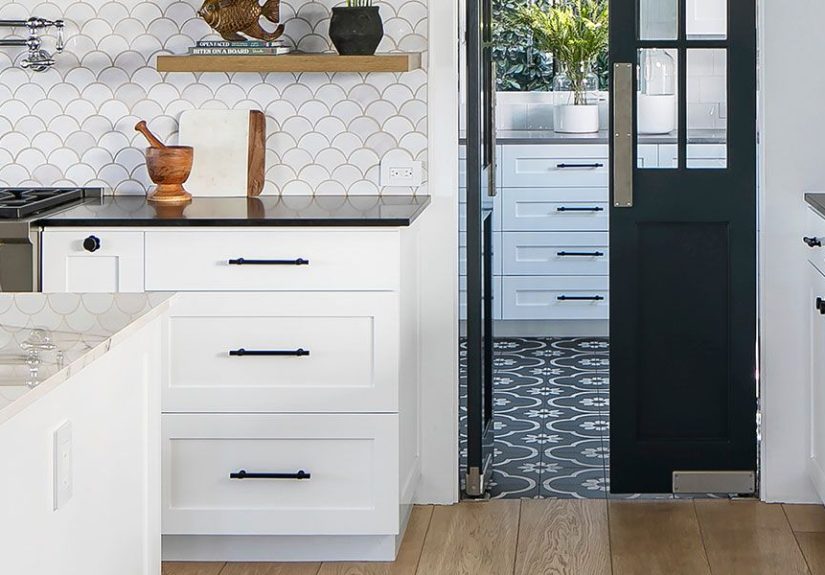
Kitchen backsplash ideas can completely change the vibe of a room. Classic subway tile feels clean and familiar. Zellige adds texture and variation. Marble slab backsplashes feel luxurious. Patterned tile brings personality. Countertops should complement the style, not argue with it.
Lighting
Lighting is jewelry for the kitchen, except more useful and usually less likely to disappear into a couch cushion. Pendants over an island, sconces near open shelves, and softer accent lighting can make a kitchen feel layered and intentional.
Common Kitchen Decorating Mistakes to Avoid
One mistake is following trends too literally. Trends can be helpful, but your kitchen should not feel like it was decorated by a panicked race against the algorithm. Another mistake is ignoring warmth. Even modern kitchens need texture, contrast, and a little softness.
Overdecorating is another problem. Kitchens need breathing room. A few meaningful decorative objects will do more for the space than twenty small things competing for attention. Finally, never underestimate storage. Beautiful kitchens still need to handle blenders, lunch containers, and that one mystery lid nobody claims.
Budget-Friendly Ways to Refresh Kitchen Decor
You do not need a full renovation to improve your kitchen style. Painting cabinets, swapping hardware, updating pendant lights, adding a runner, changing bar stools, or styling countertops with fewer, better objects can transform the space. Even small changes such as linen towels, a new fruit bowl, or one oversized piece of art can make the kitchen feel more polished.
If your budget is tight, focus on surfaces the eye notices first. Hardware, paint, lighting, and textiles offer high impact without requiring you to sell a kidney for custom millwork.
Conclusion
The best kitchen decorating styles do not just photograph well. They support how people really live. Whether you love modern minimalism, traditional elegance, farmhouse warmth, Scandinavian calm, or eclectic charm, the goal is the same: create a kitchen that feels personal, practical, and welcoming.
A beautiful kitchen is rarely about copying a single look piece for piece. It is about understanding what you love, choosing materials and decor with intention, and building a room that feels coherent from top to bottom. In other words, choose a style that fits your life, not just your mood after looking at twelve gorgeous kitchens online at midnight.
Experiences Related to Kitchen Decorating Styles
One of the most interesting things about kitchen design is how differently people define comfort. A homeowner might start by saying they want a modern kitchen, but after a few conversations, what they really want is a room that feels calm, easy to clean, and uncluttered. That is not always the same thing as stark minimalism. In many real homes, the most successful “modern” kitchens include warm oak accents, softer paint colors, and textured materials that take the edge off sharp lines. In practice, people usually want modern style with a pulse.
Farmhouse kitchens create a different emotional reaction. People often describe them as friendly, familiar, and relaxed. In real-life spaces, that usually comes from texture more than themed decor. A worn wood stool, a vintage-inspired runner, and simple ceramic bowls often create more charm than a dozen rustic signs ever could. Many homeowners discover that farmhouse style works best when it is edited. The room should suggest history and warmth, not look like it was attacked by decorative mason jars.
Traditional kitchens tend to age well in everyday life. They are often the style people appreciate more over time because the details feel steady rather than loud. Homeowners who choose traditional elements such as shaker cabinetry, warm brass hardware, and natural stone often report that the space still feels relevant years later. That is the magic of a timeless style: it does not beg for attention every second, but it earns loyalty slowly and convincingly.
Smaller kitchens also reveal something important about style. In compact spaces, decorating choices matter more because every object is more visible. A Scandinavian approach often works beautifully in these kitchens because it prioritizes light, function, and a restrained palette. But even in tiny kitchens, people still want personality. A small lamp, a colorful tea kettle, or one beautifully framed print can keep the room from feeling too plain. The lesson is simple: function may lead, but personality should still get a seat at the table.
Another common experience is that kitchen style becomes clearer only after people pay attention to how they use the room. Someone who entertains often may lean toward a transitional or coastal style that feels open and approachable. A passionate cook may prefer a more practical, tailored kitchen with strong task lighting and less decorative clutter. A collector or vintage lover may discover that an eclectic kitchen finally gives them a place to display meaningful objects instead of hiding them in cabinets. Style becomes more satisfying when it grows from real habits instead of fantasy routines.
Perhaps the biggest experience people share is that kitchens feel best when they stop trying so hard. The most memorable spaces are not always the most expensive or the most dramatic. They are the ones with a clear point of view, useful storage, comfortable lighting, and enough warmth to invite people in. A kitchen should feel like a room where life happens naturally. If the decor supports that feeling, then the style is doing its job brilliantly.