Table of Contents >> Show >> Hide
- The Short Answer: Probably Less Fat Loss Than You Think
- Why the Scale Might Drop After Two Days of Only Fruits and Vegetables
- What a Fruits-and-Vegetables-Only Plan Gets Right
- What It Gets Wrong
- So… Is It Safe?
- A Better Question to Ask
- A Smarter Two-Day Reset That Actually Makes Sense
- Common Experiences People Report During a Two-Day Fruits-and-Vegetables Stretch
- Final Verdict
Let’s address the big question before your blender starts acting like a motivational speaker: if you only eat fruits and vegetables for two days, you may see the number on the scale dip a little, but that does not automatically mean you lost much body fat. In most cases, a short-term drop after 48 hours of produce-only eating is more about water, glycogen, lower sodium intake, and less food sitting in your digestive tract than some dramatic “goodbye forever” fat loss miracle.
That does not mean fruits and vegetables are useless. Far from it. They are nutritional overachievers. They tend to be high in water and fiber, relatively low in calories, and excellent for building meals that feel generous instead of tiny and sad. The catch is that a fruits-and-vegetables-only plan is not the same thing as a healthy weight-loss plan. For two days, most healthy adults will probably be fine, but the results are often smaller, weirder, and less magical than diet culture would like you to believe.
So if you came here hoping for a dramatic movie-montage transformation by Tuesday afternoon, I regret to inform you that your body is more science project than reality TV. The good news is that science is still useful, and a lot less likely to sell you celery with spiritual branding.
The Short Answer: Probably Less Fat Loss Than You Think
If you only eat fruits and vegetables for two days, your scale weight may go down a little, stay about the same, or fluctuate depending on what you were eating before, how much sodium you usually consume, your portion sizes, your hydration, and even whether your digestive system decides to cooperate. If you were previously eating a lot of salty, highly processed foods, the scale may drop more noticeably. If you already eat a balanced, lower-sodium diet, the change may be modest or barely visible.
What matters most is this: a two-day produce-only reset usually does not create enough time for major fat loss. Real fat loss tends to happen more slowly. When weight drops very quickly at the beginning of a restrictive eating phase, much of that early change is typically water and stored carbohydrate, not pure body fat.
That is why the answer to “How much weight will I lose?” is annoyingly honest: not much true fat in only two days, even if the scale temporarily looks encouraging. Your bathroom scale may be feeling dramatic. Your body composition usually is not.
Why the Scale Might Drop After Two Days of Only Fruits and Vegetables
1. You’ll probably eat fewer calories without trying that hard
Fruits and vegetables are generally lower in calorie density than ultra-processed snacks, desserts, fried foods, and fast food meals. Because they contain a lot of water and fiber, they take up space in your stomach without packing in as many calories. That is one reason produce-heavy meals can help people feel full on fewer calories.
Translation: swapping pizza, chips, pastries, or fast-food combo meals for apples, berries, cucumbers, carrots, leafy greens, roasted vegetables, and soups can lower total calorie intake quickly. That can nudge the scale downward. But lower calories for two days is still only two days.
2. Your glycogen stores shrink, and water goes with them
Your body stores carbohydrate in the form of glycogen, mainly in the muscles and liver. When calorie intake drops or your carbohydrate pattern changes, glycogen stores can decrease. Here’s the sneaky part: glycogen holds water. So when glycogen falls, water often leaves with it. That is why weight can come off quickly at first on many restrictive eating plans.
This is one of the biggest reasons a two-day produce-only experiment can make the scale seem more generous. It is often not a “fat-loss jackpot.” It is more like your body cleaning out temporary storage bins.
3. Sodium intake may fall, which can reduce water retention
If your usual diet includes restaurant meals, deli foods, packaged snacks, frozen dinners, instant noodles, and sauces that could preserve a dinosaur, you are probably taking in more sodium than you realize. When you switch to mostly fresh produce, sodium intake often drops. Lower sodium can mean less water retention, which may make you feel lighter and look a bit less puffy.
This can feel motivating, but it is still not the same thing as meaningful long-term fat loss. It is body-fluid housekeeping, not a miracle.
4. There may literally be less food volume sitting in your gut
Scale weight is not just fat. It also reflects water, glycogen, muscle, and the physical weight of recently eaten food still being digested. A temporary shift to lighter, less processed foods can reduce how much food remains in your gastrointestinal tract at any given time. Again, the scale might move, but not all movement means fat loss.
What a Fruits-and-Vegetables-Only Plan Gets Right
To be fair, a produce-heavy eating pattern has real advantages. Fruits and vegetables are loaded with vitamins, minerals, antioxidants, and fiber. They support digestion, heart health, and overall dietary quality. They also tend to crowd out more processed foods that are high in added sugars, sodium, and calories but low in satiety.
If someone spends two days eating colorful produce instead of takeout, sugary drinks, pastries, and late-night snack confetti, they may feel less sluggish. They may eat fewer calories. They may feel less bloated. They may even be inspired to cook a real dinner involving something green that did not come from a chip bag. That is all good news.
In other words, the healthy part is eating more fruits and vegetables. The questionable part is turning that into an all-or-nothing mini-punishment plan.
What It Gets Wrong
1. It can be low in protein
One of the biggest problems with eating only fruits and vegetables for two days is that protein often drops hard. Protein helps preserve muscle, supports fullness, and makes meals feel more substantial. Without enough of it, you may feel hungry sooner, tired later, and strangely obsessed with peanut butter by bedtime.
A balanced eating pattern for weight management usually includes produce plus protein foods, not produce instead of protein foods.
2. It may leave out healthy fats
Healthy fats matter for satiety and overall nutrition. If your two-day plan is mostly fruit, raw vegetables, and heroic levels of moral superiority, it may not be very satisfying. That can backfire fast. Many people become overly hungry after short restrictive plans and then rebound into overeating, which makes the scale drama even more annoying.
3. It is not how healthy eating is meant to work
Major nutrition guidance in the United States does not recommend building a healthy diet from fruits and vegetables alone. A balanced pattern also includes protein foods, dairy or fortified alternatives, and grains, with limits on added sugars, sodium, and saturated fat. So yes, make half your plate fruits and vegetables. But the other half should not file a missing person report.
4. It can feel rough, especially for teens or active people
If you are still growing, very active, playing sports, or just trying to concentrate in class without becoming one with your desk, overly restrictive eating is a bad idea. Growing bodies need enough total energy, protein, calcium, iron, and other nutrients on a regular basis. A two-day produce-only challenge is not a smart shortcut for teens, athletes, or anyone with a history of disordered eating.
So… Is It Safe?
For many healthy adults, eating only fruits and vegetables for two days is more inconvenient than dangerous. But “probably okay for a weekend” is not the same as “smart” or “effective.” Some people may feel hungry, weak, cranky, bloated, or lightheaded. Others may get digestive issues from suddenly increasing fiber. And if the plan turns into repeated crash-diet behavior, the downsides add up quickly.
If you have diabetes, kidney disease, digestive conditions, are taking medication affected by food intake, or have a history of disordered eating, a restrictive plan like this is not something to casually test-drive because a social media post made it sound spiritual.
A Better Question to Ask
Instead of asking, “How much weight will I lose in two days?” try asking, “What can I do in two days that actually helps me feel better and supports real progress?” That question leads to much better answers.
For example, in two days you can:
- eat more vegetables without banning everything else,
- include fruit instead of dessert once or twice,
- drink more water instead of sugar-sweetened beverages,
- build meals around produce and protein,
- cut back on high-sodium packaged foods,
- go for walks, sleep more, and stop treating Monday like a punishment.
That approach may not sound flashy enough for the internet, but it is a lot more likely to help with real weight management.
A Smarter Two-Day Reset That Actually Makes Sense
If your goal is to feel lighter, less bloated, and more in control after a weekend of indulgence, a balanced reset works better than a produce-only rulebook. Think of it like this:
- Breakfast: fruit plus protein, such as Greek yogurt with berries or eggs with sautéed vegetables and fruit on the side.
- Lunch: a large salad with beans, tofu, chicken, tuna, or another protein source.
- Dinner: roasted vegetables, a protein food, and a sensible serving of whole grains or another satisfying carbohydrate.
- Snacks: fruit, crunchy vegetables, nuts, yogurt, or hummus.
This kind of pattern still uses the strengths of fruits and vegetables: volume, fiber, water, nutrients, and lower calorie density. But it also gives your body enough structure to avoid the classic rebound of “I was so good all day that I blacked out next to a box of crackers.”
Common Experiences People Report During a Two-Day Fruits-and-Vegetables Stretch
Here is the part many people secretly want to know: what does it actually feel like? In real life, a two-day fruits-and-vegetables-only experiment often feels less like a cleanse and more like a mixed bag of “I feel virtuous” and “why am I thinking about toast so much?”
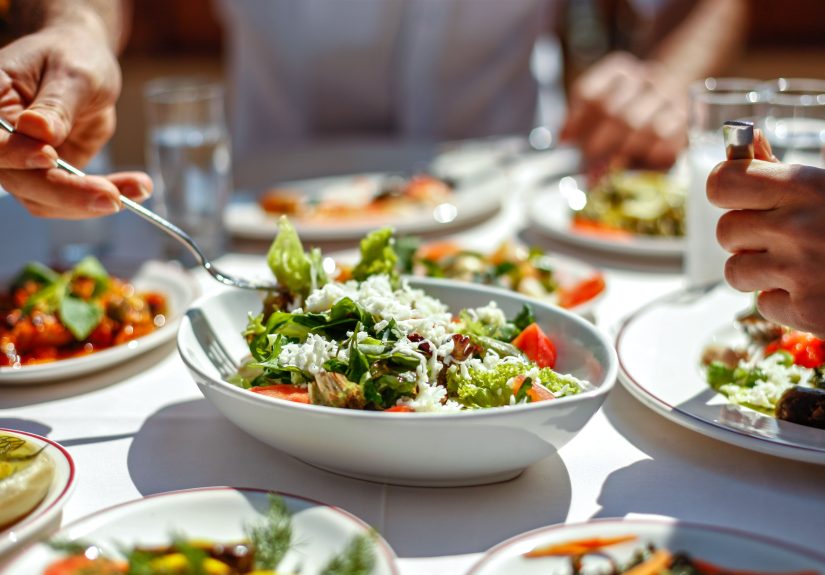
On day one, many people notice that meals look huge. A giant salad, a bowl of fruit, vegetable soup, sliced cucumbers, roasted broccoli, watermelon, apples, peppers, carrots, maybe a mountain of steamed green beans visually, it can seem like you are eating a lot. That is one of the perks of produce. Because fruits and vegetables are high in water and fiber, they can fill up a plate and your stomach without packing in the calories of fast food or processed snacks.
But by the afternoon, the experience can split in two directions. Some people say they feel refreshed, lighter, and proud of themselves for not inhaling vending-machine snacks. Others start feeling snacky, chilly, or oddly unsatisfied, especially if they have not included beans, potatoes, avocado, or other more substantial plant foods. The body often notices when the meal has lots of crunch but not much staying power.
By day two, people often report one of the following: less bloating, more trips to the bathroom, a slightly flatter feeling in the stomach, or a smaller scale number in the morning. That can be exciting, but it is also where people get fooled. The sensation of being “lighter” may be real, yet it does not necessarily reflect much fat loss. A lot of that early difference can come from lower sodium intake, reduced water retention, smaller glycogen stores, and less heavy food sitting in the gut.
Energy can also vary wildly. Some people feel surprisingly good for 48 hours, especially if they were coming off a weekend full of restaurant food, sweets, and salty snacks. Others feel distracted, tired, or preoccupied with food. And yes, some become passionately interested in bread in a way that deserves its own documentary.
Emotionally, these short experiments can also be tricky. A person may feel “clean” or “disciplined” during the two days, then feel frustrated when regular eating returns and the scale rebounds. That rebound does not mean the body “failed.” It usually means normal fluid balance and normal digestion returned. That is why short-term diet experiments can mess with expectations. They make temporary changes feel like permanent progress.
The more useful takeaway from these experiences is not “I should only eat produce whenever I panic about my weight.” It is “I feel better when I eat more produce and less heavily processed food.” That lesson is worth keeping. The crash-diet version is not.
Final Verdict
If you only eat fruits and vegetables for two days, you might lose a little scale weight, but most of that early change is likely to be water, glycogen, and reduced digestive bulk rather than a dramatic amount of body fat. Fruits and vegetables absolutely deserve a starring role in a healthy eating pattern, but they should not have to carry the whole cast alone.
The best path to healthy weight loss is not a two-day produce-only stunt. It is a balanced pattern you can repeat without hating your life: lots of fruits and vegetables, enough protein, smart portions, fewer ultra-processed foods, and habits you can actually live with once the weekend is over. Sexy? Maybe not. Effective? Much more often.