Table of Contents >> Show >> Hide
- Why Catching the Bus or Train Feels So Ridiculously Good
- The Science of the Last-Second Commute Victory
- Public Transportation: The Stage for Everyday Drama
- The Safe Way to Celebrate the Dash
- Why This Moment Feels Like Beating the City
- The Comedy of the Commuter Sprint
- How to Increase Your Chances Without Becoming a Sidewalk Tornado
- The Bigger Meaning of a Small Transit Win
- Extra Experiences: Real-Life Moments That Make Catching the Ride Feel Legendary
- Conclusion: The Everyday Awesome of Making It Just in Time
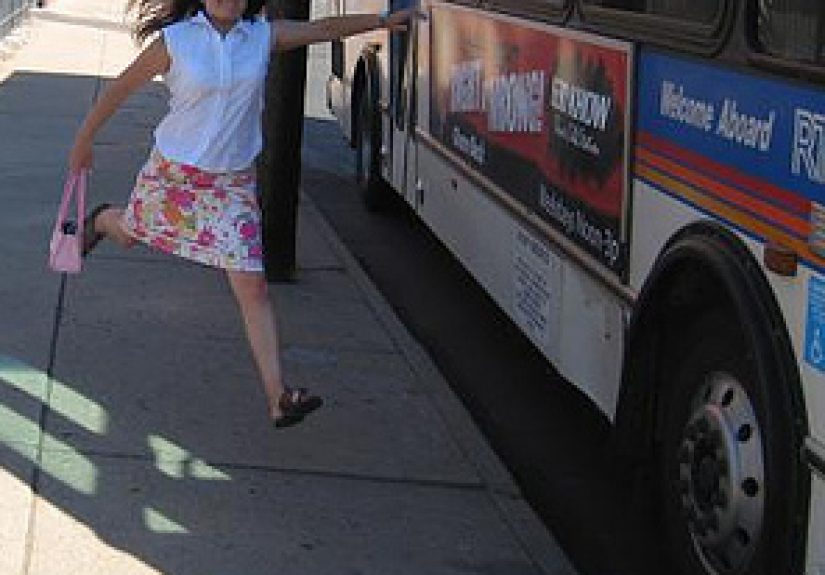
There are ordinary wins, and then there is the glorious, slightly sweaty, movie-trailer-level victory of running for the bus or train and actually catching it. No trophy. No confetti cannon. No slow-motion replay on national television. Just you, the closing doors, a driver who may or may not have noticed your Olympic-level arm waving, and the sweet sound of public transportation not leaving without you.
In the universe of everyday awesome things, this moment deserves its own tiny parade. It is part luck, part timing, part cardio, and part dramatic commitment to not waiting another 12 minutes. Whether it happens at a city bus stop, a subway platform, a commuter rail station, or a light rail stop, catching your ride at the last possible second feels like beating the clock in a game show where the grand prize is simply “not being late.”
This article celebrates that small but powerful commuter victory while keeping one sensible sneaker planted on the ground: running near buses, trains, curbs, platforms, stairs, and closing doors should always be done carefully. The truly awesome version is not reckless. It is the safe, alert, perfectly timed dash where you arrive, breathe like a friendly dragon for 30 seconds, and then sit down pretending you totally planned it that way.
Why Catching the Bus or Train Feels So Ridiculously Good
The magic begins with scarcity. Public transit runs on schedules, and schedules do not care that your toast burned, your backpack zipper staged a rebellion, or your left shoe decided to hide under the couch. When you see the bus turning the corner or the train pulling in, your brain instantly performs advanced mathematics: distance, speed, door-closing probability, dignity loss, and whether your coffee lid is trustworthy.
Then comes the decision. Walk and accept defeat? Jog and hope? Sprint like your phone just hit 1% battery and the charger is on board? That choice creates a tiny burst of drama in a day that may otherwise involve spreadsheets, school drop-offs, errands, meetings, or staring deeply into the refrigerator for dinner inspiration.
The Wait-Time Jackpot
Catching the ride means you have avoided the commuter punishment known as “standing around with nothing to do but check the route app every seven seconds.” You did not just board a bus or train. You defeated waiting. You converted dead time into travel time. That is the kind of efficiency that makes a person feel like they should be wearing a cape, or at least slightly better socks.
The Tiny Hero Moment
Nobody may clap when you make it, but inside your head, there is applause. You saw the opportunity. You moved. You made it. The doors opened, or stayed open, and for one shining second the city seemed to cooperate with your agenda. In a world where traffic lights, delayed elevators, and missing keys frequently form alliances against us, that cooperation feels deeply personal.
The Science of the Last-Second Commute Victory
Part of the thrill comes from timing. Humans love near-misses when they end well. A buzzer-beater in basketball, the last cookie before someone else grabs it, the umbrella opened one second before the rain really startsthese moments feel bigger than they are because the outcome almost went the other way.
Running for the bus or train and catching it creates the same emotional pop. Your body receives a quick burst of movement. Your brain gets a clean success signal. Your schedule survives. Suddenly, the day feels manageable again. You are not behind; you are in motion. You are not stranded; you are seated, standing, or holding the pole like a victorious commuter warrior.
There is also a practical side. Public transportation remains a vital part of American daily life, connecting people to work, school, shopping, medical appointments, entertainment, and family responsibilities. In many communities, buses, trains, light rail, commuter rail, and ferries are not just alternatives to driving. They are essential threads in the fabric of daily mobility.
Public Transportation: The Stage for Everyday Drama
The reason this moment resonates is simple: millions of people understand it. Public transit has its own emotional weather. There is the calm of getting a seat. The panic of realizing you are on the wrong platform. The quiet joy of a perfectly timed transfer. The mild tragedy of watching taillights disappear while you stand ten feet away, betrayed by your own shoelace.
Transit systems also bring together people from every corner of daily life. Office workers, students, nurses, restaurant employees, tourists, parents, grandparents, musicians with mysterious instrument cases, and people carrying houseplants all share the same basic hope: please arrive soon, please stop here, and please let me make my connection.
That shared experience gives the last-second catch a universal flavor. Even if nobody speaks, everyone knows the plot. The runner appears. The doors are open. The distance is closing. Will they make it? Is this person about to become the main character of the platform? When they board successfully, the whole scene resolves like a sitcom endingminus the laugh track, plus a little panting.
The Safe Way to Celebrate the Dash
Let us be very clear: the awesome thing is not risking life, limb, backpack, phone, lunch bag, or personal dignity. The awesome thing is catching the ride safely. Transit agencies commonly remind riders not to chase moving vehicles, block doors, run in stations, lean into bus lanes, stand too close to platform edges, or force closing doors. That advice is not there to ruin the fun. It is there because buses and trains are large, powerful, and not impressed by human impatience.
Run Only When the Path Is Safe
A safe dash happens on clear sidewalks, open station corridors, or ordinary walking areas where you can see where you are going. It does not happen down crowded stairs, across traffic, along platform edges, beside a moving bus, or through closing train doors. If your heroic sprint requires dodging strollers, slipping on wet tiles, or using your umbrella like a jousting lance, it is no longer heroic. It is a bad idea wearing sneakers.
Never Race the Doors
The doors are not your opponent. They are not an arcade game. They are not impressed by dramatic shoulder lunges. If doors are closing, let them close. Another ride is better than an injury, an argument, or becoming the reason everyone else is delayed. The safest commuter win is arriving while boarding is still normal and calm.
Respect the Platform and Curb
At train stations, stay back from the platform edge. At bus stops, keep a safe distance from the curb until the bus has stopped. Around escalators and stairs, hold the rail when needed and avoid pushing through crowds. The goal is to catch the bus or train, not to turn your commute into a public service announcement.
Why This Moment Feels Like Beating the City
Cities are complicated machines. Traffic lights blink. Crosswalk signals count down. Elevators arrive at the wrong floor. Buses get stuck behind delivery trucks. Trains follow timetables that seem both scientific and mystical. Most of the time, you adapt to the system. But when you catch the bus or train at the exact last safe moment, it feels as though you have briefly bent the system to your will.
That feeling is powerful because commuting can be repetitive. The same route, the same stop, the same station sign, the same advertisement you have read so many times you could perform it as a dramatic monologue. A sudden dash breaks the pattern. It transforms routine transportation into a tiny adventure.
It is also a reminder that small wins matter. Not every day gives you a promotion, a vacation, a perfect haircut, or a parking spot directly in front of the building. Some days, the win is much smaller: the bus waited, the train doors were still open, your legs remembered how to function, and you made it.
The Comedy of the Commuter Sprint
Few human activities are as instantly humbling as running with a backpack. One strap slides off. A water bottle performs percussion. Keys jingle like sleigh bells. Your face says “determined athlete,” while your bag says “garage sale in motion.” If you are carrying coffee, the stakes become Shakespearean.
Then there is the after-boarding performance. You step on, tap your card, find a place to stand, and immediately try to look normal. This is difficult because your lungs are filing a complaint. You stare calmly at the route map while breathing like you have just personally chased the train from another county. A fellow rider glances over. You give the universal commuter expression: “Yes, I ran. No, we do not need to discuss it.”
The comedy is part of the charm. Catching the ride is awesome because it is not elegant. It is a little awkward, a little dramatic, and completely human. Everyone has been there, or almost there, or on the other side of the glass watching someone else almost there.
How to Increase Your Chances Without Becoming a Sidewalk Tornado
The best way to catch transit is not to sprint every day. It is to build a calmer routine that gives you more chances to arrive safely and on time. Use real-time arrival apps when available. Know whether your stop is near the front, middle, or back of the train platform. Keep your fare card, phone, or ticket ready before you reach the gate. Choose shoes you can actually move in, not shoes that treat every sidewalk crack as a personal attack.
It also helps to learn the rhythm of your route. Some buses tend to bunch. Some trains arrive more frequently during rush hours. Some stations require longer walks from entrance to platform. Some transfer points are easy; others seem designed by someone who wanted commuters to discover inner strength through stairs.
Prepare Before the Moment
A surprising number of last-second transit failures happen because the rider arrives but is not ready. The bus is there, but the fare card is in a mysterious pocket. The train is there, but the ticket app is still loading. The gate is there, but the phone screen has gone dark. Preparation turns panic into flow. If your payment is ready and your route is clear, you are more likely to board smoothly.
Know When to Let It Go
The wisest commuters know that not every bus or train is worth chasing. If the vehicle is already moving, if the path is crowded, if the platform is slippery, or if you would have to cross unsafely, let it go. Missing one ride is annoying. Getting hurt is much worse. There is dignity in the safe shrug, the deep breath, and the decision to wait for the next one while pretending you meant to arrive early.
The Bigger Meaning of a Small Transit Win
At first glance, catching the bus or train seems like a tiny event. But tiny events shape the mood of a day. A missed ride can make everything feel off-balance. A caught ride can restore momentum. It can mean arriving at work on time, making the first class bell, getting to an appointment without apologizing, or reaching home before your leftovers become the only thing you can think about.
There is also something democratic about the experience. Public transit is shared space, and shared space creates shared emotions. People who may never speak to one another still understand the urgency of the dash, the relief of boarding, and the silent comedy of trying to recover gracefully afterward.
That is why this topic belongs in the world of “1000 Awesome Things.” It is not awesome because it is grand. It is awesome because it is ordinary and familiar. It asks us to notice a small burst of joy hidden inside a routine day. It reminds us that life is not only made of big milestones. Sometimes it is made of doors that stay open for one more second.
Extra Experiences: Real-Life Moments That Make Catching the Ride Feel Legendary
Everyone has a story about the one they caught. Maybe it happened on a Monday morning when the alarm failed, the coffee maker coughed out three tragic drops, and the weather seemed personally offended by your existence. You rounded the corner expecting disappointment and saw the bus still there. Suddenly, your entire body became a transportation-focused rocket. You ran, the driver waited, and for the next ten minutes you sat there feeling like you had negotiated peace with the universe.
Or maybe it happened at a train station after a long day. Your phone said the next train was arriving in one minute, which is app language for “good luck, athlete.” You walked fast, then faster, then hit that strange commuter half-run that says, “I am in a hurry, but I still have a public image.” Down the stairs, across the concourse, through the gate, and onto the platform just as the train arrived. Not too early. Not too late. Perfect. The timing was so clean it deserved its own soundtrack.
Sometimes the best part is the stranger energy. A bus driver sees you coming and pauses. A person near the door shifts aside. Someone already seated gives you a tiny nod that says, “You made it, champ.” These micro-moments do not fix every problem in the world, but they do make daily life feel a little more generous. Public transportation can be crowded, noisy, delayed, and occasionally scented with mysteries. But it can also be full of small kindnesses.
There is also the sweet relief of avoiding a chain reaction. Catching one bus may mean catching the next train. Catching the train may mean arriving before the meeting starts. Arriving before the meeting starts may mean not doing that awkward hallway speed-walk while whispering, “Sorry, sorry, sorry.” A single successful dash can protect an entire schedule like a tiny commuter superhero.
The experience is even better when you expected failure. You see the bus. It sees you, spiritually if not mechanically. You start moving with the cautious optimism of someone who has been hurt by transit before. The distance shrinks. The doors are open. Your legs deliver. You step aboard, tap in, and the bus pulls away almost immediately. That is not just transportation. That is choreography.
Of course, the aftermath is never as glamorous as the victory. Your hair may have rearranged itself into a new political system. Your breathing may be louder than the engine. Your backpack may have rotated to your front like it is trying to escape. But none of that matters. You are on board. You have entered the moving rectangle of success.
The best lesson from these moments is not “run more dangerously.” It is “notice more joy.” Notice the good timing. Notice the helpful driver. Notice your own quick decision. Notice the tiny miracle of making it when you were sure you would not. Life offers plenty of delays, detours, and missed connections. So when you safely catch the bus or train at the last possible moment, take the win. Smile quietly. Breathe normally when possible. And enjoy one of the most underrated awesome things in everyday commuting.
Conclusion: The Everyday Awesome of Making It Just in Time
Running for the bus or train and actually catching it is a small victory with a surprisingly big emotional payoff. It combines timing, movement, luck, awareness, and the great human desire to avoid waiting in public while pretending not to be annoyed. It is funny, familiar, and deeply satisfying.
Still, the best version is always the safe version. Do not chase moving vehicles. Do not rush closing doors. Do not sprint near platform edges, curbs, stairs, or crowds. But when the path is clear, the timing is right, and your ride is still safely boarding, that little dash can turn an ordinary commute into a personal highlight reel.
In the end, the awesome thing is not just catching transportation. It is catching a moment: the brief, bright feeling that today, somehow, the schedule smiled back.