Table of Contents >> Show >> Hide
- Start With the Purpose of the Stone Wall
- Choose the Right Type of Stone
- Natural Stone vs. Manufactured Wall Block
- Think About Climate Before You Buy
- Match the Stone to Your Home and Landscape
- Do Not Forget the Base Materials
- Drainage Materials Are Not Optional for Retaining Walls
- Mortar, Dry Stack, or Veneer?
- Choose the Right Shape and Size
- Plan for Caps and Coping
- Estimate Cost Beyond the Stone
- Ask These Questions Before Buying Stone Wall Materials
- Best Material Choices by Project Type
- Common Mistakes When Choosing Stone Wall Materials
- Experience-Based Tips for Choosing Materials for a Stone Wall
- Conclusion
Note: This article is written for general planning and educational purposes. For tall retaining walls, walls near foundations, drainage problems, unstable slopes, or projects affected by local building codes, consult a qualified mason, landscape contractor, engineer, or local permitting office before buying materials.
Choosing materials for a stone wall sounds simple until you meet the stone yard. Suddenly, you are staring at fieldstone, granite, limestone, sandstone, veneer, wall caps, gravel, mortar, landscape fabric, and a pile of rocks that looks like it has been judging your life choices since the Jurassic period.
The good news is that picking the right stone wall materials becomes much easier when you understand the purpose of the wall, the climate, the soil, the style of your home, and your maintenance expectations. A decorative garden wall does not need the same material strategy as a retaining wall holding back a wet slope. A rustic dry-stack wall in Vermont has different needs than a sleek limestone courtyard wall in Arizona. Stone is tough, but it is not magic. Even the handsomest rock can fail if it is placed in the wrong job, on the wrong base, with poor drainage.
This guide explains how to choose materials for a stone wall in a practical, homeowner-friendly way. We will look at natural stone types, manufactured options, base materials, drainage, mortar, caps, costs, and real-world selection tips so your wall looks beautiful and behaves itself. Because a wall that slowly leans like it is listening for gossip is not the dream.
Start With the Purpose of the Stone Wall
Before comparing colors and textures, decide what the wall must do. A stone wall usually falls into one of three categories: decorative, freestanding, or retaining. Each type requires different materials and construction logic.
Decorative garden walls
A decorative garden wall is often low, light-duty, and used to define a planting bed, edge a patio, or add charm to the landscape. For this type of wall, appearance may matter more than heavy structural performance. Flat fieldstone, ledgestone, small boulders, and manufactured wall blocks can all work well. If the wall is short and not holding back major soil pressure, you have more flexibility.
Freestanding stone walls
A freestanding wall has two visible sides and stands on its own. These walls need enough width, stable base stones, proper interlocking, and good capstones. Dry-stack freestanding walls usually perform best with stones that have at least one flat face and enough length to tie into the wall. Round stones can look charming, but building with them can feel like stacking potatoes in a windstorm.
Retaining stone walls
A retaining wall holds back soil, which means it must resist pressure from earth and water. Material choice becomes more serious here. Retaining walls need a compacted base, drainage aggregate, backfill, and sometimes geogrid reinforcement or engineering. Natural stone, segmental concrete blocks, large retaining wall units, and properly built dry-stone systems may all be options, but the wall height, slope, soil, water, and local code should guide the decision.
Choose the Right Type of Stone
Natural stone is not one material. It is a whole family reunion of materials, and some relatives are better behaved outdoors than others. The best stone wall material depends on strength, weather resistance, workability, availability, and the look you want.
Fieldstone: rustic and natural
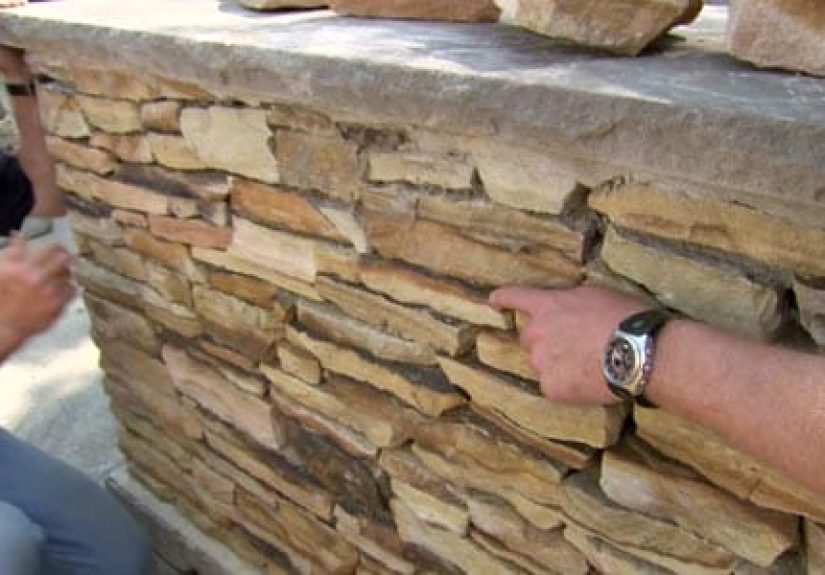
Fieldstone is a classic choice for rustic stone walls. It often comes from fields, farms, or local excavation and has irregular shapes, weathered surfaces, and earthy colors. It works beautifully for garden walls, property borders, and traditional dry-stack walls.
The biggest advantage of fieldstone is character. No two stones look exactly alike, so the finished wall feels natural rather than factory-perfect. The challenge is labor. Irregular fieldstone takes patience to sort, fit, and stack. If the stones are very round, they may require more skill and a wider wall to remain stable.
Granite: dense, strong, and durable
Granite is one of the toughest choices for outdoor stone walls. It is dense, hard, and highly resistant to weathering, making it a strong option for cold climates, freeze-thaw conditions, and high-visibility walls that need to last for decades. Granite can appear gray, pink, black, white, or speckled, depending on the quarry.
The tradeoff is that granite is heavy and difficult to shape. If you want a crisp, formal wall, cut granite can be stunning, but it may cost more in material and labor. For homeowners who want durability with a timeless look, granite is a heavyweight champion. Literally. Your wheelbarrow may file a complaint.
Limestone: warm, classic, and workable
Limestone is popular because it has a soft, elegant appearance and is easier to cut and shape than granite. It often comes in cream, buff, gray, or beige tones, making it a natural fit for traditional homes, courtyards, garden walls, and formal landscapes.
However, limestone can be more porous and softer than granite. In wet or freeze-thaw climates, you should choose a dense, exterior-grade limestone with a proven outdoor performance record. Limestone can also react to acidic conditions, so it may not be the best choice where acid rain, deicing salts, or harsh cleaners are common.
Sandstone: layered color and natural texture
Sandstone brings warm color, grainy texture, and a relaxed natural look. It can be tan, red, brown, gold, or gray, which makes it useful for Southwestern, rustic, cottage, and informal garden designs. Because sandstone often splits into workable shapes, it can be appealing for walls that need a layered appearance.
The key is quality. Some sandstone is strong and weather-resistant, while other varieties are more porous and prone to wear. For exterior stone walls, ask whether the sandstone is suitable for your climate and whether it has been used successfully in local projects.
Bluestone and flagstone: attractive but project-specific
Bluestone and flagstone are often used for patios and walkways, but thicker pieces can also work for garden walls, wall caps, and decorative features. Their flat shapes make them easier to stack than round stone. For wall faces, they can create a clean, layered look.
Do not confuse thin patio flagstone with structural wall stone. Thin pieces may crack or shift if used where larger, deeper stones are required. For walls, choose thicker wall-grade pieces or use flagstone mainly as coping on top.
Slate: beautiful, but watch the layers
Slate has a distinctive layered appearance and comes in deep gray, blue, green, purple, and black tones. It can be striking in modern landscapes. The concern is delamination, which happens when thin layers separate over time, especially if water gets into the stone and freezes. Slate may work well in certain climates and applications, but it should be selected carefully for exterior walls.
Natural Stone vs. Manufactured Wall Block
One of the biggest decisions is whether to use natural stone or manufactured concrete wall block. Neither is automatically “better.” They simply solve different problems.
When natural stone makes sense
Choose natural stone when you want authenticity, long-term beauty, regional character, and a wall that looks like it belongs to the landscape. Natural stone ages gracefully, and local stone often blends beautifully with surrounding soil, plants, and architecture.
Natural stone is ideal for rustic walls, historic properties, cottage gardens, estate landscapes, and custom projects where uniqueness matters. It can also be extremely durable when the right stone is chosen for the climate and the wall is built correctly.
When manufactured block makes sense
Manufactured retaining wall blocks are designed for predictable installation. Many systems include interlocking shapes, consistent dimensions, caps, corners, and engineering data. This makes them useful for retaining walls, terraced slopes, and projects where speed and consistency matter.
Concrete wall blocks can mimic natural stone textures while offering easier alignment and simpler material estimates. They are not always as charming as real stone, but they are practical, especially for homeowners who want a clean, repeatable system.
Think About Climate Before You Buy
Climate can turn a good-looking stone into a long-term hero or a future repair bill. The big issue is water. When water enters pores or cracks and freezes, it expands. Repeated freeze-thaw cycles can cause cracking, flaking, and surface damage.
In cold regions, dense stones such as many granites and high-quality quartzites are often safer choices. Some limestone and sandstone varieties also perform well, but they should be selected based on proven exterior use. In wet climates, pay extra attention to drainage and avoid stones that absorb water easily. In hot, dry regions, thermal movement and color fading may be more important than freeze-thaw resistance.
Ask your supplier one simple question: “Has this stone been used successfully for exterior walls in this area?” A local stone yard with honest experience is worth more than a glossy brochure with suspiciously perfect lighting.
Match the Stone to Your Home and Landscape
A stone wall should feel connected to the property, not dropped in by a confused castle delivery service. Look at your home’s siding, roof, foundation, patio, driveway, and surrounding landscape.
For traditional homes, limestone, granite, fieldstone, and weathered wall stone often look natural. For modern homes, clean-cut stone, large-format blocks, dark basalt, or smooth wall systems may fit better. For rustic or woodland landscapes, irregular fieldstone and moss-friendly textures can look relaxed and timeless. For Southwestern designs, warm sandstone and tan ledgestone may feel more appropriate.
Color matters, but texture matters just as much. A rough wall feels informal and organic. A sawn or split-face wall feels more structured. A highly uniform block wall feels clean and practical. The best choice is the one that supports the style of the whole property.
Do Not Forget the Base Materials
The stones get the applause, but the base does the quiet, unglamorous work. A stone wall needs a stable foundation. Without one, even expensive stone can settle unevenly, lean, or shift.
For many landscape walls, the base includes compacted crushed stone or gravel. Angular crushed stone locks together better than rounded gravel, which can roll under pressure. The base should be level, compacted, and appropriate for the wall height and soil conditions. Retaining walls may require a deeper base trench and carefully compacted layers.
Think of the base like good shoes. Nobody compliments them at the party, but if they fail, the whole evening gets awkward.
Drainage Materials Are Not Optional for Retaining Walls
If your stone wall retains soil, drainage is one of the most important material choices. Water trapped behind a retaining wall creates hydrostatic pressure. That pressure can push, bulge, crack, or overturn a wall. In plain English: water is sneaky, heavy, and rude.
Common retaining wall drainage materials include clean crushed stone behind the wall, perforated drain pipe near the base, filter fabric to separate soil from drainage aggregate, and outlets that direct water away from the wall. The exact system depends on the wall type, height, slope, and soil.
Clay soil needs special attention because it drains slowly and can expand when wet. Sandy or gravelly soils are usually easier to manage, but drainage still matters. If you see water flowing across the site after rain, plan the drainage before choosing the pretty stones.
Mortar, Dry Stack, or Veneer?
The way the stone is assembled changes which materials you should choose.
Dry-stack stone walls
Dry-stack walls use gravity, stone shape, wall width, batter, and careful interlocking instead of mortar. They can drain naturally and move slightly with seasonal conditions. Good dry-stone construction uses larger base stones, long stones that tie into the wall, carefully packed hearting stones, and sturdy capstones.
Dry-stack walls are beautiful, but they are not just piles of rocks arranged with optimism. They require skill. Choose stones with flat surfaces, good length, and enough variation in size to create a stable pattern.
Mortared stone walls
Mortared walls use masonry mortar to bond stones together. This can create a more formal appearance and may be useful for certain structural or architectural walls. Mortar works best with stones that have reasonably flat bedding surfaces and consistent shapes.
The downside is that mortar can trap water if drainage and detailing are poor. In freeze-thaw climates, moisture in joints can lead to cracking. Mortared walls need proper foundations, joint work, and often professional installation.
Stone veneer walls
Stone veneer is a thin facing applied over a structural wall or backing system. It is often used when you want the look of stone without building a full-depth stone wall. Veneer can be natural or manufactured.
Veneer is not the same as a structural stone wall. The backing wall carries the load. If you choose veneer, focus on proper substrate, weather barriers, flashing, drainage plane, mortar compatibility, and exterior-rated materials.
Choose the Right Shape and Size
Shape is a practical decision, not just an aesthetic one. Flat, blocky stones are easier to stack and align. Long stones help tie the wall together. Large stones are useful at the base. Smaller stones fill gaps and help level courses, but too many tiny pieces can weaken the wall if they replace proper building stones.
For dry-stack walls, avoid relying only on face stones that look good from the front but do not extend deeply into the wall. A strong wall needs stones that reach inward and lock with the wall body. For retaining walls, mass and depth matter because the wall must resist soil pressure.
For a clean modern wall, cut stone or manufactured blocks may be the best option. For a country wall, irregular fieldstone may be perfect. For a garden border, smaller ledgestone may be easier to handle. Match the stone size to the scale of the wall and the people building it.
Plan for Caps and Coping
Wall caps are more than decoration. They help shed water, stabilize the top of the wall, and give the project a finished look. Capstones can be flat natural stone, cut coping, concrete caps, or large stones that span the wall width.
For freestanding dry-stone walls, heavy capstones help lock the top courses. For mortared walls, caps should be set to direct water away from the wall face. For seat walls, choose smooth, comfortable caps with safe edges. For garden walls, slightly irregular caps can look charming while still protecting the wall.
Estimate Cost Beyond the Stone
When comparing stone wall materials, do not look only at the price per ton or square foot. The real cost includes delivery, sorting, cutting, waste, base material, drainage stone, fabric, pipe, mortar, caps, equipment, and labor.
Irregular natural stone may be cheaper at the quarry but more expensive to install because it takes time to fit. Manufactured block may cost more per unit but install faster. Dense stone such as granite may last beautifully but cost more to move and shape. Local stone often saves money on freight and usually fits the landscape better.
A practical budget should include extra material for breakage, cuts, and selection. Ordering exactly enough stone is like packing one sock for a week-long trip. Technically possible, spiritually stressful.
Ask These Questions Before Buying Stone Wall Materials
Before placing an order, ask your supplier or contractor these questions:
- Is this stone suitable for exterior wall use in my climate?
- Has it performed well in local freeze-thaw or wet conditions?
- Is it better for dry-stack, mortared, veneer, or retaining applications?
- How much variation should I expect in color, size, and thickness?
- What base and drainage materials are recommended with it?
- Are matching caps, corners, or larger stones available?
- How much extra material should I order for waste and fitting?
These questions can prevent expensive surprises. A good supplier should be able to explain the stone’s strengths and limitations. If the answer to every question is “Oh yeah, that’ll work,” keep asking.
Best Material Choices by Project Type
Best for rustic garden walls
Fieldstone, weathered limestone, local ledgestone, and irregular wall stone are excellent choices. They look natural around plants and age beautifully.
Best for formal landscape walls
Cut limestone, sawn granite, dimensional sandstone, or manufactured wall block can create clean lines and consistent courses.
Best for cold climates
Dense granite, quartzite, and proven exterior-grade stone varieties are strong candidates. Avoid highly porous stone unless it has a reliable local performance history.
Best for retaining walls
Segmental retaining wall block, large engineered wall units, well-built dry-stone systems, or properly designed natural stone walls may work. Drainage and engineering matter more than appearance alone.
Best for budget-conscious projects
Local stone, reclaimed stone, and manufactured blocks can all be cost-effective depending on labor. The cheapest material is not always the cheapest finished wall.
Common Mistakes When Choosing Stone Wall Materials
The first mistake is choosing stone only by color. A beautiful stone that absorbs too much water, flakes in winter, or cannot be stacked securely is not a bargain. The second mistake is ignoring drainage. This is especially dangerous for retaining walls. The third mistake is underestimating labor. Stone is heavy, irregular, and not impressed by your weekend schedule.
Another common mistake is mixing incompatible materials. For example, using delicate veneer stone in a place that needs structural wall stone can lead to failure. Using rounded river rock for a dry-stack wall can be difficult because the stones do not lock together easily. Using mortar without proper water management can create cracking and trapped moisture.
The best stone wall materials are chosen as a system: wall stone, base stone, backfill, drainage, capstones, and installation method all working together.
Experience-Based Tips for Choosing Materials for a Stone Wall
After looking at many stone wall projects, one lesson stands out: the best wall is usually not built from the fanciest stone. It is built from the most appropriate stone. A local, durable, easy-to-stack stone often beats an expensive imported material that looks amazing in a showroom but behaves badly in the yard.
One practical experience is to visit the stone yard in person whenever possible. Photos can hide scale, texture, thickness, and color variation. A stone that looks warm beige online may look pale gray in daylight. A “flat” stone may have bumps, tapers, and awkward edges that increase labor. Touch the stone. Pick up a few pieces if safe. Look at a full pallet or pile, not just the display sample. The sample is the stone’s profile picture; the pallet is the reality show.
Another helpful habit is sorting material before building. Separate large base stones, long tie stones, face stones, hearting stones, and capstones. This is especially important for dry-stack walls. If you use your best long stones too early as decorative face pieces, you may run short when you need them for stability. Good wall builders do not just stack; they select. The pile may look random, but the finished wall should not be random at all.
For retaining walls, experience teaches that drainage deserves more budget than beginners expect. Many failed walls did not fail because the stone was ugly or weak. They failed because water had nowhere to go. Clean drainage aggregate, filter fabric, a proper drain outlet, and compacted backfill can make the difference between a wall that lasts and a wall that slowly develops a dramatic personality.
It is also wise to build a small sample section before committing to a large wall. A three- or four-foot test run can reveal whether the stone stacks well, whether the color fits the landscape, and whether the installation style matches your skill level. If the sample section takes all afternoon and looks like a geological argument, you may want a different stone or a professional mason.
Do not underestimate delivery and access. A beautiful stone becomes less charming when the truck drops it 150 feet from the work area and every piece must be moved by hand. Before ordering, think about where pallets can be placed, whether machinery can reach the site, and how the stone will be staged. Labor efficiency is part of material selection.
Maintenance expectations matter too. A dry-stack wall may need occasional resetting, especially after settlement or frost movement, but it is often repairable without tearing everything apart. A mortared wall may look crisp but can require repointing over time. A veneer wall can be efficient, but only if the backing and moisture control are done correctly. Choose the system you are willing to maintain, not just the one that looks best on day one.
Finally, let the landscape influence the decision. If your property already has stone outcrops, old walls, gravel tones, or a stone foundation, matching that language usually creates the best result. A stone wall should feel like it grew out of the site, even if it arrived on a truck and cost enough to make your wallet sit quietly for a while.
Conclusion
Learning how to choose materials for a stone wall is really about balancing beauty, structure, climate, budget, and common sense. Start by identifying the wall’s purpose. Then choose a stone type that suits your climate and design style. Pay close attention to shape, size, durability, drainage, base materials, and caps. For retaining walls, treat drainage and engineering as essential, not optional extras.
A stone wall can be rustic, formal, modern, historic, or quietly practical. It can frame a garden, support a slope, define an outdoor room, or make a plain yard feel established. But the best walls are not accidents. They come from choosing materials that work together from the ground up.
Pick the right stone, give it a solid base, manage the water, and respect the weight of the material. Do that, and your wall will have a much better chance of standing straight, aging gracefully, and making your landscape look like it has always had its life together.