Table of Contents >> Show >> Hide
- Start With the Job the Light Needs to Do
- Pick the Right Brightness, Not the Brightest Box
- Check How Much Sun Your Yard Actually Gets
- Choose Battery Quality and Runtime Carefully
- Match the Fixture to Your Climate
- Think About Color Temperature and Mood
- Pay Attention to Controls and Smart Features
- Plan Placement Like a Designer, Not a Dart Thrower
- Do Not Ignore Maintenance
- How to Build a Balanced Solar Lighting Plan
- Common Mistakes to Avoid
- Final Thoughts
- Real-World Experiences With Solar Yard Lighting
- SEO Tags
If your yard goes dark after sunset and starts giving off “mystery movie side yard” energy, solar lighting can fix that without sending your electric bill into a dramatic monologue. It is easy to install, skips the trenching and wiring headache, and can make a yard feel safer, prettier, and far more usable after dark. The tricky part is that not all solar lights are created equal. Some are charming little glow bugs. Others are backyard stadium lights in disguise. And a few seem to have been designed by someone who believes subtlety is for cowards.
The best way to choose solar lighting for your yard is to start with purpose, then work through brightness, placement, battery performance, weather resistance, and style. In other words: do not buy the first “12-pack miracle pathway lights” you see online and hope for the best. Hope is lovely. A lighting plan is better.
Start With the Job the Light Needs to Do
Before you compare finishes, stakes, or fancy marketing phrases like “moonbeam diamond glow technology,” decide what the light is actually supposed to accomplish. Solar yard lighting usually falls into a few main categories, and each one serves a different purpose.
Path Lights
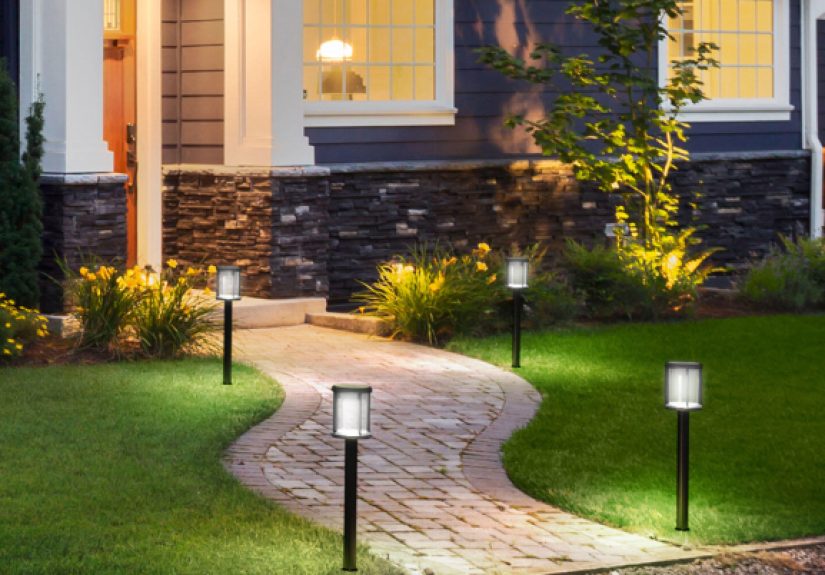
These are the classics. They line walkways, garden beds, and driveways to help people see where they are going. Path lights are more about guidance and gentle illumination than blasting the neighborhood raccoon into next week.
Spotlights and Flood Lights
Use these when you want focused light on trees, architectural features, signs, or darker areas that need more visibility. Spotlights create drama. Flood lights create broader coverage. If your front maple deserves a standing ovation at 8:30 p.m., this is your category.
String Lights
Ideal for patios, pergolas, fences, and entertaining zones. These are the mood-setters. They are less about task lighting and more about making your backyard look like it hosts very successful cheese boards.
Wall, Step, Deck, and Fence Lights
These work well where low-profile illumination matters. They can define edges, reduce trip hazards, and add a polished look to stairs, posts, and railings.
Decorative Lanterns and Accent Lights
These are the jewelry of the yard. They add style, sparkle, and visual layering. Just remember that decorative lights are not usually powerful enough to replace functional lighting where safety matters.
The smartest solar lighting plan usually mixes types. A yard looks better and works better when path lights guide movement, spotlights highlight focal points, and string or accent lights soften gathering areas.
Pick the Right Brightness, Not the Brightest Box
One of the most important specs is brightness, measured in lumens. This is where many shoppers go wrong. More lumens are not always better. In fact, too much brightness can create glare, flatten your landscaping, and make your yard feel less welcoming. Nobody wants a patio that looks like an interrogation room.
As a practical rule of thumb, lower-lumen fixtures work well for decorative glow and ambience, moderate output works for pathways and casual visibility, and much brighter lights are better reserved for security and safety zones. For many yards, path and ambient lighting feel comfortable in the lower to mid range, while mounted security-style lights often need several hundred lumens or more to do their job well.
Here is the easy version:
- Soft ambience: best for patios, garden borders, and decorative areas.
- Moderate illumination: great for pathways, walkways, and entry routes.
- High output: best for driveways, dark corners, and motion-activated security lighting.
If you want your yard to look elegant, layer brightness instead of maxing it out. A few brighter fixtures mixed with softer ones usually look far better than one giant blanket of light. Good outdoor lighting should guide the eye, not startle it.
Check How Much Sun Your Yard Actually Gets
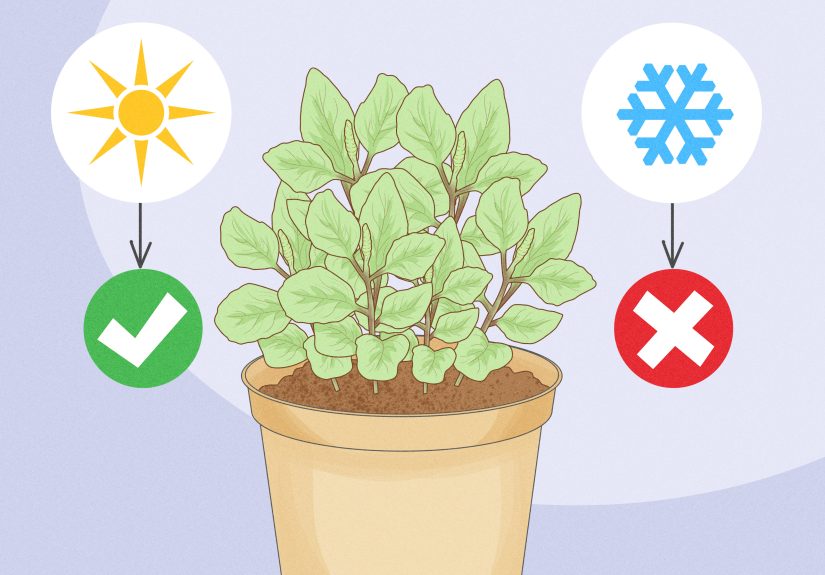
Solar lights run on optimism and sunlight, but mostly sunlight. If the panel does not get enough direct light during the day, the fixture will not perform well at night. That is not product betrayal. That is physics showing up uninvited.
Before buying, walk your yard and pay attention to how many hours of direct sun each area receives. A spot that looks bright to you may still be partially blocked by trees, fences, rooflines, or that one shrub that has decided it owns the property.
For many solar lights, strong performance depends on several hours of direct sunlight during the day. If the intended location is heavily shaded, choose one of these options:
- Use a light with a separate solar panel that can be placed in a sunnier spot.
- Choose a lower-output decorative fixture that requires less stored power.
- Move the light to a location with better exposure, even if that means adjusting your layout.
Also, give new solar lights a full initial charge before judging them. Many perform better after their first complete day in the sun. If you install them straight from the box at dusk and then declare them “useless,” you may be the impatient one in this relationship.
Choose Battery Quality and Runtime Carefully
A solar light is only as good as the battery storing its daytime charge. Outdoor solar fixtures commonly use rechargeable batteries, and battery quality affects how long the light runs, how bright it stays, and how well it performs through seasons.
When comparing options, look for clear information about runtime. A good target for many yards is enough operation to cover the busiest evening hours, not necessarily every minute until sunrise. Some lights will shine all night in summer and much less in winter. That is normal. Shorter days and weaker sun mean less charging time.
It is also worth checking whether the battery is replaceable. This small detail can make a big difference in long-term value. A stylish fixture that dies completely when the battery wears out is not a bargain. It is yard clutter with memories.
Match the Fixture to Your Climate
Outdoor lighting has to survive heat, rain, dust, humidity, cold snaps, sprinkler spray, and the occasional accidental kick from someone carrying mulch. So durability matters.
Look for weather-resistant materials and a suitable IP rating, especially if the light will sit in an exposed area. Plastic can be fine when it is high quality, but cheap thin plastic often fades, cracks, or gets brittle faster than you would like. Metal housings can look more premium, though they should still be built for outdoor use.
If you live in a region with intense sun, coastal moisture, frequent storms, or freeze-thaw cycles, spend a little more for better construction. This is one of those times when the cheapest option can become the most expensive option after one rough season.
Think About Color Temperature and Mood
Brightness gets all the attention, but color temperature can completely change how your yard feels. Warm light tends to create a cozy, welcoming look. Cooler light can feel crisper and more modern, but it may also come across as harsh if overused.
For most residential yards, warm white lighting is the safer and prettier choice. It flatters plants, stone, wood, and outdoor furniture, and it makes entertaining spaces feel relaxed rather than clinical. Cooler light can still be useful for security zones or very contemporary designs, but if your backyard starts looking like a grocery store parking lot, you have gone too far.
Good solar lighting should help people see while still letting the yard feel like a yard. Cozy beats sterile almost every time.
Pay Attention to Controls and Smart Features
Some solar lights simply turn on at dusk and off at dawn. Others include motion sensors, brightness settings, timers, or multiple lighting modes. These features can be very useful, especially when battery conservation matters.
Dusk-to-Dawn
Best for pathway lighting, deck edges, and decorative fixtures you want glowing every evening.
Motion-Activated
Best for security lighting, side yards, garages, gates, and darker corners where full brightness is only needed when someone passes by.
Adjustable Modes
Useful if you want different behavior in different seasons, such as a dim all-night setting or a bright burst when motion is detected.
In many yards, motion sensors are a smart choice because they help preserve battery life while still adding visibility where it counts. They also reduce unnecessary light spill, which your neighbors, night sky, and local moth population may appreciate.
Plan Placement Like a Designer, Not a Dart Thrower
The difference between “beautifully lit yard” and “random glowing confusion” is usually placement. Resist the urge to line everything up like toy soldiers. Outdoor lighting looks better when it feels intentional and balanced.
For Paths and Walkways
Space lights so they guide movement without over-lighting every inch. You do not need runway energy. A gentle rhythm is enough. Often, alternating placement along a path looks more natural than putting fixtures directly opposite each other.
For Trees and Architecture
Use spotlights selectively. Highlight a pretty trunk, stone wall, entry feature, or specimen plant, but do not spotlight everything. When every object is the star, nothing is.
For Patios and Seating Areas
Layer light. Combine solar string lights overhead with a few lanterns or low accent lights nearby. This creates dimension and makes the space feel welcoming rather than flat.
For Steps and Edges
Low-profile deck or step lights help prevent missed footing while keeping the look clean and polished.
Try to hide the source of light when possible and focus on the effect. Shielded, downward-directed fixtures often look more refined and reduce glare. Your goal is to illuminate the yard, not show off the bulb like it is auditioning for a talent show.
Do Not Ignore Maintenance
Solar lights are low maintenance, not no maintenance. Dust, pollen, leaves, bird gifts, and general outdoor grime can block the panel and reduce charging performance. Give the solar panel a quick cleaning now and then, especially during peak growing season.
It is also smart to:
- Trim plants that start shading the panel.
- Check for water intrusion after storms.
- Replace worn batteries if the design allows it.
- Reposition lights seasonally if sun patterns change.
A five-minute cleanup can make a noticeable difference. Solar lights are a little like houseplants: easy enough, but still offended if you forget they exist.
How to Build a Balanced Solar Lighting Plan
If you are choosing solar lighting for your yard from scratch, a simple formula works well:
- Light the route: Add path lights where people walk.
- Light the purpose: Use brighter fixtures where visibility or security matters.
- Light the mood: Add string lights, lanterns, or accents where people gather.
- Light one feature: Highlight a tree, planter, wall, or architectural detail.
- Edit ruthlessly: Remove any fixture that adds clutter, glare, or “mall parking lot at midnight” energy.
This layered approach usually looks more custom, performs better, and avoids the common mistake of buying one fixture type and using it everywhere. A yard needs variety, not a clone army.
Common Mistakes to Avoid
- Choosing based on looks alone: Pretty fixtures still need enough sun and the right brightness.
- Ignoring shade patterns: Morning sun, afternoon shade, and tree cover matter.
- Using bright security lights for ambience: Romantic patio dinners and floodlight intensity are not close friends.
- Over-lighting the yard: More fixtures do not automatically mean a better result.
- Buying flimsy materials: Outdoor lighting should survive outdoor life.
- Skipping the specs: Runtime, controls, replaceable batteries, and weather resistance matter.
Final Thoughts
The best solar lighting for your yard is not the most expensive, the brightest, or the trendiest. It is the set of fixtures that matches how you use the space, how much sun the area gets, and what kind of atmosphere you want after dark. Great solar lighting blends function and mood. It guides footsteps, highlights what is worth noticing, and makes the yard feel finished without looking forced.
So choose with purpose. Measure the sunlight. Respect the lumens. Buy for your climate. And remember: the ideal backyard glow says, “Come outside and relax,” not, “Please report to the loading dock for inspection.”
Real-World Experiences With Solar Yard Lighting
One of the most useful things homeowners learn after living with solar lighting for a season is that the best setup rarely comes from buying a giant matching set all at once. The better results usually come from a little trial and error. Someone starts with a few path lights by the front walk, realizes the side yard still feels gloomy, adds a motion light near the gate, then finishes the patio with string lights once they see how often the space gets used at night. In other words, the yard teaches the plan.
A very common experience is discovering that sunlight in the yard is not as obvious as it seemed at first. A spot that looks bright at noon may actually get poor charging conditions because a fence, tree canopy, or roofline blocks the panel for half the day. This is why some people fall in love with a fixture online, install it in a shady corner, and then spend the next week blaming the light when the real issue is location. Once they move the same fixture three feet over into stronger sun, it suddenly behaves like the product description promised. Backyard drama, resolved.
Another real-life lesson is that brightness feels different outdoors than it does on a screen. Plenty of buyers think they want the brightest possible path lights, only to realize that softer lighting often looks more expensive and more inviting. Moderate light that gently guides people along a walkway usually feels better than harsh beams aimed at ankles. Meanwhile, brighter solar flood or motion lights prove their value near driveways, garages, sheds, and side entrances where visibility matters more than atmosphere.
Homeowners also tend to appreciate layered lighting more after they see it in action. A single type of fixture can do the job, but a mix of path lights, accents, and overhead glow creates a yard that feels designed rather than merely lit. String lights over a patio make evening dinners feel intentional. A spotlight on a tree adds depth. Step lights quietly improve safety without shouting for attention. Once people experience that layering, they rarely want to go back to one-note lighting.
There is also the maintenance reality. Solar lights are not difficult, but they do reward a little attention. Panels get dusty. Leaves pile up. Garden growth changes shade patterns over the summer. Many owners notice a big improvement just by wiping down panels and trimming nearby plants. It is one of those satisfying outdoor chores because the reward is immediate: cleaner panel, better charge, brighter night.
Finally, many people report that the biggest surprise is how much solar lighting changes how often they use the yard. Spaces that once felt invisible after sunset suddenly become part of daily life. The patio hosts longer conversations. The garden looks alive at night. The dog gets escorted outside with dignity instead of with a phone flashlight held under someone’s chin like a campfire ghost story. Good solar lighting does not just brighten a yard. It extends the life of it.