Table of Contents >> Show >> Hide
- What Is a Browser Type?
- What Is a Browser Version?
- Why You May Need to Find Your Browser Type and Version
- Quick Method: Use the Browser’s “About” Page
- How to Find Your Google Chrome Browser Type and Version
- How to Find Your Mozilla Firefox Browser Type and Version
- How to Find Your Microsoft Edge Browser Type and Version
- How to Find Your Apple Safari Browser Type and Version
- How to Find Your Opera Browser Type and Version
- How to Find Your Brave Browser Type and Version
- How to Find Your Browser Version on Android
- How to Find Your Browser Version on iPhone or iPad
- How to Use a Browser Detection Website
- What Is a User Agent?
- Browser Type vs. Rendering Engine: What Is the Difference?
- How to Tell If Your Browser Is Outdated
- How Often Should You Check Your Browser Version?
- Tips for Sharing Browser Details With Technical Support
- Common Problems When Checking Browser Version
- Best Practices for Keeping Your Browser Healthy
- Real-World Experience: Why Browser Version Checks Matter More Than People Think
- Conclusion
At some point, every internet user is asked the strangely technical question: “What browser are you using?” It usually happens when a website breaks, a support agent needs details, or an online form behaves like it woke up on the wrong side of the server. The good news is that finding your browser type and version is much easier than it sounds. You do not need to be a programmer, a network engineer, or the person in the family who “knows computers.” You simply need to know where to look.
Your browser type is the name of the browser you use to access the web, such as Google Chrome, Mozilla Firefox, Microsoft Edge, Apple Safari, Opera, Brave, or Samsung Internet. Your browser version is the specific release number installed on your device. It may look like “124.0.6367.91” or “17.4.” Not exactly poetry, but very useful when troubleshooting.
This guide explains how to check your browser type and version on desktop and mobile devices, why the information matters, and what to do if your browser is outdated. Think of it as a quick health check for your internet windowthe one you probably have 37 tabs open in right now.
What Is a Browser Type?
A browser type is simply the browser application you are using. It is the software that loads websites, handles tabs, saves bookmarks, remembers passwords if you allow it, and quietly judges you for searching “how long can pizza stay in the fridge” at midnight.
Common browser types include:
- Google Chrome
- Mozilla Firefox
- Microsoft Edge
- Apple Safari
- Opera
- Brave
- Samsung Internet
Knowing your browser type helps when a website works in one browser but not another. For example, a banking site might work perfectly in Chrome but refuse to load correctly in an older Safari version. A school portal, business dashboard, or streaming service may also require a modern browser to function properly.
What Is a Browser Version?
A browser version is the release number of your browser. Developers update browsers regularly to improve security, fix bugs, add features, and keep up with modern web standards. If your browser version is old, websites may load slowly, display incorrectly, or block you from using certain features.
Browser versions often include several numbers. For example, a Chrome version might look like this:
124.0.6367.91
The first number usually identifies the major version. The other numbers help developers and support teams identify smaller updates, bug fixes, and build details. You do not need to memorize the meaning of every digit. You only need to copy the full version number when a website, IT team, or support agent asks for it.
Why You May Need to Find Your Browser Type and Version
There are several practical reasons to check your browser information. First, browser versions affect website compatibility. Modern websites use current web technologies, and outdated browsers may not support them well. That can lead to broken buttons, missing images, login problems, video playback errors, or shopping carts that act like they joined a witness protection program.
Second, browser updates often include security improvements. Since your browser is the main doorway between your device and the web, keeping it updated helps protect you from known vulnerabilities. Third, technical support teams often need your browser details to reproduce a problem. Saying “the website is broken” is helpful. Saying “I’m using Firefox version 125 on Windows 11” is much more helpful.
Finally, checking your browser version can help you understand whether a feature should be available. Some browser features roll out gradually or only work in newer versions. If a tutorial says, “Click the new privacy dashboard,” but you cannot find it, your browser version may be the reason.
Quick Method: Use the Browser’s “About” Page
The fastest and most reliable way to find your browser type and version is to open the browser’s built-in “About” page. Almost every major browser includes one. This page usually displays the browser name, version number, and update status.
In many browsers, you can find it through a menu path like:
Menu > Help > About [Browser Name]
On desktop browsers, the menu is often represented by three dots, three lines, or the browser name in the top menu bar. Once you open the About page, the browser may automatically check for updates. That is normal. Let it finish, then restart the browser if prompted.
How to Find Your Google Chrome Browser Type and Version
On Windows, Mac, Linux, or Chromebook
To check your Chrome version on a computer, open Google Chrome and click the three-dot menu in the top-right corner. Select Help, then choose About Google Chrome. Chrome will show the installed version number and usually check for updates automatically.
You can also type this into the address bar:
chrome://settings/help
Press Enter, and Chrome will open the About Chrome page directly. This is a handy shortcut if you enjoy feeling like you discovered a secret door inside your browser.
On Android
On Android, Chrome updates are usually managed through the Google Play Store. To check the app version, open your device’s Settings, go to Apps, select Chrome, and look for version information. You can also open the Play Store, search for Chrome, and see whether an update is available.
On iPhone or iPad
On iPhone or iPad, open the App Store, search for Google Chrome, and check the app listing for version details. You can also open Chrome, tap the three-dot menu, go to Settings, and look for information about Chrome, depending on the current app layout.
How to Find Your Mozilla Firefox Browser Type and Version
On Windows, Mac, or Linux
Open Firefox and click the three-line menu button in the top-right corner. Choose Help, then select About Firefox. A small window will appear showing the Firefox version. Firefox may automatically check for updates while this window is open.
On some systems, especially Linux distributions, Firefox updates may be managed by your system’s software manager rather than directly inside the browser. If the About Firefox window does not update the browser, check your operating system’s update tool.
On Android or iOS
On mobile devices, open Firefox and go to the browser menu. Look for Settings and then an About Firefox section. If you cannot find it quickly, check the app store listing for Firefox, where version information and update availability are usually displayed.
How to Find Your Microsoft Edge Browser Type and Version
On Windows or Mac
Open Microsoft Edge and click the three-dot menu in the top-right corner. Select Settings, then choose About Microsoft Edge. The page will show your Edge version and check whether updates are available.
You can also type this into the address bar:
edge://settings/help
Press Enter, and Edge will take you directly to the version page. If an update is available, Edge may download it and ask you to restart the browser.
On Mobile
On Android or iPhone, open the Edge app, tap the menu button, and go to Settings. Look for About Microsoft Edge or similar app information. You can also check the Google Play Store or Apple App Store listing to confirm the installed version and available updates.
How to Find Your Apple Safari Browser Type and Version
On Mac
Open Safari. In the top menu bar, click Safari, then choose About Safari. A small window will display the Safari version number. This is the most direct way to find your Safari browser version on a Mac.
Safari updates are closely tied to macOS updates. If Safari is outdated, open System Settings, go to General, then select Software Update. Installing available macOS updates may also update Safari.
On iPhone or iPad
On iPhone and iPad, Safari is built into iOS and iPadOS. You usually do not update Safari separately. To check your system version, open Settings, tap General, then choose About. To update Safari, go to Settings, tap General, and select Software Update.
How to Find Your Opera Browser Type and Version
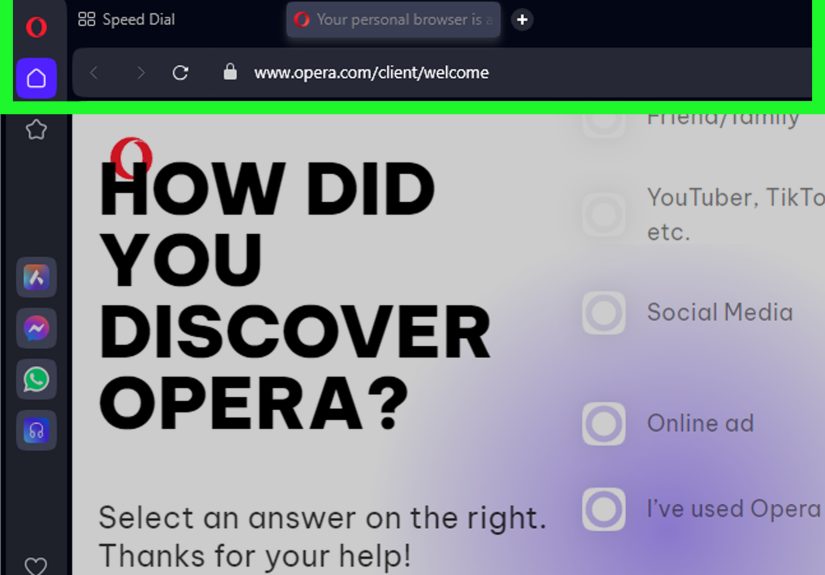
Open Opera and click the Opera menu. On Windows, you may find it in the top-left corner. On Mac, use the Opera menu in the menu bar. Look for Update & Recovery or About Opera. Opera will display the browser version and may check for updates automatically.
You can also try typing this into the address bar:
opera://about
This opens Opera’s internal information page, where you can view the installed version and update status.
How to Find Your Brave Browser Type and Version
Open Brave and click the menu button. Go to Help, then select About Brave. Brave will display the installed version and check for available updates. Since Brave is based on Chromium, its version page may feel familiar if you have used Chrome or Edge.
You can also type:
brave://settings/help
This shortcut takes you directly to the About Brave page. If an update downloads, restart Brave when prompted.
How to Find Your Browser Version on Android
Android gives you two common ways to check a browser version. The first method is through the browser itself. Open the browser, go to the menu, tap Settings, and look for About. This works for many browsers, including Firefox, Edge, Brave, and Opera.
The second method is through Android settings. Open your phone’s Settings, tap Apps, select the browser app, and look for version details near the bottom of the app information screen. The exact labels may vary by Android manufacturer, but the general idea is the same.
You can also check the Google Play Store. Search for your browser, open its listing, and see whether the button says Open or Update. If it says Update, your browser is not on the latest available version for your device.
How to Find Your Browser Version on iPhone or iPad
On iPhone and iPad, many third-party browsers update through the App Store. Open the App Store, search for the browser, and check whether an update is available. For Chrome, Firefox, Edge, Brave, or Opera, the app listing may show version information under app details.
Safari works differently because it is part of iOS and iPadOS. To update Safari, you update the operating system. Go to Settings, tap General, then select Software Update. If an update is available, install it to receive the latest Safari improvements supported by your device.
How to Use a Browser Detection Website
Another easy option is to use a browser detection website. These sites can automatically display your browser name, version, operating system, screen size, and sometimes your user agent string. This can be useful when a support team says, “Please send us your browser details.” Instead of digging through menus, you can copy the information from the detection page.
However, browser detection websites are not perfect. Some browsers share similar technology. Chrome, Edge, Brave, and Opera are all Chromium-based, so detection tools may need extra signals to tell them apart. Privacy settings, extensions, and user-agent changes can also affect what these tools report.
For the most accurate result, use the browser’s own About page first. Use browser detection websites as a convenient backup, especially when you need to send technical details quickly.
What Is a User Agent?
A user agent is a line of text your browser can send to websites. It may include browser name, version, operating system, device type, and rendering engine information. Websites sometimes use it to decide which version of a page to show.
Here is a simplified example of what a user agent might look like:
Mozilla/5.0 … Chrome/124.0.0.0 Safari/537.36
That string looks messy because it carries a long history of browser compatibility. Many modern browsers include references to other browser names for compatibility reasons. This is why user-agent detection can be confusing. A browser may contain “Safari” or “Chrome” in its user agent even when the actual browser is something else.
For regular users, the lesson is simple: do not rely only on the user agent when you need exact browser information. The About page is clearer.
Browser Type vs. Rendering Engine: What Is the Difference?
Your browser type is the product name, such as Chrome, Edge, Firefox, or Safari. The rendering engine is the technology that interprets web code and displays pages. For example, Chrome, Edge, Brave, and Opera use Chromium-based technology. Firefox uses Gecko. Safari uses WebKit.
Most users do not need to think about rendering engines, but they matter when troubleshooting website behavior. A website bug may appear in all Chromium-based browsers but not in Firefox or Safari. That clue helps developers narrow down the problem.
If a support team asks for your browser type, give them the browser name and version. If they ask whether the problem happens in another browser, test with a browser from a different family. For example, if the issue happens in Chrome, try Firefox or Safari instead of only trying Edge, because Edge and Chrome are closely related under the hood.
How to Tell If Your Browser Is Outdated
The easiest sign is an update message on the About page. Chrome, Firefox, Edge, Brave, and Opera commonly check for updates when you open their About section. If the browser downloads an update, restart it to complete the process.
Other signs include website warnings, missing features, video playback problems, broken layouts, and security alerts. If a website says your browser is no longer supported, check your browser version immediately. Sometimes the browser itself is current, but your operating system is too old to receive the newest browser updates.
This is especially important on older phones, tablets, and computers. A browser can only update as far as the operating system allows. If your device no longer supports modern updates, some websites may eventually stop working correctly.
How Often Should You Check Your Browser Version?
You do not need to check your browser version every morning before coffee. That would be a dramatic start to the day. For most people, checking once in a while is enough because major browsers update automatically.
Still, it is smart to check your browser version in these situations:
- A website does not load correctly.
- You cannot log in to an account.
- A payment page fails.
- Video or audio will not play.
- A support agent asks for your browser details.
- You see a message saying your browser is unsupported.
- You have not restarted your browser or computer in a long time.
A quick version check can save you from clearing cookies, resetting passwords, reinstalling apps, or blaming the Wi-Fi router for crimes it did not commit.
Tips for Sharing Browser Details With Technical Support
When asking for help, include the browser name, full version number, device type, operating system, and a short description of the problem. This gives support teams enough context to understand what is happening.
For example, instead of writing:
“The site does not work.”
Write:
“I’m using Google Chrome version 124.0.6367.91 on Windows 11. The login button does not respond after I enter my password.”
That second message is much more useful. It tells the support team what browser environment you are using and where the problem occurs. Bonus points if you include a screenshot, but avoid sending personal information, passwords, or payment details.
Common Problems When Checking Browser Version
The About Page Is Missing
If you cannot find the About page, check the browser’s Settings menu. Some browsers place version details under Help, while others place them under About, App Info, or Update.
The Browser Says It Is Managed
On school or work devices, the browser may be managed by an organization. That means updates and settings may be controlled by an administrator. You can still view the browser version, but you may not be able to update it yourself.
The Browser Will Not Update
If your browser will not update, restart the browser and try again. If that fails, restart your device. On mobile, check the app store. On desktop, check your operating system updates. If you are using an older operating system, the newest browser version may not be available.
The Website Still Says the Browser Is Outdated
Sometimes a website incorrectly detects your browser. Clear the site cache, disable suspicious extensions, or test in a private window. You can also try another browser to see whether the warning disappears.
Best Practices for Keeping Your Browser Healthy
Finding your browser type and version is useful, but keeping the browser healthy is even better. Enable automatic updates when possible. Restart your browser regularly so updates can finish installing. Remove extensions you no longer use. Clear cached data when a specific website behaves badly. Keep your operating system updated, because browser updates often depend on system compatibility.
Also, avoid downloading browsers from random websites. Use official browser websites or trusted app stores. A fake browser installer can cause more trouble than the original problem. The internet is full of helpful tools, but it also has digital raccoons digging through the trash. Be picky about what you install.
Real-World Experience: Why Browser Version Checks Matter More Than People Think
In everyday life, most people do not think about browser versions until something breaks. That is completely normal. Browsers are designed to feel invisible. You open one, type a website address, and expect the page to appear. When everything works, the browser is like plumbing: important, but not exactly dinner conversation.
But browser version checks can solve surprisingly stubborn problems. Imagine a student trying to submit an online assignment before the deadline. The upload button refuses to work. Panic begins. The student refreshes the page, renames the file, tries a different Wi-Fi network, and briefly considers negotiating with the laptop like it is a tiny metal goblin. Then they check the browser version and discover it is outdated. One update and restart later, the upload works.
Or picture a small business owner trying to access an online payment dashboard. The page loads, but the sales report appears blank. The business owner may assume the service is down or the account has a problem. In reality, an older browser version may not support a script the dashboard now uses. Checking the browser type and version gives the support team the clue they need to recommend an update or a different browser.
Another common situation happens with online forms. Government forms, insurance portals, school applications, medical appointment systems, and job application websites can be picky. If the form freezes halfway through, your browser version is one of the first things to check. It is not glamorous, but it is practical. Nobody wants to fill out a 12-page form twice because the browser was running on ancient digital dust.
Browser version details are also useful when comparing devices. A website may work on your phone but fail on your laptop. That does not always mean the website is broken. Your phone may have a newer browser version, while your laptop browser has not been restarted in weeks. Many browsers download updates in the background but do not finish installing until you close and reopen them. If you are the kind of person who keeps 58 tabs open “for later,” your browser may be politely waiting for retirement.
From a support perspective, browser details reduce guesswork. Without them, helpers must ask broad questions: What device are you using? Is your software updated? Does the issue happen everywhere? With the browser name and version, troubleshooting becomes more focused. A support team can check known bugs, compatibility notes, or recent changes affecting that browser release.
For website owners, browser version information is even more valuable. If many users report issues from the same browser version, developers can investigate a specific compatibility problem. If only outdated browsers are affected, the website owner can decide whether to provide a fallback message, adjust code, or recommend an update. Good troubleshooting begins with good details.
The habit is simple: when something online behaves strangely, check your browser type and version before assuming the worst. It takes less than a minute, and it can save a lot of frustration. In the grand drama of internet troubleshooting, the browser version is often the quiet side character who solves the mystery in the final act.
Conclusion
Finding your browser type and version is one of the easiest ways to troubleshoot website problems, confirm compatibility, and keep your online experience secure. Whether you use Chrome, Firefox, Edge, Safari, Opera, Brave, or another browser, the fastest path is usually the built-in About page. On mobile, you can also check your device settings or app store listing.
You do not need to understand every technical detail behind browser engines, user agents, or update channels. Just remember the essentials: browser name, version number, device, and operating system. Those details can help you solve login issues, display errors, update problems, and support requests much faster.
So the next time a website misbehaves, do not immediately blame your computer, the internet, or Mercury in retrograde. Check your browser type and version first. It may be the tiny clue that fixes the whole mess.