Table of Contents >> Show >> Hide
- First: Netflix Isn’t Doing a Free Trial in the U.S.
- What “Free Netflix” Usually Means (Spoiler: It’s Not Magic)
- Legal Ways to Get Netflix for Free (or $0 Out-of-Pocket)
- 1) Get Netflix Included with Your Mobile Plan (The “Carrier Pays” Method)
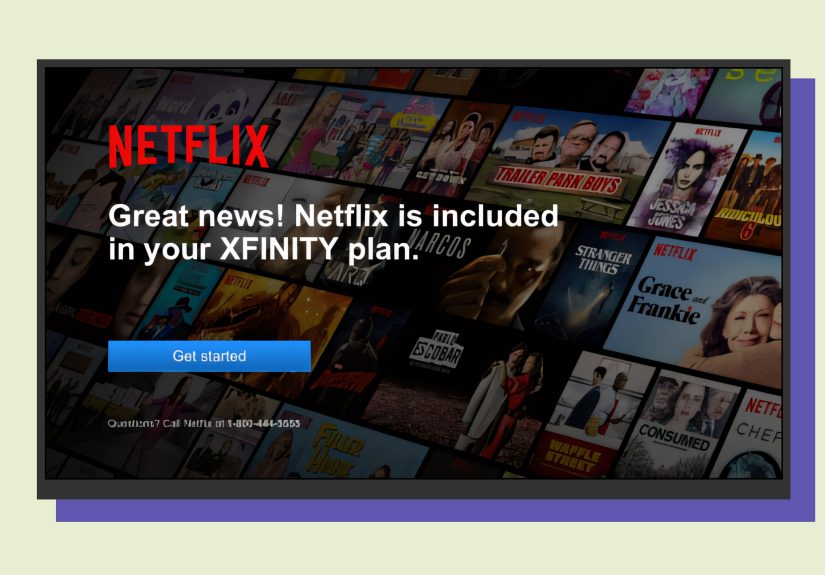
- 2) Get Netflix Included with Your Internet Plan (Xfinity/Comcast Bundles)
- 3) Use Netflix the Way Netflix Allows: One Household, Multiple Profiles
- 4) Ask for Netflix as a Gift (Yes, Really)
- 5) Lower Your Netflix Cost to “Basically Free” with Smart Subscription Strategy
- What to Avoid: “Free Netflix” Scams and Risky Hacks
- FAQ: Common Questions About Getting Netflix for Free
- How to Pick the Best Option for You
- Conclusion: Free Netflix ExistsJust Not the Way the Internet Promises
- Real-Life Experiences People Have When Trying to Get Netflix for Free (500+ Words)
“Free Netflix” is one of those phrases that lives in the same internet neighborhood as “one weird trick,” “doctors hate it,” and “click here to meet singles who definitely aren’t bots.” Sometimes there are legit ways to watch Netflix without paying Netflix directlybut most “free” promises are either temporary, bundled into something you already pay for, or straight-up scams.
This guide breaks down the real, legal, in-the-United-States ways people reduce their Netflix bill to $0 (or close to it), what Netflix officially allows, what it doesn’t, and how to spot shady offers before they spot your credit card.
First: Netflix Isn’t Doing a Free Trial in the U.S.
If you’re hoping for the classic “sign up, binge, cancel before the trial ends” routineNetflix has moved on. Netflix’s own Help Center states it does not offer free trials (in the U.S. and generally). So any website promising a “2026 Netflix free trial link” is basically handing you a neon sign that says: “Proceed to Scamville.”
What “Free Netflix” Usually Means (Spoiler: It’s Not Magic)
In 2026, “getting Netflix for free” typically falls into one of these buckets:
- Bundled with a phone or internet plan (a partner pays Netflix, or discounts it heavily).
- Paid for by someone else (gift cards, family household, or a plan owner footing the bill).
- Strategic cost control (using the lowest plan, rotating subscriptions, or using perks so your out-of-pocket cost is minimal).
And then there’s the fourth bucket“free Netflix account generators,” “shared accounts for $2,” “download this APK”which is just a fancy way to say identity theft speedrun. We’ll cover how to avoid that later.
Legal Ways to Get Netflix for Free (or $0 Out-of-Pocket)
1) Get Netflix Included with Your Mobile Plan (The “Carrier Pays” Method)
The most common legitimate route to “free Netflix” in the U.S. is through certain phone plans. Instead of you paying Netflix directly, your carrier covers a Netflix plan (often the ad-supported tier) as a plan benefit.
T-Mobile: “Netflix on Us”
T-Mobile has long offered Netflix as a perk on eligible plans. The details matter: eligibility depends on the plan and number of lines, and the included tier is commonly the ad-supported Netflix plan, with upgrade options where you pay the difference. If you already pay for a qualifying plan, this can effectively make your Netflix cost $0.
Real-world example: If your household already has a qualifying T-Mobile plan, you may be able to activate Netflix through T-Mobile and stop paying Netflix separately. The “free” part is that you’re not paying Netflix directly; it’s included in what you’re already paying for service.
What to watch for:
- Some plans don’t qualify (prepaid and certain budget options often don’t).
- You typically need to activate/opt in and link your Netflix account correctly.
- If you upgrade to a higher Netflix tier, you’ll pay the difference.
Verizon: Netflix Bundles and Perks
Verizon has offered Netflix bundles/perks where Netflix is paired with another streaming service for a set monthly price (often focusing on ad-supported tiers). While this may not make Netflix literally $0 by itself, it can make Netflix feel “free” because you’re effectively paying what you’d pay for one service and getting two.
Cost logic (simple version): If you were going to pay for Service A anyway, and the bundle price is close to Service A’s cost, then Netflix becomes an add-on at little to no extra cost.
2) Get Netflix Included with Your Internet Plan (Xfinity/Comcast Bundles)
Comcast’s Xfinity has offered streaming bundles (notably StreamSaver) that combine services like Netflix (usually Standard with ads), Peacock, and Apple TV+ at a discounted package price. Again, not “free” in the universal sensebut if you already use multiple services or you value the bundle, Netflix can effectively become a no-extra-cost line item in your monthly entertainment budget.
Pro tip: Bundles change. Treat them like grocery store deals: great when you’ll actually use what’s in the cart, not great when you’re paying for three apps to watch one show.
3) Use Netflix the Way Netflix Allows: One Household, Multiple Profiles
Netflix accounts are intended for a single household. Everyone who lives in that household can use the account, and the plan tier determines how many devices can stream at the same time. If your household already has Netflix, the “free” path for you is simple: be part of the household plan and use your own profile.
The key here is household. Netflix has tightened enforcement around account sharing outside the household. If you’re trying to use a cousin’s login from across the country, Netflix may prompt for verification or push that viewer toward creating their own account.
Bottom line: If you genuinely live together, sharing the cost in one household is normal. If you don’t, assume it’ll get harder over time.
4) Ask for Netflix as a Gift (Yes, Really)
Netflix gift cards are a legitimate way to pay for Netflix without a credit cardand they’re also a very normal gift. Birthday? Graduation? “Sorry I forgot your birthday” birthday? Netflix gift card.
This doesn’t make Netflix “free” in the cosmic sense, but it makes it free to you. If someone gives you a $50 gift card, that’s several months of viewing on the ad-supported tier.
Safety note: Only buy gift cards from reputable retailers, and never share the code with strangers “to verify it.” That’s not verification; that’s theft with extra steps.
5) Lower Your Netflix Cost to “Basically Free” with Smart Subscription Strategy
If “free” isn’t realistic for your situation, the next best thing is paying as little as possible without sacrificing your sanity.
Choose the cheapest tier that fits your life
Netflix’s lowest-cost option is typically the ad-supported plan. If you mostly watch on a phone/tablet or you’re not sensitive to ads, it’s the easiest way to keep costs down.
Rotate streaming subscriptions
One of the most underrated ways to “get Netflix for free” is to stop paying for services you’re not watching. Subscribe for a month, watch what you want, cancel, then switch to another service for a month. You don’t need seven streaming services at once unless you’re building a museum exhibit called “The Evolution of Subscription Fatigue.”
Example rotation: Netflix in January (new season drop), a different service in February, then back to Netflix when your must-watch list refills.
Share costs inside the rules
In a real household, cost-sharing is straightforward: one person pays, everyone uses profiles. If you’re in a household where money logistics are complicated, agree on a simple split (Venmo/Zelle/whatever you use) and keep it consistent.
What to Avoid: “Free Netflix” Scams and Risky Hacks
Account generators, “lifetime accounts,” and $1 logins
These are almost always stolen credentials or compromised accounts. If you use them, you’re not getting a dealyou’re participating in fraud, and you may also be handing your device a souvenir called malware.
Browser extensions that “unlock Netflix”
Some extensions exist purely to capture passwords, hijack sessions, or inject ads. If a tool promises to “unlock paid streaming,” assume it’s trying to unlock your bank account next.
Phishing emails and fake support chats
Scammers love sending “Your Netflix payment failed” messages with links to fake login pages. The safe move is simple: don’t click. Open Netflix in your own browser/app and check your account status there.
FAQ: Common Questions About Getting Netflix for Free
Is it legal to get Netflix for free?
Yesif it’s through legitimate promotions (like carrier perks), a household plan you’re entitled to use, or a gift card. It’s not legal (and not smart) if it involves stolen accounts, piracy, or bypassing paywalls.
Does Netflix have student discounts in the U.S.?
Netflix generally doesn’t run a standard student discount program in the U.S. If you see “student discount Netflix,” it’s usually either outdated information or a third-party bundle that’s not actually Netflix-controlled.
Can I share Netflix with friends who don’t live with me?
Netflix’s policy is oriented around one household. Sharing outside your household may trigger verification steps or require the other person to get their own account. If you want to help someone watch, consider gifting a month via gift card instead of juggling passwords like it’s a hot potato.
What’s the safest “free” method?
The safest methods are: (1) carrier/internet bundles from major providers, (2) using Netflix within your household, and (3) gift cards purchased from reputable retailers. Anything involving random websites, downloads, or “cheap shared accounts” is high-risk.
How to Pick the Best Option for You
Use this quick decision filter:
- You already have a qualifying phone plan: Activate the included Netflix perk and stop paying Netflix separately.
- You pay for multiple streaming services: Compare bundle pricingif it replaces things you already pay for, it’s a win.
- You live with family/roommates: Use one household account and split costs fairly.
- You just want to try Netflix: There’s no free trial, so do one month on the lowest tier and cancel if it’s not for you.
- You see a “free Netflix hack” online: Close the tab like it’s a microwave on fire.
Conclusion: Free Netflix ExistsJust Not the Way the Internet Promises
The honest truth: Netflix isn’t handing out free trials, and “free accounts” floating around the web are usually scams. But you can legitimately watch Netflix without paying Netflix directly by using carrier perks, internet bundles, or a household planplus you can cut your monthly cost dramatically by choosing the right tier and rotating subscriptions.
Think of it this way: the goal isn’t “free at any cost.” The goal is legal, safe, and smartso your entertainment budget stays under control and your passwords stay yours.
Real-Life Experiences People Have When Trying to Get Netflix for Free (500+ Words)
When people go hunting for “free Netflix,” the experience often starts the same way: a quick search, a hopeful scroll, and a sudden flood of sites that look like they were designed by a committee of pop-up ads. The first emotional beat is optimism“Surely there’s a simple promo I missed!”followed by confusion when half the results suggest downloading something that sounds like a suspicious breakfast cereal (“Netflix++ Premium Mod APK Deluxe”).
The folks who end up happiest usually take the boring path: they check whether their phone or internet provider includes Netflix. That’s where the “Oh wow, I already pay for this” moment happens. A common scenario is someone paying Netflix monthly for years, then realizing their mobile plan includes a Netflix benefit. The activation step can be slightly annoyinglinking accounts, choosing a plan tier, confirming billing arrangementsbut once it’s done, it feels like finding money in a jacket pocket. Not life-changing money, but enough to make you smile and possibly buy nicer coffee.
Another common experience is the “bundle math spiral.” People compare a Netflix plan, then compare a second streaming app they already pay for, then spot a bundle that looks cheaper, then realize the bundle is only discounted if you have an eligible plan, then discover they’d have to switch plans, then question every life decision that led to owning seven subscriptions at once. The best outcomes happen when people write it down like a tiny budget exercise: “What do I pay now?” vs. “What would I pay with the bundle?” If the bundle replaces existing spending, it’s satisfying. If it adds a new monthly fee that “might be useful someday,” it becomes clutterdigital clutter that still charges you.
Householdsespecially with roommatesoften have the most practical “free Netflix” stories. Someone subscribes, creates profiles, and everyone is happy until the inevitable moment when two people try to watch at the same time and the plan’s device limit says, “Absolutely not.” That’s where household negotiations begin. The fun version: roommates agree to split the cost. The less fun version: passive-aggressive texts about who keeps watching reality shows at 2 a.m. The best strategy people land on is simple: pick the plan that matches actual viewing habits, then split the cost in a predictable way (monthly transfer, same date, no drama).
The worst experiences almost always involve scams. People report clicking “free Netflix” offers that ask them to “verify” by entering an email and password, or by completing endless survey pages. The common thread is that nothing ever unlocks Netflixbecause the goal was never to help you stream. The goal was to harvest credentials or push you into subscription traps. A good rule people learn the hard way: if you’re doing more than a couple of legitimate steps (like linking a carrier account), you’re probably being played.
Finally, there’s the experience of embracing the “one-month binge” approach. People subscribe for a month, watch what they came for, cancel, and return later. It feels oddly empowering, like you’re finally the one ghosting the subscription instead of the subscription ghosting your wallet. The first time someone cancels and realizes they can rejoin anytime, it changes how they view streaming: not as a permanent utility, but as a rotating service you control.
In the end, the most common lesson from real experiences is this: the legitimate paths to “free Netflix” are surprisingly normalperks, bundles, household use, gifts, and smart budgeting. The sketchy paths are loud, flashy, and almost always end with regret. Choose normal. Normal is underrated.