Table of Contents >> Show >> Hide
- First: What “Lightheaded” Usually Means (and What It’s Not)
- Don’t DIY These: When Lightheadedness Is an Emergency
- How to Get Rid of Lightheadedness: 9 Steps
- Step 1) Get saferight now (before you become gravity’s favorite)
- Step 2) Do the “quick fix” check: fluids, food, and fresh air
- Step 3) Rehydrate smarter: electrolytes count when you’ve been sweating
- Step 4) Stabilize blood sugar with “boring but effective” meals
- Step 5) Beat “stand-up dizziness” with slow transitions and circulation tricks
- Step 6) Audit your meds and supplements (because side effects love surprises)
- Step 7) Reset your nervous system: breathing, pacing, and the anxiety loop
- Step 8) If it’s more “spinning” than “faint,” consider vestibular help
- Step 9) Get the right checkup when it’s recurring, severe, or unexplained
- Prevention Cheat Sheet (Because “Not Getting Dizzy” Is Pretty Great)
- Conclusion
- Experience-Based Add-On: What Lightheadedness “Looks Like” in Real Life (Common Scenarios)
- Scenario 1: “I stood up and saw the universe briefly pixelate.”
- Scenario 2: “It hit in the grocery store aisle, right by the cereal.”
- Scenario 3: “After a workout, I felt weirdlike I was floating.”
- Scenario 4: “New medication, new me… except now I’m dizzy.”
- Scenario 5: “It wasn’t spinning, it was panic… then dizziness… then more panic.”
- Scenario 6: “I ignored it until I couldn’t.”
Lightheadedness is that annoying “I’m fine… wait, am I?” feelinglike your brain briefly forgets it’s supposed to keep the lights on.
It can show up when you stand too fast, skip lunch, sweat through your workout, start a new medication, or get hit with a wave of anxiety.
Most of the time it’s fixable with simple moves. Sometimes, it’s your body waving a red flag the size of Texas.
This guide walks you through 9 practical steps to get rid of lightheadednessfastplus how to tell the difference between “I need a snack”
and “I should get medical help today.” Along the way, you’ll see common causes like dehydration, orthostatic hypotension (blood pressure drops when you stand),
low blood sugar, anemia, medication side effects, and heart rhythm issues.
First: What “Lightheaded” Usually Means (and What It’s Not)
People use “dizzy” to describe different things. Lightheadedness often feels like faintness, wooziness, or “I might pass out.”
It’s commonly linked to reduced blood flow or oxygen delivery to the brainoften from low blood pressure, dehydration,
blood sugar dips, or anemia.
Vertigo is different: it’s the spinning/tilting sensation (like your room is auditioning for a carnival ride). Vertigo is often tied to inner-ear problems
and can benefit from specific treatments like vestibular therapy. You can have both, but the “spinning” clue matters.
Don’t DIY These: When Lightheadedness Is an Emergency
Call emergency services right away (in the U.S., call 911) if lightheadedness comes with:
- Stroke-like symptoms: sudden one-sided weakness or numbness, trouble speaking, confusion, vision changes, severe headache, or sudden trouble walking/balance
- Heart warning signs: chest pain/pressure, shortness of breath, fainting, or a racing/irregular heartbeat
- Severe dehydration or shock signs: confusion, extreme weakness, cold clammy skin, very fast breathing, or you can’t keep fluids down
- A serious fall or head injury after getting lightheaded
If you’re unsure, err on the side of caution. “I didn’t want to bother anyone” is not a medical strategy.
How to Get Rid of Lightheadedness: 9 Steps
Step 1) Get saferight now (before you become gravity’s favorite)
The first goal is simple: don’t fall. Lightheadedness can turn a normal day into an accidental stunt show.
Do this immediately:
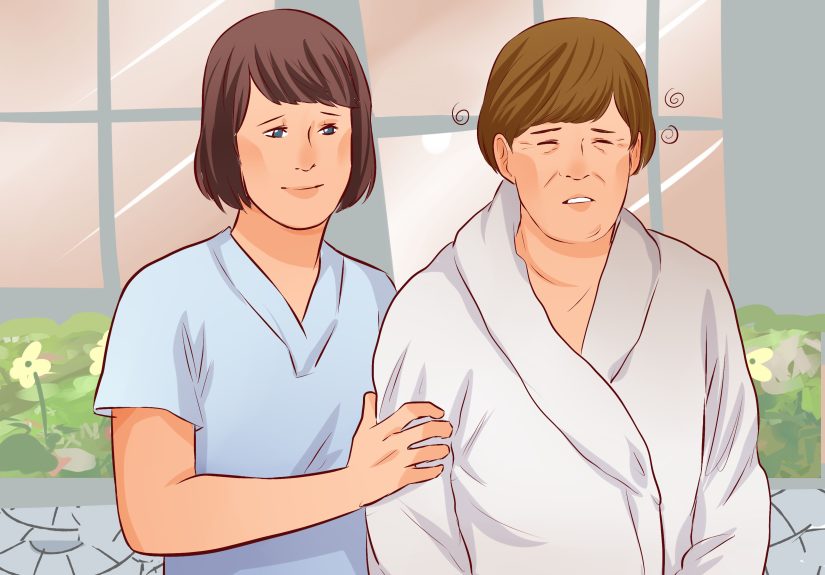
- Sit or lie down. If you can, lie flat and elevate your legs slightly.
- Lower your head if you’re seated (lean forward), especially if you feel like you may faint.
- Pause all risky activities: driving, climbing stairs fast, using power tools, “balancing on a chair because it’s faster than a ladder,” etc.
Give it 1–2 minutes. Many brief episodes resolve once your body catches up.
Step 2) Do the “quick fix” check: fluids, food, and fresh air
A lot of lightheadedness is basic maintenance your body is requesting in its least polite way.
Try these quick, low-risk fixes:
- Drink water (slowly, especially if you’re nauseated).
- Eat a small snack if you haven’t eaten in hourssomething with carbs plus a bit of protein (banana + peanut butter, crackers + cheese, yogurt).
- Loosen tight clothing around your neck/waist and get to cooler air if you’re overheated.
If you have diabetes or suspect low blood sugar, follow your clinician’s plan. If you don’t have a plan, a common approach is
a small amount of fast-acting carbohydrate (like juice or glucose tablets), then recheck how you feel.
If symptoms are severe, persistent, or you’re confused, seek urgent help.
Step 3) Rehydrate smarter: electrolytes count when you’ve been sweating
If you’re lightheaded after exercise, heat exposure, vomiting/diarrhea, or a day of forgetting water exists, you may need more than plain water.
Dehydration lowers blood volume, which can drop blood pressure and trigger faintness.
Consider an oral rehydration solution or an electrolyte drinkespecially if you’ve been sweating a lot or losing fluids.
The goal isn’t to chug a gallon in 30 seconds (your stomach will revolt). Instead:
- Take small, steady sips for 15–30 minutes.
- Pair fluids with a salty snack if appropriate for you (unless your clinician has you limiting salt).
- Avoid excess alcoholit’s basically hydration’s enemy wearing a fun hat.
Step 4) Stabilize blood sugar with “boring but effective” meals
Blood sugar dips can cause dizziness, weakness, shakiness, sweating, and that “I am suddenly not okay” feeling.
Even without diabetes, long gaps between meals or a high-sugar breakfast that crashes later can set you up for lightheadedness.
For prevention and faster recovery:
- Eat regular meals, especially breakfast if mornings are your danger zone.
- Build meals with protein + fiber + healthy fats (eggs + whole grain toast + fruit, chicken salad, beans and rice with veggies).
- If you’re prone to dips, keep pocket-friendly snacks (nuts, granola bar, crackers) so your body doesn’t start sending distress signals via dizziness.
Step 5) Beat “stand-up dizziness” with slow transitions and circulation tricks
If you get lightheaded when you stand, you may be dealing with orthostatic hypotensiona drop in blood pressure after rising.
It’s common with dehydration, after illness, with certain medications, and as we age.
Use this simple routine:
- From lying down: sit up first, wait 20–30 seconds, then stand.
- When standing: hold onto something the first few seconds.
- Flex your calf muscles or march in place before walking awayyour legs are basically blood’s storage unit.
- If episodes happen after meals, try smaller, more frequent meals (big meals can trigger post-meal blood pressure dips in some people).
- Ask your clinician if compression stockings make sense for you.
If this happens often, it’s worth discussing with a healthcare providerespecially if you’ve fainted.
Step 6) Audit your meds and supplements (because side effects love surprises)
Many medications can cause dizziness or lightheadedness, including some used for blood pressure, anxiety, depression, seizures, and fluid control (diuretics).
Sometimes the effect is strongest when you first start a medication, change doses, combine meds, or get dehydrated.
What to do:
- Don’t stop prescriptions abruptly unless you’ve been instructed to do sosome meds need tapering.
- Check labels for “dizziness” or “lightheadedness,” especially if you recently started something new.
- Bring a full list (including supplements and energy drinks) to your clinician or pharmacist and ask: “Could any of these be causing faintness?”
Bonus: alcohol and certain drug interactions can amplify dizziness. If lightheadedness follows drinking, the “solution” might be as simple as less alcohol and more water.
Step 7) Reset your nervous system: breathing, pacing, and the anxiety loop
Anxiety can cause lightheadedness through rapid breathing (hyperventilation), muscle tension, and adrenaline surges.
The worst part is the feedback loop: you feel woozy → you worry → you breathe faster → you feel even woozier.
Your brain then files it under “danger” and hits replay.
Try this quick reset:
- Exhale longer than you inhale. For example: inhale 4 seconds, exhale 6–8 seconds, repeat for 2 minutes.
- Grounding: name 5 things you see, 4 you feel, 3 you hear, 2 you smell, 1 you taste.
- Slow your pace for the next 10 minutesno heroic sprinting to “prove you’re fine.”
If panic episodes are frequent, treatment (therapy, breathing training, sometimes medication) can reduce symptoms dramatically.
Step 8) If it’s more “spinning” than “faint,” consider vestibular help
If your dizziness feels like spinning, tilting, or motion sensitivityespecially if it’s triggered by head movementyou might be dealing with a vestibular (inner ear) issue,
such as benign positional vertigo (BPPV) or vestibular neuritis.
Helpful moves include:
- Vestibular rehabilitation therapy (a structured exercise program that helps the brain adapt and reduce dizziness).
- Fall-proofing your environment during bad spells: good lighting, remove tripping hazards, move slowly.
- If you have new hearing loss, severe ongoing symptoms, or neurologic changes, get evaluated promptly.
Important: some anti-dizziness medications are meant for short-term relief and can slow recovery if used too long in certain vestibular conditionsso follow clinician guidance.
Step 9) Get the right checkup when it’s recurring, severe, or unexplained
Occasional lightheadedness from standing too fast is common. But frequent episodes deserve a real workupbecause causes range from “drink more water” to
“we should check your heart rhythm.”
A clinician may consider:
- Blood pressure checks sitting/standing (orthostatic measurements).
- Blood tests for anemia (including iron deficiency) or other metabolic issues.
- Blood sugar evaluation if symptoms fit hypoglycemia.
- ECG/EKG or rhythm monitoring if palpitations, fainting, or heart concerns are present.
Bring notes: when it happens, what you were doing, how long it lasts, meds/supplements, hydration, sleep, and any associated symptoms.
That “tiny diary” can shave weeks off the detective work.
Prevention Cheat Sheet (Because “Not Getting Dizzy” Is Pretty Great)
- Hydrate daily, and add electrolytes when you sweat heavily or lose fluids.
- Eat consistently with balanced meals to avoid blood sugar roller coasters.
- Stand up slowly and pause before walking if you’re prone to orthostatic dizziness.
- Review medications with a professional if symptoms started after changes.
- Prioritize sleepfatigue can lower your tolerance for basically everything.
- Know your red flags and seek urgent care when symptoms are serious or sudden.
Conclusion
To get rid of lightheadedness, start with safety (sit/lie down), then troubleshoot the most common culprits: hydration, electrolytes, and steady meals.
If standing triggers it, slow your transitions and consider orthostatic strategies. If it’s tied to medication changes, don’t guessreview it with your clinician.
And if symptoms are sudden, severe, or paired with stroke/heart warning signs, treat it like the emergency it may be.
Experience-Based Add-On: What Lightheadedness “Looks Like” in Real Life (Common Scenarios)
I can’t claim personal experiences, but here are very common real-world patterns people reportwritten like a field guide so you can recognize yourself
without needing a medical degree or a dramatic soundtrack.
Scenario 1: “I stood up and saw the universe briefly pixelate.”
This is classic stand-up lightheadedness: you hop out of bed like a toaster pastry with legs, and your blood pressure doesn’t rise fast enough.
People describe a “whoosh,” tunnel vision, sparkles, or the urgent need to grab the nearest wall like it’s a trusted friend.
The fix is almost always unglamorous: sit back down, breathe, then stand slowly in stages. If it’s frequent, hydration and a medication review often help.
Scenario 2: “It hit in the grocery store aisle, right by the cereal.”
Many episodes happen in public because that’s where you’ve been standing still under bright lights, maybe warm, maybe stressed, and possibly running on coffee fumes.
People often realize they skipped breakfast, under-ate all day, or “planned” to eat later (a plan their body did not approve).
A small snack and water can help quickly. The bigger win is preventing it with regular meals and a pocket snack, especially if you know you’re prone to dips.
Scenario 3: “After a workout, I felt weirdlike I was floating.”
Post-exercise lightheadedness is a frequent combo of dehydration, heat, and blood pooling in the legs when you stop abruptly.
People say it improves when they keep moving gently (cool-down walk), sip fluids steadily, and add electrolytes after heavy sweating.
The “I’m tough, I don’t need water” approach works great until it doesn’t.
Scenario 4: “New medication, new me… except now I’m dizzy.”
A surprisingly common story: a new blood pressure medication, diuretic, antidepressant, or sedating allergy/anxiety medication enters the chat,
and lightheadedness follows. People often notice it most when standing up or in the morning.
The fix isn’t quitting cold turkeyit’s a conversation: dose timing changes, hydration adjustments, or switching meds can make a big difference.
Scenario 5: “It wasn’t spinning, it was panic… then dizziness… then more panic.”
Anxiety-linked lightheadedness often arrives with a fast heartbeat, tingling, and the sense that something terrible is about to happen.
People report that slow, long exhales and grounding techniques help within minutes, while “Googling symptoms at 2 a.m.” helps within never.
If it’s recurring, therapy and breathing training can be game-changersbecause you deserve a nervous system that isn’t constantly hitting the alarm button.
Scenario 6: “I ignored it until I couldn’t.”
This is the one to treat with extra respect. When episodes become frequent, include fainting, or come with chest pain, palpitations, neurologic symptoms,
or severe weakness, people often look back and realize the body was sending early warning messages.
Getting evaluated can uncover treatable problems like anemia, orthostatic hypotension triggers, or rhythm issuesbefore they become bigger, scarier events.
The common thread across these scenarios is that lightheadedness is often informative. Your body is giving feedback about hydration, fueling, stress, sleep,
medications, or something that needs a clinician’s attention. Listening early is usually easier than dealing with the consequences later.