Table of Contents >> Show >> Hide
- What Is Jane Magnolia?
- Why Grow Jane Magnolia?
- Best Growing Conditions for Jane Magnolia
- How to Plant Jane Magnolia
- Watering Jane Magnolia
- Fertilizing Jane Magnolia
- Pruning Jane Magnolia
- Mulching and Root Care
- Common Jane Magnolia Problems
- How to Encourage More Blooms
- Best Landscape Uses for Jane Magnolia
- Seasonal Jane Magnolia Care Calendar
- Experience Notes: What Growing Jane Magnolia Teaches You
- Conclusion
Few spring-flowering trees know how to make an entrance quite like the Jane magnolia. One week your yard looks polite, bare, and still half-asleep. Then suddenly, purple-pink tulip-shaped blooms appear on gray branches like nature finally found the “drama” button. Jane magnolia, also called Magnolia ‘Jane’, is a compact deciduous magnolia loved for its late spring flowers, manageable size, and surprisingly easygoing personality.
If you want a small ornamental tree that looks elegant without requiring you to become a full-time plant therapist, Jane magnolia is a strong candidate. It fits beautifully in front yards, cottage gardens, foundation beds, mixed borders, and smaller landscapes where a giant shade tree would be about as practical as parking a yacht in the driveway.
This guide covers how to grow and care for Jane magnolia, including the best planting location, soil, watering routine, fertilizer tips, pruning advice, common problems, and real-life growing experience. In other words, everything you need to help this spring beauty bloom confidently instead of sulking in a corner of the yard.
What Is Jane Magnolia?
Jane magnolia is a hybrid magnolia from the well-known “Little Girl” series developed to bloom later than many older spring magnolias. That later bloom time is one of its best features because it helps reduce the risk of flower buds being ruined by late frosts. Anyone who has watched a beautiful magnolia open one day and turn into sad brown tissue paper after a cold snap knows exactly why this matters.
Botanically, Jane magnolia is commonly listed as Magnolia ‘Jane’. It is a deciduous shrub or small tree with an upright, multi-stemmed form. The flowers are typically reddish-purple or pink-purple on the outside with a pale, white-to-light-pink interior. They appear before or just as the leaves emerge, which makes the floral display especially striking.
Depending on growing conditions and how it is trained, Jane magnolia may mature around 10 to 15 feet tall in many home gardens, though some sources report that it can eventually grow larger with age. Its spread is usually broad enough to look graceful but not so wide that it devours the entire yard. Think of it as a garden guest with excellent manners: showy, charming, and unlikely to take over the buffet table.
Why Grow Jane Magnolia?
Jane magnolia is popular because it offers the beauty of classic magnolias in a smaller, more flexible package. It brings major spring color, works in a range of landscape styles, and does not demand complicated maintenance. For many homeowners, it delivers the perfect balance: big flowers, modest size, and low drama.
Key Benefits of Jane Magnolia
- Later spring blooms: Jane magnolia flowers later than many early magnolias, helping reduce frost damage.
- Compact growth: It is suitable for smaller yards, front gardens, patios, and mixed borders.
- Beautiful flowers: Purple-pink, cup-shaped blooms appear on bare branches for a bold spring display.
- Low maintenance: Once established, it needs only basic watering, mulch, light feeding, and minimal pruning.
- Landscape versatility: It can be grown as a small tree, large shrub, specimen plant, or flowering screen.
Best Growing Conditions for Jane Magnolia
Jane magnolia is not the pickiest plant in the neighborhood, but it definitely has preferences. Give it the right location from the start and you will avoid most common problems. Magnolias have fleshy roots that dislike being disturbed, so choosing the right site matters. This is not a plant you want to move three times because you changed your mind after watching a landscaping show.
Light Requirements
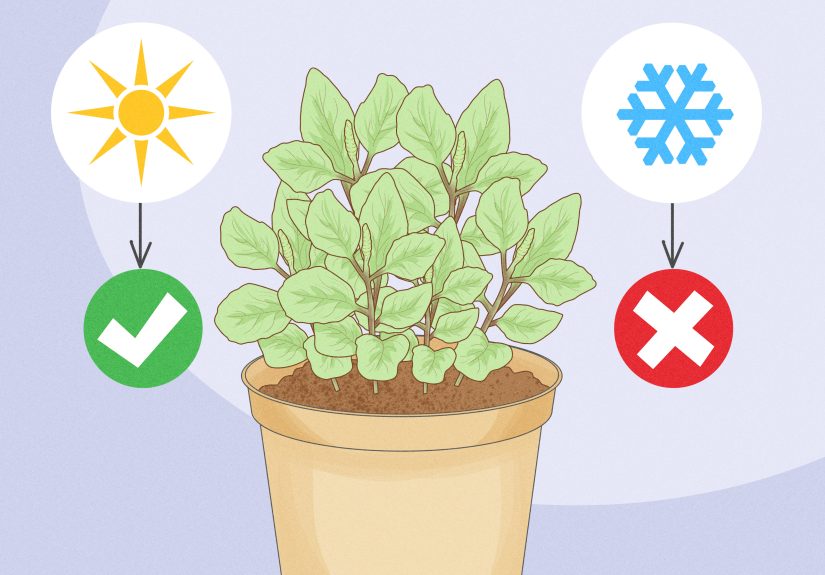
Jane magnolia grows best in full sun to partial shade. For the strongest bloom display, aim for at least six hours of direct sunlight per day. In cooler climates, full sun is usually ideal. In hotter regions, a spot with morning sun and light afternoon shade can help protect the leaves and flowers from stress.
Too much shade can lead to fewer flowers and a thinner shape. The plant may survive, but it may not perform with the “look at me, I’m fabulous” energy that makes Jane magnolia worth growing. If blooms are sparse after the plant is mature, insufficient sunlight is one of the first things to consider.
Soil Requirements
Jane magnolia prefers moist, rich, well-drained soil that is slightly acidic to neutral. Soil with plenty of organic matter is ideal because it holds moisture without staying soggy. Heavy clay can work if it drains reasonably well, but compacted, waterlogged soil is a problem. Magnolias like moisture, not swamp life.
If your soil is sandy, mix compost into the planting area to improve water retention. If your soil is heavy clay, avoid planting in a low spot where water collects after rain. Raised beds or slightly elevated planting areas can help. The goal is soil that feels like a wrung-out sponge: evenly moist, never mucky.
USDA Hardiness Zones
Jane magnolia is commonly grown in USDA Zones 4 through 8. Its cold hardiness is one reason gardeners in colder regions appreciate it. However, flower buds can still be damaged by sudden freezes, especially if warm weather triggers early bud development. Planting in a sheltered location can help reduce wind and frost stress.
How to Plant Jane Magnolia
The best time to plant Jane magnolia is in spring or fall, when temperatures are moderate and the plant can focus on root establishment. Fall planting is especially useful in many regions because the soil is still warm, rainfall is often more regular, and the plant has time to settle in before summer heat arrives.
Step-by-Step Planting Guide
- Choose the right location. Select a site with full sun to partial shade, good drainage, and enough space for mature growth.
- Dig a wide hole. Make the hole two to three times wider than the root ball, but no deeper than the root ball itself.
- Check planting depth. The top of the root ball should sit level with, or slightly above, the surrounding soil.
- Backfill gently. Use the native soil mixed with compost if needed. Avoid over-amending only the hole, which can create a “bathtub” effect in clay soil.
- Water deeply. Soak the root zone thoroughly after planting to remove air pockets and settle the soil.
- Add mulch. Apply a 2- to 3-inch layer of organic mulch, keeping it a few inches away from the trunk.
Do not plant Jane magnolia too deeply. Deep planting can stress the roots, reduce vigor, and invite disease. Also resist the urge to pile mulch against the trunk like a tiny volcano. Mulch volcanoes may look tidy for five minutes, but they trap moisture against the bark and can cause long-term problems.
Watering Jane Magnolia
Water is especially important during the first one to two growing seasons. Newly planted Jane magnolia needs consistent moisture while roots expand into the surrounding soil. A deep watering once or twice per week is usually better than daily shallow sprinkles. Shallow watering encourages shallow roots, and shallow roots are not exactly known for their life choices during drought.
After the plant is established, Jane magnolia can handle short dry periods, but it still performs best with steady moisture. During hot, dry weather, check the soil several inches below the surface. If it feels dry, water deeply. Mulch helps conserve moisture, cool the root zone, and reduce competition from weeds.
Signs Your Jane Magnolia Needs Water
- Leaves look droopy during the morning, not just in afternoon heat.
- Leaf edges turn brown or crisp.
- Flower buds dry out before opening.
- Soil pulls away from the edge of the planting hole.
At the same time, avoid overwatering. Yellowing leaves, constantly wet soil, or a sour smell around the root zone may indicate poor drainage or too much water. Jane magnolia likes a good drink, not a permanent foot bath.
Fertilizing Jane Magnolia
Jane magnolia does not need heavy feeding. In fact, too much fertilizer can encourage leafy growth at the expense of flowers. If your tree is planted in rich soil and grows well, a yearly layer of compost may be enough.
If growth is weak or leaves look pale, apply a slow-release fertilizer formulated for acid-loving trees and shrubs in early spring. Follow the label directions carefully. More fertilizer does not mean more flowers; it often just means more regret. Avoid fertilizing late in the season because it may encourage tender new growth that can be damaged by cold weather.
Pruning Jane Magnolia
One of the nicest things about Jane magnolia care is that pruning is minimal. This plant naturally forms an attractive shape, whether grown as a large shrub or small tree. The main pruning tasks are removing dead, damaged, diseased, or crossing branches.
The best time to prune Jane magnolia is shortly after flowering. Because many magnolias set flower buds on old wood, pruning too late in the season can remove next year’s blooms. That is a disappointing gardening mistake, right up there with labeling seedlings and then letting the marker fade.
Pruning Tips
- Use clean, sharp pruning tools.
- Remove dead or broken branches first.
- Thin lightly if branches rub together.
- Avoid severe pruning unless absolutely necessary.
- Step back often to preserve the natural shape.
If you want a more tree-like form, choose a few main stems early and remove low suckers gradually. If you prefer a shrubby look, let the plant keep its multi-stemmed habit. Either style can be beautiful.
Mulching and Root Care
Jane magnolia has shallow, fleshy roots that appreciate protection. A wide mulch ring is one of the simplest ways to keep the plant happy. Use shredded bark, pine straw, leaf mold, or composted wood chips. Keep mulch several inches away from the trunk and extend it outward as far as practical.
Avoid digging around the root zone once the plant is established. Do not cultivate deeply under the canopy, and be careful when adding companion plants. Small perennials and spring bulbs can look lovely nearby, but install them gently. Magnolia roots are not fans of surprise construction projects.
Common Jane Magnolia Problems
Jane magnolia is generally trouble-free, but no plant gets through life without a few complaints. Most problems are related to poor siting, drought stress, drainage issues, late frosts, or occasional pests.
Late Frost Damage
Although Jane magnolia blooms later than many magnolias, a hard late freeze can still damage open flowers or swollen buds. Frost-damaged blooms may turn brown, limp, or papery. The plant usually recovers, but that year’s flower show may be shortened.
To reduce risk, plant Jane magnolia in a sheltered location away from low frost pockets. Avoid southern exposures that warm too early in late winter, as they can encourage buds to open before the danger has passed.
Magnolia Scale
Magnolia scale is one of the more common pests on magnolias. It appears as raised bumps on stems and can produce sticky honeydew that attracts ants or leads to sooty mold. Light infestations can be pruned out, while heavier infestations may require horticultural oil or other labeled treatments timed to the vulnerable crawler stage.
If you see sticky leaves, black residue, or unusual bumps on twigs, inspect closely. Early detection makes control much easier. When using any pest product, always read and follow the label.
Leaf Spot and Mildew
Jane magnolia may occasionally develop leaf spots or powdery mildew, especially in humid conditions or crowded plantings with poor airflow. Most minor leaf issues are cosmetic and do not threaten the tree. Rake fallen leaves, avoid overhead watering, and prune lightly to improve air circulation if needed.
Yellow Leaves
Yellow leaves may be caused by overwatering, poor drainage, alkaline soil, nutrient deficiency, or transplant stress. Check soil moisture first. If the soil is constantly wet, improve drainage or reduce watering. If the plant is in high-pH soil, it may struggle to take up nutrients such as iron.
How to Encourage More Blooms
If your Jane magnolia is not blooming well, do not panic. Young plants may need time to mature before flowering heavily. However, if an established plant produces few blooms, review the basics: sunlight, pruning time, water, and fertilizer.
- Increase sunlight: Too much shade can reduce flowering.
- Prune after bloom: Late pruning can remove flower buds.
- Avoid excess nitrogen: Too much fertilizer may push leaves instead of flowers.
- Water during drought: Dry stress can affect bud formation.
- Protect from cold wind: Harsh exposure can damage buds.
Patience also helps. Jane magnolia is not always a fast grower. Once established, though, it can become a dependable spring highlight for many years.
Best Landscape Uses for Jane Magnolia
Jane magnolia is versatile because it is showy enough to stand alone but compact enough to blend into layered plantings. Use it as a specimen near an entryway, a focal point in a front lawn, or a flowering anchor in a mixed border. Its spring flowers pair beautifully with daffodils, hellebores, creeping phlox, ferns, hostas, and low evergreen shrubs.
Give it enough breathing room so the branches can develop naturally. Crowding it between aggressive shrubs or too close to a wall will make maintenance harder and reduce its graceful shape. A good design rule is simple: let Jane be Jane. She brought flowers; she deserves space.
Seasonal Jane Magnolia Care Calendar
Spring
Enjoy the flowers, water during dry spells, apply compost or slow-release fertilizer if needed, and prune lightly after blooming. Watch for frost warnings when buds are opening.
Summer
Maintain consistent moisture, refresh mulch, and monitor for magnolia scale or leaf stress. Deep watering is especially important during heat waves.
Fall
Plant new Jane magnolias, water well before winter if rainfall is low, and remove fallen diseased leaves if leaf problems occurred.
Winter
Avoid pruning unless branches are damaged. Protect young plants from deer browsing and harsh winter winds if necessary.
Experience Notes: What Growing Jane Magnolia Teaches You
Growing Jane magnolia teaches a gardener several useful lessons, and the first one is patience. This is not the kind of plant that instantly turns into a magazine cover the weekend after planting. During the first year, it may spend most of its energy settling into the soil, building roots, and quietly judging your watering habits. The top growth may seem modest, but underground, important work is happening.
In real gardens, the biggest success factor is location. A Jane magnolia planted in morning sun with some protection from harsh afternoon heat often looks fresher in summer than one exposed to relentless heat all day in warmer climates. In cooler regions, full sun can produce a spectacular bloom display. The trick is matching the site to your climate rather than blindly following a plant tag like it was written on stone tablets.
Another practical lesson is that mulch is not optional decoration. A wide, tidy mulch ring can make the difference between a stressed magnolia and a steady grower. It keeps the soil cooler, holds moisture, and saves the trunk from lawn mower injuries. Many struggling young magnolias are not suffering from mysterious plant sadness; they are simply competing with turfgrass and drying out too often.
Watering also becomes easier once you learn to water deeply rather than nervously. New gardeners sometimes sprinkle a little water every day, which wets the surface but leaves deeper roots thirsty. Jane magnolia responds better to slow, thorough soaking. A hose set to a gentle trickle near the root zone can be more useful than a dramatic five-minute shower that mostly runs away.
Pruning is another area where experience says, “Put the clippers down and step away.” Jane magnolia usually looks best when allowed to keep its natural structure. A few careful cuts after flowering are fine, but heavy pruning can make the plant awkward and reduce next year’s blooms. The goal is not to force it into a green lollipop. The goal is to guide it gently, like a plant coach with boundaries.
One of the most rewarding experiences is watching the buds swell before the leaves appear. The fuzzy buds look almost too soft to survive cold weather, yet they often push through spring’s mood swings with surprising confidence. When the flowers finally open, they bring color at a time when much of the garden is still warming up. Even a young plant can create a memorable moment near a porch, walkway, or kitchen window.
The occasional disappointment is frost. Some years, the flowers are perfect. Other years, a late freeze may brown the edges or shorten the show. This does not mean you failed. It means spring has a mischievous personality. Jane magnolia was bred to reduce this risk by blooming later, but no plant can negotiate with every cold front. If frost damages the flowers, focus on keeping the plant healthy for next year.
Over time, Jane magnolia becomes more than a spring accent. It becomes a seasonal marker. When its buds begin to open, you know the garden is shifting gears. The lawn wakes up, bulbs appear, birds get louder, and suddenly every gardener remembers the ambitious plans they made in January. Jane magnolia is not just pretty; it is a reminder that the growing season has officially entered the chat.
Conclusion
Jane magnolia is one of the best small flowering trees for gardeners who want spring drama without high-maintenance behavior. With its purple-pink blooms, compact form, late flowering habit, and simple care needs, it fits beautifully into modern landscapes and classic gardens alike. Plant it in full sun to partial shade, give it rich well-drained soil, water consistently while it establishes, mulch generously, and prune lightly after flowering.
Once settled, Jane magnolia rewards good care with a spring display that feels both elegant and joyful. It is the kind of plant that makes neighbors slow down, guests ask questions, and gardeners quietly feel very pleased with themselves. And honestly, any tree that can do all that while asking for so little deserves a prime spot in the yard.