Table of Contents >> Show >> Hide
- Why Growing Tomatoes Indoors Works
- Step 1: Choose the Right Tomato Variety
- Step 2: Pick a Container That Matches the Plant
- Step 3: Use High-Quality Potting Mix, Not Garden Soil
- Step 4: Start from Seed or Buy a Compact Transplant
- Step 5: Give Tomatoes Serious Light
- Step 6: Keep Temperatures Warm and Stable
- Step 7: Water Deeply but Do Not Drown the Plant
- Step 8: Feed Regularly Because Containers Run Out of Nutrients
- Step 9: Add Support and Prune with a Light Hand
- Step 10: Hand-Pollinate Indoor Flowers
- Step 11: Harvest Often and Troubleshoot Fast
- Indoor Tomato Growing Mistakes to Avoid
- Final Thoughts
- Experience and Practical Lessons from Growing Tomatoes Indoors
- SEO Tags
Growing tomatoes indoors sounds a little rebellious, like wearing flip-flops to a board meeting. Tomatoes are usually thought of as backyard celebrities that demand full sun, summer heat, and a garden plot big enough to make your neighbors jealous. But here is the good news: with the right setup, you can absolutely grow tomatoes indoors and harvest sweet, juicy fruit without stepping into a backyard at all.
The trick is not to treat indoor tomatoes like outdoor tomatoes with a roof over their heads. Indoor plants need a more controlled routine: better light, tighter variety selection, smarter watering, and a little human help with pollination. Do it right, and you can pick cherry tomatoes from your kitchen, sunroom, or apartment corner while the weather outside is acting rude.
This guide breaks the process into 11 clear steps, from choosing the right tomato variety to harvesting fruit that actually tastes like a tomato and not like disappointment. Let’s get dirt under our fingernails, metaphorically speaking. Indoors, the vacuum is usually too close for real mess.
Why Growing Tomatoes Indoors Works
Tomatoes are warm-season plants that love bright light, steady moisture, and consistent feeding. Indoors, you can control all three more precisely than you can outdoors. No surprise cold snaps. No torrential rain. No deer strolling by like they own the place. The catch is that indoor conditions rarely offer enough natural light, and pollinators are not lining up at your window to help.
That is why the best indoor tomato setup focuses on compact varieties, strong grow lights, roomy containers, and regular care. Once those basics are in place, indoor tomato gardening becomes less mysterious and more like managing a small edible houseplant empire.
Step 1: Choose the Right Tomato Variety
If you try to grow a giant sprawling beefsteak tomato in a dim apartment corner, the tomato will not thank you. It will become leggy, dramatic, and generally unproductive. For indoor growing, compact varieties are the real MVPs.
Best types for indoor tomato growing
Look for labels such as dwarf, patio, bush, micro dwarf, or determinate. These plants stay smaller, mature faster, and are easier to support in containers. Good examples include Tiny Tim, Red Robin, Patio Choice Yellow, Tumbler, Micro Tom, and other cherry or patio-style tomatoes.
Small-fruited tomatoes are usually the easiest to grow indoors because they need less plant energy to ripen fruit. A cherry tomato plant indoors is far more realistic than trying to raise a fruit the size of a softball under one lamp in your guest room.
Step 2: Pick a Container That Matches the Plant
Tomatoes hate cramped roots almost as much as they hate soggy soil. Even compact types need enough root space to support leaves, flowers, and fruit.
Container basics
Choose a pot with drainage holes, always. No drainage holes means you are basically building a tiny swamp, and tomatoes are not swamp creatures. For dwarf and patio types, a container around 5 gallons often works well. Larger determinate tomatoes may need more room. The pot should be wide and stable enough that the plant will not topple once it starts fruiting.
Plastic and glazed pots hold moisture longer, which can be useful indoors where soil dries more slowly than it does on a hot patio. Terracotta looks beautiful, but it dries out faster and may require more frequent watering.
Step 3: Use High-Quality Potting Mix, Not Garden Soil
This is one of the most important indoor tomato tips: do not scoop soil from your yard and dump it into a pot. Garden soil is too dense for containers and may carry pests, diseases, and weed seeds. Indoors, that is less “natural gardening” and more “why are there fungus gnats in my cereal.”
Use a sterile, lightweight potting mix or seed-starting mix for seedlings. A good soilless mix drains well, holds enough moisture, and allows roots to breathe. If you are starting from seed, use seed-starting mix first, then transplant into a richer potting mix once seedlings are ready for bigger homes.
Step 4: Start from Seed or Buy a Compact Transplant
You can grow tomatoes indoors from seed or from a young nursery transplant. Both work. Seeds give you more variety choices, while starter plants save time and let you skip the baby-plant phase.
Starting from seed
Sow tomato seeds shallowly in moist seed-starting mix. Keep them warm while they germinate. Tomato seeds like cozy conditions, so think warm room, heat mat, or another gentle source of bottom warmth. Once they sprout, move them immediately under bright light so they do not stretch into pale green noodles.
Starting with transplants
If you buy a plant, pick one that looks sturdy, compact, and healthy. Avoid tall, floppy, yellowish, or flowering plants. A younger, stockier tomato often adapts better indoors than one that already thinks it is halfway through summer.
Step 5: Give Tomatoes Serious Light
If indoor tomato growing had a headliner, it would be light. Tomatoes are light-hungry plants. A sunny window can help, especially a south-facing one, but for dependable growth and fruit production, grow lights are usually the better choice.
How much light indoor tomatoes need
Tomatoes typically perform best with very bright light for long stretches each day. For many indoor growers, that means using full-spectrum LED grow lights on a timer. Keep the lights close enough to the plant to stay effective, but not so close that the leaves scorch. As the plant grows, raise the light. Tomatoes do not need a 24-hour spotlight like they are performing on Broadway. They still need a dark period each day.
If your plant becomes tall, thin, and floppy, that is usually the tomato’s way of saying, “I need more light, not more pep talks.”
Step 6: Keep Temperatures Warm and Stable
Tomatoes like warmth. Indoors, they generally do best in a comfortable room where daytime and nighttime temperatures stay fairly steady. Avoid placing plants near drafty windows, exterior doors, heater blasts, or air-conditioning vents. Tomatoes are productive, but they are not emotionally prepared for temperature mood swings.
Warm roots, warm leaves, and a steady environment encourage flowering and fruit set. If your indoor space runs chilly in winter, a grow light can help a little with warmth, but you may also need to move the plant to a cozier location.
Step 7: Water Deeply but Do Not Drown the Plant
Indoor tomatoes need consistent moisture, but not wet feet. The goal is evenly moist soil, not muddy potting mix and not bone-dry dust. Overwatering is one of the fastest ways to create root problems, yellowing leaves, and general tomato grumpiness.
How to water indoor tomato plants
Check the top inch of the potting mix with your finger. If it feels dry, water thoroughly until excess drains from the bottom. Then let the plant settle before watering again. Smaller pots dry out faster, while larger containers hold moisture longer. The exact schedule depends on your pot size, room temperature, plant size, and light level, so ignore strict calendar watering and pay attention to the soil instead.
Try to water the soil, not the leaves. Wet foliage indoors can encourage disease, and tomato leaves do not need a shower every time the roots need a drink.
Step 8: Feed Regularly Because Containers Run Out of Nutrients
Tomatoes are hungry plants. In a garden bed, their roots can roam for nutrients. In a pot, the buffet is limited. That means indoor tomatoes need regular fertilizer to stay productive.
Fertilizer strategy
Early on, a balanced fertilizer works well. As plants begin flowering and fruiting, many gardeners switch to a fertilizer that supports bloom and fruit production. Follow label directions and do not assume that more fertilizer equals more tomatoes. Too much nitrogen can create a jungle of leaves with fewer fruits, which is great if your dream was to grow decorative tomato foliage and not actual tomatoes.
Watch the plant. Pale leaves, weak growth, and poor fruiting can point to feeding issues, but overfeeding can also cause trouble. Slow and steady usually wins.
Step 9: Add Support and Prune with a Light Hand
Even small tomato plants often need support once fruit starts forming. Tiny tomatoes still have real weight, and stems can bend or snap if left unsupported.
Support options
Use a small tomato cage, stake, or compact trellis inserted early so you do not damage roots later. Support keeps the plant upright, improves airflow, and makes harvest easier.
Should you prune?
For compact indoor tomatoes, pruning is usually minimal. Remove yellowing leaves, damaged stems, and any growth that is obviously crowding the center. If you are growing a small indeterminate variety, you can pinch some suckers to manage size, but do not go wild. This is light grooming, not a reality-show makeover.
Step 10: Hand-Pollinate Indoor Flowers
Tomatoes are self-pollinating, which means each flower contains both male and female parts. That sounds wonderfully efficient, but the pollen still needs movement. Outdoors, wind and buzzing insects handle that. Indoors, the plant may need your help.
Easy hand-pollination methods
When flowers open, gently shake the stems or tap the flower clusters every day or two. You can also use a small fan to create airflow or lightly touch flower stems with an electric toothbrush held near the blossom to mimic vibration. Yes, indoor tomato growing occasionally makes you look like you are serenading flowers with a dental appliance. Trust the process.
If flowers appear but fall off without making fruit, weak pollination, low light, or temperature stress may be the culprit.
Step 11: Harvest Often and Troubleshoot Fast
Once tomatoes begin ripening, harvest them regularly. Frequent picking encourages continued production and prevents fruit from overstaying its welcome on the vine.
What ripe looks like
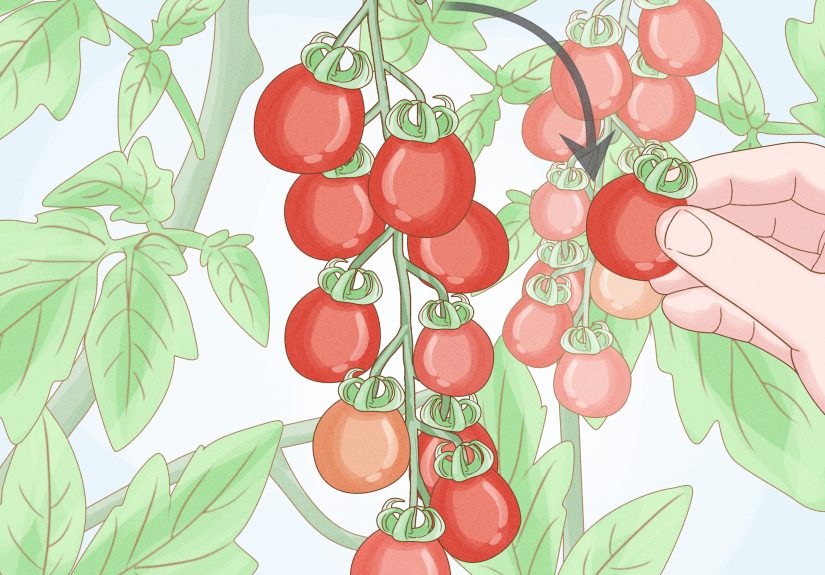
Harvest when fruits have full color, feel slightly firm but not hard, and come off the stem with a gentle twist. Flavor improves dramatically when tomatoes ripen properly on the plant, so resist the urge to pick too early unless you are dealing with a struggling stem.
Common indoor tomato problems
Leggy growth: not enough light.
Flowers dropping: stress from temperature swings, weak light, or poor pollination.
Yellow leaves: often watering or nutrient issues.
No fruit: usually not enough light, weak pollination, or a variety that is too large for the space.
The good news is that indoor gardens are close enough to monitor daily. Small issues become much easier to fix when you catch them early.
Indoor Tomato Growing Mistakes to Avoid
The biggest beginner mistake is underestimating how much light tomatoes need. The second biggest is choosing a giant variety because the catalog photo looked impressive. After that, it is usually overwatering, underfeeding, or forgetting pollination.
Keep it simple. Start with one or two compact plants, a good light, a large enough pot, and a routine you can actually maintain. Indoor tomatoes reward consistency more than heroics.
Final Thoughts
If you have ever wondered whether you can grow tomatoes indoors, the answer is yes, as long as you give the plants what they cannot reliably find inside on their own: intense light, warmth, airflow, and a bit of pollination help. Choose the right variety, use the right container, and stay consistent with watering and feeding. Suddenly, your home becomes a tiny tomato farm with better snacks.
Indoor tomato gardening is practical, rewarding, and honestly kind of delightful. There is something deeply satisfying about plucking a ripe tomato while standing in socks. No mosquitoes. No muddy shoes. Just you, a healthy plant, and the smug joy of beating the seasons at their own game.
Experience and Practical Lessons from Growing Tomatoes Indoors
One of the most useful lessons indoor growers learn is that tomato success usually comes from observation more than perfection. A beginner may spend hours researching the best indoor tomato varieties, the ideal grow light setup, or the perfect fertilizer schedule, only to discover that the real skill is learning how the plant responds in one specific room. A tomato in a bright kitchen corner behaves differently from a tomato in a basement grow shelf, even if both receive technically adequate care. The same variety can look compact and productive in one home and slightly stretched in another. That is why experienced indoor gardeners pay close attention to leaf color, stem thickness, flowering patterns, and soil moisture instead of blindly following one-size-fits-all rules.
Another common experience is realizing that natural window light is often more flattering than functional. Many people begin with genuine optimism, placing a tomato plant in the sunniest window they have, only to watch it lean dramatically toward the glass like it is trying to escape. This does not mean indoor tomato growing is impossible. It simply means tomatoes are ambitious plants with expensive taste in lighting. Once growers switch to a proper full-spectrum LED setup, the difference is usually obvious within a couple of weeks. Growth becomes sturdier, leaves become deeper green, and flowering improves. In practical terms, the upgrade to better light is often the single biggest turning point between “cute plant” and “actual harvest.”
Growers also learn quickly that smaller tomatoes are often the smarter indoor choice. Large slicers may sound more exciting, but compact cherry and patio tomatoes tend to adapt better to containers and indoor conditions. They ripen faster, set more fruit in smaller spaces, and place less strain on the plant. That means beginners often gain confidence sooner. Harvesting even a handful of sweet indoor cherry tomatoes feels like a win, and that success makes it easier to refine technique over time.
Pollination is another area where hands-on experience matters. On paper, it sounds odd to shake flowers or point a fan at a tomato plant. In practice, it becomes second nature. Many indoor gardeners build it into their routine while checking moisture or adjusting lights. It takes less than a minute, yet it can make a major difference in fruit set. The same goes for support. Even compact varieties can flop once they are loaded with fruit, so adding a small cage early is much easier than trying to rescue a plant that has already turned into a leafy octopus.
Perhaps the most encouraging real-world takeaway is that indoor tomato growing does not need to be fancy to be successful. You do not need a futuristic greenhouse pod or a lab coat. A sturdy pot, quality potting mix, strong light, and consistent care can take you surprisingly far. Many successful indoor growers start with one plant, learn from that first season, and improve from there. The process rewards patience, curiosity, and a willingness to make small adjustments. Over time, you stop guessing and start reading the plant with confidence. That is when indoor gardening becomes less of an experiment and more of a dependable, satisfying routine.