Table of Contents >> Show >> Hide
- What happened in the carrot-linked E. coli outbreak?
- What is E. coli, and why are some strains a bigger deal?
- E. coli symptoms: what to watch for (and what’s “normal” timing)
- Who’s at higher risk for severe illness?
- The complication nobody wants: signs of HUS (kidney-related emergency)
- If you have symptoms: what to do (and what to avoid)
- If carrots are recalled: what to do in your kitchen
- How can carrots get contaminated in the first place?
- Carrot safety without paranoia: practical prevention tips
- Frequently asked questions about E. coli and carrots
- Real-world experiences: what outbreaks feel like in everyday life (about 500+ words)
- Conclusion
- SEO tags (JSON)
Carrots have a wholesome reputation. They’re the snack you grab when you’re trying to “be good,” the
vegetable you toss into soup when you’re trying to “be healthy,” and the orange sticks that show up at
parties like they paid rent. So when headlines say E. coli outbreak linked to carrots, it feels
like the universe just fired your produce aisle therapist.
Here’s the reality: foodborne outbreaks happeneven with foods that look innocent, even with “organic,”
and even with items that seem too dry and crunchy to cause trouble. The good news is you don’t need to
swear off carrots forever. You just need to know what the outbreak was, what symptoms to watch for,
who’s at higher risk, and what to do if a recall touches your fridge (or freezer, where good intentions
go to hibernate).
What happened in the carrot-linked E. coli outbreak?
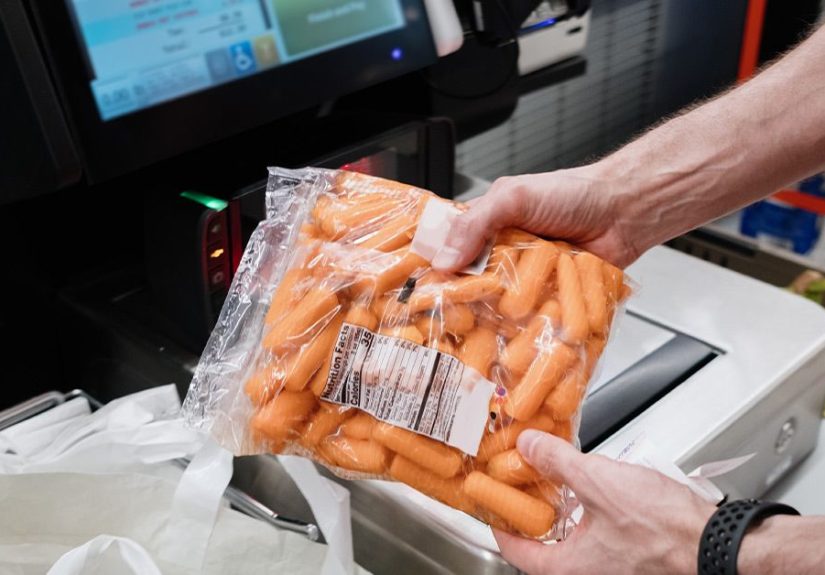
In a well-publicized U.S. outbreak investigation, federal health officials linked illnesses to
bagged organic whole carrots and organic baby carrots. The investigation was later
marked closed, meaning the immediate public health emergency ended and the recalled
products were expected to be past shelf life and no longer for sale.
The investigation identified Shiga toxin-producing E. coli (STEC)specifically a strain
reported as E. coli O121as the culprit. A voluntary recall was issued, and the carrots
involved were distributed widely, which is why the story spread quickly across many states and many
grocery banners.
Why a “closed” outbreak still matters
Even when an outbreak is over, two things can still be true at the same time:
- People may have stored recalled carrots in freezers (hello, meal prep).
- Outbreaks teach patternshow contamination happens, what symptoms look like, and how to respond fast next time.
Bottom line: you’re not reading this to panicyou’re reading this to get smarter than your next
headline.
What is E. coli, and why are some strains a bigger deal?
E. coli is a large family of bacteria. Many strains live in intestines and don’t cause
harm. The troublemakers are certain strains that can trigger severe gastrointestinal illness. The ones
that grab public health attention are often Shiga toxin-producing E. coli (STEC).
STEC can cause symptoms that range from miserable-but-short-lived to serious complications, including a
rare condition called hemolytic uremic syndrome (HUS), which can affect the kidneys.
This is why doctors and public health agencies take STEC outbreaks seriouslyand why “just stomach
flu” isn’t always the right label.
E. coli symptoms: what to watch for (and what’s “normal” timing)
E. coli infection symptoms often start a few days after exposure. Many people begin feeling sick around
3 to 4 days after consuming contaminated food, but it can happen sooner or later.
Common symptoms
- Diarrhea (can be watery; sometimes can be bloody)
- Stomach cramps or abdominal tenderness
- Nausea and/or vomiting
- Low-grade fever (often not very high)
- Fatigue and feeling generally wiped out
How long does it last?
Many people start improving within about a week, but recovery time varies. The most important thing is
preventing dehydration and recognizing warning signs earlyespecially in kids and older adults.
Who’s at higher risk for severe illness?
Anyone can get sick from STEC, but some people have a higher chance of complications:
- Children under 5 (their immune systems and kidneys are still developing)
- Older adults
- People with weakened immune systems
- Anyone who becomes dehydrated quickly due to vomiting/diarrhea
If you’re in a higher-risk group, it’s not about being “fragile.” It’s about biologyand making faster,
smarter choices when symptoms show up.
The complication nobody wants: signs of HUS (kidney-related emergency)
HUS is uncommon, but it’s the complication that public health agencies emphasize with
STEC infections. It can develop after diarrhea beginssometimes as the stomach symptoms seem to be
improving, which is a rude plot twist.
Red-flag signs that require urgent medical care
- Urinating (peeing) much less than usual or not at all
- Looking unusually pale (like someone turned your saturation down)
- Unexplained bruising or tiny red/purple spots on the skin
- Blood in urine
- Feeling extremely tired, confused, or unusually irritable
If these signs appearespecially in a childseek medical help immediately. This isn’t the moment for
“let’s see how it goes.”
If you have symptoms: what to do (and what to avoid)
If you suspect E. coli infection, focus on two goals: stay hydrated and
know when to get medical care.
Smart first steps
- Hydrate with water and oral rehydration solutions if needed.
- Call a healthcare professional if symptoms are severe, persistent, or involve bloody diarrhea.
- Be extra cautious with kids, older adults, and immunocompromised family members.
What not to do (important!)
-
Don’t self-prescribe antibiotics for suspected STEC. Public health guidance warns
antibiotics can increase the chance of HUS with STEC infections. -
Avoid anti-diarrheal (anti-motility) medicines if you have bloody diarrhea or
suspected STEC. Slowing the gut can raise the risk of complications.
Translation: your body is trying to get rid of the toxin-producing bacteria. The goal is supportive care
and good medical judgmentnot “shut it all down and hope.”
If carrots are recalled: what to do in your kitchen
When a recall hits, it’s tempting to negotiate with your conscience:
“But I paid for these.” “But I could cook them.” “But they look fine.”
Unfortunately, E. coli is not impressed by your budgeting skills.
Step 1: Identify and isolate
- Check your fridge and freezer for the recalled product type (often bagged organic whole or baby carrots during this event).
- If you’re unsure, err on the side of safety and don’t eat it.
Step 2: Dispose safely
- Throw recalled food away in a sealed bag (or follow the store’s return instructions if applicable).
- Wash hands after handling the package.
Step 3: Clean and sanitize surfaces
Recalled products can leak juices or contaminate surfaces. Health agencies recommend cleaning your
refrigerator and any surfaces that touched the product. This includes drawers, shelves, and reusable
containers, plus cutting boards and utensils.
Step 4: Don’t rely on rinsing alone
Rinsing produce under running water is good everyday hygiene and helps remove dirt, but it doesn’t
guarantee removal of E. coli during an outbreak scenario. If a food is recalled, the safest move is to
discard it, not “wash harder.”
How can carrots get contaminated in the first place?
It’s not because carrots are “bad.” It’s because carrots are grown in environments where bacteria can
exist. Contamination can occur at multiple points:
- On the farm: soil, irrigation water, or nearby animal activity
- During harvest: equipment, handling, transport bins
- In processing: washing systems, cutting equipment, packaging lines
- At home: cross-contamination from hands, cutting boards, or raw meat juices
Bagged and “ready-to-eat” produce can create a false sense of security. It’s convenientbut if a
processing step goes wrong, it can also spread contamination to a lot of packages quickly.
Carrot safety without paranoia: practical prevention tips
You don’t need to treat every vegetable like it’s auditioning for a crime show. Basic food safety goes a
long way, especially the “clean, separate, cook, chill” routine.
At the store
- Choose packages that are intact and not leaking.
- Keep produce separate from raw meat, poultry, and seafood in your cart and bags.
- If a recall is in the news, check official recall notices before restocking.
At home
- Wash hands before food prep and after handling raw ingredients.
- Rinse produce under running water (no soap or detergent).
- Scrub firm produce like carrots with a clean brush if you’ll eat them raw.
- Use separate cutting boards (or wash well) to avoid cross-contamination.
- Refrigerate perishable foods promptly and don’t leave cut produce out for long.
These steps reduce risk overall. During an active recall, though, the rules change: don’t eat recalled
foodperiod.
Frequently asked questions about E. coli and carrots
“If I cook recalled carrots, doesn’t heat kill E. coli?”
Heat can kill bacteria, but public health advice during a recall is still: do not eat recalled
foods. Real life is messykitchens vary, heating can be uneven, and the point of a recall is to
remove risk, not gamble with it.
“Can I tell if carrots are contaminated?”
Usually, no. Contaminated produce often looks and smells normal. “Trust your senses” is great for
spoiled milk, not for microscopic bacteria.
“Is organic produce riskier?”
“Organic” describes how food is grown and handled under specific standards. It doesn’t mean “immune to
bacteria.” Any produceorganic or conventionalcan be contaminated.
“Should I stop eating raw vegetables?”
Not automatically. But if you’re in a high-risk group, you may choose safer preparation methods (like
cooked vegetables) during periods of frequent outbreaks or if you’re unsure about handling. The goal is
informed choices, not fear.
Real-world experiences: what outbreaks feel like in everyday life (about 500+ words)
Outbreak headlines can feel abstract until they crash into your normal routineusually at the exact
moment you’re trying to do something responsible, like packing lunches or prepping dinner. People often
describe the first jolt as “Wait… carrots?” because carrots don’t have the usual villain energy of raw
oysters or undercooked burgers. They’re the sidekick vegetable. They’re supposed to keep you out of
trouble, not drag you into it.
One common experience is the “fridge audit spiral.” Someone hears about a recall on the news, opens the
refrigerator, and suddenly everything looks suspicious. The bag of baby carrots becomes the lead
suspect, but now the hummus is “probably involved,” and the lettuce is “acting weird,” and the leftover
takeout is “definitely plotting something.” The practical lesson from these moments is simple:
outbreaks are stressful because they create uncertainty. A calm approach helps: identify the recalled
item, isolate it, toss it, then clean the surfaces it touched. One task at a timeno need to
interrogate every cucumber.
Parents and caregivers often have a different kind of stress: the “did my kid eat this?” countdown.
Because symptoms can take a few days to appear, the waiting can feel longer than it is. Many families
handle this best by focusing on what they can control: keeping an eye on hydration, watching
for worsening symptoms, and calling a pediatrician early if anything seems off. If a child develops
diarrhea and is not drinking well, the stress level skyrockets for good reasondehydration can sneak up
fast. Caregivers also learn a key communication trick: if you seek medical care, be ready to say
“possible exposure to recalled carrots” and share timing. That context can help clinicians decide what
testing or follow-up makes sense.
Another real-world angle comes from people who work in food service or manage kitchensrestaurants,
cafeterias, even daycare meal programs. For them, a recall isn’t just a personal inconvenience; it’s an
operational puzzle. Staff may need to locate product lots, confirm suppliers, document disposal, and
reassure customers. Many managers describe the most important step as “tightening the simple stuff”:
stricter handwashing, clearer separation of raw and ready-to-eat foods, and more consistent cleaning of
high-touch surfaces. In other words, the recall doesn’t just remove a productit forces a review of
habits.
People who have recovered from suspected E. coli illness often talk about surprise: not always how bad
it felt (though it can be rough), but how quickly it disrupted life. Plans get canceled. Sleep gets
interrupted. Work becomes impossible. It’s a reminder that foodborne illness isn’t only about one meal;
it’s about time, energy, and vulnerability. A practical takeaway many share is to take symptoms
seriously earlyespecially if there’s severe stomach cramping, ongoing vomiting, dehydration signs, or
blood in stool. Another takeaway is the “medicine cabinet myth”: it’s natural to reach for an
anti-diarrheal to stop the problem fast, but with suspected STEC, that can be risky. The safer mindset
is supportive care and medical guidance, not quick fixes.
Finally, outbreaks change how people shopbut often in a good way. Many consumers start checking recall
alerts more regularly, paying more attention to safe storage, and cleaning produce properly under
running water (without soap). They also learn that “fresh” doesn’t automatically mean “risk-free,” and
that it’s okay to choose cooked vegetables sometimesespecially for high-risk family members.
The best “experience-based” lesson might be this: you don’t need to fear food, but you do deserve clear
information, quick action during recalls, and a kitchen routine that protects you on normal days too.
Conclusion
A carrot-linked E. coli outbreak is unsettling because it hits a food we think of as safe and simple.
But the path forward is straightforward: know the typical symptoms, recognize who’s at higher risk,
watch for urgent warning signs like those linked to HUS, and take recalls seriously by discarding the
product and cleaning any surfaces it touched. Carrots can go back to being carrotscrunchy, useful, and
pleasantly boringonce you know how to handle the rare moments when they’re not.