Table of Contents >> Show >> Hide
- What Is Manicotti (and Why It’s Worth the Effort)
- Ingredients You’ll Need (Plus Smart Swaps)
- Tools That Make This 10x Easier
- Step-by-Step: Classic Three-Cheese Stuffed Manicotti
- Three Foolproof Ways to Fill Manicotti (Choose Your Adventure)
- Flavor Variations That Keep Dinner Interesting
- Make-Ahead, Freezing, and Reheating (Because Future You Deserves Nice Things)
- Troubleshooting: Common Manicotti Problems (and How to Fix Them)
- What to Serve with Stuffed Manicotti
- : Real-World Stuffed Manicotti “Experiences” (So You Don’t Learn the Hard Way)
- Conclusion
- SEO Tags
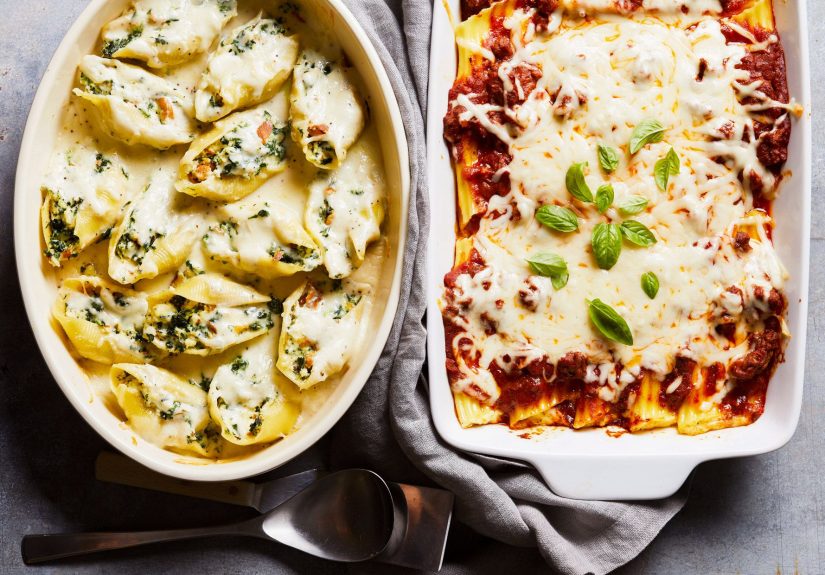
Stuffed manicotti is what happens when pasta decides it deserves a warm, cheesy blanket and a standing ovation.
It’s a classic baked Italian-American comfort dish: big tubes (or rolls) of pasta stuffed with a creamy filling,
tucked into marinara, topped with cheese, and baked until bubbly. It looks fancy. It tastes like a hug. And yes,
it can get a little messybecause greatness rarely arrives with a napkin neatly folded.
In this guide, you’ll learn exactly how to make stuffed manicotti that holds together, stays creamy (not watery),
and bakes up tender instead of tragically dry. We’ll cover the best pasta options, easy stuffing methods,
make-ahead/freezer strategies, and troubleshooting for the most common manicotti mishaps. Let’s cook.
What Is Manicotti (and Why It’s Worth the Effort)
Manicotti usually refers to large pasta tubes designed for stuffing, then baking in sauce. In many U.S. kitchens,
“manicotti night” can mean one of three things:
- Classic manicotti shells: Big dried tubes you boil (or sometimes bake “no-boil” in lots of sauce).
- Rolled noodles: Lasagna noodles (often no-boil) softened in hot water, then rolled around filling.
- Crepe-style manicotti: Thin crepes/crespelle wrapped around filling for a delicate, restaurant-y vibe.
All three are delicious. Your choice depends on your mood, your schedule, and whether you’re trying to impress someone
who says things like, “Mmm, the mouthfeel!”
Ingredients You’ll Need (Plus Smart Swaps)
Pasta Options
- Dried manicotti shells: The classic. Boil until just flexible and still firm.
- No-boil lasagna noodles: Soften in hot water, then roll. Shockingly easy and very reliable.
- Crepes/crespelle: A little extra work up front, but tender and elegant once baked.
The Filling (Your Flavor Headquarters)
A great stuffed manicotti filling is creamy, seasoned, and thick enough to stay put. The usual cast:
- Ricotta: The main character. Whole-milk ricotta is richer, part-skim is lighter.
- Mozzarella: For melt and stretch. Low-moisture shredded is easiest.
- Parmesan or Pecorino: Adds salty depth.
- Egg: Helps bind the filling so it slices cleanly.
- Spinach (optional): Classic add-injust squeeze it dry like it owes you money.
- Seasonings: Garlic, parsley/basil, black pepper, and a pinch of nutmeg. Lemon zest is a secret weapon.
Sauce + Cheese Topping
- Marinara: Store-bought is fine; homemade is fabulous.
- Meat sauce: Turns it into a full-on Sunday-dinner situation.
- Extra mozzarella/parmesan: This is not the time to be shy.
Tools That Make This 10x Easier
- Piping bag (or a zip-top bag with the corner snipped): fast, clean stuffing.
- 9×13-inch baking dish: The traditional manicotti habitat.
- Foil: Prevents dry pasta and burned cheese early on.
- Instant-read thermometer: Optional, but it removes all “Is this done?” drama.
Step-by-Step: Classic Three-Cheese Stuffed Manicotti
This is the reliable, crowd-pleasing version: ricotta + mozzarella + parmesan, baked in marinara.
It’s the one you can confidently serve to guests without hovering by the oven like a nervous stage parent.
Base Recipe (Serves 6–8)
- 14–16 manicotti shells (or 12–14 if your box is stingy)
- 3–4 cups marinara sauce (more if you like it extra saucy)
- 15–32 oz ricotta (about 2 to 4 cups; adjust for how stuffed you like things)
- 2 cups shredded mozzarella (plus more for topping)
- 1/2 to 1 cup grated Parmesan (or a parmesan/pecorino mix)
- 1–2 eggs
- 2–3 cloves garlic, minced (or 1/2 tsp garlic powder)
- 1/4 cup chopped parsley or basil
- Pinch nutmeg (optional, but recommended)
- Salt + pepper
- Optional: 10 oz spinach, cooked/thawed and squeezed very dry; lemon zest for brightness
1) Prep Your Pan and Oven
Preheat your oven to 350°F. Spread about 1 to 1 1/2 cups marinara in the bottom
of a 9×13-inch baking dish. This prevents sticking and gives the pasta moisture from below.
2) Cook the Manicotti Shells (If Using Tubes)
Bring a big pot of salted water to a boil. Cook shells until they’re just flexible but still firm.
Most recipes land somewhere between 6–12 minutes depending on brandaim for underdone rather than perfect,
because they’ll finish cooking in the oven.
Drain and rinse briefly with cool water to stop the cooking. Lay shells in a single layer on a sheet pan or parchment so they
don’t glue themselves together like they’re auditioning for a rom-com.
3) Make a Thick, Creamy Filling (Not a Wet One)
In a large bowl, mix ricotta, mozzarella, parmesan, egg(s), garlic, herbs, nutmeg, salt, and pepper.
If you’re adding spinach, squeeze it dry first, then fold it in.
Pro move: If your ricotta seems watery, spoon it onto paper towels or a clean kitchen towel for a few minutes.
Less water = a filling that stays creamy instead of turning into a sad puddle.
4) Stuff the Shells (Without Breaking Them)
Spoon the filling into a piping bag, or into a zip-top bag and snip off a corner (about a 1/2-inch opening).
Pipe filling into each shell from one end, then the other, to avoid air pockets.
5) Assemble Like You Mean It
Arrange stuffed shells in a single layer over the sauce. Pour the remaining marinara over the top,
making sure the pasta is generously covered (dry exposed pasta is the #1 way manicotti turns into pasta jerky).
Sprinkle with extra mozzarella and a little parmesan.
6) Bake Covered, Then Uncovered
Cover tightly with foil and bake for 30–50 minutes, depending on how al dente your shells were and how cold
the casserole is (straight-from-the-fridge takes longer). Then remove foil and bake another 10–15 minutes
until bubbly and lightly browned.
If you use a thermometer, aim for about 165°F in the center of the filling. Let it rest for 10 minutes
before serving so the sauce thickens and the pieces hold their shape.
Three Foolproof Ways to Fill Manicotti (Choose Your Adventure)
Method 1: The Piping Bag (Fastest + Cleanest)
Best for classic shells. You’ll get evenly filled tubes with minimal breakage, and you’ll feel like a pastry chef
except your “frosting” is cheese, which is objectively better.
Method 2: The “Slit-and-Roll” Trick (Grandma-Approved)
If stuffing tubes makes you want to move to the woods and live off berries, try this:
cook the manicotti shells, then cut each tube lengthwise with kitchen shears to open it into a sheet.
Spoon filling down the center, roll it back up, and place seam-side down in sauce.
Once baked and sauced, the “seam” basically disappears.
Method 3: The No-Boil Lasagna Roll-Up (Shockingly Easy)
Soften no-boil lasagna noodles in very hot water until pliable, lay them on towels, spread filling,
roll up, then bake in sauce. It’s easier than stuffing tubes and still gives that manicotti “rolled pasta” feel.
Flavor Variations That Keep Dinner Interesting
Spinach-Ricotta Classic
Add well-drained spinach plus extra garlic and a pinch of nutmeg. Great with marinara or a creamy tomato sauce.
Meat Sauce Manicotti
Use a rich ground beef/sausage tomato sauce and keep the filling mostly cheese. It’s bold, hearty,
and basically a winter sweater in casserole form.
Spinach-Artichoke Manicotti
Fold chopped artichoke hearts into the filling with spinach. Add red pepper flakes for a little spark.
This version tastes like a party appetizer that grew up and got a real job.
Crepe-Style (Crespelle) Manicotti
Swap pasta for thin crepes, roll around filling, and bake with tomato sauce (or even a béchamel layer).
It’s delicate, tender, and perfect for “I’m cooking to impress” nights.
Make-Ahead, Freezing, and Reheating (Because Future You Deserves Nice Things)
Make Ahead
Assemble the whole dish, cover tightly, and refrigerate up to overnight. Plan to add a bit of bake time
if it goes into the oven cold.
Freeze
Assemble in a freezer-safe dish, cover tightly (foil + another layer helps), and freeze up to about 2 months.
Thaw overnight in the fridge when possible. If baking from frozen, expect a longer covered bake so it heats through.
Reheat Without Drying It Out
Add a splash of sauce (or even a spoonful of water) before reheating, cover with foil, and warm in the oven until hot.
Your goal is moist heat first, then a brief uncovered finish if you want the top bubbly again.
Troubleshooting: Common Manicotti Problems (and How to Fix Them)
“My shells keep tearing.”
Undercook slightly (flexible, not floppy), rinse with cool water, and use a piping bag. If they still tear,
switch to the slit-and-roll trick or lasagna roll-ups.
“My filling is watery.”
Drain spinach aggressively. Consider blotting ricotta briefly. Too much moisture is the fastest path to soggy manicotti.
“It tastes kind of bland.”
Salt your pasta water, season the filling confidently, and use parmesan/pecorino for punch.
A little lemon zest can brighten everything without screaming, “I added lemon zest!”
“The pasta is dry on top.”
Cover the pasta fully with sauce and bake covered for most of the time. Dry exposed edges are a cry for help.
“My cheese topping burned before the center was hot.”
Keep it covered longer and add the final cheese topping later, or tent the foil.
Also, verify your oven temp if this happens often.
What to Serve with Stuffed Manicotti
- Big salad: crisp romaine, vinaigrette, maybe pepperoncini for punch.
- Garlic bread: because sauce deserves a sidekick.
- Roasted veggies: broccoli, zucchini, or Brussels sprouts for contrast.
- Simple dessert: something light like berries, sorbet, or an espresso.
: Real-World Stuffed Manicotti “Experiences” (So You Don’t Learn the Hard Way)
Here’s the most common first-time stuffed manicotti storyline: you boil the shells perfectly, feel proud,
and then… you try to stuff them with a spoon like you’re loading a cannon. The shells split. The filling goes everywhere.
One tube falls off the counter like it’s auditioning for a slow-motion disaster montage. You briefly consider ordering pizza.
The secret is that manicotti isn’t hardit’s just picky about technique. Home cooks who end up loving it usually have one
“aha” moment: stop fighting gravity. That’s why piping bags and zip-top bags are such a game-changer. Once the filling
is in the bag and you’re piping from the end, the shell stays supported, your hands stay cleaner, and suddenly the whole process
feels… oddly satisfying. Like frosting cupcakes, but with cheese and fewer birthday candles.
Another common lesson: moisture management matters. Spinach is delicious in manicotti, but it’s also basically a sponge
that can sabotage your filling if you don’t squeeze it dry. Many people think their sauce is “too runny,” when the real culprit is
spinach or ricotta that carried extra water into the bake. The fix is simple: press spinach in a towel until it stops dripping, and
if your ricotta looks watery, give it a quick blot. You don’t need a cheese thesisjust a little less liquid.
Then there’s the “I tried a no-boil version and now I’m unstoppable” crowd. Rolling lasagna noodles (especially no-boil noodles
softened in hot water) often feels easier than stuffing tubes, and it’s a great option when you’re cooking with kids or trying to keep
your kitchen calm. Rolling also makes portioning predictable: each noodle gets roughly the same filling, so everything bakes evenly.
It’s the kind of small win that makes you feel like you have your life together, even if your laundry situation says otherwise.
Finally, experienced manicotti makers almost always develop a strong opinion about one thing: don’t skimp on sauce.
Sauce isn’t just flavorit’s insurance. It keeps pasta tender, protects the cheese top while covered, and makes leftovers reheat like a dream.
If you’ve ever eaten reheated manicotti that tasted dry, chances are it needed a spoonful of sauce before warming. The good news is that
manicotti is forgiving: add sauce, cover with foil, reheat gently, and it comes back to life.
In other words: stuffed manicotti rewards the little habitspiping instead of spooning, squeezing spinach, saucing generously, baking covered,
and letting it rest. Once you’ve made it once or twice, it stops being “a project” and starts being “a power move.”
Conclusion
Stuffed manicotti is the kind of dinner that looks like you worked harder than you didespecially once you use the right stuffing method.
Pick your pasta strategy (tubes, roll-ups, or crepes), make a thick, well-seasoned filling, keep everything saucy, and bake covered before
finishing uncovered for that bubbly top. Do that, and you’ll get a casserole that’s creamy, tender, and worthy of a second helping.