Table of Contents >> Show >> Hide
- What Does It Mean to Spatchcock a Chicken?
- Why Spatchcocking Works So Well
- Tools You Need Before You Start
- How to Spatchcock a Chicken, Step-by-Step
- 1. Start with a whole chicken and clear your workspace
- 2. Turn the chicken breast-side down
- 3. Cut along one side of the backbone
- 4. Cut along the other side and remove the backbone
- 5. Open the chicken like a book
- 6. Flip it over and press firmly on the breastbone
- 7. Tuck the wing tips
- 8. Season like you mean it
- How to Roast a Spatchcock Chicken Like a Pro
- Best Seasoning Ideas for Spatchcock Chicken
- Common Mistakes to Avoid
- How to Carve a Spatchcock Chicken
- Leftovers, Storage, and Reheating
- Conclusion
- Real-World Experience: What Spatchcocking a Chicken Actually Teaches You in the Kitchen
If roasting a whole chicken has ever made you feel like you were gambling with dinner, welcome to the club. One side turns gorgeous and golden, the other side drifts into “why is the breast dry but the thighs still negotiating?” territory. That is exactly why learning how to spatchcock a chicken is such a game-changer. It sounds fancy, slightly dramatic, and maybe a little like a dance move from the 1700s, but the technique is wonderfully practical. You remove the backbone, flatten the bird, and suddenly your chicken cooks more evenly, faster, and with a whole lot more crispy skin.
In other words, spatchcock chicken is the difference between “I hope this turns out” and “I absolutely meant for it to be this good.” It is one of the smartest ways to roast or grill a whole chicken because it exposes more surface area to heat, helps the dark meat and white meat cook at a more similar pace, and makes carving less of a wrestling match. Once you do it once, you may never go back to roasting a whole bird in its original football shape again.
This guide walks you through exactly how to spatchcock a chicken like a pro, step by step. You will learn what tools to use, how to flatten the bird without frustration, how to season it for maximum flavor, and how to roast it so the skin turns beautifully crisp while the meat stays juicy. There are also practical tips, common mistakes to avoid, and a long real-world experience section at the end for extra kitchen confidence.
What Does It Mean to Spatchcock a Chicken?
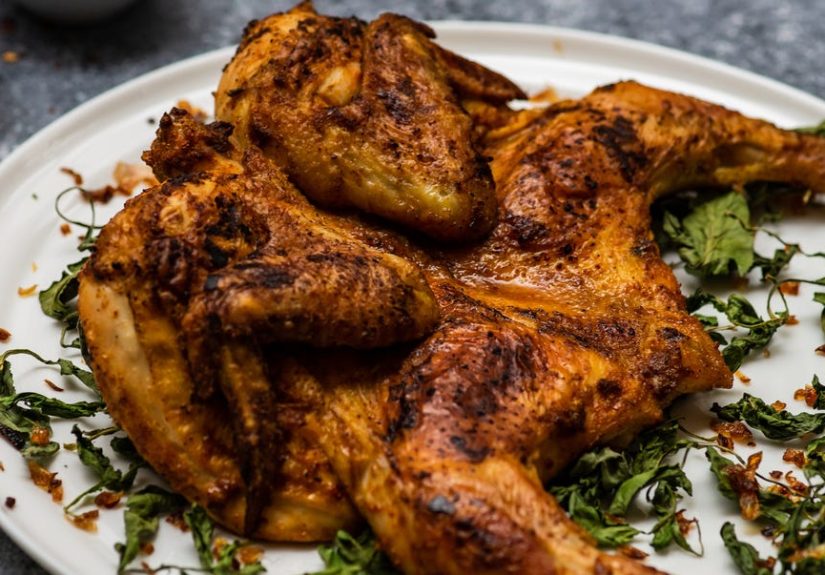
To spatchcock a chicken means to remove the backbone and flatten the bird before cooking. You may also hear this called butterflying a chicken. The idea is simple: instead of roasting the chicken in a compact, upright shape, you open it up so it lies flat. That flatter shape allows heat to circulate more efficiently and gives the skin more contact with dry heat.
The result is a roast chicken that cooks more evenly and usually faster than a traditional whole bird. The breast is less likely to dry out before the thighs are done, and the skin has a much better shot at becoming golden, crisp, and worthy of dramatic dinner-table praise.
Why Spatchcocking Works So Well
There are several reasons home cooks love this technique, and none of them involve extra kitchen stress.
Faster cooking time
A flattened chicken roasts faster because it is thinner and more evenly exposed to heat. That means dinner gets to the table sooner, and your oven does not have to work overtime.
More even cooking
Traditional roast chicken can be a balancing act. The breasts often finish before the legs and thighs. Spatchcocking reduces that gap, so you get juicy white meat and properly cooked dark meat in the same pan.
Better crispy skin
More of the skin is exposed directly to the heat, which means more crispy bits. This is the culinary equivalent of upgrading from a studio apartment to a corner office.
Easier carving
Once cooked, a spatchcock chicken is much easier to cut into neat pieces. No awkward twisting, no guessing where the joints are, no accidental launch of a drumstick across the counter.
Tools You Need Before You Start
You do not need restaurant-level gear, but a few tools make the process far easier:
- Sharp kitchen shears: The best tool for cutting along both sides of the backbone.
- Large cutting board: Preferably one that will not slide around.
- Chef’s knife: Helpful if you need extra force or want to trim stubborn bits.
- Paper towels: Essential for drying the chicken, which helps the skin crisp.
- Rimmed baking sheet or roasting pan: A sheet pan works especially well.
- Wire rack: Optional, but great for airflow and even roasting.
- Instant-read thermometer: Non-negotiable if you want properly cooked chicken without guesswork.
How to Spatchcock a Chicken, Step-by-Step
1. Start with a whole chicken and clear your workspace
Place your whole chicken on a large cutting board. Remove any packaging, giblets, or neck pieces from the cavity if they are included. Pat the bird dry with paper towels. Dry skin is your friend here. Moisture is what stands between you and crispy skin, so dab generously.
2. Turn the chicken breast-side down
Flip the bird so the backbone is facing up. You will see it running straight down the center. This is the part you are going to remove. If the idea sounds intense, do not worry. It is more snip-snip than surgical drama.
3. Cut along one side of the backbone
Using kitchen shears, cut from the tail end up toward the neck, staying close to one side of the backbone. You may hit a few rib bones, but sturdy shears should get through them without too much fuss. Take your time and use firm, controlled pressure.
4. Cut along the other side and remove the backbone
Repeat on the other side of the backbone until you can lift it out completely. Save it for stock if you like. It is basically free flavor, and your future soup will thank you.
5. Open the chicken like a book
Once the backbone is out, spread the chicken open. You are halfway there. It already looks more cooperative, which is emotionally encouraging.
6. Flip it over and press firmly on the breastbone
Turn the chicken so it is skin-side up. Place both hands over the breastbone and press down firmly until you hear or feel a crack. That sound is oddly satisfying because it means the bird will now lie flatter. If it does not flatten completely on the first try, press again with confidence.
7. Tuck the wing tips
Tuck the wing tips behind the breasts so they do not burn. This also makes the chicken look tidier in the pan and helps it roast more evenly.
8. Season like you mean it
At minimum, use kosher salt, black pepper, and a light coating of oil or softened butter. For more flavor, add garlic powder, smoked paprika, lemon zest, rosemary, thyme, or a dry rub. A dry brine with salt for a few hours or overnight is especially effective if you have time. It helps season the meat all the way through and improves the skin texture.
How to Roast a Spatchcock Chicken Like a Pro
Once the bird is flattened, roasting it is refreshingly simple.
Choose the right temperature
A hot oven works beautifully for spatchcock chicken. Many cooks prefer the 425 to 450 degrees Fahrenheit range because it encourages browning and crisp skin while keeping the cooking time manageable.
Use the right pan setup
Set the chicken skin-side up on a wire rack over a rimmed baking sheet, or place it directly in a roasting pan. If you are adding vegetables like potatoes, carrots, onions, or Brussels sprouts, give them enough room so they roast instead of steam.
Roast until the temperature is right
Forget the old “poke it and hope” method. Use an instant-read thermometer and check the thickest part of the breast and the innermost part of the thigh. For food safety, chicken should reach 165 degrees Fahrenheit. That is the number that matters most.
Let it rest
Rest the chicken for 10 to 15 minutes before carving. This gives the juices time to redistribute so they stay in the meat instead of flooding your cutting board like a tiny poultry waterfall.
Best Seasoning Ideas for Spatchcock Chicken
One of the best things about this technique is how adaptable it is. Once you master the method, you can change the flavor profile whenever the mood strikes.
Classic lemon-herb
Olive oil, garlic, lemon zest, thyme, rosemary, salt, and pepper. Clean, fresh, and impossible to dislike.
Smoky barbecue rub
Brown sugar, paprika, garlic powder, onion powder, black pepper, salt, and a little cayenne. Great for roasting or grilling.
Garlic butter
Softened butter mixed with garlic, parsley, and a touch of lemon. Slide some under the skin for extra flavor and richer browning.
Spicy weeknight version
Olive oil, chili flakes, cumin, smoked paprika, oregano, and a squeeze of lime after roasting. Big flavor, low drama.
Common Mistakes to Avoid
Using dull shears
If your kitchen shears are struggling, this job becomes unnecessarily annoying. Sharp shears make the whole process faster and safer.
Skipping the drying step
If the skin is wet, it will steam before it browns. Pat it dry thoroughly before seasoning.
Not flattening the bird enough
A half-flattened chicken will still cook unevenly. Press firmly on the breastbone so it lies as flat as possible.
Under-seasoning
Whole chickens need generous seasoning. Salt is not optional decoration. It is the reason the meat tastes like dinner instead of bland regret.
Cooking without a thermometer
Color is not a reliable indicator of doneness. Always check temperature in the breast and thigh.
How to Carve a Spatchcock Chicken
Carving is much easier once the chicken is flat. Start by removing the legs, then separate the thighs from the drumsticks if desired. Next, remove the wings. Finally, slice the breast meat off in large pieces and cut across the grain into serving portions. Because the bird was flattened before cooking, the joints are more accessible and the whole job feels far less like a puzzle.
Leftovers, Storage, and Reheating
If you have leftovers, refrigerate them within two hours. Store the chicken in shallow, airtight containers so it cools quickly. For reheating, warm it in the oven until it reaches 165 degrees Fahrenheit again. Leftover spatchcock chicken is excellent in sandwiches, salads, grain bowls, soups, tacos, and late-night “I was only going to have one bite” situations.
Conclusion
Learning how to spatchcock a chicken is one of those kitchen skills that feels instantly useful. It is not flashy for the sake of being flashy. It is practical, efficient, and wildly effective. You get faster cooking, crispier skin, juicier meat, easier carving, and more confidence every time you roast or grill a whole bird. Once you understand the method, it becomes less of a recipe and more of a reliable strategy you can use with whatever seasonings, sides, or dinner plans you have in mind.
If you want roast chicken that looks impressive without acting expensive about it, this is the move. Grab your shears, flatten that bird, and enjoy the kind of chicken that makes people ask whether you secretly went to culinary school. You do not have to tell them the truth.
Real-World Experience: What Spatchcocking a Chicken Actually Teaches You in the Kitchen
The first time I spatchcocked a chicken, I expected a majestic cooking breakthrough. What I got instead was a slippery cutting board, a bird that refused to lie flat, and the distinct feeling that the chicken was somehow judging me. It still turned out well, but that first attempt taught me something important: this technique is easy, but it gets dramatically easier after you do it once or twice. The second chicken was smoother. By the third, I understood why experienced cooks swear by it.
One of the biggest lessons is that prep matters more than bravado. A dry chicken roasts better than a wet one, a sharp pair of shears is worth its weight in gold, and a stable cutting board can save your mood. The first time I rushed through those details, the process felt clumsy. The next time, I dried the chicken thoroughly, set a damp towel under the cutting board so it would not slide, and used better shears. Suddenly the backbone came out with far less resistance, and the whole method made much more sense.
I also learned that flattening the bird is not a polite suggestion. If the breastbone is not cracked and the chicken is not truly flattened, the legs and thighs can still take longer than the breast. When I pressed down firmly and really committed to the process, the bird cooked more evenly and looked better in the pan. That one moment of pressure changes everything.
Seasoning is another area where experience teaches confidence. Early on, I was too timid with salt because I did not want to overdo it. The result was decent chicken with excellent skin and underwhelming flavor. Later, I tried a dry brine overnight, and the difference was obvious. The meat tasted more seasoned all the way through, the skin browned better, and the final result felt more “special dinner” than “Tuesday survival meal.”
The oven setup matters too. I used to pile vegetables too close to the chicken, thinking I was being efficient. In reality, I was creating steam and stealing browning from both the vegetables and the bird. Once I started giving everything room on the pan, the chicken skin stayed crisper and the vegetables roasted instead of turning soft and apologetic.
Most importantly, repeated experience teaches you not to fear the thermometer. For years, many home cooks relied on vague signs like clear juices or color near the bone. But once I got comfortable checking both the breast and thigh temperatures, roast chicken became much less stressful. There is real confidence in knowing, not guessing.
That is what makes spatchcock chicken such a pro move. It does not just improve the chicken. It improves the cook. It teaches you how heat moves, why prep matters, how seasoning changes texture and flavor, and why simple tools can produce restaurant-worthy results. It turns roast chicken from a slightly nerve-racking event into a reliable skill. And honestly, that may be the best part of all.